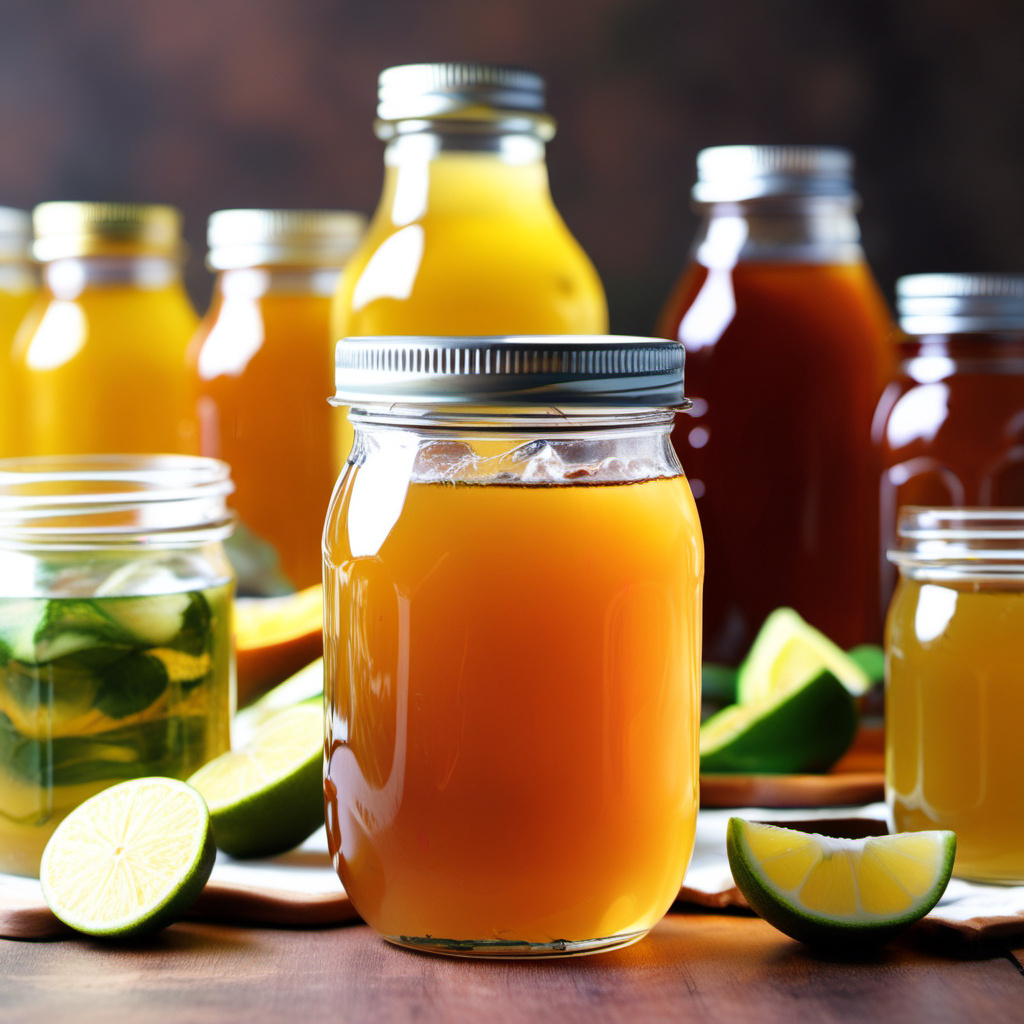
In the world of modern wellness, few beverages have achieved the legendary status of kombucha. This fermented tea, often referred to as an “immortality elixir,” is praised for its high probiotic content, its ability to support detoxification, and its tangy, refreshing flavor. For the average person, a daily bottle of kombucha might be the secret to a happy gut. However, for those living with Irritable Bowel Syndrome (IBS), the reality can be strikingly different. Instead of a health boost, many IBS sufferers find that even a few sips of kombucha lead to intense bloating, sharp abdominal pain, and unpredictable changes in bowel habits.
If you have been reaching for kombucha to heal your gut only to find your symptoms worsening, you are not alone. The relationship between fermented foods and a sensitive digestive system is complex. While the probiotics in kombucha are generally beneficial, the beverage contains several other components—including specific sugars, gases, and acids—that can act as potent triggers for those with visceral hypersensitivity. Understanding why this happens is the first step toward reclaiming your digestive comfort and determining whether kombucha has a place in your personalized IBS management plan.
Understanding the Kombucha Craze and the IBS Reality
To understand why kombucha might be problematic, we first need to look at what it actually is. Kombucha is a fermented drink made from sweetened tea (usually black or green) and a symbiotic culture of bacteria and yeast, commonly known as a SCOBY. During the fermentation process, the yeast breaks down the sugar into alcohol and carbon dioxide, and then the bacteria convert that alcohol into acetic acid. The result is a carbonated, slightly acidic beverage teeming with live microorganisms.
For many, this sounds like the ultimate digestive aid. In a healthy gut, these probiotics help maintain a diverse microbiome, which supports immune function and regular digestion. However, IBS is not a standard digestive issue; it is a functional gastrointestinal disorder characterized by a breakdown in the communication between the brain and the gut. People with IBS often have a microbiome that is already out of balance (dysbiosis) and a nervous system that overreacts to the stretching of the intestinal walls. When you introduce a complex, active fermented beverage into this environment, the result can be more chaotic than curative.
The marketing surrounding kombucha often suggests that “more is better” when it comes to probiotics. But for an IBS sufferer, the introduction of a high volume of new bacteria and yeast can cause a temporary but painful upheaval. This is particularly true if the individual has an underlying condition like Small Intestinal Bacterial Overgrowth (SIBO), where the problem isn’t a lack of bacteria, but rather bacteria being in the wrong place. In these cases, drinking kombucha is like adding fuel to a fire.
The Fermentation Process: What’s Really in the Bottle?
The chemistry of kombucha is fascinating, but it is also what makes it a minefield for sensitive stomachs. Beyond the probiotics, the fermentation process produces several byproducts. These include organic acids like acetic acid (which gives it a vinegar-like taste), gluconic acid, and lactic acid. It also contains trace amounts of ethanol (alcohol) and a significant amount of carbon dioxide. Depending on the brand and the length of fermentation, it may also contain varying levels of residual sugar.
One of the primary issues for IBS patients is the variability of these components. Unlike a probiotic capsule that contains a measured dose of specific strains, kombucha is a “wild” ferment. The exact strains of bacteria and yeast can vary from batch to batch. For someone with a highly reactive gut, this lack of consistency makes it difficult to predict how they will react. One day a specific brand might feel fine, and the next, a different bottle from the same company could trigger a flare-up due to a slightly higher concentration of yeast or a different sugar profile.
Furthermore, many commercial kombuchas undergo a second fermentation where fruit juices, purees, or additional sugars are added to create flavor. This second stage increases the carbonation and often introduces high-FODMAP ingredients like apple juice or mango puree, which are notorious for causing distress in those with IBS. Even if the base tea is safe, these additives can quickly turn a health drink into a digestive nightmare.
Why Kombucha is Often High in FODMAPs
The acronym FODMAP stands for Fermentable Oligosaccharides, Disaccharides, Monosaccharides, and Polyols. These are short-chain carbohydrates that the small intestine absorbs poorly. When they reach the large intestine, they are fermented by gut bacteria, producing gas and drawing water into the bowel—the perfect recipe for IBS symptoms. According to testing by Monash University, the gold standard for FODMAP research, kombucha is considered high-FODMAP in servings larger than 180ml (about 6 ounces).
The primary FODMAP concern in kombucha is excess fructose. While the SCOBY consumes much of the sugar during fermentation, it often leaves behind a significant amount of fructose. Additionally, many brands use agave nectar or high-fructose fruit juices as sweeteners. If the ratio of fructose to glucose is too high, the body struggles to absorb the fructose, leading to fermentation, bloating, and osmotic diarrhea.
Another factor is the presence of fructans. Fructans are chains of fructose molecules found in many grains and vegetables, but they can also be produced during certain fermentation processes or be present in the tea leaves themselves. For those who are sensitive to fructans (a very common sensitivity among IBS patients), even a small glass of kombucha can trigger hours of discomfort. Because most commercial bottles are 12 to 16 ounces, a person drinking a whole bottle is often consuming double the “safe” threshold for FODMAPs in one sitting.
Carbonation: The Hidden Trigger for Bloating and Distension
Even if you find a kombucha that is low in sugar and perfectly fermented, you still have to contend with the bubbles. Carbonation is simply carbon dioxide gas dissolved in liquid. When you drink a carbonated beverage, you are literally swallowing gas. For a person with a healthy gut, this gas is usually expelled through burping or passed through the digestive tract with little notice. However, for someone with IBS, the story is different.
Individuals with IBS often suffer from visceral hypersensitivity, meaning their gut nerves are extra sensitive to pressure. When the carbon dioxide from kombucha hits the stomach and then the small intestine, it causes the intestinal walls to stretch. In a sensitive system, this stretching is interpreted by the brain as intense pain or significant bloating, even if the actual amount of gas is relatively small. This sensation of “fullness” or “distension” can be incredibly uncomfortable and can trigger the gastrocolic reflex, leading to an urgent need to use the bathroom.
Moreover, the gas in kombucha doesn’t just stay in the stomach. It travels through the entire digestive tract. If your digestion is slow (constipation-predominant IBS), that gas can become trapped in the folds of the intestines, causing cramping and sharp “gas pains” that can last for hours. If you are already prone to bloating, adding a carbonated beverage like kombucha is often the final straw that leads to a visible “bloated belly” by the end of the day.
The Alcohol and Caffeine Factor in Digestive Motility
While kombucha is marketed as non-alcoholic, the fermentation process naturally produces small amounts of ethanol. By law, commercial kombucha must contain less than 0.5% alcohol by volume (ABV) to be sold as a soft drink. While this is a trace amount, it is not zero. Alcohol is a known gut irritant that can increase intestinal permeability (often called “leaky gut”) and alter the speed at which food moves through the system. For some highly sensitive individuals, even this trace amount can stimulate the gut enough to cause irritation.
Similarly, kombucha is made from tea, which naturally contains caffeine. While much of the caffeine is reduced during fermentation, a significant portion remains. Caffeine is a stimulant that increases gut motility. For those with diarrhea-predominant IBS (IBS-D), caffeine can act as a trigger that speeds up the digestive process too much, leading to loose stools and urgency. Furthermore, caffeine can increase the production of stomach acid, which may exacerbate symptoms like heartburn or upper GI discomfort that often co-occur with IBS.
It is also worth noting that the tannins found in the tea base can be tough on a sensitive stomach. Tannins are polyphenols that can interfere with enzyme activity and, in some people, cause nausea or a “tight” feeling in the stomach, especially when consumed on an empty stomach. When you combine alcohol, caffeine, and tannins with the active fermentation of kombucha, you have a potent cocktail that can easily overwhelm a compromised digestive system.
Histamine Intolerance: The Overlooked Connection
A growing body of research suggests that many people diagnosed with IBS may actually be struggling with histamine intolerance. Histamine is a chemical involved in the immune system, but it is also found in many foods—particularly those that are aged, cured, or fermented. During the fermentation of kombucha, the bacteria and yeast produce histamines as a byproduct.
In a healthy individual, an enzyme called diamine oxidase (DAO) breaks down histamines in the gut. However, if you have a DAO deficiency or an imbalance in your gut bacteria, histamines can build up in your system. This can cause symptoms that mimic an allergic reaction, but it also causes significant digestive distress. Symptoms of histamine intolerance include bloating, abdominal pain, diarrhea, headaches, and even skin flushing.
Because kombucha is a high-histamine beverage, it can be a major trigger for those with this intolerance. If you find that you react poorly not just to kombucha, but also to other fermented foods like sauerkraut, aged cheeses, and red wine, histamine might be the underlying culprit. In this scenario, the “healthy” probiotics in the kombucha are actually contributing to a histamine load that your body cannot handle, leading to a flare-up that feels exactly like an IBS episode.
Practical Steps: How to Test Your Tolerance Safely
If you love the taste of kombucha or want to reap its potential benefits, you don’t necessarily have to give it up forever. The key is to test your tolerance in a controlled, systematic way. This is best done during a “calm” period when your IBS symptoms are well-managed, rather than during an active flare-up.
First, start very small. Do not drink a whole bottle. Instead, start with just two tablespoons (about 30ml). Drink it with a meal rather than on an empty stomach, as the presence of other food can help buffer the effects of the acid and carbonation. Wait at least 24 to 48 hours to monitor your reaction. IBS symptoms are not always immediate; sometimes the fermentation process in the large intestine takes a day to manifest as bloating or changes in bowel habits.
Second, choose your brand and flavor wisely. Look for kombuchas that have a longer fermentation time (which often results in lower sugar) and avoid those with added high-FODMAP fruit juices like apple, pear, or cherry. Ginger-flavored kombucha can be a good choice, as ginger itself is a prokinetic that helps with digestion and can soothe the stomach. Avoid any bottles that list “inulin” or “chicory root” on the label, as these are highly fermentable fibers that are notorious for causing gas in IBS patients.
Keep a detailed food and symptom diary during this testing phase. Note the brand, the amount consumed, and exactly how you feel over the next two days. If you experience no symptoms, you can try increasing the amount to four tablespoons, and eventually to a small 6-ounce glass. If at any point you experience significant bloating or pain, you have found your limit. For many people with IBS, the “safe” amount of kombucha is simply much smaller than the standard serving size.
Better Alternatives for a Sensitive Gut
If you find that kombucha simply doesn’t agree with you, there are many other ways to support your gut health without the risk of an IBS flare-up. You don’t have to rely on fermented tea to get your probiotics or to enjoy a refreshing drink. The goal is to find options that provide the benefits of probiotics without the high-FODMAP or high-histamine baggage.
One excellent alternative is Water Kefir. While it is also fermented, water kefir typically has a different microbial profile than kombucha and is often lower in histamines and acetic acid. However, it still contains carbonation and sugar, so the same “test small” rules apply. Another option is Lactose-Free 24-hour Yogurt. The long fermentation process breaks down the lactose (a major FODMAP), leaving you with a probiotic-rich food that is generally much easier on the stomach than commercial dairy.
If you are looking for a refreshing beverage, try infused water with ginger and mint. Peppermint is a natural antispasmodic that can help relax the muscles of the gut, while ginger aids in digestion. For probiotic support without the drink, consider a high-quality, low-FODMAP probiotic supplement that has been clinically studied for IBS, such as those containing Bifidobacterium infantis or Lactobacillus plantarum 299v. These provide a controlled dose of beneficial bacteria without the sugars and gases found in kombucha.
Ultimately, managing IBS is about listening to your body rather than following general health trends. While kombucha is a wonderful beverage for many, it is not a requirement for gut health. If it makes you feel worse, the most “healthy” thing you can do is set the bottle down and choose an alternative that truly makes your digestive system feel at peace.
Distinguishing Between a ‘Die-Off’ Reaction and a Genuine IBS Flare
One of the most confusing experiences for an IBS sufferer trying kombucha is determining whether their discomfort is a sign of ‘healing’ or a sign of harm. In the wellness community, the term “Herxheimer reaction” or “die-off” is frequently used to describe a temporary worsening of symptoms as pathogenic bacteria or yeast are killed off by new, beneficial probiotics. While die-off is a real physiological phenomenon, it is often misapplied to IBS patients who are simply experiencing a standard symptom flare-up. Understanding the difference is crucial for deciding whether to push through the discomfort or stop consumption immediately.
A true die-off reaction typically involves systemic symptoms. Because the process involves the release of endotoxins (like lipopolysaccharides) into the bloodstream as microbes perish, you might experience low-grade fever, chills, muscle aches, or a general sense of malaise, often referred to as ‘flu-like’ symptoms. These usually peak within 48 to 72 hours and then subside as the body clears the debris. In contrast, an IBS flare-up triggered by kombucha is usually localized to the digestive tract. If you experience sharp cramping, localized bloating, and urgent diarrhea without systemic signs like joint pain or skin breakouts, your gut is likely reacting to the ingredients—such as the excess fructose or carbonation—rather than undergoing a microbial ‘cleansing.’
Furthermore, the duration of the symptoms provides a vital clue. If you continue to drink small amounts of kombucha and your symptoms do not improve after five to seven days, it is highly unlikely to be a die-off reaction. Probiotic-induced die-off should lead to an eventual ‘leveling up’ of gut health. For the IBS patient, however, the constant introduction of fermentable substrates (FODMAPs) and gas-producing yeast simply creates a cycle of chronic irritation. If the ‘healing crisis’ feels like it has no end in sight, it is time to acknowledge that the beverage is a trigger, not a cure.
The Impact of Acetic Acid on Gastric pH and Functional Dyspepsia
While much of the discussion around IBS focuses on the lower GI tract, many individuals with IBS also suffer from Functional Dyspepsia (FD) or Gastroesophageal Reflux Disease (GERD). Kombucha is a highly acidic beverage, typically hovering at a pH between 2.5 and 3.5. This acidity is primarily due to acetic acid, the same organic acid found in vinegar. For a robust stomach, this acidity can aid protein digestion, but for those with a sensitive gastric lining or a hypersensitive esophagus, it can be a significant irritant.
In cases of IBS where upper GI symptoms are present, the acetic acid in kombucha can relax the Lower Esophageal Sphincter (LES), the muscular valve that prevents stomach contents from rising into the esophagus. When the LES relaxes inappropriately, the combination of the drink’s acidity and its carbonation can cause ‘silent reflux’ or traditional heartburn. This is particularly problematic because the gas (CO2) in kombucha creates upward pressure, forcing acidic vapors into the esophagus. For the patient, this might manifest not as typical heartburn, but as a ‘lump in the throat,’ chronic throat clearing, or even an increase in bloating as the body tries to neutralize the acid by swallowing more air.
Moreover, the acetic acid can interfere with the stomach’s mucosal barrier. If you have a history of gastritis or are currently taking NSAIDs (like ibuprofen) for pain management, the added acid from kombucha can cause a localized ‘burning’ sensation in the epigastric region. This discomfort can trigger the nervous system to enter a state of high alert, which, through the gut-brain axis, can then stimulate the colon to contract, leading to the rapid-onset diarrhea often seen in IBS-D. Drinking kombucha on a completely empty stomach exacerbates this effect; the acid hits the lining directly without the buffering presence of food, making an adverse reaction almost certain for those with upper GI sensitivity.
Analyzing ‘Zero-Sugar’ and ‘Hard’ Kombucha Variations
The kombucha market has evolved beyond the traditional fermented tea to include specialized versions like ‘Zero-Sugar’ and ‘Hard’ (high-alcohol) kombucha. While these might seem like safe workarounds for the IBS patient concerned about sugar or looking for a ‘healthier’ cocktail, they introduce a new set of variables that can be even more disruptive to a sensitive gut. ‘Zero-Sugar’ kombuchas often achieve their flavor profile by using sugar alcohols (polyols) like erythritol or xylitol, or high-intensity sweeteners like stevia and monk fruit.
Polyols are the ‘P’ in FODMAPs. Even erythritol, which is generally better absorbed than sorbitol or mannitol, can cause osmotic diarrhea if consumed in significant quantities. It draws water into the large intestine, leading to loose stools and a ‘sloshing’ sensation in the gut. Stevia and monk fruit, while not FODMAPs, can alter the microbiome in ways that researchers are still investigating. For some IBS patients, these non-nutritive sweeteners cause a paradoxical increase in gas because they can be fermented by specific strains of bacteria that are not part of the standard fermentation process.
Hard kombucha, which usually contains 4% to 8% alcohol by volume, presents a double-edged sword. Alcohol is a potent gut irritant that increases intestinal permeability and speeds up gastric emptying. When you combine the fermentation byproducts of kombucha—which already include trace alcohol and CO2—with a higher concentration of ethanol, you create a beverage that is highly likely to cause ‘leaky gut’ symptoms. For someone with IBS, this can lead to systemic inflammation and a heightened immune response, manifesting as joint pain or extreme fatigue the day after consumption. If you are choosing hard kombucha as a ‘gluten-free’ alternative to beer, be aware that the high yeast count and alcohol content may still trigger the same, if not worse, digestive distress.
The Role of Saccharomyces Boulardii and Yeast Dominance
Kombucha is not just a bacterial ferment; it is a yeast-heavy ferment. The SCOBY contains various strains of yeast, most notably *Saccharomyces cerevisiae* and sometimes *Saccharomyces boulardii*. In the world of clinical probiotics, *S. boulardii* is often prescribed to treat diarrhea and prevent issues like *C. diff* infections. For some IBS-D patients, the presence of this yeast in kombucha might actually provide a stabilizing effect on bowel movements. However, for those with IBS-C (constipation-predominant) or those with a tendency toward fungal overgrowth, the story is quite different.
If your IBS is linked to Small Intestinal Fungal Overgrowth (SIFO), introducing more live yeast into your system is akin to throwing gasoline on a fire. Yeast ferments carbohydrates into carbon dioxide and ethanol right in the small intestine. This can lead to a specific type of ‘high’ bloating where the upper abdomen feels like a tight drum shortly after eating. Furthermore, for individuals with a sensitivity to yeast-derived products, the metabolites produced by these organisms can trigger an immune response that mimics a food allergy, including skin flushing, itching, and rapid heartbeat.
The balance between bacteria and yeast in a bottle of kombucha is never 100% consistent. If a batch is ‘yeast-dominant’—which often happens in warmer brewing environments—the concentration of CO2 and the potential for further fermentation in the gut increases significantly. This is why you might react fine to one bottle but feel incredibly bloated after another from the same brand. For the IBS patient, this microbial ‘wild west’ makes kombucha a high-risk gamble compared to a standardized probiotic capsule where the CFU (colony forming units) and specific strains are guaranteed and tested for stability.
Kombucha’s Effect on the Gut-Brain Axis and Serotonin
IBS is increasingly recognized as a disorder of the gut-brain axis, where the communication between the enteric nervous system and the central nervous system is dysregulated. A fascinating, yet often overlooked, aspect of kombucha is how its components interact with serotonin production. Approximately 95% of the body’s serotonin is produced in the gut, and it plays a critical role in regulating motility (the movement of food through the tract) and visceral sensitivity (how much pain you feel in your gut).
Certain bacteria found in fermented drinks can influence the production of tryptophan, the precursor to serotonin. While this sounds like a benefit for mood, an abrupt shift in serotonin levels in the gut can cause motility chaos. In IBS-D, excess serotonin can lead to hyper-motility and cramping. Conversely, if the fermentation byproducts in kombucha interfere with the normal signaling of the enterochromaffin cells (which release serotonin), it can lead to the ‘gut sluggishness’ seen in IBS-C. This is why some people report that kombucha makes them feel ‘anxious’ or ‘jittery’ beyond what the caffeine content would suggest; it is a physical manifestation of a localized neurotransmitter shift.
Additionally, we must consider the ‘Nocebo Effect.’ Because IBS patients are often hyper-aware of their internal sensations, the anticipation of a reaction can actually trigger one. If you have read that kombucha is ‘cleansing’ but your brain associates the tart, vinegary smell with past digestive trauma, your autonomic nervous system may shift into ‘fight or flight’ mode before the liquid even reaches your stomach. This stress response shuts down effective digestion and tightens the abdominal muscles, making the gas and acid from the kombucha feel ten times more painful than they would in a relaxed state. Managing the psychological approach to trying new fermented foods is just as important as the biological tolerance itself.
Synergistic Effects with Common IBS Medications and Supplements
Many people managing IBS are already taking a variety of medications or supplements, and kombucha can interact with these in unexpected ways. For instance, if you are taking an antispasmodic like dicyclomine (Bentyl) or hyoscyamine (Levsin) to slow down your gut and prevent cramping, the prokinetic (movement-stimulating) effects of the caffeine and organic acids in kombucha can work directly against your medication. You essentially have one substance telling your gut to ‘slow down’ and another telling it to ‘speed up,’ which can result in irregular, painful ‘colicky’ sensations as the muscles receive conflicting signals.
There is also a concern for those using Rifaximin or other antibiotics to treat SIBO. While it is common to want to ‘repopulate’ the gut during or after a course of antibiotics, introducing a wild ferment like kombucha too early can be counterproductive. The antibiotics are working to reduce the bacterial load in the small intestine; drinking a beverage teeming with live, active cultures can provide a new population for the small intestine to harbor before the ‘migrating motor complex’ (the gut’s cleaning wave) has been fully restored. This often leads to a quick relapse of SIBO symptoms.
Furthermore, if you take iron supplements for anemia (which is common in those with malabsorption issues), the tannins and polyphenols in the tea base of kombucha can significantly inhibit iron absorption. If you drink kombucha near the time you take your supplements, you may find your energy levels remaining low despite your efforts. Similarly, the acidic nature of the drink can cause enteric-coated capsules (like peppermint oil or certain probiotics) to dissolve too early in the stomach rather than the intestines, leading to heartburn and reduced efficacy of the supplement.
Temperature and Timing: How the Method of Consumption Changes the Outcome
The physical state in which you consume kombucha can be just as important as the ingredients themselves. Most people drink kombucha straight from a refrigerator, often at temperatures as low as 35-40°F (2-4°C). For a person with visceral hypersensitivity, ice-cold liquids can trigger a ‘cold shock’ response in the stomach and esophagus. This can cause immediate smooth muscle spasms. If you already have a ‘twitchy’ gut, this cold stimulus can set off a chain reaction of cramping that travels all the way to the colon. To mitigate this, try pouring your serving of kombucha and letting it sit at room temperature for 15-20 minutes to take the chill off before sipping.
Timing is another critical factor. Drinking a carbonated, acidic, probiotic-rich beverage on a completely empty stomach is the most ‘aggressive’ way to consume it. The stomach acid is already high, and there is no food to slow the transit of the live cultures into the small intestine. For an IBS patient, this often leads to rapid fermentation and ‘dumping’ into the duodenum, causing immediate bloating. Conversely, drinking it in the middle of a large, complex meal might lead to ‘stacking’ of FODMAPs. If your meal contains other fermentable fibers (like broccoli or beans), adding kombucha on top can create a ‘fermentation bomb’ in the gut.
The ‘sweet spot’ for many sensitive individuals is consuming a small amount (2-4 ounces) approximately 30 minutes after a light, low-FODMAP meal. This allows the food to act as a buffer for the acid and CO2, while the active enzymes in the kombucha can potentially assist in the tail-end of the digestive process. Additionally, avoid drinking kombucha late at night. The combination of trace caffeine and the potential for gas production can lead to ‘nocturnal bloating,’ which can disrupt sleep—and as any IBS sufferer knows, poor sleep is one of the fastest ways to lower your pain threshold and trigger a flare-up the following day.
Frequently Asked Questions
1. Can kombucha cause a permanent IBS flare-up?
No, kombucha cannot cause permanent damage or a permanent flare-up. However, it can cause significant temporary distress that may last for several days as the gas and fermentable sugars move through your system. If you have a severe reaction, it usually subsides once the beverage has been fully digested and eliminated. If symptoms persist for more than a week after stopping kombucha, it is likely that something else is contributing to the flare-up, and you should consult your doctor.
2. Is there such a thing as a “low-FODMAP” kombucha?
While no commercial kombucha is officially certified as low-FODMAP for a full bottle, you can find “low-FODMAP friendly” options. Look for brands that list 4-5 grams of sugar or less per serving and avoid those with fruit juice concentrates. Plain or ginger-flavored kombuchas are usually the safest bets. Remember that according to Monash University, 180ml (about 6 oz) is the maximum serving size to remain within low-FODMAP limits for most people.
3. Why do I feel “drunk” or “brain fogged” after drinking kombucha?
This sensation, often called a “kombucha buzz,” can be caused by a few things. First, the trace amounts of alcohol can affect those who are highly sensitive or have a compromised gut lining. Second, it could be a result of a histamine reaction, which can cause lightheadedness. Finally, if you have SIBO, the fermentation of the sugars in the kombucha by bacteria in your small intestine can produce D-lactic acid, which is known to cause temporary brain fog and lethargy.
4. Can I make kombucha at home to make it safer for my IBS?
Homebrewing allows you to control the fermentation time and the ingredients, which can be helpful. A longer fermentation (21-30 days) will result in a more acidic, lower-sugar drink, which may be better for those sensitive to fructose. However, homebrews are also more likely to have higher concentrations of yeast and histamines, and the bacterial strains are less controlled than commercial versions. If you choose to homebrew, exercise caution and still use the “start small” testing method.
5. Should I drink kombucha if I have SIBO (Small Intestinal Bacterial Overgrowth)?
Most practitioners recommend avoiding kombucha while actively treating SIBO. Because SIBO involves an overgrowth of bacteria in the small intestine, adding more live cultures (especially yeast) can exacerbate the problem. The sugars and carbonation in kombucha also provide immediate fuel for the bacteria in the small intestine, leading to rapid gas production and pain. It is generally better to wait until after the overgrowth has been cleared and your gut lining has had time to heal before reintroducing fermented beverages.
Related posts:
 Reading Kombucha Labels: What You Need to Know
 Why SCOBY Might Be the Secret Ingredient Your Skincare Routine Needs
 Coconut Cult Just Dropped New Products That Will Revolutionize Your Gut Health
 Managing Fiber Intake with IBS
 Surprising FODMAP Foods
 The Food Intolerance That’s More Common Than You Think
 Foods That Help You Poop
 Fermented Foods for Gut Health