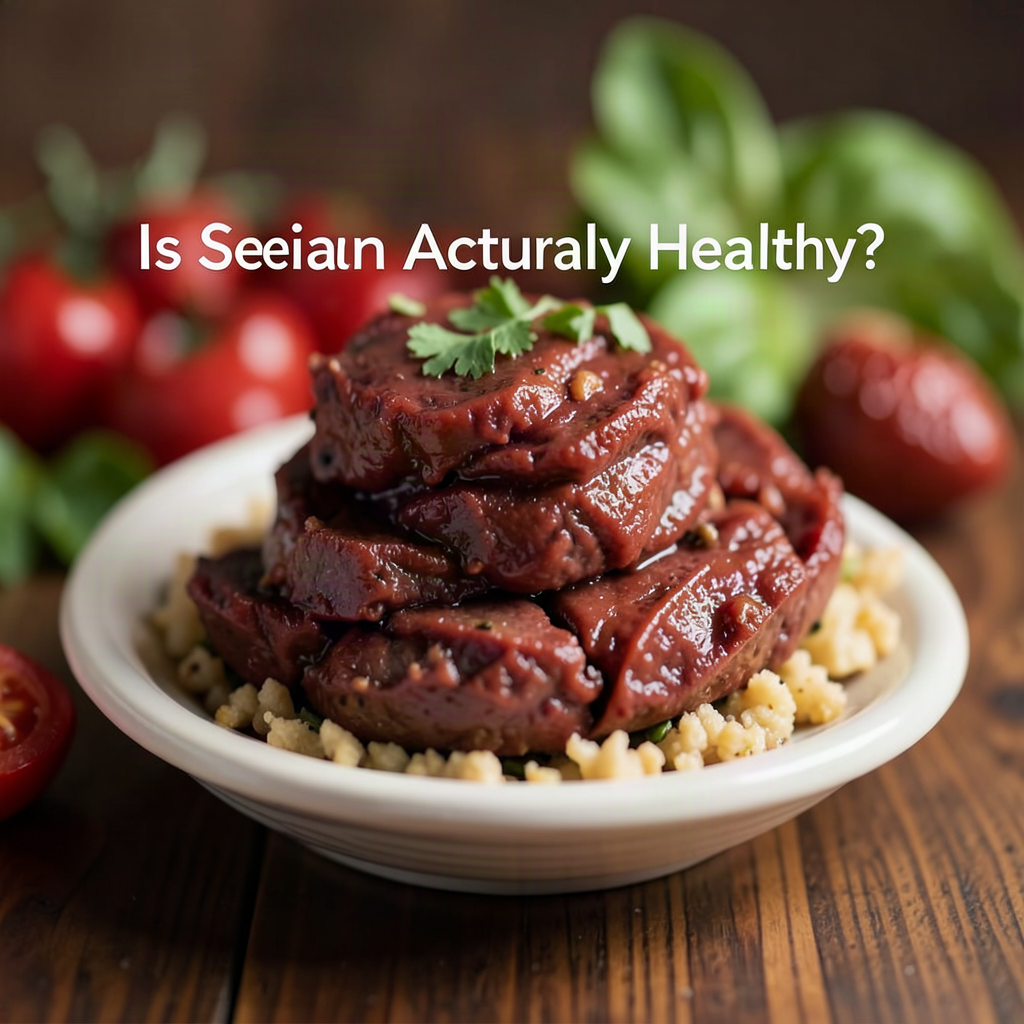
In the rapidly evolving landscape of plant-based nutrition, seitan has emerged as a cornerstone for those seeking a high-protein alternative to animal products. Often referred to as “wheat meat,” seitan offers a texture and versatility that many other meat substitutes, like tofu or tempeh, cannot replicate. However, as more people pivot toward plant-based diets, a critical question arises: Is seitan actually healthy, or is it merely a highly processed gluten bomb?
To understand the health implications of seitan, we must look beyond its culinary uses and dive into its nutritional composition, its impact on the digestive system, and how it compares to other protein sources. This guide provides a comprehensive analysis of seitan, exploring its benefits, potential drawbacks, and the best ways to incorporate it into a balanced lifestyle.
What Exactly Is Seitan?
Unlike many plant-based proteins derived from legumes or soy, seitan is made entirely from wheat. Specifically, it is produced by washing wheat flour dough with water until all the starch granules have been removed. What remains is an elastic mass of pure gluten—the insoluble protein found in wheat. This protein is then cooked, often by poaching in a flavored broth, steaming, or baking, resulting in a dense, chewy texture that remarkably resembles chicken or beef.
While seitan might seem like a modern invention designed for the vegan “meat” market, it has deep historical roots. It originated in ancient China and Japan, where Buddhist monks developed it as a meat substitute in accordance with their vegetarian principles. Today, it serves as the base for many commercial “mock meats,” though it can also be made easily at home using vital wheat gluten flour.
From a nutritional standpoint, seitan is unique. Because the starch is washed away, the resulting product is exceptionally high in protein while being very low in carbohydrates and fat. A typical 3-ounce serving of seitan contains approximately 20 grams of protein, roughly equivalent to the same amount of lean beef or chicken breast, but with significantly fewer calories and zero cholesterol.
The Protein Powerhouse: A Deep Dive into Amino Acids
The primary reason health enthusiasts and athletes gravitate toward seitan is its impressive protein density. For those on a vegan or vegetarian diet, hitting high protein targets can sometimes be a challenge without consuming excessive carbohydrates. Seitan solves this problem by offering a concentrated source of plant-based protein.
However, it is essential to discuss the quality of this protein. In nutritional science, a “complete protein” is one that contains all nine essential amino acids that the human body cannot produce on its own. Seitan is technically an incomplete protein because it is low in lysine, an essential amino acid that is abundant in legumes. While this might sound concerning, modern nutritional science suggests that as long as you consume a variety of protein sources throughout the day, your body will successfully combine the amino acids to meet its needs.
To make seitan a more nutritionally complete meal, it is often paired with lysine-rich foods. Traditional recipes often simmer seitan in a broth flavored with soy sauce (which contains lysine) or serve it alongside beans, lentils, or chickpeas. When viewed as part of a diverse diet, seitan’s protein profile is more than sufficient for muscle repair and metabolic health.
Micronutrients and Mineral Content
Beyond its macronutrient profile, seitan provides several essential minerals that are vital for overall well-being. Because it is derived from wheat, it retains many of the minerals found in the grain, though the concentration can vary depending on whether the wheat was fortified.
- Selenium: Seitan is an excellent source of selenium, a powerful antioxidant that supports thyroid function and protects the body from oxidative stress.
- Iron: For plant-based eaters, iron is a nutrient of concern. Seitan provides a respectable amount of non-heme iron. To maximize absorption, it is best to consume seitan with a source of Vitamin C, such as bell peppers or citrus.
- Phosphorus: This mineral is crucial for bone health and the production of ATP (energy) in our cells.
- Copper and Magnesium: These trace minerals support heart health and nerve function.
It is worth noting that seitan is naturally low in calcium and contains almost no Vitamin B12, a nutrient found almost exclusively in animal products. Therefore, while seitan is a nutritional heavy hitter in terms of protein and iron, it cannot be the sole source of nutrition in a plant-based diet.
Is the Gluten in Seitan Harmful?
The most controversial aspect of seitan is, unsurprisingly, its main ingredient: gluten. In recent years, gluten has been vilified in popular health media, leading many to wonder if a food made of 100% gluten can ever be considered healthy. The answer depends entirely on the individual’s biology.
For individuals with Celiac disease, seitan is strictly off-limits. Celiac disease is an autoimmune disorder where the ingestion of gluten leads to damage in the small intestine. For these individuals, even a small amount of seitan would cause a severe inflammatory response. Similarly, those with non-celiac gluten sensitivity (NCGS) may experience bloating, brain fog, or joint pain after consuming seitan.
However, for the vast majority of the population who do not have a diagnosed gluten-related disorder, there is no scientific evidence to suggest that gluten is inherently harmful. In fact, whole grains containing gluten are associated with lower risks of heart disease and type 2 diabetes. Seitan provides the protein of wheat without the high glycemic load of refined white bread, making it a potentially healthier way to consume wheat products for those who tolerate them well.
Processed vs. Homemade Seitan: The Sodium Trap
When evaluating whether seitan is healthy, we must distinguish between homemade seitan and the pre-packaged versions found in grocery stores. This is where the “healthiness” of the food can take a sharp turn.
Many commercial seitan products, such as vegan sausages, deli slices, and “ribs,” are highly processed. To mimic the flavor of meat, manufacturers often add significant amounts of sodium, stabilizers, and inflammatory seed oils. Some pre-marinated seitan strips can contain over 30% of the daily recommended sodium intake in a single serving. High sodium consumption is a known risk factor for hypertension and cardiovascular disease.
To enjoy seitan healthily, the best approach is to make it at home or carefully read labels on store-bought items. Homemade seitan allows you to control the ingredients. By using vital wheat gluten, water, and your own blend of spices, you can create a high-protein staple that is low in sodium and free from artificial additives. Using nutritional yeast in your homemade dough not only adds a savory “umami” flavor but also boosts the B-vitamin content.
Seitan and Digestive Health: The FODMAP Advantage
Interestingly, seitan may be a better choice for certain individuals with sensitive digestive systems compared to other plant proteins. Many plant-based proteins, such as beans, lentils, and even some types of silken tofu, are high in FODMAPs (fermentable oligosaccharides, disaccharides, monosaccharides, and polyols). These are types of carbohydrates that can cause gas and bloating in people with Irritable Bowel Syndrome (IBS).
Because the process of making seitan involves washing away the starches and sugars of the wheat, the resulting gluten is low in FODMAPs. This makes seitan one of the few high-protein vegan options that is generally well-tolerated by those on a low-FODMAP diet. If you find that beans and lentils leave you feeling uncomfortable, seitan might be a more digestive-friendly way to meet your protein requirements.
How to Incorporate Seitan into a Healthy Diet
To maximize the health benefits of seitan, it should be treated as a component of a whole-foods-based meal rather than a standalone centerpiece. Here are several actionable ways to use seitan effectively:
- The Power Pair: Always serve seitan with a side of legumes or a grain like quinoa. This ensures you are getting a full spectrum of amino acids, particularly lysine.
- Watch the Cooking Method: While deep-fried seitan “wings” are a popular vegan comfort food, they negate many of the health benefits. Instead, try grilling, stir-frying with minimal oil, or steaming your seitan.
- Acid and Spice: Use acidic ingredients like lemon juice or apple cider vinegar in your marinades. This can help soften the dense texture of the gluten and adds bright flavor without the need for excess salt.
- Vegetable Integration: Use seitan as a protein topper for large salads or vegetable-heavy stir-fries. The fiber from the vegetables balances the density of the protein.
- Homemade Batches: Spend an hour on the weekend making a large batch of steamed seitan logs. These can be stored in the fridge and sliced into sandwiches or diced into soups throughout the week, providing a quick and healthy protein source.
The Environmental and Ethical Perspective
While “healthy” usually refers to physical health, many lifestyle-conscious consumers consider the health of the planet as part of their dietary choices. Seitan is remarkably sustainable. Wheat requires significantly less water and land to produce than beef or pork. Furthermore, the processing of wheat into gluten has a lower carbon footprint than the intensive processing required for some highly engineered “bleeding” vegan burgers.
From an ethical standpoint, seitan is entirely cruelty-free. For those transitioning away from meat for ethical reasons, seitan provides the familiar “bite” and satiety of animal protein without the ethical compromises. This psychological satisfaction can make a healthy, plant-based lifestyle more sustainable in the long run.
Final Verdict: Is Seitan Actually Healthy?
In conclusion, seitan is a highly nutritious, protein-dense food that can be a valuable part of a healthy diet for most people. Its primary strengths lie in its high protein-to-calorie ratio, its low fat content, and its versatility in the kitchen. For athletes, those looking to lose weight, or individuals managing IBS, seitan offers specific advantages over other plant proteins.
However, it is not a “superfood” in the sense that it should be consumed to the exclusion of other proteins. Its lack of lysine and its potential for high sodium in processed forms are valid concerns. Most importantly, it is a dangerous food for those with Celiac disease or gluten intolerance. As with most things in nutrition, the key is moderation and context. When made at home and paired with a variety of vegetables and legumes, seitan is a healthful, traditional, and effective tool for modern plant-based living.
Optimizing Bioavailability through Traditional and Modern Fermentation
While the existing discussion on seitan highlights its protein density, the biological availability of that protein—how much your body actually absorbs and utilizes—is heavily influenced by preparation techniques. Traditional Asian methods of preparing wheat gluten often involve a fermentation step that is frequently overlooked in modern Western kitchens. By introducing beneficial bacteria or fungi, such as Rhizopus oligosporus (the culture used in tempeh) or sourdough lactobacilli, the dense matrix of gluten proteins can be partially predigested. This process breaks down complex peptide chains into smaller, more manageable amino acids, potentially reducing the digestive load on the pancreas and small intestine.
Fermenting seitan dough before steaming also addresses the issue of phytates. Phytic acid, found in the bran and germ of wheat, can bind to minerals like iron and zinc, preventing their absorption. Although much of the starch and bran are washed away during the seitan-making process, residual phytates may remain. A 12-to-24-hour fermentation period allows naturally occurring phytases to neutralize these antinutrients. For individuals who find seitan “heavy” or difficult to digest, switching to a sourdough-based seitan—where a portion of the vital wheat gluten is mixed with a live sourdough starter—can significantly improve gastrointestinal comfort while enhancing the complex, umami flavor profile of the final product.
Seitan in Therapeutic Diets: From Keto to Clinical Weight Management
Seitan occupies a unique niche in specialized dietary protocols, particularly for those requiring high protein intake with minimal carbohydrate interference. In the context of a plant-based ketogenic diet, seitan is often a primary staple. While most legumes and even some soy products contain enough carbohydrates to kick a person out of ketosis, pure seitan—derived from vital wheat gluten—contains approximately 2 to 4 grams of net carbs per 100-gram serving. This makes it an ideal tool for metabolic flexibility, allowing vegans to hit a protein-to-energy ratio that mimics that of a carnivorous keto diet without the environmental or ethical baggage of animal fats.
In clinical weight management, the Thermic Effect of Food (TEF) plays a crucial role. Protein has a higher TEF than fats or carbohydrates, meaning the body burns more calories simply processing it. Seitan’s incredibly high protein-to-calorie ratio (often exceeding 75-80% of calories from protein) provides a metabolic advantage. Furthermore, the physical density of seitan requires more mastication (chewing) than softer proteins like tofu or protein shakes. Increased chewing time is scientifically linked to improved satiety signaling, as it allows the brain more time to register the release of hunger-regulating hormones like cholecystokinin (CCK) and glucagon-like peptide-1 (GLP-1). For those struggling with volume eating or constant hunger during a caloric deficit, seitan provides a “meat-like” satiety that is difficult to achieve with other plant sources.
The Science of Satiety: Mechanical and Hormonal Responses
The satiety provided by seitan isn’t just a matter of calories; it is a complex interaction between the food’s physical structure and the endocrine system. Unlike a protein isolate powder that is rapidly absorbed, seitan is a fibrous, structural protein. When consumed, it forms a bolus in the stomach that takes longer to break down than softer plant proteins. This delayed gastric emptying means that the release of amino acids into the bloodstream is sustained over several hours, providing a steady supply of nutrients to the muscles and preventing the sharp insulin spikes and subsequent crashes associated with high-carbohydrate plant meals.
Recent research into the “fullness factor” of various foods suggests that the texture of seitan—often described as chewy or tough—triggers specific mechanoreceptors in the jaw and stomach. These receptors send signals to the hypothalamus, the brain’s appetite control center. In one study comparing different textures of the same nutritional profile, the more solid, chewy version led to significantly higher self-reported fullness and lower subsequent calorie intake. For individuals managing obesity or type 2 diabetes, the structural integrity of seitan can be a strategic asset in preventing overeating, as it demands a slower, more mindful eating pace compared to processed vegan nuggets or soft bean-based patties.
Beyond Vital Wheat Gluten: Engineering Nutrition with Flour Blending
To address the lysine deficiency mentioned previously, advanced plant-based cooks and nutritionists utilize a technique known as flour blending. While vital wheat gluten provides the structure, incorporating other high-protein flours into the dry mix can create a “complete” protein profile before the cooking even begins. A common and effective ratio is 4 parts vital wheat gluten to 1 part chickpea flour (besan) or soy flour. This combination not only balances the amino acid profile but also alters the texture, making it less “rubbery” and more tender, similar to the difference between a tough cut of steak and a tenderloin.
This blending approach also allows for the inclusion of functional ingredients. For example, adding ground flaxseeds or chia seeds to the seitan dough introduces Omega-3 fatty acids, which are naturally absent in wheat gluten. Another sophisticated addition is calcium sulfate or calcium carbonate, which can be used to “fortify” the seitan, bringing its calcium content closer to that of traditional dairy-set tofu. By viewing seitan as a customizable protein matrix rather than a fixed ingredient, health-conscious consumers can engineer a food that meets their specific micronutrient needs—whether that is higher magnesium for heart health or added nutritional yeast for a boost of B-vitamins and zinc.
Addressing Rare Sensitivities: WDEIA and Baker’s Asthma
While the conversation around gluten usually focuses on Celiac disease, there are rarer edge cases that consumers of seitan should be aware of. One such condition is Wheat-Dependent Exercise-Induced Anaphylaxis (WDEIA). This is a unique and potentially life-threatening allergy where a person can eat wheat products without any symptoms, but if they exercise within a few hours of consumption, they experience a severe allergic reaction. The specific trigger is often the omega-5 gliadin, a component of gluten that is highly concentrated in seitan. For athletes who use seitan as a pre-workout protein source, it is vital to monitor for any signs of hives, wheezing, or lightheadedness, especially if they are new to high-concentration gluten products.
Furthermore, for those who make their seitan at home from scratch using vital wheat gluten powder, “Baker’s Asthma” is a legitimate occupational hazard. The fine dust of the gluten flour can become airborne and, when inhaled over time, can cause respiratory sensitization and asthma-like symptoms. To mitigate this risk, it is recommended to mix the dry gluten with wet ingredients in a well-ventilated area or to use a lid on your mixer until the flour is fully hydrated. While these conditions are rare, they represent the nuances of seitan’s health profile that go beyond the standard “gluten-free vs. gluten-tolerant” dichotomy.
Culinary Chemistry: Impact of Cooking Methods on Nutrient Retention
The healthiness of seitan is also a function of its thermal processing. Most seitan is either simmered, steamed, or pressure-cooked. Of these, pressure cooking and steaming are superior for nutrient retention. Simmering seitan in a large pot of broth can lead to “leaching,” where water-soluble minerals and B-vitamins migrate from the gluten mass into the cooking liquid. If that broth is discarded, a portion of the nutritional value is lost. Conversely, steaming seitan in foil or parchment paper locks the nutrients within the protein matrix, ensuring that the iron and selenium remain in the food you eat.
Another critical consideration is the Maillard reaction—the chemical reaction between amino acids and reducing sugars that gives seitan its savory, browned crust. While this enhances flavor, excessive high-heat frying or charring can produce advanced glycation end products (AGEs) and heterocyclic amines (HCAs). These compounds are associated with increased oxidative stress and inflammation in the body. To keep seitan “healthy,” it is best to use moist-heat methods (like steaming) for the primary cook, and then use a quick, light sear in a healthy oil (like avocado or olive oil) for flavor, rather than deep-frying or prolonged grilling over an open flame.
The Impact on the Gut Microbiome: A Nuanced Perspective
A common concern regarding seitan is that because it is a “refined” protein—lacking the fiber and bran of whole wheat—it might be detrimental to the gut microbiome. However, the reality is more complex. While seitan is not a high-fiber food, it does contain specific peptides that may have prebiotic-like effects. Some studies suggest that certain wheat-derived peptides can stimulate the growth of Bifidobacteria and Lactobacilli in the colon. However, because seitan is so efficiently absorbed in the small intestine, very little of it reaches the large intestine to feed the microbiota.
To maintain a healthy gut while consuming seitan, the context of the meal is paramount. Pairing seitan with resistant starches—such as cooled potatoes, legumes, or whole grains—ensures that while the seitan provides the protein for muscle maintenance, the accompanying fibers provide the fuel for a diverse microbiome. For those on a low-FODMAP diet who rely on seitan, it is particularly important to source fiber from low-FODMAP vegetables like carrots, green beans, or zucchini to prevent the constipation that can sometimes occur with a very high-protein, low-fiber intake. Seitan should be viewed as a clean protein “isolate” in food form, requiring the support of whole-plant foods to create a symbiotic environment for gut health.
Frequently Asked Questions
1. Can I eat seitan every day?
While you can eat seitan daily, it is generally better to vary your protein sources. Relying solely on seitan could lead to an imbalance in amino acids (specifically a lack of lysine) and might increase your intake of sodium if you are using store-bought varieties. Aim to rotate seitan with tofu, tempeh, beans, and lentils for a balanced nutrient profile.
2. Is seitan better for you than tofu?
Neither is objectively “better,” as they offer different benefits. Seitan is much higher in protein and has a meatier texture, making it great for those transitioning from a meat-heavy diet. Tofu, however, is a complete protein, contains more calcium, and is generally less processed. Many people find that including both in their diet provides the best balance of nutrients.
3. Does seitan cause inflammation?
For the general population, there is no evidence that seitan causes systemic inflammation. However, for individuals with gluten sensitivity or Celiac disease, gluten triggers an inflammatory immune response. If you feel bloated, sluggish, or experience skin issues after eating seitan, you may want to consult a doctor about gluten sensitivity.
4. Is seitan considered a “processed food”?
Seitan is technically a processed food because it involves extracting the gluten from the whole wheat grain. However, there is a spectrum of processing. Homemade seitan made from vital wheat gluten and water is minimally processed. In contrast, store-bought vegan “pepperoni” or “bacon” made from seitan is highly processed and often contains additives and preservatives.
5. Can children eat seitan?
Yes, children can eat seitan as long as they do not have a gluten allergy or Celiac disease. It is an excellent way to provide the protein necessary for growth. However, because seitan is very dense, it should be cut into small, manageable pieces for younger children, and parents should be mindful of the sodium content in pre-packaged versions.
Related posts:
 Gluten-Free Beauty Guide
 Pegan Diet Explained: The Paleo-Vegan Hybrid Taking Over
 High-Protein Foods That Pack a Serious Nutritional Punch
 The Plant-Based Revolution Is Just Getting Started
 Beyond Breakfast: The Plant-Based Sausage That’s Changing the Morning Game
 Adaptogenic Power-Up: Moon Juice’s Revolutionary Protein Blends That Actually Work
 NYC’s Healthiest Bakeries
 Vegan vs Plant-Based: Which is Healthier?