When you browse the bakery aisle, you’ll find more options than ever: whole wheat, multigrain, sourdough, and the increasingly popular sprouted grain bread. It often carries a higher price tag and promises superior nutrition, but is sprouted grain bread actually healthier, or is it just another wellness trend? The answer lies in the unique biological process of sprouting and how it changes the grain’s nutritional profile. Let’s dig into the science, benefits, and practical considerations to help you decide if this bread deserves a spot in your kitchen.
Key takeaways
- Sprouting reduces antinutrients like phytic acid, making minerals such as iron and zinc easier for the body to absorb.
- The enzymatic breakdown of starches can lead to a lower glycemic index, helping maintain more stable blood sugar levels.
- Check labels for 100% sprouted grain as the first ingredient and avoid products with added sugars or long lists of preservatives.
- Store bread in the refrigerator or freezer, as the lack of preservatives makes it prone to faster mold growth.
What is Sprouted Grain Bread?
Sprouted grain bread is made from whole grains that have been allowed to germinate—to sprout—before being dried, ground into flour, and baked. This isn’t a new invention; the process of sprouting grains and legumes dates back thousands of years across various cultures. Common grains used include wheat, barley, spelt, millet, and rye, often combined with sprouted legumes like lentils or chickpeas.
The sprouting process begins when the whole grain kernel (the seed) is soaked in water. Given the right temperature and moisture, the seed awakens from dormancy. It starts to germinate, sending out a tiny shoot. This activation triggers a cascade of enzymatic activity inside the seed as it prepares to become a plant. It’s at this precise, early stage of sprouting that the grains are harvested for bread-making. They are then typically mashed into a “dough” or dried and milled into flour. True sprouted grain bread uses this sprouted grain as its primary flour, distinguishing it from bread that simply has a few sprouted grains sprinkled on top.
The Science of Sprouting: How It Changes Nutritional Chemistry
To understand why sprouting matters, we need to look at what happens inside the seed. A whole grain has three main parts: the fiber-rich bran outer layer, the nutrient-dense germ, and the starchy endosperm. It also contains natural compounds designed to protect the seed until it’s ready to grow.
During germination, the seed’s enzymes break down these stored components to fuel the new plant’s growth. This enzymatic activity leads to several key transformations:
- Reduction of Antinutrients: Compounds like phytic acid (phytate), which can bind to minerals like iron, zinc, and calcium and reduce their absorption in our gut, are partially broken down by the enzyme phytase. This process, known as dephytinization, can make the minerals in the bread more bioavailable.
- Predigestion of Starch and Protein: Enzymes begin to break down long, complex starch molecules into simpler sugars and start breaking down storage proteins into amino acids and smaller peptides. This is why some people find sprouted grain products easier to digest.
- Increase in Certain Nutrients: The metabolic activity of sprouting can increase the levels of some vitamins, notably certain B vitamins (like folate), vitamin C, and antioxidants such as phenolic compounds.
It’s crucial to note that the extent of these changes depends heavily on the sprouting conditions—time, temperature, and grain type. Not all sprouted grain breads are created equal.
Nutritional Breakdown: Sprouted vs. Whole Wheat
How does sprouted grain bread stack up against conventional 100% whole wheat bread? While specific numbers vary by brand and recipe, general comparisons based on research and product labeling reveal consistent trends.
For a typical slice (approx. 34g):
- Calories & Macronutrients: They are generally similar in calories, carbohydrates, and protein. Sprouted bread may have a slight edge in protein quality due to the partial breakdown during sprouting.
- Fiber: Both are excellent sources, but sprouted grain bread often has a gram or two more per slice, thanks to the inclusion of the entire sprouted seed and sometimes additional legumes.
- Glycemic Impact: This is a significant area of difference. The enzymatic breakdown of starch during sprouting may lead to a lower glycemic index (GI) compared to some whole wheat breads. A lower GI means the carbohydrates are released as glucose into the bloodstream more slowly, leading to more stable energy and blood sugar levels. Studies have shown sprouted grain bread can have a GI up to 20-30% lower than comparable whole grain bread.
- Vitamins and Minerals: As mentioned, sprouting can enhance the bioavailability of minerals like iron, magnesium, and zinc by reducing phytic acid. Levels of folate (vitamin B9) are often notably higher.
- Digestibility: The partial breakdown of gluten and other proteins, along with the reduction of starches and antinutrients, can make sprouted grain bread gentler on the digestive system for some individuals. It is not gluten-free (unless made from non-gluten grains like sprouted brown rice or millet), but it may be better tolerated.
Key Health Benefits Supported by Research
The nutritional changes from sprouting translate into several potential health benefits, some of which are supported by a growing body of scientific literature.
- Improved Blood Sugar Management: The lower glycemic response is one of the most validated benefits. A 2021 study in the Journal of Nutrition and Metabolism found that participants who ate sprouted grain bread had significantly lower post-meal blood glucose and insulin levels compared to those who ate white or standard whole wheat bread. This makes it a smarter choice for individuals with insulin resistance, prediabetes, or type 2 diabetes.
- Enhanced Mineral Absorption: By reducing phytic acid, sprouting helps “unlock” the minerals naturally present in the grain. Research indicates that the absorption of iron from sprouted grains can be significantly higher than from unsprouted grains, which is particularly important for populations at risk for deficiency.
- Better Digestive Tolerance: Anecdotal reports and some preliminary studies suggest that the enzymatic pre-digestion can reduce bloating and gas for people sensitive to FODMAPs or who generally find whole grains hard to digest. The increased fiber also promotes healthy gut motility and feeds beneficial gut bacteria.
- Increased Antioxidant Activity: The sprouting process can boost the grain’s antioxidant capacity. Antioxidants help combat oxidative stress in the body, which is linked to chronic inflammation and various diseases.
- Potential Weight Management Aid: The combination of higher fiber, increased protein bioavailability, and a lower glycemic response can promote greater feelings of fullness (satiety), potentially helping with portion control and reducing overall calorie intake throughout the day.
Who Might Benefit Most from Choosing Sprouted Bread?
While sprouted grain bread can be a nutritious choice for almost anyone, certain groups may find it particularly advantageous:
- Individuals Monitoring Blood Sugar: Its lower glycemic impact makes it a standout option.
- People with Mild Digestive Sensitivity to Grains: Those who experience bloating or discomfort with regular whole wheat might tolerate sprouted versions better (though those with celiac disease must avoid wheat-, barley-, or rye-based sprouted breads).
- Active Individuals and Athletes: The improved mineral bioavailability and steady energy release can support metabolism and recovery.
- Older Adults: Enhanced nutrient absorption is beneficial as natural absorption efficiency can decline with age.
- Vegetarians and Vegans: It can be a valuable source of more bioavailable iron and zinc, minerals that are sometimes harder to absorb from plant-based diets.
It’s important to manage expectations: sprouted grain bread is not a magic bullet. It is a healthier form of bread, but it is still bread. It should be consumed as part of a balanced diet rich in vegetables, fruits, lean proteins, and healthy fats.
Reading Labels: How to Find a Authentic, High-Quality Product
The term “sprouted” is not strictly regulated, so label literacy is essential. Here’s what to look for (and avoid) when shopping:
- First Ingredient: The first ingredient should be “sprouted [grain] flour” or “sprouted [grain],” such as “sprouted whole wheat flour.” If it says “wheat flour, sprouted wheat (2%),” it’s not a true sprouted grain bread.
- Minimal Ingredients List: The best options have a short, recognizable list: sprouted grains, water, salt, perhaps a natural leavening agent like yeast or sourdough starter. Avoid long lists with added sugars (cane sugar, honey, molasses), oils (especially partially hydrogenated oils), and preservatives (calcium propionate, sorbic acid).
- Look for “100% Sprouted”: Some brands proudly state “100% sprouted grains” on the packaging.
- Fiber and Protein Content: Check the nutrition facts panel. A good sprouted bread should have at least 3g of fiber and 4-5g of protein per slice.
- Certifications: Look for organic certification to avoid pesticides, and non-GMO verification if that’s important to you. Some are also certified low-glycemic.
Popular and reputable brands that meet these criteria include Ezekiel bread (by Food for Life), Manna Bread, and Silver Hills Bakery. Always check the specific variety, as formulations can differ.
Taste, Texture, and Culinary Uses
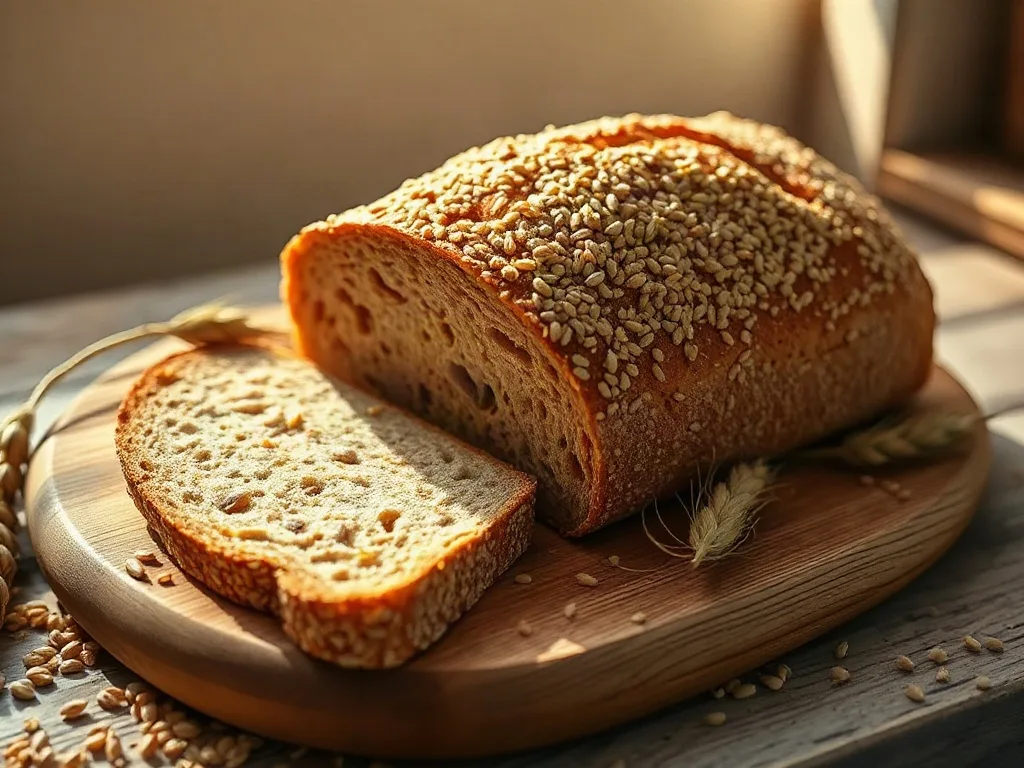
Sprouted grain bread has a distinct character. The flavor is often described as slightly sweet, nutty, and earthy—more complex than standard whole wheat. The texture can be denser and moister, with a hearty, substantial crumb. It’s less “fluffy” than white bread.
This unique profile makes it versatile:
- Toast: It toasts exceptionally well, developing a robust, crisp exterior while staying tender inside. It’s fantastic with avocado, nut butter, or eggs.
- Sandwiches: Its density holds up to hearty fillings like roasted vegetables, hummus, and turkey without becoming soggy.
- French Toast or Bread Pudding: Its inherent sweetness and moisture work beautifully in these dishes.
- Breadcrumbs/Croutons: Stale sprouted bread makes wonderfully flavorful breadcrumbs or croutons for salads and soups.
Because it lacks many preservatives, it molds faster than commercial bread. Store it in the refrigerator for up to a week or freeze it for several months, toasting slices directly from the freezer.
Potential Drawbacks and Considerations
Despite its benefits, sprouted grain bread isn’t perfect for every situation.
- Cost: It is significantly more expensive than mass-produced white or whole wheat bread, often two to three times the price. This can be a barrier for regular consumption.
- Availability: You won’t always find it at a standard convenience store; it’s more common in health food stores, larger supermarkets, or online.
- Not Gluten-Free: Most sprouted grain bread is made from gluten-containing grains. Individuals with celiac disease or a wheat allergy must avoid it. (Gluten-free sprouted options made from rice, quinoa, or sorghum do exist but are less common.)
- Taste Preference: Some people, especially children used to soft white bread, may find the dense texture and strong flavor unappealing.
- Calorie Density: While nutritious, it is calorie-dense. Mindful portion control is still important, especially if weight management is a goal.
The Bottom Line: Is It Worth It?
So, is sprouted grain bread actually healthier? Based on the biochemical changes during sprouting and the resulting nutritional profile, the evidence points to yes, it offers distinct health advantages over conventional refined white bread and potentially over some standard whole wheat breads. Its benefits—particularly for blood sugar control, mineral absorption, and digestibility—are meaningful, especially for the populations mentioned.
However, the core principle remains: the healthiest diet is built on whole, minimally processed foods. A slice of sprouted grain bread is a superior vehicle for your avocado or almond butter compared to white bread. But it doesn’t replace the foundational nutrients found in vegetables, fruits, legumes, and lean proteins.
If your budget allows and you enjoy the taste, making the switch to a verified, high-quality sprouted grain bread is a positive step toward a more nutrient-dense diet. If the cost is prohibitive, a well-chosen 100% whole grain bread with a short ingredient list is still an excellent, healthy choice. The key is to become an informed consumer, read labels carefully, and choose the best option that fits your health needs, taste buds, and lifestyle.
The Biochemistry of Sprouting: Enzymatic Activation in Detail
To truly appreciate how sprouted grain bread differs, we need to examine the precise enzymatic cascade triggered during germination. When a dry grain kernel absorbs water, it activates hydrolytic enzymes that break down complex storage molecules. Alpha-amylase begins converting starch into maltose and dextrins, while protease enzymes like papain and bromelain analogs break down gluten proteins into smaller polypeptides and free amino acids. Lipase activity increases, making fatty acids more accessible. The phytase enzyme, whose activity can increase up to 4-fold during sprouting, specifically targets the phosphate groups in phytic acid. This enzymatic “predigestion” doesn’t just happen uniformly—it follows a specific timeline. Optimal sprouting occurs within 24-72 hours, when enzyme activity peaks but before the seedling consumes too many nutrients for growth. Commercial producers monitor this window carefully, as sprouting for too long can actually reduce nutritional density as the plant uses reserves. The temperature range of 15-25°C (59-77°F) maintains this enzymatic activity without promoting bacterial growth. This biochemical transformation explains why sprouted grain flour behaves differently in baking—with reduced gluten strength and different water absorption properties—and why its nutritional profile diverges from regular whole grain flour.
Nutritional Variability: How Processing Methods Create Different Products
Not all sprouted grain breads deliver equal benefits because processing methods dramatically affect the final product. The most significant variable is what happens after sprouting. Some manufacturers use a low-temperature dehydration process (below 46°C/115°F) that preserves the active enzymes and heat-sensitive nutrients like vitamin C and some B vitamins. Others use higher-temperature drying or kilning, which deactivates enzymes but may extend shelf life. The milling process also matters: stone milling generates less heat than steel roller milling, better preserving nutritional integrity. Another key distinction is whether manufacturers use the entire sprouted grain mash directly in dough (the “flourless” method) or dry and mill it into flour first. The mash method retains more moisture and potentially more nutrients but creates a denser, more perishable loaf. The flour method offers more consistent baking results but may involve heat damage during drying. Additionally, some brands combine sprouted grains with non-sprouted flours to improve texture or reduce costs—these hybrid products offer only partial benefits. When comparing nutrition labels, look beyond just “sprouted” claims and consider the actual percentages: a bread containing 70% sprouted wheat flour and 30% refined wheat flour will have significantly different nutritional impact than 100% sprouted grain bread.
The Fiber Advantage: Soluble vs. Insoluble and Gut Health Implications
While the existing article mentions higher fiber content, sprouted grain bread’s particular fiber profile warrants deeper exploration. The sprouting process modifies the grain’s cell wall structure, increasing soluble fiber content relative to unsprouted grains. Soluble fibers like beta-glucans (particularly in sprouted barley and oats) and arabinoxylans form gel-like substances in the gut that slow digestion, contributing to the lower glycemic response. These soluble fibers also serve as prebiotics—selectively feeding beneficial Bifidobacteria and Lactobacillus species in the colon. The increased butyrate production from this fermentation has demonstrated anti-inflammatory effects on colonic cells. Meanwhile, the insoluble fiber from the bran remains intact, providing bulk that promotes regular bowel movements. What makes sprouted grain bread unique is the synergistic effect: the reduction in phytic acid means minerals like magnesium and zinc are more available to support the enzymes needed for proper fiber metabolism. For individuals with irritable bowel syndrome (IBS), this modified fiber matrix may be better tolerated than the coarse bran in some whole wheat breads, though those with severe IBS might still need to monitor portions due to remaining FODMAPs (fermentable oligosaccharides) that aren’t completely broken down during sprouting.
The Protein Quality Transformation: From Storage Proteins to Bioavailable Building Blocks
The protein story in sprouted grains extends beyond just digestibility. Cereal grains contain storage proteins (like gliadin and glutenin in wheat) that are relatively poor in essential amino acids, particularly lysine. During sprouting, protease enzymes break these large proteins into smaller peptides and free amino acids while simultaneously increasing the lysine content through de novo synthesis. Studies show lysine levels can increase by 30-50% during optimal sprouting, significantly improving the protein’s biological value. This matters because lysine is the limiting amino acid in most grain-based diets. Additionally, the partial breakdown of gluten proteins may reduce their antigenic potential—some research suggests sprouted wheat may have lower levels of epitopes that trigger immune responses in non-celiac gluten sensitivity. However, it’s crucial to understand that sprouting doesn’t eliminate gluten entirely; it merely breaks some of the long gluten chains into shorter fragments. For athletes and physically active individuals, this enhanced protein quality combined with improved mineral bioavailability creates a superior recovery food compared to conventional bread, providing more usable protein-building blocks and the magnesium necessary for muscle function.
Antioxidant Enhancement: Beyond Basic Nutrient Claims
The antioxidant benefits of sprouted grain bread deserve particular attention because they’re not merely about increased quantities but transformed qualities. During germination, the seed activates defense compounds against environmental stressors. Phenolic acids like ferulic, caffeic, and p-coumaric acids increase significantly—in some grains by 200-300% compared to unsprouted versions. More importantly, these compounds transition from bound forms (attached to cell walls) to free forms that are more readily absorbed in the human digestive tract. Sprouting also induces the synthesis of gamma-aminobutyric acid (GABA), a neurotransmitter-like compound with demonstrated anti-hypertensive effects. The ORAC (Oxygen Radical Absorbance Capacity) values of sprouted grains often exceed those of blueberries on a per-gram basis. What makes this nutritionally relevant is how these antioxidants work together: the increased vitamin C from sprouting helps regenerate vitamin E, while the various phenolics protect cellular membranes from lipid peroxidation. For individuals with metabolic syndrome or chronic low-grade inflammation, this antioxidant synergy may provide meaningful protection beyond what standard whole grain bread offers, though it shouldn’t replace antioxidant-rich fruits and vegetables in the diet.
Practical Storage and Food Safety Considerations
The perishability of authentic sprouted grain bread presents unique storage challenges that affect both nutrition and safety. Because proper sprouted bread lacks chemical preservatives like calcium propionate, its moisture content (typically 38-42%, versus 35% for conventional bread) creates an ideal environment for mold growth, particularly Aspergillus and Penicillium species. Refrigeration at 4°C (39°F) slows mold growth but accelerates starch retrogradation, making the bread stale faster through recrystallization of amylose molecules. Freezing at -18°C (0°F) is actually optimal: it preserves the bread’s texture and nutrients for 3-4 months while preventing microbial growth. When freezing, slice the loaf first and place parchment paper between slices to prevent ice crystal formation that damages cell structure. For daily use, keep only 2-3 days’ worth in a bread box at cool room temperature (below 21°C/70°F) in its original paper bag—not plastic, which traps moisture and promotes mold. If you notice any visible mold, discard the entire loaf (not just the affected slice) as mycotoxins can spread through invisible hyphae. Some brands use natural mold inhibitors like cultured wheat flour or vinegar, which extend shelf life by 2-3 days without synthetic additives. Understanding these storage dynamics ensures you get both the safety and nutritional benefits you’re paying for.
Culinary Adaptations: Working with Sprouted Grain Flour’s Unique Properties
For home bakers or those transitioning to sprouted grain products, understanding how sprouted flour behaves differently in recipes is essential for success. The enzymatic activity during sprouting reduces the gluten network’s strength, meaning doughs made with 100% sprouted flour won’t develop the same elastic structure as conventional wheat dough. They’re more similar to low-gluten or whole grain doughs—stickier and less able to trap gas bubbles during rising. To compensate, many recipes combine sprouted flour with a small percentage of vital wheat gluten (15-20g per 500g flour) or use extended fermentation times (12-24 hour cold proof) to develop flavor and structure naturally. The flour also absorbs more liquid (approximately 10-15% more by weight) due to damaged starch granules and increased fiber content, so recipes need adjustment. When substituting sprouted flour in conventional recipes, start with a 1:1 ratio but increase hydration and consider adding an extra egg or tablespoon of oil for tenderness. For yeast breads, reduce proofing time by 20% since enzymes continue working at room temperature, potentially over-fermenting the dough. These technical adjustments make the difference between a dense, gummy loaf and one with the characteristic hearty but pleasant texture of well-made sprouted grain bread.
Frequently Asked Questions (FAQ)
Q1: Can I eat sprouted grain bread if I have celiac disease or a gluten intolerance?
A: No, you must avoid traditional sprouted grain breads made from wheat, barley, or rye. These grains contain gluten even after sprouting. However, you can seek out specialty brands that make sprouted bread from inherently gluten-free grains like brown rice, millet, quinoa, or sorghum. Always check for a certified gluten-free label to ensure there’s no cross-contamination.
Q2: Is it okay to eat sprouted grain bread every day?
A: Yes, it can be part of a daily diet, provided it fits within your overall nutritional needs and calorie goals. Its high fiber and nutrient content make it a healthy staple. However, dietary variety is important. Consider rotating it with other whole grain sources like oats, quinoa, or brown rice to ensure a broad spectrum of nutrients.
Q3: Does sprouting eliminate all phytic acid?
A: No, sprouting significantly reduces phytic acid but does not eliminate it completely. The reduction rate typically ranges from 30% to 70%, depending on the grain and sprouting conditions. Other traditional preparation methods, like sourdough fermentation, can further reduce phytic acid levels.
Q4: Why is some sprouted grain bread kept in the freezer aisle?
A: Because true sprouted grain bread lacks the preservatives found in commercial bread, it has a shorter shelf life at room temperature. Refrigerating or freezing it immediately after baking is the best way to maintain its freshness and prevent mold growth without using chemical preservatives. This is a sign of a more natural product.
Q5: Can I make sprouted grain bread at home?
A: Absolutely, though it requires more time and planning. The process involves soaking whole grain berries (kernels) for 8-12 hours, rinsing and draining them for 1-3 days until tiny sprouts appear, then drying the sprouts (using a dehydrator or very low oven), grinding them into flour, and finally baking. Many home bakers find it rewarding, and it allows complete control over ingredients. Simplified kits and pre-sprouted flours are also available to make the process easier.