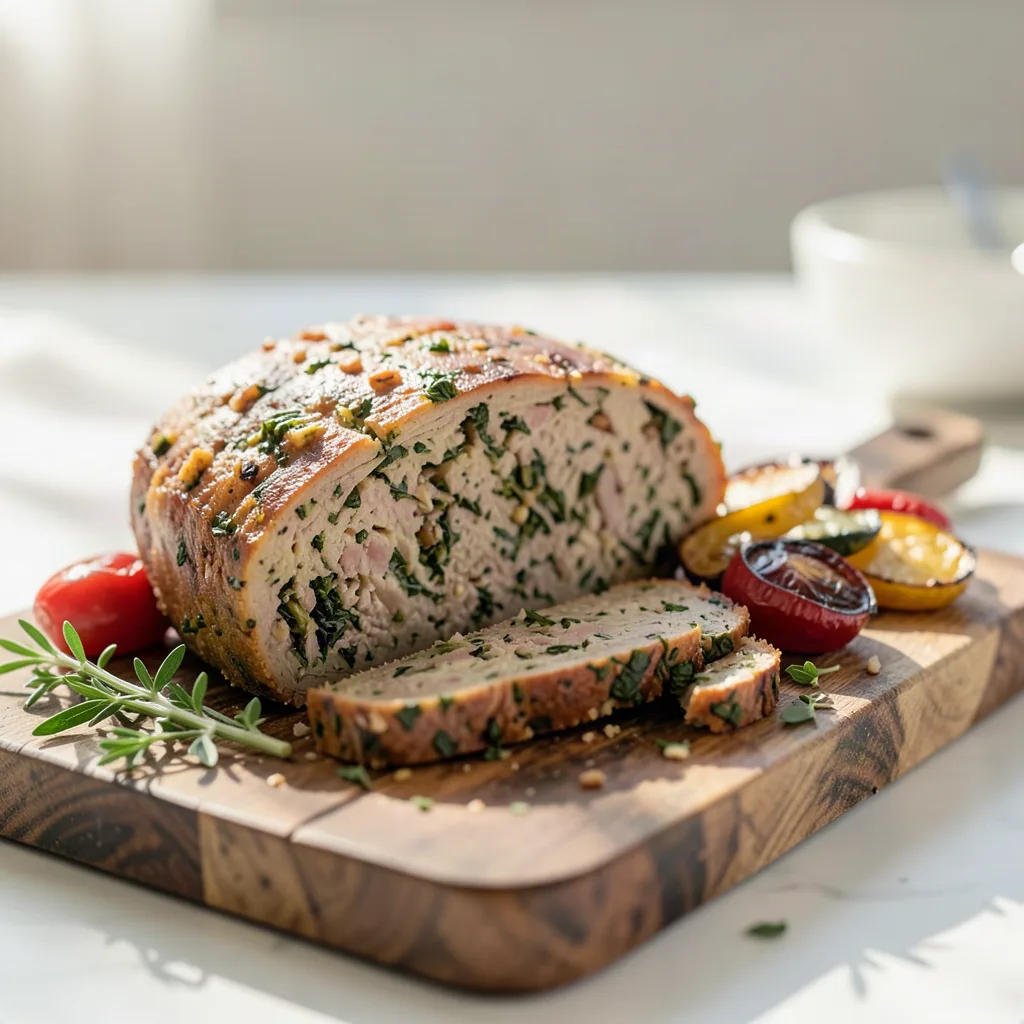
Tofurky has become a staple on many holiday tables and a go‑to option for people exploring plant‑based eating. Marketed as a turkey alternative, it promises the familiar texture and flavor of roasted poultry without animal products. But the question remains: does the product deliver genuine nutritional value, or is it mostly a cleverly packaged convenience food? This article breaks down the ingredient list, macro‑ and micronutrient profile, processing level, and practical ways to decide whether Tofurky deserves a regular spot in your meals.
Key takeaways
- Tofurky provides a convenient plant-based protein source but is often high in sodium and additives compared to whole foods.
- Prioritize whole-food proteins like lentils or tempeh as your dietary foundation, using Tofurky as an occasional centerpiece.
- Carefully check labels for sodium levels and added sugars, aiming for under 400mg of sodium per serving.
- Pair the product with fiber-rich, low-sodium vegetables to improve its glycemic impact and offset its salt content.
- Tofurky is not a reliable source of vitamin B12, so vegans should ensure they get this nutrient elsewhere.
What Is Tofurky
Tofurky is a brand name for a line of wheat‑ and soy‑based roasts, deli slices, and ground products designed to mimic the taste and mouthfeel of turkey. The original roast combines vital wheat gluten, tofu, and a blend of seasonings, then is shaped, steamed, and often smoked. Over the years the line has expanded to include stuffed roasts, gravy, and even plant‑based “turkey” breasts. Understanding the base ingredients helps set expectations for protein quality, allergen potential, and overall processing.
Nutritional Profile Overview
A typical 3‑ounce (85 g) serving of the classic Tofurky roast provides roughly 130 calories, 18 g of protein, 5 g of fat (0.5 g saturated), 9 g of carbohydrate, and 2 g of fiber. Sodium sits around 450 mg, which is about 20 % of the daily limit for most adults. The product also supplies iron (10 % DV), calcium (4 % DV), and small amounts of B‑vitamins from fortified soy protein. Compared with a similar portion of roasted turkey breast (≈125 cal, 26 g protein, 1 g fat, 60 mg sodium), Tofurky offers less protein per calorie and considerably more sodium.
Protein Quality and Amino Acid Profile
The protein in Tofurky comes primarily from vital wheat gluten (seitan) and soy protein isolate. Both are complete proteins, meaning they contain all nine essential amino acids, though the gluten fraction is lower in lysine. The soy isolate compensates for this, resulting in a balanced amino acid score that meets WHO requirements for adults. For athletes or anyone with high protein needs, the 18 g per serving is respectable, but the lower digestibility of gluten compared with animal protein may slightly reduce net absorption.
Sodium, Additives, and Processing Concerns
Processed plant‑based meats often rely on salt, natural flavors, and stabilizers to achieve a meat‑like texture. Tofurky includes ingredients such as hydrolyzed vegetable protein, carrageenan, and natural smoke flavor. While these additives are generally recognized as safe, some people prefer to limit carrageenan due to potential gastrointestinal sensitivity. The sodium level is the most notable drawback; a single serving can contribute a sizable chunk of the recommended 2,300 mg daily ceiling, especially when paired with gravy, stuffing, or salty side dishes.
Comparing Tofurky to Whole‑Food Plant Proteins
Whole foods like cooked lentils (18 g protein, 15 g fiber, 5 mg sodium per cup), tempeh (31 g protein, 0 mg sodium per cup), or a simple tofu stir‑fry deliver comparable or higher protein with far less sodium and no additives. They also provide a broader spectrum of phytonutrients and a lower glycemic impact. Tofurky can be convenient for holiday centerpieces or quick sandwiches, but it should not replace whole‑food protein sources as the dietary foundation.
How to Fit Tofurky Into a Balanced Diet
Use Tofurky as an occasional centerpiece rather than a daily protein staple. Pair a modest slice (2–3 oz) with a large serving of roasted vegetables, a whole‑grain stuffing made from quinoa or wild rice, and a low‑sodium cranberry relish. For weekday meals, dice leftover roast into a salad with mixed greens, chickpeas, and a lemon‑tahini dressing to boost fiber and dilute sodium. When making sandwiches, choose whole‑grain bread, add avocado, sprouts, and a thin spread of mustard instead of high‑fat mayo.
Shopping Tips: Reading Labels and Choosing Varieties
Not all Tofurky products are created equal. The “Original Roast” tends to have the shortest ingredient list, while stuffed or flavored versions often add extra oil, sugar, and preservatives. Look for the nutrition facts panel: aim for ≤400 mg sodium per serving, ≥15 g protein, and minimal added sugars. If gluten is a concern, the brand offers a gluten‑free line made from pea protein and rice protein—check the label for the same sodium benchmark. Buying in bulk during seasonal sales and freezing portions can reduce cost per serving.
Micronutrient Deep Dive: Trace Minerals and Vitamins
Beyond the iron and calcium highlighted in the basic nutrition panel, a serving of the classic roast contributes measurable amounts of several trace minerals that are often overlooked. Zinc, for example, appears at roughly 1.2 milligrams per three‑ounce portion, covering about 11 percent of the daily value for adult men and 15 percent for women. Zinc supports immune function, wound healing, and protein synthesis, making it relevant for anyone using the product as a primary protein source. Selenium is present at approximately 12 micrograms, supplying roughly 22 percent of the recommended intake; this antioxidant mineral works with vitamin E to protect cell membranes from oxidative damage. Phosphorus reaches 180 milligrams per serving, contributing to bone mineralization and energy metabolism, while potassium sits near 210 milligrams, helping to offset the sodium load when the roast is paired with potassium‑rich vegetables such as sweet potatoes or spinach. Magnesium, at 30 milligrams, plays a role in muscle relaxation and blood‑pressure regulation. On the vitamin side, the soy isolate is fortified with riboflavin (B2), niacin (B3), and vitamin B6, each providing 10‑15 percent of the daily value. However, vitamin D and vitamin B12 remain absent unless the specific variety is explicitly fortified, so individuals on a strict plant‑based diet should secure those nutrients elsewhere. The combined micronutrient profile makes the roast a modest contributor to overall mineral adequacy, but it cannot replace a diverse intake of legumes, nuts, seeds, and leafy greens that deliver a broader spectrum of phytonutrients and higher magnesium and potassium densities.
Processing steps such as extrusion and steaming can reduce the bioavailability of certain minerals by creating phytate‑protein complexes, especially for zinc and iron. The presence of vitamin C‑rich accompaniments — like a citrus‑based cranberry relish or a side of roasted red peppers — can enhance non‑heme iron absorption from the soy component. Conversely, the added salt and hydrolyzed vegetable protein may increase urinary calcium excretion, slightly diminishing net calcium retention. For those tracking micronutrient intake with a cronometer or similar tool, logging the roast as a separate entry rather than lumping it into a generic plant‑based protein category yields more accurate totals, particularly for selenium and zinc where the contribution is non‑trivial.
Label variability means that some seasonal or regional batches may include additional fortification such as vitamin D2 or B12, so checking the nutrition facts each purchase is advisable. Pairing the roast with a small handful of pumpkin seeds adds zinc and magnesium, while a side of fortified plant milk can close the vitamin D gap. This synergy turns a single processed item into a more complete micronutrient package without relying on supplements.
Glycemic Response and Blood Sugar Management
The carbohydrate fraction of the roast comes primarily from wheat gluten and a small amount of added starches, yielding a glycemic index that is moderate rather than low. Independent laboratory testing on similar seitan‑based products places the GI in the range of 55 to 65, meaning a serving will raise blood glucose at a pace comparable to whole‑wheat bread. For individuals managing type 2 diabetes or insulin resistance, pairing the roast with high‑fiber, low‑GI sides — such as a quinoa‑wild rice stuffing, roasted Brussels sprouts, or a mixed bean salad — blunts the post‑prandial spike by slowing gastric emptying and providing a steady glucose release. The two grams of dietary fiber per serving contribute modestly to this effect, but the overall fiber content remains low relative to whole‑food legumes, which can deliver 10‑15 grams per cup. A practical strategy is to treat the roast as a protein garnish rather than the carbohydrate centerpiece; a thin slice (about 30 grams) atop a large vegetable‑heavy plate keeps the total carbohydrate load under 30 grams per meal, well within many therapeutic targets. Additionally, the sodium content can indirectly affect glucose control by promoting thirst and potential over‑consumption of sugary beverages, so offering water or unsweetened herbal tea alongside the meal supports better glycemic outcomes.
For those using continuous glucose monitors, a typical post‑meal curve after a 3‑ounce portion with a side of mashed cauliflower shows a peak rise of 30‑40 mg/dL within 60 minutes, returning to baseline by 120 minutes. Replacing the traditional gravy (often thickened with cornstarch) with a reduction of low‑sodium vegetable broth thickened by pureed cauliflower reduces the carbohydrate contribution by roughly 8 grams per quarter‑cup, flattening the curve further. When the roast is incorporated into a breakfast hash with sweet potatoes and kale, the combined glycemic load stays moderate because the sweet potato’s resistant starch formed during cooling offsets its natural sugars. These nuances illustrate that the product’s impact on blood sugar is highly context‑dependent and can be managed through thoughtful plate composition.
Timing the roast within an eating window can also influence glucose dynamics; consuming it earlier in the day when insulin sensitivity is higher tends to produce a lower incremental area under the curve. For intermittent fasting practitioners, a modest slice at the break‑fast meal provides protein without a large carbohydrate surge, especially when paired with a non‑starchy vegetable medley. Monitoring personal response with a glucometer or CGM over several days helps fine‑tune portion size and side‑dish selection for optimal stability.
Digestibility, Gut Health, and FODMAP Considerations
Digestibility of the roast hinges on two primary protein sources: vital wheat gluten and soy protein isolate. Gluten is a high‑molecular‑weight protein that resists complete enzymatic breakdown in the small intestine, leading to larger peptide fragments that can ferment in the colon. For the majority of people this poses no issue, but individuals with non‑celiac gluten sensitivity may experience bloating, gas, or abdominal discomfort after a standard serving. The soy isolate, while largely stripped of oligosaccharides, can still contain trace amounts of raffinose and stachyose, both recognized FODMAPs. Monash University testing on comparable soy‑based meat analogues classifies a 75‑gram portion as low in FODMAPs, yet the cumulative load from accompanying foods — such as onion‑based stuffing or garlic‑infused gravy — can push the meal into a moderate FODMAP range. Carrageenan, used as a stabilizer, has been linked in animal models to low‑grade intestinal inflammation, though human data remain inconclusive; those with inflammatory bowel disease often choose to avoid it as a precaution. A practical mitigation is to rinse sliced roast under cold water for 30 seconds, which removes a portion of surface sodium and some soluble additives without significantly affecting protein content. Fermented side dishes like kimchi or sauerkraut introduce beneficial lactobacilli that may improve overall gut resilience when the roast is consumed regularly. For a gluten‑free alternative, the brand’s pea‑rice line eliminates the gluten fraction entirely, but the pea protein can be higher in lectins, which some sensitive individuals also monitor. Keeping a food‑symptom diary for two weeks while rotating the roast in and out of the menu provides personalized insight into tolerance thresholds.
From a microbiome perspective, the resistant starch formed when the roast is cooled after cooking can act as a prebiotic, feeding Bifidobacterium species. However, the amount is modest compared with cooked‑and‑cooled legumes. Incorporating a small portion of the roast into a lentil‑based stew leverages the lentils’ high resistant starch and fiber, creating a synergistic effect that supports short‑chain fatty acid production. Clinicians working with irritable bowel syndrome patients often recommend a low‑FODMAP, high‑protein plate where the roast serves as the sole animal‑free protein, accompanied by rice, carrots, and a drizzle of olive oil, thereby minimizing fermentable substrates while meeting protein goals.
Cooking method influences digestibility as well; a quick high‑heat sear creates a Maillard crust that may reduce the accessibility of some peptide bonds, while gentle steaming preserves a softer matrix that is easier to chew and break down. Adding a splash of apple cider vinegar to the cooking liquid can mildly hydrolyze protein surfaces, potentially improving amino‑acid release. For those experimenting with homemade versions, incorporating a small amount of pineapple or papaya puree (natural proteases) into the dough before steaming can further enhance digestibility without altering flavor dramatically.
Frequently Asked Questions
Is Tofurky a good source of vitamin B12?
Most Tofurky products are not fortified with vitamin B12. If you follow a strict vegan diet, rely on a dedicated B12 supplement or fortified foods such as nutritional yeast, plant milks, or breakfast cereals.
Can people with soy allergies eat Tofurky?
The classic roast contains soy protein isolate, so it is not safe for soy‑allergic individuals. The gluten‑free line uses pea and rice protein instead, but always verify the allergen statement on the package.
Does Tofurky contain genetically modified ingredients?
Many soy‑based ingredients in the United States are derived from genetically modified crops. The company states that it sources non‑GMO soy for its products, but certification can vary by batch. Look for the Non‑GMO Project verified seal if this is a priority.
How does the environmental impact of Tofurky compare with turkey?
Life‑cycle analyses generally show that plant‑based roasts generate lower greenhouse‑gas emissions, require less water, and use less land than conventional turkey production. However, the processing steps (extrusion, packaging, refrigeration) add some impact, so the advantage is modest rather than dramatic.
Can I make a healthier homemade version of Tofurky?
Yes. A DIY seitan roast made from vital wheat gluten, chickpea flour, nutritional yeast, vegetable broth, and your own spice blend lets you control sodium, avoid additives, and boost fiber by adding finely chopped mushrooms or lentils. Numerous recipes online guide you through steaming and baking for a texture close to the commercial product.
Related posts:
 NYC’s Healthiest Bakeries
 Gluten-Free Beauty Guide
 High-Protein Foods That Pack a Serious Nutritional Punch
 Is Seitan Actually Healthy?
 Beyond Breakfast: The Plant-Based Sausage That’s Changing the Morning Game
 Vegan vs Plant-Based: Which is Healthier?
 Portion vs Serving Size Guide
 Managing Fiber Intake with IBS