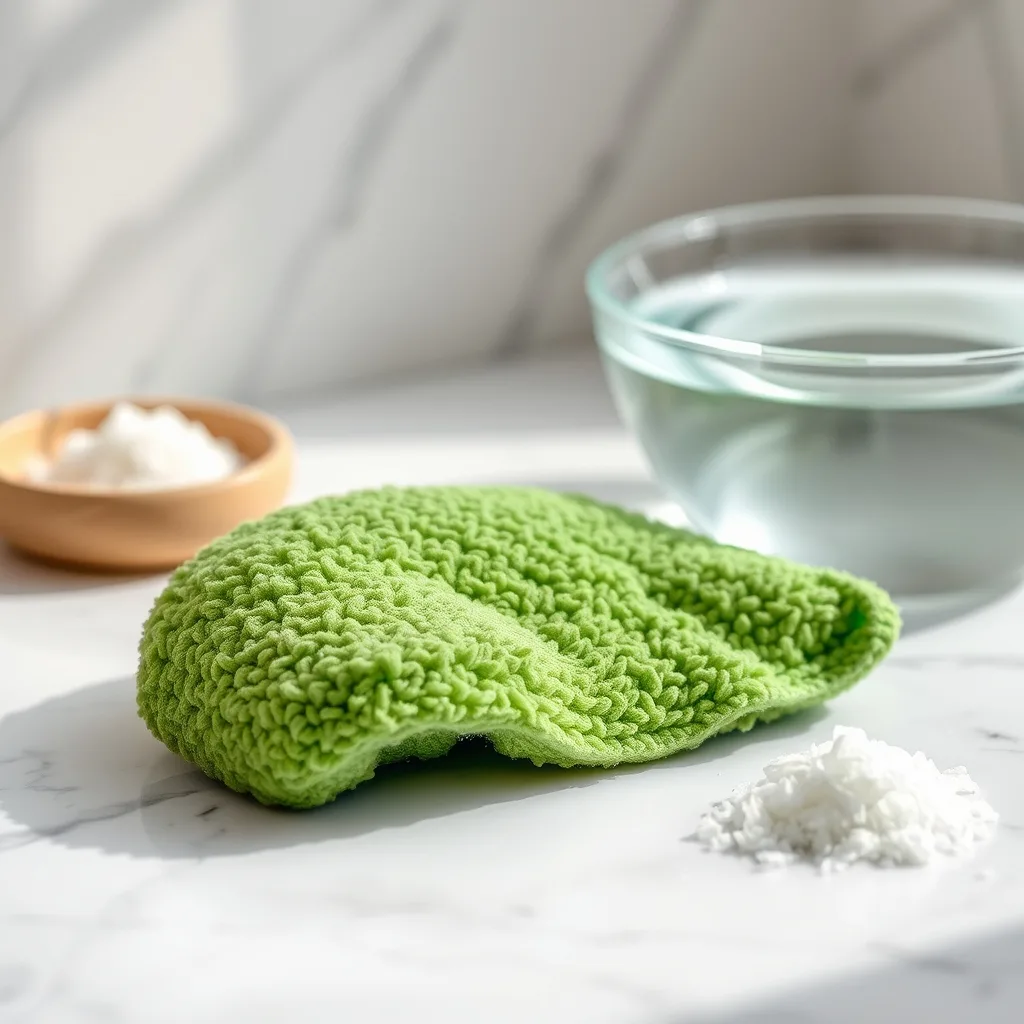
In the world of K-Beauty, where double-cleansing and multi-step routines often dominate the conversation, one humble tool has remained a staple in Korean bathhouses for decades: the Italy towel. Despite its name, this coarse, abrasive viscose mitt has nothing to do with Italy; it is a quintessential Korean exfoliating tool designed to provide a deep-tissue physical scrub. Understanding how to use it safely and effectively can transform your skin texture and elevate your at-home spa experience.
Key takeaways
- Soften skin with 15-20 minutes of steam before scrubbing to prevent irritation and micro-tears.
- Never apply soap or oil before scrubbing, as a slippery surface prevents the towel from gripping dead skin.
- Replace your mitt every 3-4 weeks and sanitize it regularly to prevent bacterial growth and mildew.
- Avoid sensitive areas, broken skin, or daily use to protect your moisture barrier and prevent inflammation.
What Is an Italy Towel and How Does It Work?
The Italy towel, or “Itaeri ta-ol,” is a small, rectangular mitt made from rough, textured viscose rayon. It earned its misleading name because the fabric was originally imported from Italy in the 1960s to create these scrubbing cloths. Unlike chemical exfoliants like AHAs or BHAs that dissolve the glue holding dead skin cells together, the Italy towel relies on mechanical exfoliation. When your skin is properly softened by steam or warm water, the friction from the coarse fibers lifts away layers of accumulated dead skin, dirt, and sebum, revealing smoother skin underneath.
The Importance of Proper Steam Preparation
The most common mistake beginners make is using an Italy towel on dry or barely damp skin. This is a recipe for irritation and micro-tears. To use it correctly, you must first “soften” the skin. In a Korean bathhouse, this involves sitting in a hot tub or steam room for 15 to 20 minutes. At home, you can achieve this by taking a long, warm shower or bath. Your skin should feel slightly pruned or very soft to the touch. Do not apply soap, body wash, or body oil before scrubbing, as these products can create a slippery film that prevents the towel from gripping the dead skin cells effectively.
Step-by-Step Guide to Using Your Italy Towel
Once your skin is prepped, slide the mitt onto your hand and begin with gentle, circular motions on your limbs. You will likely notice small, gray-ish rolls of skin beginning to form—this is a mix of dead skin cells and debris. Start with your arms and legs, moving toward your torso. Avoid delicate areas like the face, neck, or any skin that is broken, sunburned, or sensitive. Apply moderate pressure, but do not scrub until the skin turns bright red. The goal is gentle removal, not aggressive abrasion. Once you have finished scrubbing your body, rinse thoroughly with warm water to wash away the debris.
Choosing the Right Texture and Color
Italy towels come in various colors, and in many Korean bathhouses, these colors correspond to the level of coarseness. While brands may vary, the general rule of thumb is that green is typically the standard, “medium” strength. Yellow is often softer, designed for more sensitive skin, while pink or blue might be on the coarser end of the spectrum. If you are new to physical exfoliation, start with the softest version available. Over time, as your skin builds tolerance, you may feel comfortable moving to a medium-grit towel, but there is rarely a need to use the harshest version for regular maintenance.
The Role of Physical Exfoliation in Your Routine
Physical exfoliation serves a different purpose than chemical exfoliation. While chemical exfoliants are excellent for long-term cell turnover and acne prevention, the Italy towel provides immediate, tactile gratification. It is particularly effective for those dealing with keratosis pilaris (the “chicken skin” bumps on the back of the arms) or for preparing the skin for a self-tanner. By removing the top layer of dead cells, you ensure a smoother surface for products to adhere to, which can help your body lotions and oils absorb more deeply into the skin.
Post-Exfoliation Care and Hydration
After you have exfoliated with an Italy towel, your skin will be highly receptive to hydration but also slightly vulnerable. Your top priority should be replenishing the moisture barrier. Immediately after patting your skin dry, apply a rich body lotion, body butter, or a nourishing body oil. Look for ingredients like ceramides, shea butter, or hyaluronic acid to soothe the skin and lock in moisture. Because you have just removed a significant amount of dead skin, your skin may feel more sensitive to fragrances or active ingredients for the next 24 hours, so opting for fragrance-free, gentle products is a wise choice.
Common Mistakes to Avoid
The most significant danger of the Italy towel is over-exfoliation. It is not meant to be used every day. Using it more than once a week can strip your skin of its natural oils, leading to dryness, inflammation, and a compromised moisture barrier. Furthermore, never share your Italy towel with others, as it can harbor bacteria. After each use, rinse the mitt thoroughly with hot water, squeeze out the excess, and hang it in a well-ventilated area to dry completely. Replace your mitt every 3 to 4 weeks, as the fabric fibers lose their effectiveness and the mitt can become a breeding ground for mildew if kept in a damp bathroom environment.
When to Skip the Scrub
There are specific times when you should leave the Italy towel in the drawer. If you have any active skin conditions such as eczema, psoriasis, or open wounds, avoid using the mitt entirely, as it will exacerbate the issue and potentially lead to infection. Similarly, if you are currently using strong prescription retinoids or high-strength acids on your body, wait until your skin has adjusted before introducing physical scrubbing. If you notice persistent redness, burning, or itching after use, stop immediately and focus on repairing your skin barrier with gentle, fragrance-free moisturizers.
Targeting Keratosis Pilaris and Ingrown Hairs
For those struggling with follicular issues like keratosis pilaris (KP)—often referred to as strawberry legs or chicken skin—the Italy towel functions as a surgical-grade maintenance tool. Unlike standard loofahs that merely lather, the viscose weave creates a precise friction coefficient necessary to clear the keratin plugs blocking hair follicles. When addressing these areas, work in short, horizontal strokes rather than wide circles. If you suffer from frequent ingrown hairs due to shaving, using the towel 24 hours before your shave helps lift the hair follicle tip from beneath the dead skin layer, ensuring a cleaner cut and reducing post-shave bumps. Avoid using the towel immediately after shaving, as this will introduce irritation to the freshly exposed dermal layer; instead, integrate it into your routine as a pre-shave preparation step.
The Anatomy of the Viscose Weave and Longevity
Not all Italy towels are created equal, and understanding the weave is key to long-term skin health. The fabric is a high-density viscose rayon that shrinks significantly upon its first contact with water. This shrinkage is intentional, as it tightens the weave and increases the “grit” of the surface. Because of this, never attempt to stretch the towel out while it is drying, as this compromises the structural integrity of the fibers. You will notice that as the towel ages, the fibers begin to fray or lose their stiffness. Once the mitt feels soft or “satin-like” to the touch, its exfoliating capability has been exhausted, and it should be discarded. Continuing to use a worn-out towel often leads to users applying excessive pressure to compensate for the lack of grit, which is a leading cause of accidental skin abrasion.
Strategic Zoning for Different Skin Densities
Your body possesses varying skin thicknesses that require a nuanced approach to scrubbing. The skin on your back, glutes, and the soles of your feet is significantly more robust than the skin on your inner thighs or decolletage. You should adjust your pressure accordingly, utilizing a ‘gradient pressure’ technique: apply firm, steady strokes on the back and feet, but transition to a light ‘gliding’ motion when moving toward the chest or the inner arm areas. For the back, consider using a long-handled silicone mitt frame or a towel-on-a-stick adapter, as contorting your body to reach these areas can cause muscle strain and uneven pressure application, leading to patchy exfoliation results.
Sanitization Protocols for the At-Home Spa
Because Italy towels are porous, they can easily become a reservoir for staphylococcus bacteria if not managed with clinical rigor. Rinsing with water is insufficient to kill bacteria trapped within the viscose fibers. Every third use, soak your towel in a diluted solution of white vinegar or a gentle, fragrance-free antibacterial wash for ten minutes, then rinse thoroughly. Never store the towel inside a closed shower curtain or in a drawer; it requires direct exposure to sunlight or a high-airflow environment to prevent mildew. If you notice a musty odor, discard the towel immediately, as this indicates fungal growth that can transfer to your skin and cause breakouts or folliculitis.
Integrating Italy Towels with Botanical Oils
While the traditional method forbids the use of soap during the scrubbing phase, many practitioners now incorporate a ‘pre-scrub’ oil massage. Applying a light, non-comedogenic oil like jojoba or sweet almond oil before you enter the steam room can help soften hardened sebum within pores, making the subsequent exfoliation with the Italy towel much smoother. This technique is particularly beneficial for those with dry or mature skin, as it provides a buffer that prevents the viscose from dragging too harshly against the surface. After the scrub, the skin is primed to absorb these oils at a much deeper level. Follow up with a thicker, occlusive balm to seal in the hydration, ensuring that the skin’s moisture barrier remains intact despite the intensity of the exfoliation.
Navigating Seasonal Skin Changes
The efficacy of your Italy towel routine should fluctuate with the seasons. During the winter months, when humidity is low and skin tends to be drier and more brittle, reduce your scrubbing frequency to once every two weeks. The skin barrier is naturally more fragile in cold weather, and over-exfoliation during this time can result in ‘winter itch’ or even eczema flare-ups. Conversely, in the summer, you may find that you need to scrub slightly more often to remove the buildup of sunscreen, sweat, and environmental pollutants that can lead to body acne. Always perform a ‘skin check’—if your skin feels tight or looks shiny/taut after a shower, skip the towel for that week to allow your natural lipid barrier to recover.
Optimizing the “Dermal Grip” for Maximum Efficacy
The success of the Italy towel relies entirely on the coefficient of friction between the viscose fibers and the stratum corneum. If your skin is too wet—resembling a slippery surface—the towel will glide over the dead skin cells without lifting them. If the skin is too dry, the towel will catch, causing micro-abrasions. The ‘sweet spot’ is achieved when the skin has absorbed enough moisture to become supple, but the surface water has been patted away. After your steam, take a dry microfiber towel and lightly pat your body. You want the skin to feel slightly ‘tacky’ or ‘damp’ rather than dripping wet. This subtle adjustment allows the viscose loops to ‘grab’ the debris effectively, resulting in those satisfying rolls of skin without the need for excessive physical force.
The “Perpendicular Pressure” Technique for Stubborn Areas
While circular motions are excellent for general exfoliation, certain areas like the heels, elbows, and knees require a more technical approach. For these thickened areas, switch to a perpendicular, back-and-forth motion rather than circles. By moving the mitt in a straight line, you focus the pressure on the ridges of the skin where keratin buildup is most dense. When working on the heels, use the edge of the mitt to apply concentrated pressure to the calloused perimeter. This mimics the precision of a professional pedicure tool while remaining within the safety parameters of a soft-fabric mitt. Always maintain a consistent rhythm; erratic, jerky movements are more likely to cause friction burns than steady, controlled strokes.
Understanding the “Viscose Fatigue” Lifecycle
A common misconception is that an Italy towel can be used indefinitely as long as it isn’t torn. However, the efficacy of the tool is determined by the crispness of the viscose fibers. As you use the mitt, the fibers become ‘fatigued’—they lose their structural rigidity and become matted down. You can test your towel’s condition by running your finger across the dry fabric; if it feels soft or smooth, it has lost its exfoliating potential. Using a fatigued towel often leads to user error, as you will naturally press harder to get the same results, which risks damaging the skin’s moisture barrier. For best results, rotate between two towels, allowing each to dry completely for 48 hours between sessions, which helps maintain the fiber structure longer.
Addressing the “Post-Scrub” Sensitivity Window
Immediately after using an Italy towel, your skin enters a state of heightened permeability. This is the ideal time to apply active body treatments, such as lactic acid lotions or brightening serums, but only if your skin barrier is healthy. Because the protective layer of dead skin has been removed, these products will penetrate deeper and work more efficiently. However, avoid products containing high concentrations of alcohol, menthol, or synthetic fragrances during this window, as they can trigger contact dermatitis on the freshly exposed, sensitive skin. If you are prone to redness, apply a thin layer of a ceramide-rich cream first to create a protective buffer, then follow with your targeted treatment.
Mitigating the Risk of Post-Inflammatory Hyperpigmentation
For individuals with deeper skin tones, aggressive physical exfoliation carries a specific risk: post-inflammatory hyperpigmentation (PIH). If you scrub too hard, the resulting inflammation can signal the melanocytes to produce excess pigment, leading to dark patches where you intended to have smooth skin. To prevent this, never aim for a ‘squeaky clean’ feeling. If your skin turns pink, you have already gone too far. Focus on light, consistent pressure rather than deep, singular scrubs. If you notice any darkening of the skin after a few weeks of use, pause the routine immediately. It is better to have slight texture than to induce long-term discoloration through over-zealous mechanical exfoliation.
Strategic Integration into Professional Hair Removal Schedules
The Italy towel is a powerful ally in the battle against ingrown hairs, but timing is everything. If you wax or laser your hair, never use the Italy towel within 48 hours of your appointment. The exfoliation process removes the protective layer of the skin, making it significantly more susceptible to burns or lifting during waxing. Instead, use the towel on day three or four post-treatment. This helps the hair follicle emerge cleanly as it begins to grow back, preventing it from curling under the skin. By maintaining a regular, gentle scrubbing schedule in the week leading up to your next hair removal session, you create an optimal environment for the technician to work, often resulting in less pain and fewer missed hairs.
Frequently Asked Questions
Q: How often should I use an Italy towel? A: For most skin types, once every seven to ten days is sufficient. Over-exfoliating can lead to sensitivity and skin damage, so listen to your skin and increase the time between sessions if you notice any tightness or redness.
Q: Can I use an Italy towel on my face? A: It is generally not recommended. The skin on your face is significantly thinner and more delicate than the skin on your body. Physical scrubbing with an Italy towel can cause micro-tears and premature aging on facial skin. Stick to gentle chemical exfoliants for your face.
Q: Why do I see gray rolls of skin? A: Those rolls are a combination of dead skin cells, sebum, and environmental debris. The friction of the viscose fabric lifts these particles from the surface of your skin once they have been softened by steam. It is a normal part of the process.
Q: How do I clean my Italy towel between uses? A: Rinse it thoroughly under hot running water until no suds or debris remain. Wring it out well and hang it to air dry in a place with good airflow. Avoid leaving it in the shower, as the moisture will cause bacteria and mold to grow.
Q: Is an Italy towel eco-friendly? A: Italy towels are typically made from viscose, which is a semi-synthetic fiber derived from wood pulp. While they are not plastic-based, they are not biodegradable in the same way natural cotton or linen might be. To be more sustainable, ensure you use each towel for its full lifespan before disposing of it properly.
Related posts:
 Best Scalp Scrubs Review
 PHA Bodyweight Workout: Efficient Fitness Anywhere, Anytime
 Proper Use of Exfoliating Mitts
 The Body Scrubs That Will Save Your Summer Skin
 Irritation-Free Sweaters for Sensitive Skin
 How Hard Should You Really Scrub Your Face?
 When Good Skincare Goes Bad: The Over-Exfoliation Trap
 The Best Natural Tools for Silky Smooth Skin