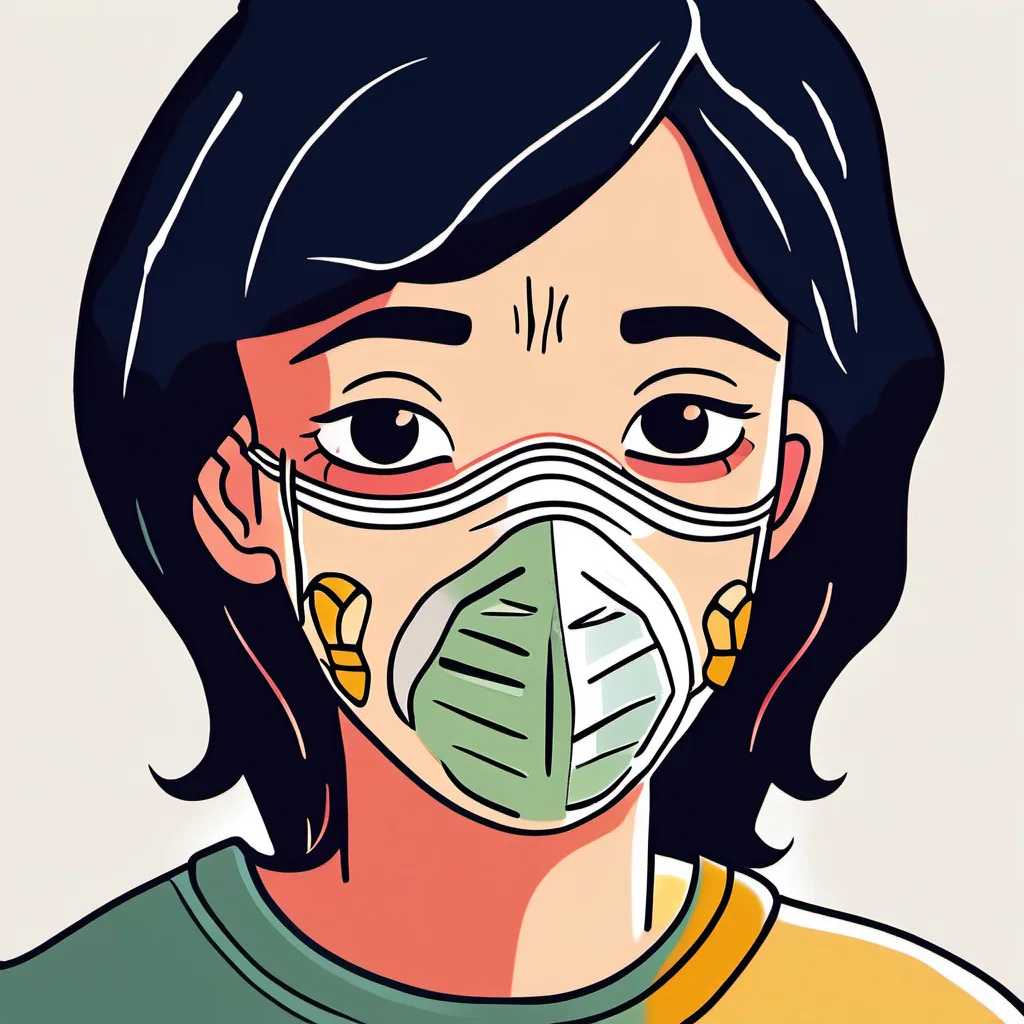
The global pandemic fundamentally altered the landscape of our daily existence, leaving an indelible mark on our collective psyche. While the acute phase of the crisis may have subsided, the emotional echoes remain. If you find yourself grappling with lingering sadness, grief, or a sense of loss related to the pandemic years, it is essential to recognize that your feelings are not only valid but a natural human response to prolonged disruption.
Understanding the Nature of Pandemic Grief
Grief is typically associated with the death of a loved one, but psychologists have long recognized the concept of “disenfranchised grief”—grief that is not acknowledged or validated by society. The pandemic triggered a cascade of losses that were often invisible: the loss of milestones like graduations and weddings, the loss of financial security, the loss of physical touch, and the loss of the sense of safety we once took for granted. When we experience these losses simultaneously, it creates a state of chronic stress that can manifest as persistent sadness. Acknowledging that these losses were significant is the first step toward emotional processing. Your sadness is not a sign of weakness; it is a testament to the magnitude of the changes you have navigated.
The Impact of Chronic Uncertainty on the Brain
During the peak of the pandemic, our nervous systems were trapped in a state of high alert. The constant stream of changing guidelines, health scares, and isolation meant that many of us lived in a state of fight, flight, or freeze. Even as the world “returned to normal,” the brain does not always automatically switch off that survival mode. This can lead to a state of emotional exhaustion or a “pandemic hangover.” You might notice that your capacity for stress is lower than it used to be, or that you feel a lingering sense of apprehension about the future. Understanding that your body is still processing a period of prolonged threat can help you approach your sadness with more self-compassion.
Navigating the Loss of Milestone Moments
Many people missed out on pivotal life events during the pandemic, and the sting of those missed opportunities can surface unexpectedly. Whether it was a missed birthday, a postponed career opportunity, or the inability to visit aging relatives, these gaps in our personal history can feel like stolen time. It is helpful to engage in “grief rituals” to honor these moments. This might involve creating a scrapbook of what you missed, writing a letter to your past self acknowledging the difficulty of that time, or planning a delayed celebration that focuses on the present joy rather than the past absence.
Managing Social Re-entry Anxiety and Sadness
As social expectations returned to pre-pandemic levels, many found themselves feeling a strange sense of sadness or overwhelm. The pressure to “get back out there” can be intense, but it is okay to set boundaries. You do not owe anyone your full capacity immediately. If social events feel draining or trigger feelings of sadness, honor your internal cues. Focus on “low-stakes” socializing—meeting one friend for a coffee rather than attending a large party. Rebuilding your social stamina is a marathon, not a sprint, and it is perfectly acceptable to prioritize your mental energy as you recalibrate your social life.
The Importance of Self-Compassion in Healing
Self-compassion is the antidote to the shame that often accompanies lingering sadness. When we tell ourselves we “should be over it by now,” we add a layer of judgment that only intensifies the pain. Instead, practice radical acceptance. When you feel a wave of sadness, try saying to yourself, “This is a difficult moment. It makes sense that I feel this way because I went through a very challenging time.” By treating yourself with the same kindness you would offer a dear friend, you create the emotional safety required to process these complex feelings rather than suppressing them.
Finding Meaning in the Aftermath
Post-traumatic growth is a psychological concept that suggests individuals can experience positive change as a result of struggling with highly challenging life circumstances. This does not mean that the pandemic was a “good thing,” but rather that we can find new perspectives through the reflection that follows. Many people have used this time to re-evaluate their values, prioritize their health, or strengthen their closest relationships. Reflecting on what you have learned about your own resilience can be a powerful way to transition from a place of sadness to a place of empowerment.
When to Seek Professional Support
While sadness is a normal reaction to abnormal circumstances, it is important to recognize when that sadness begins to interfere with your ability to function. If you find that your feelings of hopelessness, changes in sleep or appetite, or loss of interest in activities are persistent and debilitating, it is time to seek professional support. Therapists, particularly those who specialize in trauma or grief, can provide you with tools to navigate these emotions in a structured and safe environment. There is no shame in asking for help; in fact, it is one of the most proactive steps you can take for your long-term well-being.
Practical Daily Habits for Emotional Regulation
To support your emotional health, integrate small, manageable habits into your day. Grounding techniques, such as the 5-4-3-2-1 method (identifying five things you see, four you can touch, three you hear, two you can smell, and one you can taste), can help pull you out of the cycles of rumination. Prioritizing physical movement, even a short walk outside, helps to discharge the stress hormones that contribute to feelings of sadness. Additionally, limiting your exposure to news or digital content that triggers anxiety can preserve your mental bandwidth. Focus on activities that bring you a sense of agency and control, such as cooking a nourishing meal, gardening, or engaging in a creative hobby.
The Somatic Manifestation of Lingering Pandemic Stress
Our bodies often act as the silent archives of our lived experiences, storing the tension of the pandemic long after our conscious minds have moved on. Many people report physical symptoms that correlate directly with their emotional state—tightness in the chest, unexplained fatigue, digestive disturbances, or tension headaches—that they do not immediately link back to the pandemic era. This is often the body’s way of communicating a “somatic hangover.” When we lived in constant vigilance, our muscles remained perpetually primed for reaction. To begin unwinding this, consider gentle somatic practices such as progressive muscle relaxation or restorative yoga. By focusing on the physical sensations of releasing tension, you signal to your nervous system that the immediate threat has passed, allowing your body to exit the state of high alert that defined those difficult years.
Navigating the “Time Warp” Phenomenon
One of the most disorienting aspects of the post-pandemic landscape is the disruption of our chronological processing. Many individuals report a “time warp” where the years between 2020 and 2022 feel like a blur or a missing chapter in their personal narrative. This can lead to a specific kind of sadness: the feeling that you are “behind” in life or that you have lost a sense of continuity. This is not a personal failure, but a cognitive consequence of living through an era of stagnation. To combat this, focus on “re-mapping” your timeline. Instead of lamenting the perceived lost years, engage in exercises that anchor you in the present, such as creating a vision board for the next twelve months or starting a new hobby that requires learning a skill. By focusing on your current trajectory, you can bridge the gap between your past and your future, reducing the existential sadness that comes from feeling disconnected from your own life path.
Redefining Ambition and Productivity in a Post-Crisis World
The pandemic forced a radical reassessment of what we value, yet many of us still feel the phantom pressure of pre-2020 productivity standards. You may feel a persistent sadness when you cannot match your previous output levels or when you find that your career ambitions have shifted entirely. This is a normal developmental shift, not a lack of drive. It is helpful to conduct a “value audit.” Write down your top five priorities today and compare them to what you valued before the pandemic. Often, you will find that your priorities have moved toward connection, health, and balance. Accepting that your definition of success has evolved is a vital step in shedding the sadness associated with “not doing enough.” By aligning your daily actions with your new, more authentic values, you can replace that nagging sense of inadequacy with a sense of purpose and integrity.
The Role of Environmental Triggers in Emotional Resurfacing
Sometimes, sadness does not arrive in a vacuum; it is triggered by environmental cues that remind our subconscious of the pandemic period. Walking into a grocery store, seeing a mask, or even hearing specific songs or news cycles can trigger a “flashback” effect that leaves you feeling suddenly heavy or anxious. These are not signs that you are regressing, but rather that your brain is still associating certain stimuli with the threat of the past. When this happens, use the “name it to tame it” technique: acknowledge the trigger by saying, “My brain is remembering 2020 right now, but I am safe in 2024.” By labeling the experience, you create a psychological distance between the memory and your current reality, which helps to neutralize the emotional sting of the trigger.
Cultivating “Micro-Joys” to Counteract Chronic Sadness
When the world feels heavy, it is easy to fall into the trap of waiting for a “big” event to feel better. However, the antidote to lingering sadness is often found in the accumulation of micro-joys. These are small, intentional moments of pleasure that do not require high energy or social interaction. This might mean buying fresh flowers for your desk, finding a specific brand of tea that comforts you, or spending ten minutes reading a book you love. The goal is to consciously train your brain to notice and savor positive experiences, which helps to counteract the negative bias reinforced by years of pandemic-era stress. By stacking these micro-joys, you create a buffer against the pervasive feeling of sadness, slowly building a more resilient and positive daily outlook.
Navigating Changing Relationships and Social Dynamics
The pandemic acted as a pressure cooker for relationships, exposing fractures and deepening bonds in ways that were often jarring. Many people carry a quiet sadness about friendships that faded away or family dynamics that were permanently altered by disagreements over health protocols or lifestyle choices. It is important to grieve these relational shifts with the same grace you would apply to any other loss. Some relationships were “seasonal,” meant to exist in a specific time and context, and it is okay to let them go without assigning blame. Instead, focus your energy on the relationships that have proven to be resilient and supportive. Having honest, low-pressure conversations with those closest to you about how you have changed can help deepen your current connections, making you feel more seen and understood in the aftermath of the crisis.
The Art of “Digital Minimalism” for Emotional Recovery
Our digital habits were heavily impacted by the pandemic, as we turned to screens for everything from work to social connection. Even now, the habit of constant scrolling or checking the news can keep us in a state of low-grade, persistent sadness. To support your emotional recovery, consider a period of “digital minimalism.” This isn’t about quitting the internet, but about becoming highly intentional with your consumption. Set specific times for news, unfollow accounts that trigger feelings of inadequacy or anxiety, and prioritize digital interactions that leave you feeling energized rather than drained. By reclaiming your attention from the digital world, you create space for more meaningful, grounded experiences that facilitate genuine healing and long-term emotional stability.
Frequently Asked Questions
Q: Is it normal to still feel sad years after the pandemic began? A: Yes, it is completely normal. The scale of the disruption was unprecedented, and processing such a significant global event takes time. There is no “deadline” for healing, and everyone processes these experiences at their own pace.
Q: How can I distinguish between normal sadness and clinical depression? A: Normal sadness usually fluctuates and still allows you to engage with life to some degree. Clinical depression is often characterized by persistent hopelessness, a total loss of interest in hobbies, significant changes in sleep or appetite, and an inability to function in daily tasks. If you are concerned, consult a mental health professional.
Q: Why do I feel guilty for being sad when others had it worse? A: This is known as “comparative suffering.” It is a common cognitive trap, but your pain is not invalidated by the pain of others. Everyone’s experience of the pandemic was unique, and your emotional response is a valid reflection of your own reality.
Q: Can I process this grief on my own? A: Many people can process these feelings through self-reflection, journaling, and talking with trusted friends. However, if your sadness feels overwhelming or stagnant, professional therapy can provide essential tools and perspective that are difficult to achieve in isolation.
Q: How do I talk to my family about my ongoing pandemic-related sadness? A: Start by being honest and vulnerable. You might say, “I’ve been feeling a bit down lately as I process everything that happened over the last few years, and I’d appreciate your support.” Often, opening up encourages others to share their own feelings, creating a supportive environment for everyone.
Related posts:
 The Art of Forgiveness
 7 Types of Grief: How They Differ + How To Handle Them
 Art and Emotional Connection
 PHA Bodyweight Workout: Efficient Fitness Anywhere, Anytime
 Why Feeling Selfish During a Pandemic Might Actually Be Normal
 Grief and SelfCare
 Healing Through Grief Journaling
 COVID’s Impact on Relationships