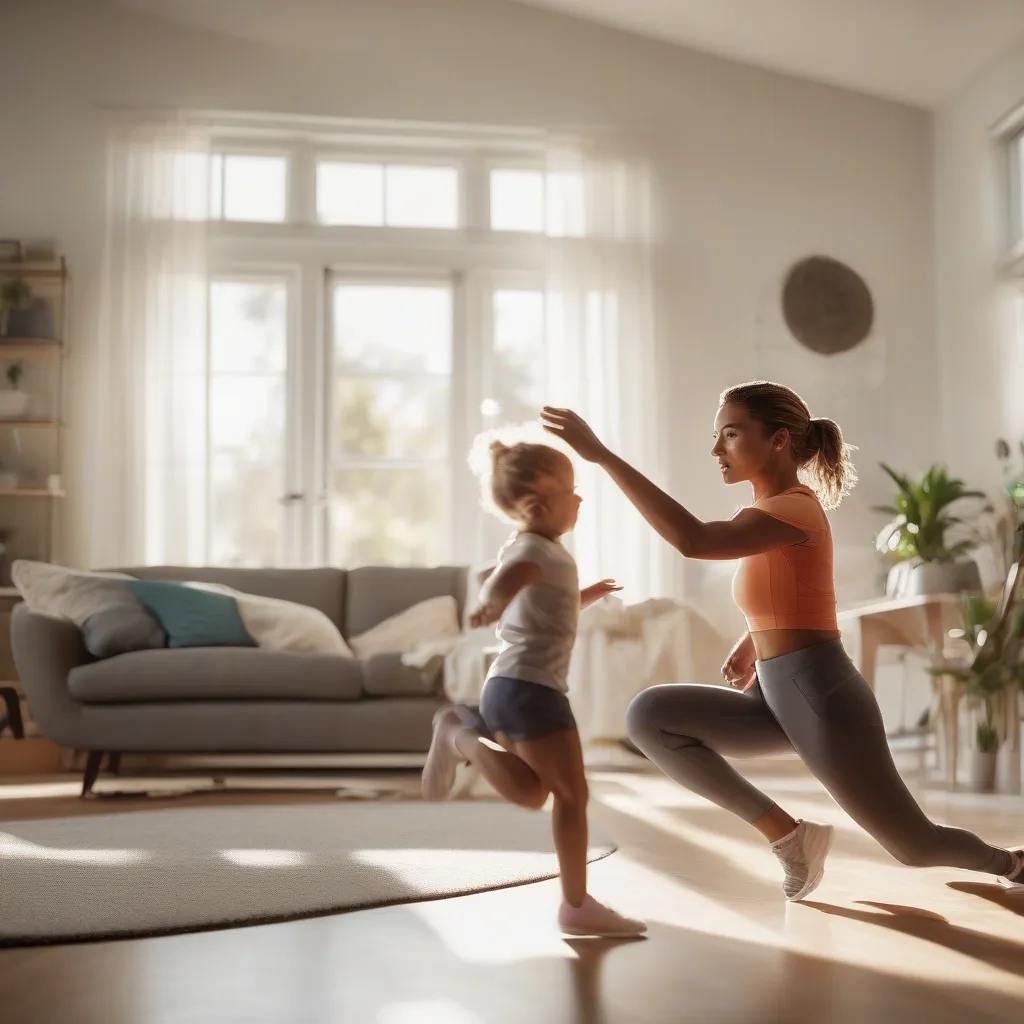
Finding the time to prioritize personal fitness while navigating the demands of motherhood is a universal challenge. Jennifer Garner has long been a figure who resonates with parents, not just for her acting career, but for her transparent, grounded approach to balancing a high-profile life with the realities of raising children. Her fitness philosophy is not about achieving a fleeting aesthetic; it is about building a functional, resilient body capable of keeping up with the unpredictable nature of family life.
Key takeaways
- Focus on functional exercises like squats and lunges that mimic daily parenting tasks to improve strength and reduce injury.
- Adopt a consistency-over-intensity mindset by using micro-workouts to fit physical activity into small cracks of a busy schedule.
- Utilize household items like laundry baskets or water jugs as accessible resistance tools to build strength without a gym.
- Prioritize mobility work and core restoration to counteract the physical strain of repetitive parenting movements and improve posture.
The Philosophy of Functional Fitness for Parents
For parents, the gym is rarely a place for vanity; it is a place for preparation. Jennifer Garner’s approach emphasizes functional movement—exercises that mimic the actions performed in daily life, such as lifting toddlers, carrying groceries, or bending down to pick up toys. By focusing on core stability, hip mobility, and posterior chain strength, she ensures her body is equipped to handle the physical toll of parenting. This shift in mindset from “working out to look good” to “working out to function well” is a powerful tool for longevity. When you train your muscles to work in tandem, rather than isolating them, you reduce the risk of common parental injuries, such as lower back strain or shoulder impingement.
Prioritizing Consistency Over Intensity
One of the most relatable aspects of Garner’s routine is her commitment to consistency over high-intensity, unsustainable sessions. As a mother, she understands that some days allow for an hour of dedicated training, while others offer only fifteen minutes. Rather than skipping a workout because the full session isn’t feasible, she embraces the “something is better than nothing” mentality. This flexibility is crucial for mental health. By integrating movement into the cracks of her day, she avoids the guilt associated with missing a structured class or gym visit. Whether it is a quick bodyweight circuit during a child’s nap or a brisk walk while waiting for school pick-up, consistency builds a habit that persists through the chaotic phases of child-rearing.
The Role of Strength Training in Metabolic Health
Strength training is the cornerstone of Garner’s physical maintenance. Lifting weights does more than build muscle; it boosts metabolic health, improves bone density, and enhances mood through the release of endorphins. For many mothers, the fear of “bulking up” or the intimidation of the weight room can be a barrier. However, Garner’s routine often incorporates moderate weights with high repetition or compound movements like squats, lunges, and overhead presses. These exercises recruit multiple muscle groups at once, maximizing the efficiency of the workout. By focusing on strength, she provides her body with the structural integrity needed to remain active as her children grow, ensuring that she isn’t just a bystander, but an active participant in their lives.
Integrating Cardiovascular Health Without the Grind
Cardiovascular fitness is essential for heart health and stamina, but it does not have to mean hours on a treadmill. Garner often incorporates dynamic movement into her cardio, such as boxing, dance-based workouts, or interval training. These methods keep the heart rate elevated while engaging the brain, making the workout feel less like a chore and more like an activity. For parents, finding a form of cardio that is enjoyable is the key to adherence. If you dread your workout, you will eventually stop doing it. By choosing forms of movement that feel expressive or challenging in a skill-based way, you create a positive association with physical exertion that carries over into other areas of life.
The Necessity of Mobility and Recovery
A common mistake in parental fitness is neglecting recovery. When your schedule is packed with family responsibilities, the first thing to go is often stretching or rest. Garner’s approach highlights the importance of mobility work—yoga, Pilates-inspired stretches, and foam rolling—to counteract the physical tension that builds up from stress and repetitive movements. Mobility exercises help maintain range of motion, which is vital for preventing the stiffness that often sets in after a long day of childcare. Incorporating even five minutes of deep breathing or static stretching before bed can significantly improve sleep quality, which is the ultimate recovery tool for any busy parent.
Nutrition as Fuel, Not Restriction
Fitness is only one half of the equation; nutrition serves as the foundation. Garner has frequently shared her love for cooking, emphasizing whole, nutrient-dense foods that provide sustained energy. Her approach steers clear of restrictive fad diets, focusing instead on balance and quality ingredients. For a mother, maintaining stable blood sugar through balanced meals—incorporating protein, healthy fats, and fiber—is essential for managing the energy dips that come with a busy schedule. By focusing on what to add to the plate rather than what to remove, she models a healthy relationship with food for her children, teaching them that nutrition is about fueling a capable, vibrant body.
Mental Resilience and the “Self-Care” Myth
The term “self-care” has become a buzzword, often implying expensive spa days or hours of solitude that most parents simply cannot access. In the context of Garner’s routine, self-care is redefined as a non-negotiable mental reset. Whether it is a solo run, a focused strength session, or simply a few moments of movement, these pockets of time serve as a mental buffer between the roles of “parent,” “professional,” and “individual.” Protecting this time is not selfish; it is a prerequisite for being a present and patient caregiver. Recognizing that her mental well-being is tied to her physical state allows her to show up more fully for her family.
The Mechanics of Post-Partum Core Restoration
While general functional fitness is excellent, the specific journey of returning to exercise after childbirth requires a targeted approach to core restoration. Jennifer Garner’s fitness philosophy acknowledges that the abdominal wall and pelvic floor undergo significant stress during pregnancy. Rather than jumping straight into high-impact movements, the focus should be on deep core recruitment. Exercises such as the ‘dead bug,’ bird-dog, and diaphragmatic breathing are essential for re-establishing the mind-muscle connection with the transverse abdominis. By prioritizing these subtle, internal contractions, parents can bridge the gap between sedentary recovery and high-intensity movement, ensuring that the spine is adequately supported before lifting heavier loads or engaging in high-impact cardio.
Utilizing Household Objects as Resistance Tools
One of the greatest barriers to parental fitness is the perceived need for a gym membership or expensive equipment. Garner’s approach often implies a resourceful mindset, where the home environment serves as a training ground. Household items can double as effective resistance tools: a heavy laundry basket can be used for farmer’s carries to improve grip strength and posture; a sturdy kitchen chair is perfect for tricep dips or elevated lunges; and gallon jugs of water function as makeshift dumbbells for bicep curls or weighted squats. This integration of ‘found’ fitness allows parents to maximize training time without needing to leave the house, turning the routine chores of home maintenance into incidental strength sessions.
The Importance of Grip Strength for Child-Rearing
Often overlooked in traditional training programs, grip strength is a critical component of functional parenting. Parents are constantly tasked with gripping, holding, and stabilizing children, car seats, and bags. Developing a firm, enduring grip is not just about forearm size; it is about safety and efficiency. Integrating hangs from a pull-up bar, towel rows, or simply practicing loaded carries can significantly decrease the fatigue associated with carrying gear. When your hands and forearms are conditioned, you can manage the physical weight of parenting with greater ease, preventing the common ‘parental wrist’ strain that often results from awkward lifting angles and repetitive holding patterns.
Managing the ‘Parental Stoop’: Postural Correction
The repetitive motion of leaning over cribs, strollers, and low-height play tables leads to what many experts call the ‘parental stoop’—a hunched-forward posture that contributes to chronic neck and upper back pain. Garner’s commitment to mobility suggests a proactive approach to opening the chest and strengthening the mid-back. Exercises like face-pulls, banded pull-aparts, and thoracic extensions are vital for counteracting the forward-leaning nature of childcare. By dedicating just a few minutes to retraction and rotation, parents can realign their skeletal structure, alleviating the tension that accumulates after hours of hovering over children or working at a desk.
Sleep Hygiene as a Performance Enhancer
Fitness is fundamentally limited by the quality of rest. For parents, sleep is often fractured, making the quality of the hours spent asleep even more critical. Adopting a ‘sleep hygiene’ protocol—such as limiting blue light exposure before bed, maintaining a cool room temperature, and using magnesium supplements or herbal teas—can help parents maximize the limited recovery time they have. Garner’s approach views sleep not as a luxury but as a physiological performance enhancer. By treating sleep with the same level of discipline as a workout, parents can improve their ability to recover from physical exertion, regulate hormones, and maintain the patience required for daily life.
Social Fitness: Building Community Through Movement
Isolation is a common side effect of parenting, and finding ways to integrate fitness with social interaction can be a game-changer. Whether it is joining a local running club, attending a outdoor ‘stroller fitness’ class, or simply scheduling a walking meeting with another parent, movement becomes more sustainable when it is linked to social accountability. Garner’s public-facing fitness journey often highlights the joy of shared activity. When exercise becomes a social venue, it shifts from being a ‘to-do’ list item to a rewarding experience that fills the cup emotionally, providing a necessary reprieve from the solitary nature of domestic responsibilities.
Adapting to the ‘Time-Crunched’ Micro-Workout
When the schedule is truly packed, the concept of the ‘micro-workout’ becomes the most effective strategy. This involves breaking a thirty-minute training goal into three ten-minute blocks spread throughout the day. A set of push-ups while the coffee brews, a series of squats while waiting for the microwave, and a quick plank session before sitting down to dinner can accumulate into a substantial amount of physical work. This strategy eliminates the psychological hurdle of needing to find a ‘big block’ of time. By adopting this fragmented approach, parents can maintain a high level of physical engagement without the stress of trying to fit a traditional, uninterrupted hour into a day that rarely allows for it.
The Anatomy of the ‘Parental Pivot’
Life with children is defined by sudden interruptions—a crying toddler, a school emergency, or a spill that requires immediate attention. Jennifer Garner’s fitness success lies in her ability to ‘pivot’ rather than abandon. When a planned workout is cut short, the goal shifts from completing the session to simply closing the loop. This might mean completing one final set of lunges while managing the distraction or transitioning into a mobility stretch while sitting on the floor with the kids. By viewing these interruptions as part of the workout environment rather than a failure of the workout, parents can maintain their training momentum. It is about emotional regulation; accepting that the session will be fragmented prevents the frustration that often leads to skipping exercise altogether.
Tactical Preparation: The ‘Gym-Ready’ Mindset
One tactical advantage in Garner’s routine is the reduction of friction between the idea of exercising and the act of starting. For parents, the mental energy spent deciding what to wear or where to workout can be a barrier. Keeping a pair of high-quality training shoes by the door or laying out workout clothes the night before acts as a visual cue. Furthermore, designating a small ‘fitness corner’ in the home—even if it is just a yoga mat and a pair of resistance bands—removes the need to ‘set up’ equipment. This preparation transforms exercise from a major event into a seamless transition, allowing for those spontaneous ten-minute windows of activity to be utilized the moment they arise.
The Role of Proprioception in Parental Safety
Proprioception, or the body’s ability to sense its position in space, is a vital, often ignored, fitness element for parents. Navigating a house filled with toys, tripping hazards, and sudden movements requires sharp reflexes and spatial awareness. Garner’s inclusion of balance-based movements—such as single-leg deadlifts, standing on one leg while performing upper-body movements, or yoga-based balance poses—directly improves this stability. By training the body to stabilize on uneven surfaces or during dynamic shifts in weight, parents significantly reduce the risk of common accidents, like ankle sprains or slips while carrying a child. This is ‘safety training’ disguised as fitness, ensuring you stay upright and agile in a high-traffic home environment.
Cultivating ‘Active Patience’ During Exercise
Exercise can serve as a laboratory for the patience required in parenting. When a workout feels difficult or when progress is slow, the way one handles that discomfort mirrors how one handles the stressors of raising children. Garner’s approach demonstrates that pushing through the ‘burn’ of a challenging set is a way to practice emotional resilience. By staying calm and focused during a difficult physical task, you are reinforcing the neural pathways associated with patience and persistence. This ‘active patience’—learning to sit with the discomfort of a challenging physical state without reacting impulsively—is a transferable skill that helps parents maintain their composure during the inevitable tantrums and high-stress moments of family life.
Hydration and the ‘Energy-First’ Nutrition Model
Managing the energy demands of parenting requires more than just calories; it requires precise hydration and nutrient timing. Garner’s approach to fueling is less about tracking macros and more about ‘energy-first’ decisions. This means prioritizing hydration early in the day to combat the mid-afternoon energy slumps that often lead to poor snacking choices. Incorporating electrolytes, especially after periods of high activity or stress, can prevent the fatigue that makes exercise feel impossible. By viewing food and water as tools to ensure she has the physical ‘bandwidth’ to be present for her children, Garner turns nutrition into an act of maternal responsibility rather than a secondary aesthetic goal.
The Power of ‘Low-Impact’ High-Volume Training
For many parents, the joints are already taxed by the daily grind, making high-impact jumping or heavy plyometrics unnecessary and potentially harmful. Garner frequently leans into low-impact, high-volume movements. This involves exercises like Pilates-inspired leg circles, slow-tempo squats, or consistent, sustained walking. These movements provide the benefits of muscular endurance and metabolic conditioning without the joint-jarring stress of high-impact cardio. By focusing on volume—doing more repetitions over a longer period—parents can achieve significant physical conditioning while protecting their knees and hips, ensuring that their ‘fitness shelf-life’ extends well into their children’s older years.
Building a Sustainable Routine That Evolves
The most important lesson from Jennifer Garner’s fitness journey is that routines must evolve. The workout that worked for a parent of toddlers will look vastly different from the one suitable for a parent of teenagers. As life stages shift, so too should the intensity, frequency, and type of movement. By staying curious and open to new forms of exercise—whether it is a new sport, a different style of training, or simply increasing walking distance—you prevent plateaus and keep the process engaging. A sustainable routine is one that grows alongside your family, adapting to the changing demands of your life while remaining anchored in the goal of long-term health.
Related posts:
 Savannah Guthrie’s Olympic Tennis Workout
 PHA Bodyweight Workout: Efficient Fitness Anywhere, Anytime
 Jennifer Garner’s North Face Fashion
 Jennifer Garner’s Pre-Oscars Workout
 Deborah Lippmann’s Cure: Jennifer Garner’s Secret
 Jennifer Garner’s Rules of Friendship
 Jennifer Garner’s North Face Fashion
 What is Positive Parenting? A Look at the Research and Principles