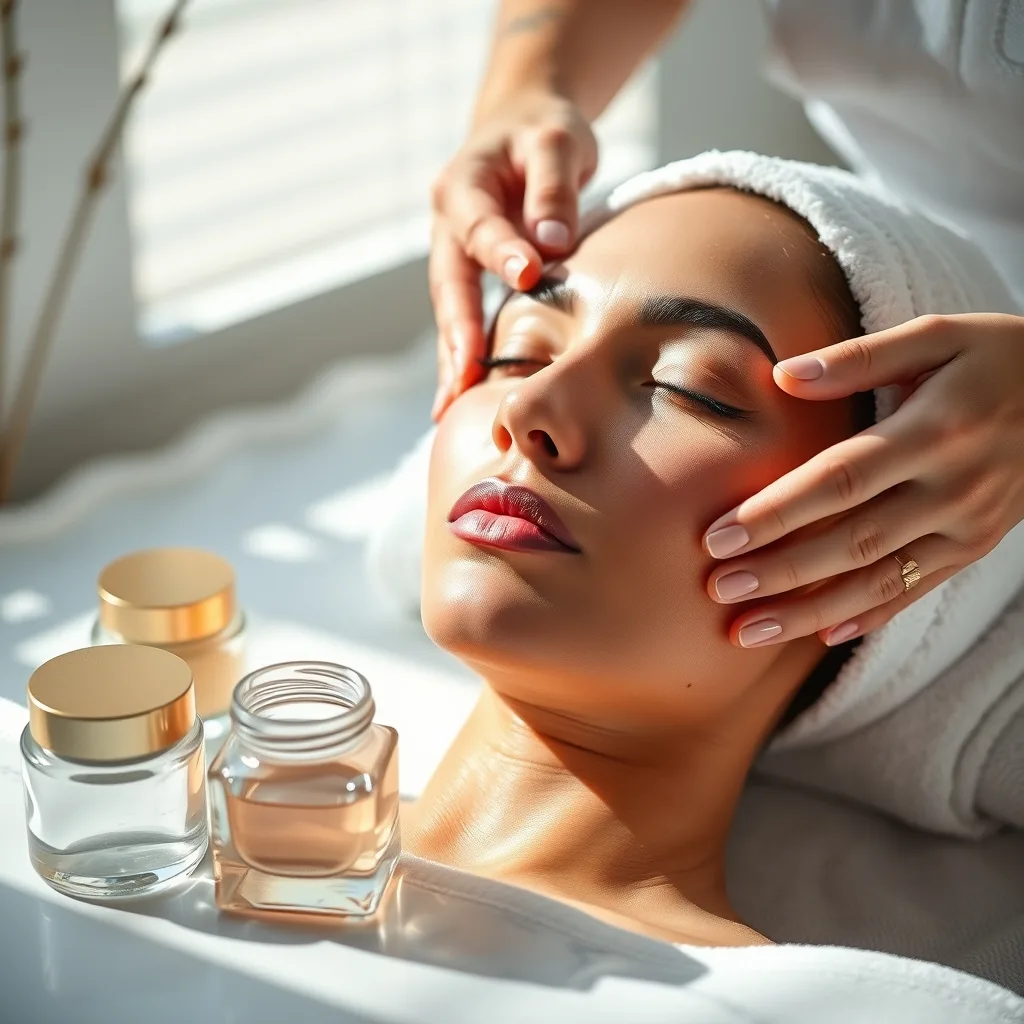
In the world of high-end aesthetics, few names carry as much weight as Joanna Czech. Known as the “facialist to the stars,” Czech has built a global reputation not by promising overnight miracles, but by championing a disciplined, science-backed approach to skin health. Her philosophy is rooted in the belief that the skin is a living organ that requires consistent nourishment, strategic stimulation, and a respect for its natural barrier. Unlike the trend-driven nature of modern beauty, Czech’s methodology focuses on long-term resilience and a “skin-first” mentality.
Key takeaways
- Perform a double cleanse using an oil-based cleanser followed by a water-based one to remove all impurities.
- Apply skincare products from thinnest to thickest consistency to ensure active ingredients penetrate the skin effectively.
- Use Vitamin C serums during the day for protection and retinoids or growth factors at night for cellular repair.
- Incorporate gentle facial massage and lymphatic drainage to reduce puffiness and stimulate blood flow to the skin.
- Apply SPF as the final step every morning to prevent photo-aging and the breakdown of collagen.
For many, the prospect of a professional-grade routine can feel overwhelming. However, the core of Joanna Czech’s approach is surprisingly logical: it is about using the right ingredients in the right order and incorporating manual techniques to enhance the skin’s natural functions. Whether you are a skincare novice or a seasoned enthusiast, adopting the principles of the Czech method can help you move away from the cycle of reactive treatments and toward a proactive state of skin wellness.
The Philosophy of Skin Health Over Perfection
Before diving into the specific steps of a routine, it is essential to understand the mindset that drives Joanna Czech’s work. She often emphasizes that the goal is not “perfect” skin—which is an unrealistic standard—but “healthy” skin. Healthy skin is characterized by a strong moisture barrier, efficient lymphatic drainage, and a balanced microbiome.
A cornerstone of this philosophy is the concept of “skin integrity.” Many people inadvertently damage their skin by over-exfoliating or using too many active ingredients simultaneously, leading to redness, sensitivity, and breakouts. Czech advocates for a balanced approach where stimulation (such as chemical peels or retinoids) is always balanced with recovery (such as ceramides, fatty acids, and hydration). By focusing on the health of the skin barrier, the skin becomes better equipped to handle the stressors of pollution, UV rays, and aging.
The Non-Negotiable Art of the Double Cleanse
For Joanna Czech, the foundation of any effective routine is a pristine canvas. She is a staunch advocate of the double cleanse, a process that ensures no residue is left behind to clog pores or hinder the absorption of subsequent products. This is not merely about removing makeup; it is about treating the skin with care while ensuring total purity.
Step One: The Oil-Based Cleanser
The first step involves an oil cleanser or a cleansing balm. Because “like dissolves like,” oil-based cleansers are the most effective way to break down lipophilic impurities, such as SPF, sebum, and long-wear makeup. To execute this, apply the cleanser to dry skin and massage it gently in circular motions. This step also serves as an opportunity for a light facial massage, helping to relax the facial muscles.
Step Two: The Water-Based Cleanser
Once the oil cleanser is rinsed away, a second, water-based cleanser is used. This step removes any remaining residue and cleanses the skin itself. Depending on the skin type, this could be a gentle milky cleanser for dry skin or a foaming gel for oily skin. The key is to avoid cleansers that leave the skin feeling “squeaky clean,” as this often indicates that the natural lipid barrier has been stripped away.
Strategic Exfoliation and the Role of Toning
Exfoliation is where many skincare routines go wrong. Over-exfoliation can lead to a compromised barrier, which Czech warns against. Instead, she promotes strategic exfoliation—using acids that target specific concerns without causing systemic inflammation.
A hallmark of the professional routines Czech implements is the use of sophisticated toners or “lotions” (in the French skincare tradition). These products often combine multiple acids (such as AHA, BHA, and PHA) with soothing agents. The goal is to remove dead skin cells, refine pore texture, and balance the skin’s pH levels. For those following this approach, the application is often a “swipe” across the skin rather than a scrub. This chemical exfoliation is gentler than physical scrubs and allows for a more even penetration of serums.
For beginners, Czech’s approach suggests starting exfoliation slowly—perhaps two to three times a week—and monitoring the skin’s response. If redness or stinging occurs, it is a sign to scale back and focus on hydration.
Targeted Serums: Day and Night Optimization
Serums are the “workhorses” of the Joanna Czech routine. Because they contain high concentrations of active ingredients, they are designed to address specific skin concerns. Czech typically divides serum usage into two distinct phases: protection during the day and repair during the night.
Daytime: Antioxidant Protection
During the day, the skin is under constant attack from UV radiation and environmental pollutants. To combat this, a potent antioxidant serum—most commonly Vitamin C—is essential. Vitamin C neutralizes free radicals, brightens the complexion, and boosts collagen production. When applying, it is best to do so on clean, dry skin, allowing the product to absorb fully before layering on moisturizer.
Nighttime: Cellular Repair
Night is when the skin enters its regenerative phase. Czech often recommends ingredients that promote cell turnover and collagen synthesis. This includes retinoids (Vitamin A) or growth factors. Retinoids are gold-standard for anti-aging and acne, but they can be irritating. To mitigate this, some adopt the “sandwich method,” applying a light layer of moisturizer before and after the retinoid. Growth factors, on the other hand, are used to signal the skin to repair itself, making them ideal for those with sensitive skin or those recovering from intensive treatments.
The Importance of Deep Hydration and Layering
Hydration is not the same as moisturization. Hydration refers to the water content within the skin cells, while moisturization refers to the lipids that seal that water in. Joanna Czech emphasizes the importance of both to achieve that “plump,” dew-like glow.
The process often begins with a hydrating serum, such as one containing hyaluronic acid or glycerin. These humectants draw moisture from the environment into the skin. To maximize this effect, these serums should be applied to slightly damp skin. Following the hydrating serum, a moisturizer is applied to create an occlusive seal. For those with very dry skin, Czech might suggest layering a facial oil over the moisturizer to prevent transepidermal water loss (TEWL).
Practical guidance for layering: always move from the thinnest consistency (watery serums) to the thickest (heavy creams and oils). This ensures that the active ingredients in the thinner products can penetrate the skin without being blocked by a heavy cream.
The “Czech Method”: Facial Massage and Lymphatic Drainage
What truly sets Joanna Czech apart is her mastery of manual manipulation. She believes that topical products can only do so much if the underlying tissue is stagnant. Facial massage is used to stimulate blood flow, oxygenate the skin, and encourage lymphatic drainage.
Lymphatic drainage is the process of moving lymph fluid—which carries waste products—away from the facial tissues and toward the lymph nodes in the neck. This reduces puffiness, defines the jawline, and gives the skin a more rested appearance. To practice a simplified version of this at home, use the following motions:
- The Jawline: Use your knuckles or a Gua Sha tool to sweep from the center of the chin outward toward the earlobes.
- The Cheekbones: Use your fingers to gently push from the sides of the nose outward toward the temples.
- The Forehead: Sweep from the eyebrows upward toward the hairline.
- The Drainage: Always finish by sweeping down the sides of the neck toward the collarbones to “flush” the fluid away.
These movements should be gentle. The lymphatic system is just beneath the surface of the skin, so heavy pressure is not required and can actually be counterproductive.
Sun Protection and Barrier Maintenance
No amount of expensive serums can undo the damage caused by unprotected sun exposure. In the Czech routine, SPF is the absolute final and most important step of the morning. She views sun protection as the ultimate anti-aging tool, preventing photo-aging, hyperpigmentation, and the breakdown of collagen.
Beyond SPF, maintaining the skin barrier is a lifelong commitment. This means being mindful of the “skin’s mood.” If the skin feels tight or looks flaky, it is time to pause the actives (like retinoids and acids) and pivot to a “recovery mode” consisting of ceramides, squalane, and soothing masks. This intuitive approach prevents the long-term damage associated with over-treatment.
Customizing the Routine for Different Skin Types
While the general framework of the Czech method remains the same, the specific products must be tailored to the individual’s skin type. A one-size-fits-all approach is rarely successful in professional skincare.
For Oily and Acne-Prone Skin: Focus on BHA (salicylic acid) for pore clearing and lightweight, gel-based moisturizers. The double cleanse is especially critical here to ensure that sebum is thoroughly removed without triggering more oil production through harsh scrubbing.
For Dry and Dehydrated Skin: Prioritize cream-based cleansers and rich moisturizers containing ceramides and fatty acids. Increase the frequency of hydrating masks and consider using a facial oil as the final step in the evening routine to lock in moisture.
For Sensitive Skin: Limit the use of strong acids and opt for PHA (polyhydroxy acids), which have larger molecules and penetrate the skin more slowly, causing less irritation. Focus heavily on barrier-repairing ingredients like centella asiatica or panthenol.
Building a Sustainable Skincare Habit
The most significant lesson from Joanna Czech is that consistency beats intensity. A single professional facial cannot replace the results of a disciplined daily routine. To build a sustainable habit, start by mastering the basics: cleansing, hydrating, and protecting.
Once these steps become second nature, you can introduce one “active” at a time. For example, introduce Vitamin C in the morning for two weeks before adding a retinoid at night. This allows you to track how your skin reacts to each ingredient. Remember that skin cells take approximately 28 to 40 days to turn over; therefore, you must give any new product at least a month of consistent use before judging its effectiveness.
Finally, listen to your skin. Some days it may need deep exfoliation, while other days it may need nothing but a gentle cleanse and a thick layer of moisturizer. The goal is to develop a relationship with your skin based on observation and care rather than a rigid adherence to a checklist.
Integrating High-Tech Tools for Home Maintenance
While manual massage forms the bedrock of the Czech method, Joanna Czech often integrates professional-grade technology to amplify results. She views these tools not as replacements for a disciplined routine, but as “gym equipment” for the face, providing the structural stimulation that topical creams cannot achieve alone. To incorporate these tools effectively, one must understand the specific physiological trigger each device targets.
Microcurrent Therapy: The Non-Surgical Lift
Microcurrent devices deliver low-voltage electrical currents that mimic the body’s own natural current. The primary goal here is to stimulate the facial muscles and increase the production of adenosine triphosphate (ATP), which fuels cellular repair and collagen synthesis. For those integrating this into a Czech-inspired routine, the focus should be on “lifting” and “sculpting.” Instead of random movements, use the device to glide from the jawline up toward the ear and from the brow bone up toward the hairline, holding the device at the peak of the movement for a few seconds to “set” the muscle.
LED Light Therapy: Cellular Communication
LED therapy uses specific wavelengths of light to penetrate different depths of the dermis. Red light is typically used to stimulate fibroblasts, which produce collagen and elastin, while blue light targets P. acnes bacteria to clear congestion. A common mistake is using LED over heavy creams; for maximum penetration, these devices should be used on clean, dry skin or over a very thin, water-based serum. An advanced tip is to use red light before a hydrating mask to increase blood flow, allowing the mask’s nutrients to absorb more efficiently.
Cryotherapy and Cold Compression
The use of cryo-sticks or ice rollers is a favorite for managing inflammation and “waking up” the skin. Cold temperatures cause vasoconstriction, which reduces redness and puffiness, followed by vasodilation once the skin warms up, which flushes the tissue with fresh, oxygenated blood. This is particularly effective in the morning after a lymphatic drainage massage. To avoid “ice burn” or capillary damage, tools should be glided quickly across the skin rather than held in one spot. For those with rosacea, cold therapy should be used with caution, focusing on gentle cooling rather than extreme freezing.
Edge Case: Tool Interaction with Injectables
A critical consideration in the modern aesthetic landscape is the interaction between tools and dermal fillers or Botox. Microcurrent and deep-tissue massage can potentially shift recently injected fillers if performed too aggressively or too soon after a procedure. Those with injectables should wait at least two weeks before resuming intensive tool use and should focus on lighter, more superficial glides to maintain the skin’s surface health without displacing the product beneath.
The Art of Targeted Eye and Lip Care
The skin surrounding the eyes and lips is significantly thinner and possesses fewer sebaceous glands than the rest of the face, making these areas more prone to dehydration, fine lines, and environmental damage. Joanna Czech emphasizes that these areas require a specialized approach—not necessarily different ingredients, but different application techniques and concentrations.
The Periorbital Area: Managing Puffiness and Texture
For the eyes, the goal is to balance hydration with drainage. Many users make the mistake of applying heavy, occlusive creams too close to the lash line, which can lead to milia (small white keratin cysts). Instead, the Czech approach favors a lightweight, caffeine-infused serum to constrict blood vessels and reduce under-eye bags, followed by a targeted eye cream applied only to the orbital bone. Using the ring finger—the weakest finger—ensures that the delicate skin is not tugged or stretched, which could otherwise accelerate the formation of wrinkles.
The Lip Perimeter and Vermilion Border
The lips often lose volume and definition due to the breakdown of collagen and the impact of UV exposure. To maintain the “plumpness” associated with healthy skin, hydration must be layered. Start with a hyaluronic acid serum applied to damp skin, followed by a lipid-rich balm. A professional secret for maintaining the lip border is to extend the facial massage slightly past the lips, using gentle circular motions around the mouth to stimulate blood flow and prevent the “sagging” of the corners of the mouth.
Addressing Dark Circles: A Dual Approach
Dark circles are often a combination of hyperpigmentation and vascular congestion. For pigmentation, Vitamin C or gentle retinols are essential, but they must be formulated specifically for the eye area to avoid irritation. For vascular circles (which appear blue or purple), the focus shifts to the lymphatic drainage techniques mentioned previously, combined with cold therapy to tighten the skin and improve the appearance of the underlying vessels.
Expanding the Canvas: The Neck, Décolletage, and Hands
One of the most common failures in a home skincare routine is the “jawline cutoff,” where the meticulous care given to the face stops abruptly at the chin. In the professional world of Joanna Czech, the neck, chest (décolletage), and hands are considered extensions of the face, as they are equally susceptible to photo-aging and volume loss.
The Neck and “Tech Neck”
The skin on the neck is thinner and has less structural support than the face. With the prevalence of “tech neck”—the horizontal creases formed by looking down at screens—it is vital to incorporate upward-sweeping motions during the massage phase. Apply serums and moisturizers in an upward direction, from the collarbone toward the jawline, to counteract gravity. For those with deeper creases, incorporating a peptide-rich cream can help support the skin’s elasticity.
The Décolletage: The Sun-Exposed Zone
The chest is one of the most frequently neglected areas for sun protection, often leading to “poikiloderma of Civatte” (a combination of redness, brown pigmentation, and thinning skin). The routine for the chest should mirror the face: a double cleanse to remove SPF, an antioxidant serum to fight free radicals, and a generous application of broad-spectrum sunscreen. Because the chest has very few oil glands, it benefits from a slightly heavier occlusive moisturizer than the T-zone of the face.
Hand Care as a Reflection of Age
The hands are often the first place where age and sun damage become apparent. To integrate hand care into the Czech method, treat the backs of the hands like the face. Apply the remnants of your Vitamin C serum and moisturizer to the hands, and most importantly, reapply SPF to the hands every time you reapply it to your face. For an intensive weekly treatment, a chemical exfoliant (like a mild AHA) can be used on the hands to remove dead skin cells and brighten the complexion, followed by a thick layer of cream and cotton gloves overnight.
Seasonal Calibration of the Czech Method
Skin is a dynamic organ that reacts to environmental shifts. A routine that works in the humid peak of July may be detrimental in the dry cold of January. Joanna Czech advocates for “seasonal calibration,” where the intensity of actives and the weight of moisturizers are adjusted to match the climate.
Winter: The Barrier-First Approach
Cold air and indoor heating strip the skin of moisture, leading to transepidermal water loss (TEWL). During winter, the focus shifts from stimulation to protection. This means reducing the frequency of chemical exfoliants and retinoids, which can be more irritating when the barrier is already compromised. Instead, prioritize “barrier-mimicking” ingredients such as ceramides, cholesterol, and fatty acids. Switching from a gel-based moisturizer to a rich, cream-based one ensures that the skin remains sealed against the harsh elements.
Summer: Managing Congestion and UV Stress
Increased heat and humidity lead to higher sebum production and a higher risk of congestion. In the summer, the double cleanse becomes even more critical to remove the heavier layers of sweat and water-resistant SPF. This is the time to increase the use of BHAs (salicylic acid) to keep pores clear. Texture-wise, switch to lightweight, water-based serums and gel-creams that provide hydration without adding excess oil. The focus also shifts heavily toward antioxidant saturation to neutralize the increased volume of free radicals generated by UV exposure.
The Transitional Periods: Spring and Autumn
The most challenging times for the skin are the transitions between seasons. In the spring, as the skin wakes up from winter dormancy, it may experience “seasonal breakouts.” This is the ideal time to slowly reintroduce more potent acids. In the autumn, as the air dries out, the goal is to build up the skin’s resilience before the first frost, increasing the use of hydrating masks and soothing agents like panthenol or centella asiatica.
Synergistic Ingredient Pairings and Conflicts
The efficacy of a skincare routine depends not just on the ingredients used, but on how they interact. The Czech method relies on a sophisticated understanding of ingredient synergy—knowing which components amplify each other and which cause conflict, leading to irritation or neutralization.
The Power Pairings
Certain ingredients work in tandem to produce a result greater than the sum of their parts. For example, Vitamin C and Vitamin E are highly synergistic; Vitamin E stabilizes Vitamin C and enhances its ability to protect the skin from UV-induced damage. Similarly, pairing Hyaluronic Acid with a ceramide-rich moisturizer creates a “hydration sandwich”—the hyaluronic acid pulls water into the skin, and the ceramides seal it in, preventing the acid from drawing moisture *out* of the skin in dry environments.
The Conflict Zones
Conversely, mixing certain actives can lead to chemical burns or rendered products. Retinoids and AHAs/BHAs should generally not be used in the same application window. Both increase cell turnover and can strip the barrier; using them together often leads to redness and peeling. The professional approach is to “cycle” them—using acids on one night and retinoids on the next, or using acids in the morning (if the skin is resilient and SPF is used) and retinoids at night.
Niacinamide: The Great Stabilizer
Niacinamide (Vitamin B3) is a versatile ingredient that Czech often integrates because it plays well with almost everything. It helps regulate oil, refine pores, and strengthen the barrier. When used alongside retinoids, niacinamide can actually mitigate the irritation typically associated with Vitamin A, making it an ideal pairing for those with sensitive skin who still want the anti-aging benefits of a retinoid.
The Role of Peptides and Growth Factors
For those looking to move beyond basic anti-aging, peptides and growth factors provide the necessary signals for the skin to rebuild its structure. Unlike retinoids, which force turnover, peptides act as messengers. They are best paired with hydrating serums and are safe to use both morning and night, providing a supportive framework that allows other active ingredients to work more effectively without causing stress to the skin.
The Holistic Connection: Internal Support for External Radiance
A hallmark of the Joanna Czech philosophy is the recognition that the skin is a reflection of internal health. While topical treatments address the symptoms and surface structure, the “glow” that clients seek is often a result of systemic wellness. This holistic approach bridges the gap between aesthetics and biology.
The Gut-Skin Axis and Inflammation
Modern science confirms a strong link between gut health and skin clarity. Chronic inflammation in the digestive system often manifests as acne, rosacea, or eczema. A diet rich in Omega-3 fatty acids (found in walnuts, flaxseeds, and fatty fish) is essential for maintaining the lipid barrier from the inside out. Reducing refined sugars—which can lead to glycation, a process where sugar molecules attach to collagen and cause it to become brittle—is a non-negotiable for long-term skin elasticity.
Hydration Beyond the Water Bottle
While drinking water is fundamental, cellular hydration depends on electrolytes. Magnesium, potassium, and sodium are required to move water into the cells. Integrating hydrating foods like cucumbers, celery, and watermelon provides not only water but the micronutrients necessary for the skin to retain that moisture. This internal hydration complements the topical use of humectants, ensuring the skin looks plump and resilient.
The Impact of Sleep and Cortisol
Cortisol, the stress hormone, is a known collagen-destroyer. High levels of stress lead to the breakdown of the skin’s structural proteins and can trigger inflammatory breakouts. The “night repair” phase of the Czech routine is only effective if the body is actually in a state of repair. Quality sleep allows the growth hormone to peak, which is when the most significant cellular regeneration occurs. For those struggling with stress-induced skin issues, incorporating calming rituals—such as the lymphatic drainage massage—before bed can help lower cortisol levels and prime the skin for overnight recovery.
Supplementation and Professional Guidance
While a balanced diet is primary, certain supplements can support the Czech method. Collagen peptides may provide the amino acid building blocks for skin repair, while antioxidants like Glutathione or CoQ10 can provide an internal layer of protection against environmental stress. However, the Czech approach emphasizes that supplements should be tailored to the individual’s blood work and health needs, rather than followed as a generic trend.
Frequently Asked Questions
1. Can I do the Joanna Czech facial massage every day?
Yes, gentle lymphatic drainage can be performed daily to reduce puffiness and maintain circulation. However, more intensive deep-tissue facial massage should be limited to a few times a week to avoid over-stimulating the skin or causing irritation, especially if you are using active ingredients like retinoids.
2. Is the double cleanse necessary if I don’t wear makeup?
Yes. Even if you don’t wear makeup, you likely wear sunscreen. Many modern SPF formulas are water-resistant and designed to adhere to the skin, meaning a standard water-based cleanser often leaves a residue. An oil-based cleanser ensures that SPF and environmental pollutants are fully removed.
3. How do I know if I have over-exfoliated my skin?
Signs of over-exfoliation include a “waxy” or unnaturally shiny appearance, increased sensitivity to products that usually don’t irritate you, redness, and a stinging sensation upon application of moisturizer. If this happens, stop all acids and retinoids immediately and focus on barrier-repair creams for 7-14 days.
4. Which is more important: the products or the technique?
Both play a role, but they serve different purposes. High-quality products provide the necessary nutrients and chemical triggers for skin change, while technique (like massage) optimizes the environment for those products to work by improving blood flow and removing waste. For the best results, they should be used in tandem.
5. At what age should I start a routine like this?
While anti-aging ingredients like retinoids are typically introduced in the mid-to-late 20s, the foundations of the Czech method—double cleansing, hydration, and SPF—are appropriate for any adult. The key is to adapt the potency of the active ingredients to the age and needs of the skin.
Related posts:
 Gemstones in Skincare
 Foundation’s Impact on Skin
 The Best Toners for Acne-Prone Skin That Won’t Strip Your Face
 Proper Order of Skincare Application
 New Year, New Skin: Expert Dermatologist Tips
 The Slow Beauty Movement’s Secret Hydration Recipes
 Your Nighttime Skincare Routine Is Missing These Game-Changing Steps
 Natural Face Sunscreens Guide