Making Healthy Changes
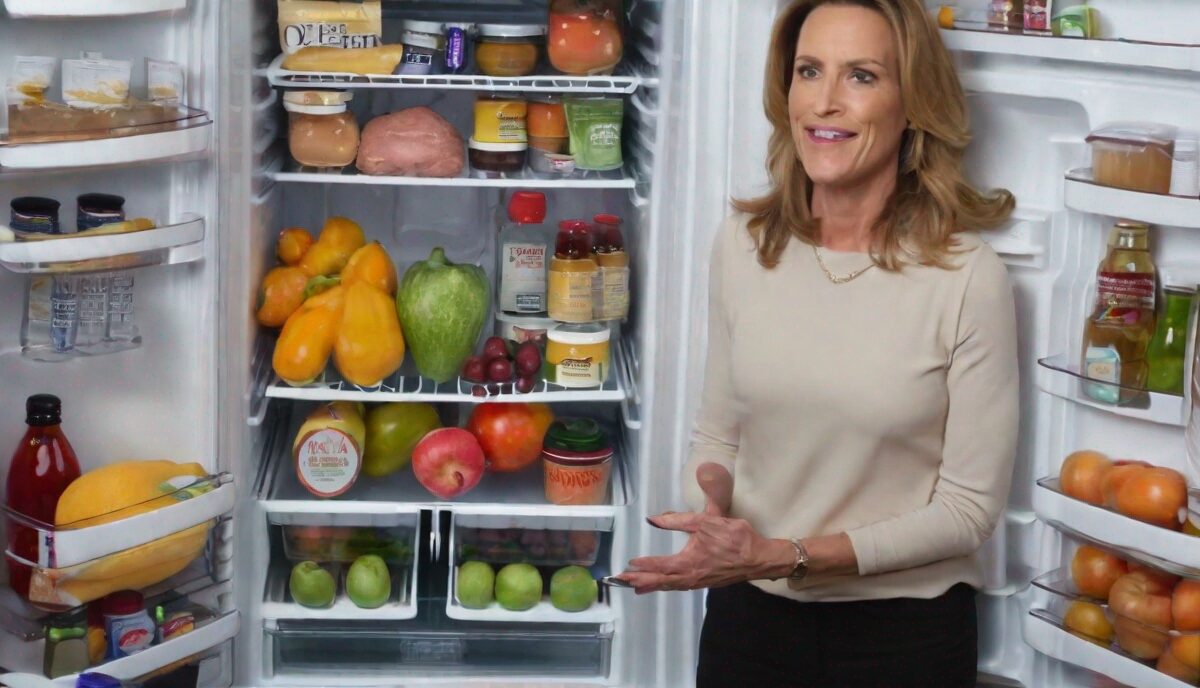
When it comes to improving our health, small changes to our diet can make a big difference over time. As nutritionist Joy Bauer explains, taking a closer look inside our fridges and rethinking some of our staple foods is a great place to start.
Key takeaways
- Store produce in humidity-controlled drawers and prep items immediately to ensure they are visible and ready to eat.
- Audit condiments for hidden sugars and sodium, opting for versatile bases like Dijon mustard, tahini, and Greek yogurt.
- Keep pre-portioned lean proteins on middle shelves to encourage healthy grab-and-go choices after work or exercise.
- Maintain fridge temperatures between 35°F and 38°F and avoid overcrowding to ensure food safety and optimal shelf life.
- Perform a weekly five-minute reset to discard spoiled items and evaluate your consumption patterns for sustainable grocery shopping.
Out With The Old
Many packaged foods and beverages that we may currently have in our fridges are high in added sugars, unhealthy fats, and excess sodium. While enjoyable, consuming large amounts of these foods can negatively impact our health.
In With The New
Bauer suggests swapping out some of those nutrient-poor items for healthier alternatives like fresh fruits and vegetables, lean proteins, whole grains, plain yogurt, and water. These provide our bodies with vitamins, minerals, fiber and other beneficial nutrients.
Moderation Mindset
Rather than completely restricting or demonizing any one food group, adopting a balanced, moderate approach to our diets is key. This creates sustainability and allows us to still enjoy treats in sensible portions.
Additional Tips
- Read nutrition labels to make informed choices
- Meal prep healthy snacks and meals for the week
- Drink more water and less sugary drinks
Optimizing Your Crisper Drawer Architecture
The crisper drawer is often the graveyard of good intentions, where produce goes to wither because it is hidden from sight. To truly master your fridge, you must move beyond simple storage and into active organization. Humidity-controlled drawers are precision tools: keep leafy greens and thin-skinned vegetables in the high-humidity setting to prevent wilting, while keeping ethylene-producing fruits like apples and pears in low-humidity zones. When you return from the store, dedicate ten minutes to a quick prep: wash and dry your kale, pull grapes off the stems, and store them in clear, breathable containers at eye level. By making your produce visible and ready to eat, you remove the friction that leads to grabbing processed snacks instead.
The Condiment Cleanup: Navigating Hidden Additives
Condiments are the silent saboteurs of a clean diet. Many store-bought salad dressings, BBQ sauces, and flavored mayonnaises are essentially vehicles for high-fructose corn syrup and soybean oil. When auditing your fridge door, look for the “Big Three” offenders: added sugars, sodium levels exceeding 200mg per serving, and artificial preservatives. A better approach is to stock your fridge with versatile bases: high-quality Dijon mustard, tahini, balsamic vinegar, and Greek yogurt. You can create a superior dressing in seconds by whisking these with fresh herbs or lemon juice. If you must keep bottled sauces, prioritize brands that use olive oil or avocado oil and list real spices as the primary flavor agents rather than sugar or MSG.
Strategic Protein Placement for Post-Workout Recovery
Your fridge should act as a recovery hub. Lean proteins like hard-boiled eggs, grilled chicken breast strips, or smoked salmon should be pre-portioned in glass containers on the middle shelf. This is not just about order; it is about cognitive ease. When you are tired after work or exercise, you are statistically more likely to eat whatever is easiest to reach. By keeping pre-cooked protein at eye level, you create a “grab-and-go” environment that rivals the convenience of processed deli meats, which are often loaded with nitrates and excessive salt. If you are plant-based, keep firm tofu pressed and cubed or tempeh marinated, ready to be tossed into a pan at a moment’s notice.
Managing the Dairy and Dairy-Alternative Landscape
The refrigerated dairy section has become increasingly complex, with a dizzying array of nut milks, oat milks, and yogurts. The primary trap here is “hidden sugar” in flavored or sweetened varieties. Even “healthy” oat milks can contain vegetable oils and gums that may cause digestive discomfort for sensitive individuals. When stocking your fridge, prioritize unsweetened almond, soy, or coconut milk that contains only two or three ingredients: the nut/legume, water, and perhaps a pinch of sea salt. For yogurt, always opt for plain, full-fat or low-fat Greek yogurt or skyr. You can control the sweetness yourself by adding a handful of fresh berries or a teaspoon of cinnamon, which provides satiety without the insulin spike of pre-sweetened versions.
The Science of Temperature and Food Safety
Beyond nutrition, maintaining the correct temperature is a cornerstone of food safety and nutrient retention. Your fridge should consistently hover between 35°F and 38°F (1.7°C to 3.3°C). A common mistake is crowding the shelves, which restricts airflow and creates warm spots where bacteria can thrive. To ensure your healthy staples stay fresh longer, avoid overstuffing; leave room for air to circulate around your containers. Furthermore, be wary of the “door temperature” trap. Because the door is exposed to warmer air every time you open the fridge, it is the worst place for milk or eggs. Move these items to the main shelves to ensure they stay at a stable, safe temperature, preserving their quality and nutritional integrity for the duration of the week.
Fermentation and Probiotic Integration
A truly healthy fridge should be home to living foods. Incorporating fermented items like sauerkraut, kimchi, or naturally fermented pickles introduces beneficial probiotics into your daily routine without the need for supplements. These foods are excellent additions to grain bowls, wraps, or as a side to lean proteins. When shopping, look for these items in the refrigerated section rather than the canned aisle, as the high-heat canning process kills the beneficial bacteria. A tablespoon of sauerkraut added to your lunch provides a tangy flavor profile and supports gut health, which is intrinsically linked to mood, immunity, and overall weight management. Treat these as a functional garnish that adds both complexity and health benefits to every plate.
The “Five-Minute Reset” Ritual
Consistency is the difference between a one-time fridge makeover and a permanent lifestyle shift. Implement a “Five-Minute Reset” ritual every Friday evening before you do your grocery shopping. Toss out any produce that has turned, wipe down the shelves, and evaluate which staples you actually used versus those that went to waste. This ritual helps you identify your true consumption patterns—if you find you are consistently throwing away half a bag of spinach, buy smaller quantities or switch to frozen greens for your smoothies. By treating your fridge as a dynamic, evolving space rather than a static storage bin, you ensure that your environment always supports your health goals rather than undermining them.
Frequently Asked Questions
What are some unhealthy staples to avoid?
Foods with high amounts of added sugars, saturated fats, and sodium like soda, sugary cereals, processed snack foods, and fast food should be limited.
What are some healthy staple swaps?
Swap out soda for seltzer or infused water, chips for nuts and seeds, candy for fresh fruit, sugary cereals for oatmeal with berries, and buttery bread for whole grain toast.
Is completely avoiding treats recommended?
No – allowing yourself small treats in moderation is perfectly fine and recommended for sustainability.
How can I drink more water?
Carry a reusable water bottle with you, add lemon/fruit slices to water for flavor, set reminders to drink water throughout the day.
What are easy healthy snacks to prep?
Some easy go-to snacks are fresh fruits and vegetables, nuts, seeds, hard boiled eggs, plain yogurt with berries, apples with peanut butter and mini cheeses.
Related posts:
 Inside a Celebrity Chef’s Fridge: What Danny DiStefano Actually Eats
 Schuyler Grant Shows Us Inside Her Fridge
 The Gross Truth About How Often You Should Really Clean Your Fridge
 The Meal Prep Master Class That Will Save You Hundreds Every Month
 The One-Ingredient Swap That Makes Any Salad Dressing Healthier
 Nicole Cogan’s Refrigerator Look Book Tour
 How to Reduce Sodium Intake Without Losing Flavor
 Skip the Store-Bought: Master Homemade Yogurt in 3 Steps