
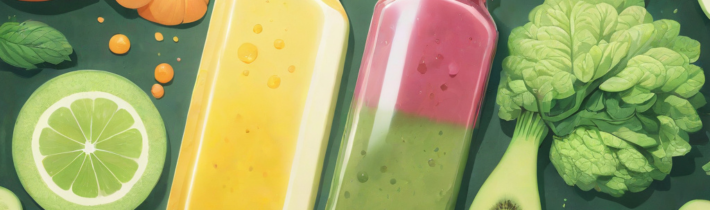
In recent years, the juice cleanse has transitioned from a niche wellness trend to a mainstream ritual. Proponents often market these programs as a “reset” button for the digestive system, promising to clear out toxins and restore balance to the gut microbiome. However, when we examine the physiological reality of how our digestive tract functions, the narrative becomes more nuanced. Understanding the actual juice cleanse effects on gut health requires looking past the marketing and into the science of digestion, microbial diversity, and the body’s natural detoxification pathways.
The Anatomy of a Natural Detox
Many consumers begin a juice cleanse under the impression that their digestive system needs an external “flush” to remain healthy. In reality, the human body is equipped with a highly sophisticated detoxification system involving the liver, kidneys, lungs, and the gastrointestinal tract. The liver processes metabolites and toxins, while the gut serves as a critical barrier and processing center. A healthy gut does not need to be “cleared” by liquid diets; it requires a steady supply of fiber, diverse nutrients, and hydration to maintain the integrity of the mucosal lining and the health of the commensal bacteria residing within the large intestine.
The Role of Fiber in Microbiome Maintenance
One of the most significant drawbacks of a juice cleanse is the removal of fiber. Whole fruits and vegetables contain cellulose, pectin, and lignin—indigestible carbohydrates that act as prebiotics. These fibers pass through the small intestine and reach the colon, where they are fermented by gut bacteria into short-chain fatty acids (SCFAs), such as butyrate. Butyrate is essential for fueling the cells that line the colon and maintaining a healthy pH balance. By consuming only juice, you effectively starve your beneficial bacteria of their primary food source, which can lead to a temporary decline in microbial diversity and metabolic function.
Impact on Glycemic Response and Gut Sensitivity
Juicing extracts the liquid nutrients from produce while leaving the fibrous pulp behind. This results in a concentrated dose of fructose and glucose that enters the bloodstream rapidly. For individuals with sensitive guts, such as those with Irritable Bowel Syndrome (IBS) or Small Intestinal Bacterial Overgrowth (SIBO), this influx of simple sugars can trigger fermentation in the small intestine, leading to bloating, gas, and abdominal discomfort. While the lack of solid food may feel like it is “resting” the gut, the sudden shift in sugar concentration can actually cause significant distress for the intestinal lining.
The Myth of Digestive Rest
There is a persistent belief that liquid diets provide the digestive system with a period of rest. However, digestion is a complex, continuous process that involves enzyme secretion, muscle contraction (peristalsis), and the maintenance of the gut-brain axis. The gut is meant to process solid food; it is designed to manage the mechanical and chemical breakdown of complex structures. Depriving the system of solid food for an extended period does not necessarily improve its efficiency. In fact, it can lead to a reduction in the secretion of digestive enzymes, making the transition back to solid food potentially uncomfortable once the cleanse concludes.
Nutrient Density Versus Microbial Diversity
While juices are undeniably rich in vitamins, minerals, and antioxidants, they lack the structural components required for a thriving microbiome. A diverse diet, characterized by a wide array of whole plants, fermented foods, and complex carbohydrates, is the gold standard for gut health. When you limit your intake to a narrow spectrum of juiced ingredients, you are essentially reducing the variety of “fuel” available to your gut bacteria. Long-term gut health is built on the foundation of microbial variety; a juice-only diet works in opposition to this principle by limiting the variety of substrates available for fermentation.
The Connection Between Gut Health and Mental Clarity
Many people report feeling “lighter” and more mentally alert during a juice cleanse. While this is often attributed to gut detoxification, it is more likely related to the removal of processed foods, refined sugars, and inflammatory ingredients that are typically part of a standard Western diet. When you stop consuming heavy, highly processed meals, you naturally experience less post-prandial fatigue. However, this clarity is often short-lived and may be overshadowed by the stress of caloric restriction, which can negatively impact the gut-brain axis by increasing cortisol levels.
Sustainable Strategies for Digestive Wellness
If your goal is to improve your digestive health, there are more effective, evidence-based approaches than a restrictive juice cleanse. Focus on increasing your intake of whole, fiber-rich foods like legumes, cruciferous vegetables, and ancient grains. Incorporate fermented foods like kimchi, sauerkraut, and kefir, which provide live probiotics to support your existing microbial community. Prioritize hydration with water and herbal teas, and ensure your meals are spaced in a way that allows for natural digestive cycles without resorting to liquid-only fasting. These habits foster a resilient, healthy gut environment that supports long-term well-being rather than a temporary fix.
The Migrating Motor Complex and Mechanical Clearance
One aspect of digestion often overlooked during liquid-only protocols is the Migrating Motor Complex (MMC). This is a distinct pattern of electromechanical activity observed in the gastrointestinal smooth muscle during periods between meals. Think of the MMC as the body’s internal housekeeping system; it acts like a sweeping mechanism that clears undigested debris, bacteria, and residual food particles from the stomach and small intestine into the colon. When you consume a juice cleanse, the lack of solid bulk can actually alter the signaling of these contractions. While the MMC is triggered by fasting, it is also highly sensitive to the presence of specific nutrients and the physical volume of chyme. Relying solely on liquid intake may disrupt the rhythm of these contractions, potentially leading to a stasis where bacterial populations can overgrow in the small intestine, a condition antithetical to the goals of a gut-friendly cleanse.
The Biochemical Impact of Cold-Pressing on Enzyme Availability
Proponents of juice cleanses often argue that “cold-pressed” extraction preserves delicate enzymes that aid digestion. However, the scientific reality is that the human body does not require external plant enzymes to digest food. The stomach secretes pepsin, the pancreas releases lipases, proteases, and amylases, and the small intestine provides its own brush-border enzymes. When you ingest a high volume of exogenous plant enzymes via raw juice, you are not necessarily helping your gut; you are essentially bypassing the body’s natural regulatory feedback loops. Over-reliance on external enzymes can sometimes lead to a downregulation of your own endogenous enzyme production. Furthermore, these plant enzymes are often denatured by the highly acidic environment of the stomach long before they reach the small intestine, rendering the “digestive aid” claim largely moot.
Osmotic Shifts and Intestinal Permeability
The gut lining, or the intestinal epithelium, is a sophisticated, single-cell layer that acts as a gatekeeper. It must be permeable enough to absorb nutrients but tight enough to prevent the translocation of pathogens. Juice cleanses often introduce high concentrations of simple sugars in a liquid state, which creates a high osmotic load in the intestinal lumen. To balance this concentration, the body pulls water from the surrounding tissues into the gut. This shift can lead to rapid transit times and diarrhea, which many people mistakenly interpret as a “flushing out of toxins.” In reality, this osmotic imbalance can place physical stress on the intestinal barrier, potentially leading to transient increases in permeability—sometimes referred to as “leaky gut.” Repeated cycles of this osmotic stress can disrupt the tight junction proteins that maintain the gut barrier’s integrity, proving that the “cleanse” might be causing the very inflammation it claims to resolve.
The Role of Polyphenols and Microbial Metabolism
While juice lacks fiber, it is undeniably high in polyphenols—plant-derived compounds that act as antioxidants. These compounds are largely ignored by the small intestine and travel to the colon, where they are transformed by the gut microbiota into bioactive metabolites. This is perhaps the only “pro-gut” aspect of a juice cleanse. However, the efficacy of this transformation is entirely dependent on the pre-existing health of your microbiome. If your microbial community is already depleted or lacks the necessary diversity to metabolize these specific polyphenols, the beneficial effects will be significantly diminished. A juice cleanse assumes the gut is a passive vessel that will benefit from concentrated nutrients, but the microbiome is an active, demanding ecosystem that requires the structural scaffolding of fiber to house and feed the very bacteria responsible for processing these polyphenols in the first place.
Metabolic Adaptation and The “Starvation Response”
When you shift to a liquid-only diet, your body enters a state of metabolic adaptation. Because the glucose load from fruit juices is rapid, the pancreas is forced to manage significant spikes in insulin. Once the blood sugar drops, you may experience a reactive hypoglycemia, leading to brain fog, irritability, and physiological stress. This stress response triggers the release of cortisol and adrenaline. Chronic elevation of these hormones is directly linked to altered gut motility and changes in the gut-microbiota composition. Specifically, cortisol can alter the mucus layer of the gut, making the intestinal lining more susceptible to irritation. By attempting to “reset” the gut through caloric restriction, you may inadvertently trigger a stress response that increases systemic inflammation and disrupts the delicate homeostatic balance of the digestive tract.
The Reintroduction Phase: Avoiding Post-Cleanse Shock
The most critical phase of a juice cleanse is not the cleanse itself, but the days immediately following. After several days of consuming only liquid, the stomach’s parietal cells may reduce their secretion of hydrochloric acid, and the gallbladder may become less responsive to the stimulus of dietary fats. When a person suddenly returns to a standard diet—often characterized by high-fiber, high-fat, or complex protein meals—the digestive system is effectively “out of practice.” This sudden reintroduction often results in significant bloating, constipation, or indigestion. A healthier, more sustainable approach is to treat the end of a cleanse like a slow transition, starting with easily digestible, cooked vegetables and bone broths, gradually reintroducing solid proteins and complex carbohydrates over 48 to 72 hours to allow the enzymatic and muscular components of the gut to recalibrate without distress.
The Migrating Motor Complex and Mechanical Clearance
One aspect of digestion often overlooked during liquid-only protocols is the Migrating Motor Complex (MMC). This is a distinct pattern of electromechanical activity observed in the gastrointestinal smooth muscle during periods between meals. Think of the MMC as the body’s internal housekeeping system; it acts like a sweeping mechanism that clears undigested debris, bacteria, and residual food particles from the stomach and small intestine into the colon. When you consume a juice cleanse, the lack of solid bulk can actually alter the signaling of these contractions. While the MMC is triggered by fasting, it is also highly sensitive to the presence of specific nutrients and the physical volume of chyme. Relying solely on liquid intake may disrupt the rhythm of these contractions, potentially leading to a stasis where bacterial populations can overgrow in the small intestine, a condition antithetical to the goals of a gut-friendly cleanse.
The Biochemical Impact of Cold-Pressing on Enzyme Availability
Proponents of juice cleanses often argue that “cold-pressed” extraction preserves delicate enzymes that aid digestion. However, the scientific reality is that the human body does not require external plant enzymes to digest food. The stomach secretes pepsin, the pancreas releases lipases, proteases, and amylases, and the small intestine provides its own brush-border enzymes. When you ingest a high volume of exogenous plant enzymes via raw juice, you are not necessarily helping your gut; you are essentially bypassing the body’s natural regulatory feedback loops. Over-reliance on external enzymes can sometimes lead to a downregulation of your own endogenous enzyme production. Furthermore, these plant enzymes are often denatured by the highly acidic environment of the stomach long before they reach the small intestine, rendering the “digestive aid” claim largely moot.
Osmotic Shifts and Intestinal Permeability
The gut lining, or the intestinal epithelium, is a sophisticated, single-cell layer that acts as a gatekeeper. It must be permeable enough to absorb nutrients but tight enough to prevent the translocation of pathogens. Juice cleanses often introduce high concentrations of simple sugars in a liquid state, which creates a high osmotic load in the intestinal lumen. To balance this concentration, the body pulls water from the surrounding tissues into the gut. This shift can lead to rapid transit times and diarrhea, which many people mistakenly interpret as a “flushing out of toxins.” In reality, this osmotic imbalance can place physical stress on the intestinal barrier, potentially leading to transient increases in permeability—sometimes referred to as “leaky gut.” Repeated cycles of this osmotic stress can disrupt the tight junction proteins that maintain the gut barrier’s integrity, proving that the “cleanse” might be causing the very inflammation it claims to resolve.
The Role of Polyphenols and Microbial Metabolism
While juice lacks fiber, it is undeniably high in polyphenols—plant-derived compounds that act as antioxidants. These compounds are largely ignored by the small intestine and travel to the colon, where they are transformed by the gut microbiota into bioactive metabolites. This is perhaps the only “pro-gut” aspect of a juice cleanse. However, the efficacy of this transformation is entirely dependent on the pre-existing health of your microbiome. If your microbial community is already depleted or lacks the necessary diversity to metabolize these specific polyphenols, the beneficial effects will be significantly diminished. A juice cleanse assumes the gut is a passive vessel that will benefit from concentrated nutrients, but the microbiome is an active, demanding ecosystem that requires the structural scaffolding of fiber to house and feed the very bacteria responsible for processing these polyphenols in the first place.
Metabolic Adaptation and The “Starvation Response”
When you shift to a liquid-only diet, your body enters a state of metabolic adaptation. Because the glucose load from fruit juices is rapid, the pancreas is forced to manage significant spikes in insulin. Once the blood sugar drops, you may experience a reactive hypoglycemia, leading to brain fog, irritability, and physiological stress. This stress response triggers the release of cortisol and adrenaline. Chronic elevation of these hormones is directly linked to altered gut motility and changes in the gut-microbiota composition. Specifically, cortisol can alter the mucus layer of the gut, making the intestinal lining more susceptible to irritation. By attempting to “reset” the gut through caloric restriction, you may inadvertently trigger a stress response that increases systemic inflammation and disrupts the delicate homeostatic balance of the digestive tract.
The Reintroduction Phase: Avoiding Post-Cleanse Shock
The most critical phase of a juice cleanse is not the cleanse itself, but the days immediately following. After several days of consuming only liquid, the stomach’s parietal cells may reduce their secretion of hydrochloric acid, and the gallbladder may become less responsive to the stimulus of dietary fats. When a person suddenly returns to a standard diet—often characterized by high-fiber, high-fat, or complex protein meals—the digestive system is effectively “out of practice.” This sudden reintroduction often results in significant bloating, constipation, or indigestion. A healthier, more sustainable approach is to treat the end of a cleanse like a slow transition, starting with easily digestible, cooked vegetables and bone broths, gradually reintroducing solid proteins and complex carbohydrates over 48 to 72 hours to allow the enzymatic and muscular components of the gut to recalibrate without distress.
Frequently Asked Questions
Does a juice cleanse help remove heavy metals or toxins? No. The human body is naturally efficient at removing waste and toxins through the liver and kidneys. There is no scientific evidence that a juice cleanse accelerates this process or removes specific toxins from the gut.
Why do I feel bloated during a juice cleanse? Bloating during a cleanse can occur due to the rapid influx of concentrated fructose, which may ferment quickly in the gut, or due to the lack of fiber, which can disrupt normal bowel motility and transit time.
Is a juice cleanse safe for people with existing digestive issues? Individuals with conditions like IBS, IBD, or SIBO should consult a healthcare provider before starting a juice cleanse. The high sugar content and lack of fiber can exacerbate symptoms and trigger flare-ups in those with underlying sensitivities.
How can I give my gut a “reset” without a juice cleanse? A better approach is to adopt an elimination diet that removes common irritants like processed sugars, alcohol, and artificial sweeteners for a set period, while increasing your intake of whole foods, fiber, and fermented products.
Does the lack of fiber in juice affect my long-term gut health? Yes. Fiber is essential for the production of short-chain fatty acids that nourish the gut lining. Chronic avoidance of fiber can lead to a decrease in beneficial bacteria populations and may compromise the integrity of the intestinal barrier over time.
Related posts:
 Drew Barrymore’s Digestive Enzyme Benefits
 The Food Intolerance That’s More Common Than You Think
 Gut Health for Longer Life
 The Gut Health Revolution
 When to Consider a Gut Cleanse
 Slippery Elm: The Overlooked Superfood Your Digestive System Needs
 Fermented Foods for Gut Health
 The Importance of Digestive Enzymes for Gut Health