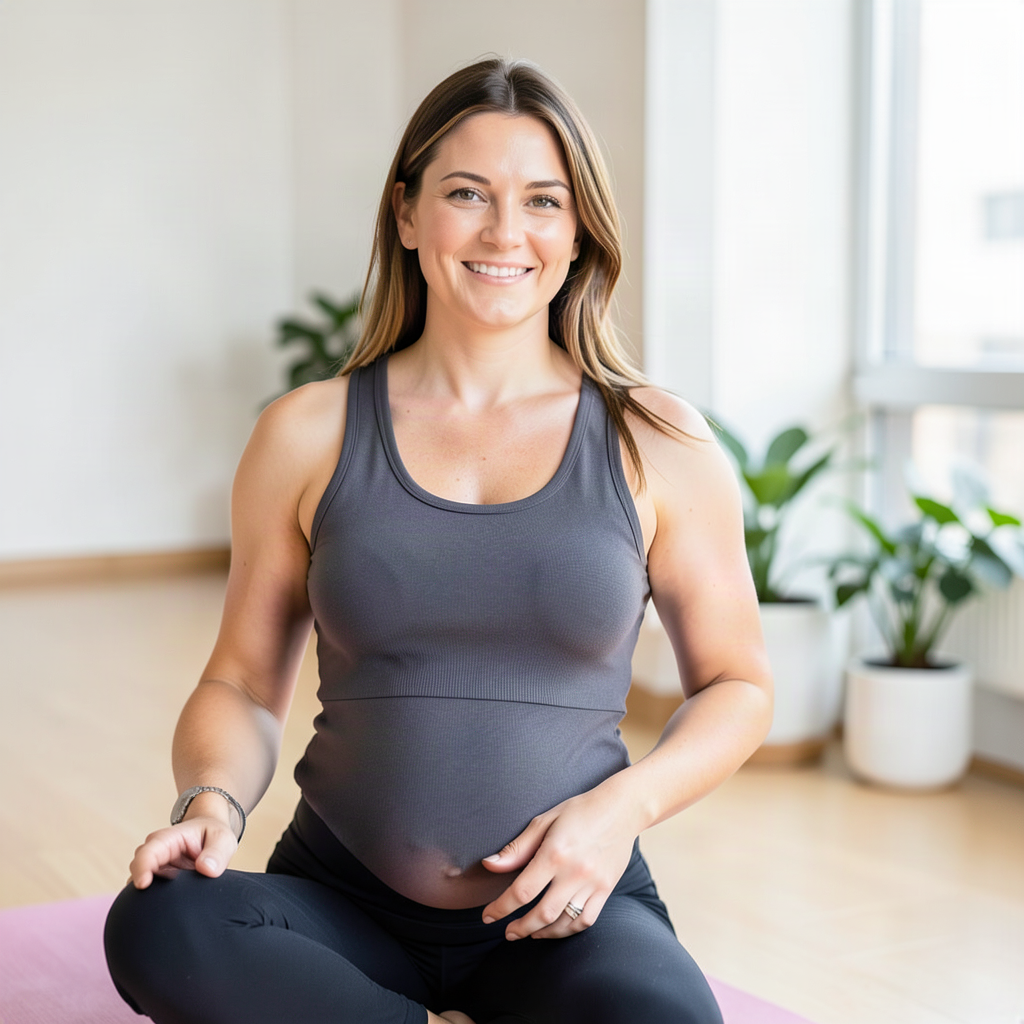
Pregnancy is a time of rapid physical change, and many expectant mothers wonder how to stay active without compromising comfort or safety. Pilates, with its emphasis on controlled movement, breath awareness, and core stability, can be an excellent choice when practiced mindfully. Actress Kate Hudson has often spoken about her love for low‑impact workouts that respect her body’s evolving needs, and she frequently shares gentle Pilates sequences that are pregnancy‑friendly. This article translates those principles into a step‑by‑step guide you can follow at home or in a prenatal class. By focusing on alignment, breathing, and modification, you’ll maintain strength, reduce common discomforts, and support a smoother postpartum transition—all while honoring the unique rhythm of your pregnancy.
Understanding Pilates in Pregnancy
Before diving into specific moves, it’s helpful to grasp why Pilates works well during pregnancy. The method targets the deep abdominal and pelvic floor muscles, which are essential for supporting the growing uterus and preparing for labor. Unlike high‑impact cardio, Pilates avoids jarring the joints and can be easily adapted to a changing center of gravity. The core philosophy—move with precision, breathe fully, and stay present—mirrors the mindfulness many expectant parents adopt when navigating prenatal appointments and lifestyle adjustments.
Key considerations for pregnant practitioners include:
- Stability over intensity: Prioritize controlled, low‑impact movements rather than heavy resistance.
- Breath coordination: Use diaphragmatic breathing to enhance oxygen flow for both mother and baby.
- Alignment awareness: Keep the spine neutral and avoid excessive lumbar extension.
- Comfort first: Modify any exercise that causes pain, dizziness, or shortness of breath.
When you respect these guidelines, Pilates can help maintain muscular endurance, improve posture, and alleviate common pregnancy complaints such as lower‑back strain and pelvic girdle discomfort.
Core Principles of Safe Practice
Kate Hudson’s approach to prenatal Pilates is built on three pillars: breath, alignment, and modification. Applying these principles will keep your practice safe and effective throughout each trimester.
1. Breath as a Foundation
Practice diaphragmatic breathing—inhale through the nose, allowing the belly to expand, then exhale slowly through the mouth, gently drawing the navel toward the spine. This technique not only supports core engagement but also encourages relaxation, which can be especially beneficial during the later stages of pregnancy.
2. Alignment Checks
Before each movement, take a moment to assess your posture:
- Feet hip‑width apart, knees soft.
- Shoulders relaxed and rolled back.
- Pelvis in a neutral position—neither tipped too far forward (excessive lordosis) nor tucked under.
- Neck aligned with the spine, gaze forward.
Small adjustments can prevent strain on the lower back and hips.
3. Thoughtful Modification
If a move feels too intense, reduce range of motion, use props such as a bolster or pillow, or switch to a seated version. The goal is to stay within a comfortable zone where you can maintain smooth, controlled movement without holding your breath.
Move 1: Pelvic Tilt with Breath
The pelvic tilt is a foundational Pilates exercise that gently activates the deep abdominal muscles without compressing the abdomen. It also helps relieve lower‑back tension, a common complaint in the second trimester.
How to Perform
- Start seated on a firm mat with your knees bent, feet flat on the floor, hip‑width apart.
- Place your hands on the lower ribs or just above the pelvis to feel subtle movement.
- Inhale deeply, allowing the belly to expand.
- As you exhale, gently press the lower back toward the mat by tilting the pelvis backward (think of flattening the small of the back). Keep the shoulders relaxed.
- Hold for two breaths, then release and repeat for 8‑10 cycles.
Tips for Safety
- Maintain a soft core engagement; avoid sucking in the stomach forcefully.
- If you feel any pressure in the lower abdomen, reduce the tilt amplitude.
- Use a small pillow under the hips for extra support if the mat feels too hard.
Move 2: Cat‑Cow Stretch (Modified for Pregnancy)
The classic Cat‑Cow mobilizes the spine, encourages fluid movement, and can be performed on hands and knees or from a seated position if balance is a concern.
How to Perform on All Fours
- Position yourself on hands and knees, aligning wrists under shoulders and knees under hips.
- Place a folded towel under the belly if you need extra cushioning.
- Inhale, drop the belly toward the mat, lift the head and tailbone (Cow). Keep the neck neutral.
- Exhale, round the spine, tuck the chin toward the chest, and draw the belly button toward the spine (Cat).
- Flow between these two positions for 10‑12 breaths, moving slowly and synchronizing with your breath.
Seated Alternative
If kneeling feels uncomfortable, sit on a sturdy chair with feet flat on the floor. Place hands on the thighs, inhale to arch the upper back slightly, then exhale to round the spine, feeling the stretch through the mid‑back.
Safety Notes
- Avoid excessive arching; keep the movement gentle.
- Do not hold the breath; maintain a steady rhythm.
- If you experience any dizziness, pause and sit upright until you feel stable.
Move 3: Side‑Lying Leg Lifts
This exercise strengthens the hip abductors, which support the pelvis and help alleviate hip‑pain that can develop as the uterus expands.
How to Perform
- Lie on your left side on a mat, using a pillow under the head for comfort.
- Place your left hand under your head and the right hand on the floor in front of you for balance.
- Bend the left knee slightly for stability; keep the right leg straight.
- Inhale, then exhale as you lift the right leg to about a 45‑degree angle, keeping the foot flexed.
- Lower slowly with control. Complete 12‑15 repetitions, then switch sides.
Modifications
- Reduce the lift height if you feel strain in the lower back.
- Use a resistance band around the thighs for added gentle tension, but keep the band loose.
- If lying on your side is uncomfortable, perform the movement seated: sit tall, place a small ball between the knees, and press outward while inhaling.
Move 4: Seated Spine Twist (Pregnancy‑Friendly)
A seated twist promotes spinal mobility, improves digestion, and can be done safely with a supportive chair.
How to Perform
- Sit on a chair with a straight back, feet flat on the floor, hip‑width apart.
- Engage the core lightly, lengthen the spine, and place your left hand on the outside of the right thigh.
- Inhale to sit tall, then exhale as you gently rotate the torso to the right, looking over the right shoulder.
- Hold for two breaths, then return to center on an inhale.
- Repeat on the opposite side for 8‑10 repetitions each side.
Safety Guidance
- Do not force the twist; stop when you feel a mild stretch.
- Avoid twisting if you have any pelvic girdle pain that worsens with rotation.
- Maintain an even breath—no breath‑holding during the movement.
Move 5: Modified Hundred (Breath‑Focused Core Activation)
The Hundred is a classic Pilates staple that builds endurance in the transverse abdominis and promotes coordinated breathing. A modified version keeps the abdomen protected while still delivering the benefits.
How to Perform
- Lie on your back with knees bent, feet flat on the mat (tabletop position). Place a small pillow under the head if needed.
- Engage the pelvic floor and draw the belly button toward the spine.
- Lift the head, neck, and shoulders a few centimeters off the mat, keeping the chin tucked.
- Extend the arms alongside the body, palms down.
- Inhale for five small arm pumps, then exhale for five pumps, maintaining a steady rhythm. Complete 10 cycles (100 pumps).
Adaptations
- If lifting the shoulders feels uncomfortable, keep the head on the mat and focus solely on the arm pumps while maintaining core engagement.
- Alternatively, perform the Hundred seated on a stability ball: sit tall, lean back slightly, and follow the same breathing pattern.
Building a Routine and Listening to Your Body
Consistency is more valuable than duration. Aim for two to three sessions per week, each lasting 20‑30 minutes. Here’s a simple structure you can follow:
- Warm‑up (5 minutes): Gentle seated breathing, shoulder rolls, and ankle circles.
- Main set (15‑20 minutes): Choose 4‑5 of the moves above, performing 2‑3 sets each.
- Cool‑down (5 minutes): Slow diaphragmatic breaths, seated forward fold, and a brief body scan.
Pay attention to signals such as:
- Sharp or lingering pain—stop the exercise and consult a healthcare professional.
- Shortness of breath beyond normal exertion—reduce intensity or pause.
- Feeling light‑headed—sit upright, hydrate, and rest before continuing.
Pregnancy is a dynamic journey; what feels comfortable in the second trimester may need adjustment in the third. Keep a journal of how each movement feels, noting any modifications you made. This record will help you refine your practice and provide useful information for your prenatal caregiver.
Tips for Practicing with Kate Hudson’s Style
Kate Hudson often emphasizes a balanced blend of strength, flexibility, and mindfulness. To capture her vibe:
- Play soft, uplifting music: A gentle playlist can enhance the mind‑body connection.
- Use props you love: Kate is known for incorporating a yoga strap or small ball; choose items that make you smile.
- Stay hydrated: Sip water before, during, and after your session.
- Focus on joy, not perfection: Celebrate each small improvement, whether it’s a deeper breath or a smoother transition.
By aligning your practice with these principles, you’ll not only support your physical health but also nurture the emotional well‑being that is essential during pregnancy.
Designing a Prenatal Pilates Space at Home
Creating a dedicated area for your pregnancy‑friendly Pilates practice can turn a routine into a ritual. The goal is to assemble a calm, safe, and adaptable environment that accommodates a growing belly, shifting balance, and occasional cravings for a quick break.
Choosing the Right Surface
While a firm mat is a classic choice, a pregnant body often benefits from a slightly cushioned platform. Consider a high‑density yoga mat layered with a folded blanket or a thin memory‑foam pad. The added thickness protects the sacrum and reduces pressure on the lumbar spine during seated or supine movements. If you have hardwood floors, a non‑slip rug underneath the mat can prevent unwanted sliding when you transition between poses.
Essential Props and Their Multifunctional Uses
- Bolster or firm pillow: Use it under the hips for pelvic tilts, beneath the knees for gentle back extensions, or as a support for side‑lying stretches.
- Yoga strap (5‑10 ft): Loop it around the thighs for hip‑abductor work, or hold it overhead to encourage a tall spine during seated twists.
- Stability ball (55‑65 cm): When the belly begins to dominate the lower abdomen, a ball offers a dynamic surface for gentle core activation without direct pressure on the uterus.
- Resistance band (light tension): Ideal for adding subtle resistance to leg lifts or arm circles while keeping the load low enough to avoid strain.
Lighting, Sound, and Temperature
Soft, natural light helps maintain a relaxed mood and reduces eye strain. If daylight is limited, a warm‑tone lamp with a dimmer works well. Background music should be instrumental or low‑key vocal tracks—think acoustic guitar, gentle piano, or ambient nature sounds. Temperature control is crucial; a slightly cooler room (around 68–70°F/20–21°C) prevents overheating, especially during the second and third trimesters when core temperature rises more quickly.
Safety Checks Before Each Session
- Clear the floor of toys, cords, or anything that could cause a stumble.
- Test the stability of any furniture you plan to use (chairs, benches). The seat should not wobble when you shift weight.
- Place a water bottle within arm’s reach to stay hydrated without interrupting flow.
- Keep a phone nearby in case you need to call for assistance or consult a medical professional.
By setting up a thoughtful space, you eliminate distractions and give your body the confidence to explore each movement fully.
Trimester‑Specific Progressions and Regression Strategies
Pregnancy is not a static condition; each trimester brings anatomical shifts that demand tailored adjustments. Below is a roadmap that outlines how to evolve or simplify Pilates exercises as the belly expands, the pelvis loosens, and energy levels fluctuate.
First Trimester: Emphasizing Core Reactivation
During weeks 1‑12, the uterus is still relatively low, making most standard Pilates moves accessible. However, hormonal changes can increase joint laxity, so prioritize stability over range. For example, replace a deep lunge with a short‑step lunge, keeping the front knee directly over the ankle. If a classic roll‑up feels too intense, perform a “half roll‑up” by lifting only the head and shoulders while keeping the lower back on the mat.
Second Trimester: Accommodating a Rising Center of Gravity
From weeks 13‑27 the belly becomes more pronounced, shifting the center of mass forward. To counterbalance, increase the width of your stance in standing exercises and add a prop under the hands for tabletop positions. A practical progression is the “wall‑supported plank”: place hands on a sturdy wall at shoulder height, walk feet back until the body forms a straight line, and hold for 15‑30 seconds. This reduces load on the wrists and lower back while still engaging the transverse abdominis.
Third Trimester: Prioritizing Mobility and Comfort
In weeks 28‑40 the focus shifts from strength building to maintaining joint mobility and preparing the body for labor. Replace any supine work that compresses the vena cava (the large vein behind the uterus) with side‑lying or seated alternatives. A good regression for a traditional “single leg stretch” is the “seated knee‑to‑chest”: sit tall, draw one knee toward the chest, hold the shin, and breathe. This keeps the spine upright and avoids abdominal pressure.
Edge Cases and Individual Variability
- High‑BMI pregnancies: Opt for a wider base of support and use a sturdy chair for seated work. Avoid rapid transitions that could cause dizziness.
- Multiple gestations (twins, triplets): The abdomen expands more quickly; prioritize gentle, low‑impact moves and increase the frequency of rest breaks.
- Pre‑existing back issues: Incorporate more pelvic tilts and cat‑cow variations on a soft surface, and limit any forward flexion beyond a comfortable point.
Documenting which modifications you use in a training log helps you notice patterns—such as a particular move that consistently feels better when performed with a bolster—so you can fine‑tune your routine each trimester.
Integrating Pelvic Floor Awareness into Every Move
The pelvic floor acts like a supportive sling for the uterus, bladder, and bowels. Strengthening it during pregnancy can reduce urinary leakage, improve labor endurance, and accelerate post‑natal recovery. Rather than treating pelvic floor work as a separate exercise, weave subtle cues into each Pilates sequence.
Micro‑Engagement Technique
Before you begin any movement, pause for a breath and perform a gentle “pelvic floor lift.” Imagine you are stopping the flow of urine mid‑stream; the muscles should contract just enough to feel a light tightening without bearing down on the abdomen. Hold this micro‑engagement for the duration of the exhale, then release on the inhale. This cue can be applied to standing leg lifts, seated twists, and even to the modified Hundred.
Pelvic Floor‑Friendly Props
- Small yoga block: Place it between the knees during side‑lying leg lifts. Squeezing the block activates the inner thighs and the pelvic floor simultaneously.
- Soft ball: While seated on a chair, rest a small ball on the perineum (the area between the genitals and anus) and gently press down as you inhale. This creates a low‑intensity contraction that can be released on the exhale.
Progressive Challenges
As the pregnancy advances, you can increase the duration of the pelvic floor hold. Start with a 3‑second squeeze on each exhale, and gradually work up to 6‑8 seconds. If you notice any discomfort or a feeling of pressure in the lower abdomen, scale back immediately and consult a pelvic‑floor therapist.
When to Pause Pelvic Floor Work
Some women experience heightened pelvic pain or a diagnosis of pelvic girdle dysfunction. In those cases, it is safer to focus on gentle breathing and spinal alignment, postponing active pelvic floor contractions until after delivery or until cleared by a specialist.
Mind‑Body Synergy: Using Pilates for Stress Reduction and Labor Preparation
Pilates is more than a physical regimen; it is a conduit for mental calmness, which can be a decisive factor during labor. The following strategies blend mindfulness with movement to cultivate a resilient mindset.
Visualization During Breath
While performing diaphragmatic breathing, imagine each inhale as a wave of soothing energy that rises from the crown of the head down to the pelvic floor. On the exhale, picture the wave receding, carrying away tension. Pair this with a soft mantra—such as “steady” or “strong”—to reinforce the mind‑body link.
Progressive Muscle Relaxation (PMR) Integrated Into Pilates
After a set of leg lifts, transition into a brief PMR sequence: tense the calves for five seconds, then release; move up the chain—thighs, glutes, abdomen, shoulders—holding each tension for a count of five before letting go. This practice lowers cortisol levels and improves body awareness, which can translate into a more controlled breathing pattern during contractions.
Labor‑Specific Flow: “Birth‑Ready” Circuit
Combine three moves that mimic the demands of labor:
- Standing hip circles: Stand with feet hip‑width apart, hands on the hips, and draw slow circles with the pelvis. This mobilizes the sacrum and prepares it for the rhythmic rocking of labor.
- Seated “rocking” on a ball: Sit on a stability ball, feet flat, and gently rock forward and back, keeping the spine neutral. The motion encourages a gentle pelvic tilt that can ease fetal descent.
- Side‑lying “breath‑focus”: Lie on the left side, place a small pillow under the head, and practice slow, deep breaths for two minutes, visualizing each breath as a supportive hand on the baby’s back.
Perform the circuit two times, allowing a minute of rest between each round. The combination of mobility, rhythmic movement, and breath trains the nervous system for the endurance needed in the second stage of labor.
Managing Stress Triggers
If a particular exercise triggers anxiety—perhaps because it feels too close to the belly—modify it immediately. Replace the move with a seated variation or a gentle stretch. Remember, the objective is to cultivate confidence, not to push through fear.
Nutrition and Hydration Strategies to Support a Pilates Practice
Fueling the body correctly enhances energy levels, supports muscle recovery, and safeguards the baby’s growth. The following guidelines align with the gentle yet purposeful nature of prenatal Pilates.
Pre‑Workout Snack (30‑45 minutes before)
- Complex carbohydrate + protein: A slice of whole‑grain toast topped with almond butter, or a small bowl of Greek yogurt with berries. This combination stabilizes blood sugar and provides a steady release of energy.
- Hydration cue: Drink 150‑200 ml of water or a low‑sugar electrolyte beverage. Avoid caffeinated drinks right before exercising, as they can increase heart rate.
During the Session
For a 20‑30 minute Pilates flow, a sip of water every 10 minutes is sufficient. If you feel light‑headed, pause, sit upright, and take a few deeper breaths while sipping slowly. Avoid gulping large amounts, which can cause a feeling of fullness and interfere with diaphragmatic breathing.
Post‑Workout Refuel
Within 30 minutes of completing your practice, aim for a balanced snack that includes:
- Protein (e.g., a hard‑boiled egg, a handful of nuts, or a protein‑rich smoothie).
- Healthy fats (e.g., avocado slices, a drizzle of olive oil on whole‑grain crackers).
- Additional fluids: a glass of milk or fortified plant‑based milk for calcium, plus another 200 ml of water.
This combination aids muscle repair, replenishes glycogen stores, and supports the increased calcium demand of pregnancy.
Special Considerations for Common Nutrient Gaps
- Iron: Pair iron‑rich foods (lean red meat, lentils) with vitamin C sources (citrus, bell peppers) to boost absorption.
- Omega‑3 fatty acids: Incorporate a serving of low‑mercury fish (salmon, sardines) twice a week, or consider a prenatal DHA supplement after consulting your provider.
- Fiber: To prevent constipation—a frequent side effect of both pregnancy and Pilates—include soluble fiber (oats, chia seeds) and stay hydrated.
By aligning nutrition with your Pilates schedule, you create a feedback loop where each session feels more energetic, and recovery feels quicker.
Post‑Pregnancy Transition: From Prenatal to Postnatal Pilates
After delivery, the body undergoes rapid changes: the uterus contracts, abdominal muscles separate, and the pelvic floor experiences both stretching and compression. A thoughtful progression from prenatal to postnatal Pilates can accelerate healing and restore functional strength.
First Six Weeks: Gentle Re‑Engagement
During the immediate postpartum period, focus on breath, pelvic floor activation, and low‑impact spinal mobility. Sample moves include:
- Supine diaphragmatic breathing: Lie on your back with knees bent, place a hand on the belly, and practice the same inhale‑exhale pattern used in prenatal sessions.
- Pelvic floor “quick flicks”: Perform brief, gentle contractions (1‑2 seconds) followed by a full release, repeating 10‑15 times.
- Cat‑cow on a pillow: Use a firm pillow under the hips for added comfort while moving through spinal flexion and extension.
Avoid any abdominal crunches or deep hip flexor work until cleared by your obstetrician.
Weeks 7‑12: Re‑Introducing Core Stability
As the uterus involutes and the diastasis recti (separation of the abdominal line) begins to close, you can safely add exercises that target the transverse abdominis without creating intra‑abdominal pressure.
- Modified “dead bug” on a ball: Sit on a stability ball, lean slightly forward, and extend opposite arm and leg while maintaining a gentle core engagement.
- Side‑lying clam shells with band: Keep the band loose; this activates the gluteus medius without straining the core.
- Standing heel‑to‑toe balance: Improves proprioception and re‑trains the lower limb muscles that were de‑conditioned during pregnancy.
Monitor for any bulging of the midline during these moves; if you notice a gap widening, reduce the range or revert to a simpler variation.
Beyond Three Months: Building Functional Strength
Once the healthcare provider confirms that the pelvic floor and abdominal wall are healing appropriately, you can incorporate more dynamic Pilates sequences that mirror daily activities—lifting, reaching, and turning.
- Standing roll‑down with a light dumbbell: Hold a 2‑kg weight, hinge at the hips, and engage the core to control the descent and ascent.
- Bridge with a ball squeeze: Place a small ball between the knees while lifting the hips, combining glute activation with inner‑thigh engagement.
- Pilates “swimmer” on a mat: Lift opposite arm and leg, maintaining a neutral spine, to improve posterior chain strength.
These movements support the return to pre‑pregnancy activities, such as carrying a stroller, climbing stairs, or returning to light cardio.
Tracking Progress and Adjusting Goals
Maintain a postnatal log similar to the prenatal journal. Note the date, perceived effort (scale of 1‑10), any sensations of abdominal pulling, and how your pelvic floor feels after each session. Over time, you’ll notice patterns that indicate when you’re ready to increase intensity or when a particular exercise still needs a gentler approach.
Remember, the transition is not linear. Some weeks you may feel strong enough for a full‑body flow; other weeks, a simple breathing session will be the most beneficial. Listening to your body, as Kate Hudson does, ensures that Pilates remains a supportive ally throughout the entire motherhood journey.
Frequently Asked Questions
- Can I do Pilates in the first trimester?
Yes, many women start a gentle Pilates routine early in pregnancy. Focus on low‑impact moves, maintain a neutral spine, and avoid deep abdominal compression. Always check with your obstetrician before beginning any new exercise program. - Is it safe to use a Pilates reformer after the second trimester?
A reformer can be safe if the instructor is experienced in prenatal modifications. Key adjustments include reducing spring resistance, avoiding supine positions, and ensuring the carriage does not move too quickly. If you feel any discomfort, discontinue the exercise. - How many times per week should I practice?
Two to three sessions of 20‑30 minutes each are generally well‑tolerated. On non‑Pilates days, consider low‑impact activities such as walking, swimming, or prenatal yoga to keep the body moving. - What should I do if I experience pelvic pain during a move?
Stop the movement immediately. Pelvic girdle pain is common, and certain motions—especially deep twists or heavy leg lifts—can aggravate it. Switch to a more supportive variation, use a pillow for extra cushioning, and discuss the symptom with your healthcare provider. - Can I continue Pilates after my baby is born?
Absolutely. Many women transition to postnatal Pilates to regain core strength and address diastasis recti. Begin with gentle, core‑re‑education exercises and progress under the guidance of a qualified postnatal instructor.
Related posts:
 Bouncing Tennis Ball While Running: New Trend
 Effective Workouts You Can Do While Lying Down
 Medicine Ball Magic: Karlie Kloss’s Secret Weapon for Total-Body Toning
 Mastering the Pilates Roll-Up: Technique and Benefits
 Pelvic Floor and Weight Lifting
 Activating Your Pelvic Floor
 Pelvic Floor and Constipation
 New Mom Strong: A Gentle Core Recovery Workout for Post-Pregnancy Bodies