
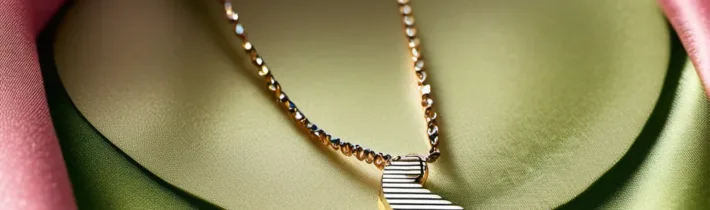
Jewelry is more than just an accessory; it is a collection of memories, milestones, and personal style. Whether it is a vintage heirloom passed down through generations or a modern piece you purchased to celebrate a personal achievement, your jewelry deserves proper care. Over time, oils from your skin, lotions, makeup, and environmental pollutants create a dull, cloudy film on the surface of your gemstones and metals. While professional cleaning services are available, you can maintain the brilliance of your collection right at home using common household items. This guide explores the safest, most effective ways to restore your jewelry’s sparkle without relying on harsh, expensive chemicals.
Understanding Your Jewelry Materials
Before you begin any cleaning process, it is vital to understand the materials you are handling. Not all jewelry is created equal, and what works for a solid gold band could be catastrophic for a piece featuring porous gemstones or delicate adhesives. Hard gemstones like diamonds, sapphires, and rubies are generally resilient, but softer, porous stones such as pearls, opals, turquoise, and emeralds require a much gentler touch. Similarly, plated jewelry—where a thin layer of precious metal covers a base metal—can be easily damaged by scrubbing or acidic cleaners. Always check for loose settings before cleaning; if a stone moves when you gently touch it with a toothpick, skip the cleaning process and take it to a professional jeweler to avoid losing the gem.
The Universal Gentle Soap Method
The safest and most effective method for cleaning the majority of gold, platinum, and diamond jewelry is a simple mixture of mild dish soap and warm water. This solution is gentle enough to avoid damaging metal settings while effectively breaking down the oils that attract dust and dirt. Fill a small bowl with warm water and add a few drops of a mild, phosphate-free dishwashing liquid. Stir the mixture until it is slightly sudsy. Submerge your jewelry in the bowl and let it soak for 15 to 20 minutes. The soaking period is crucial because it softens the hardened residue behind settings, making it much easier to remove without aggressive scrubbing.
Using Soft Tools for Targeted Cleaning
Once your jewelry has soaked, it is time to address the hard-to-reach areas, such as the underside of a ring setting or the intricate links of a chain. The best tool for this is a soft-bristled baby toothbrush. Because baby brushes are designed for delicate gums, they are gentle enough to use on jewelry without scratching the metal. Gently brush the surface and the underside of the stones using small, circular motions. Avoid using stiff or medium-bristled brushes, as these can create microscopic scratches on softer metals like gold or silver over time. If you are cleaning a diamond ring, pay special attention to the prongs, as this is where skin oils and hand lotion tend to accumulate, blocking light from entering the stone and diminishing its fire.
Rinsing and Drying Techniques
Rinsing your jewelry properly is just as important as the cleaning process itself. If you leave soap residue behind, it will eventually dry into a film that makes your jewelry look even duller than when you started. Rinse each piece under a gentle stream of lukewarm running water. If you are cleaning over a sink, always plug the drain or place a fine-mesh strainer over the opening to ensure that a loose stone or a slippery ring does not disappear down the pipes. Once rinsed, pat the piece dry with a lint-free microfiber cloth. Avoid using paper towels or tissues, as these can leave behind small paper fibers that get caught in prongs or intricate designs. Allow the jewelry to air dry completely on a soft cloth before wearing it or placing it back in your jewelry box.
Handling Silver: The Baking Soda Solution
Silver is prone to tarnishing, which is a chemical reaction caused by exposure to air and sulfur. While there are many commercial silver dips on the market, these are often abrasive and can strip away the protective finish or damage delicate engravings. A better, non-toxic alternative is the aluminum foil and baking soda method. Line a small glass bowl with aluminum foil, shiny side up. Place your tarnished silver items onto the foil, ensuring they are touching the surface. Sprinkle a tablespoon of baking soda over the silver and pour boiling water into the bowl. You will notice a slight bubbling reaction and perhaps a faint sulfur smell; this is the tarnish transferring from the silver to the aluminum. After a few minutes, remove the silver with tongs, rinse thoroughly, and polish with a soft cloth.
Special Care for Delicate and Porous Gemstones
Pearls, opals, and turquoise are organic or porous materials that require specialized care. Unlike diamonds, these stones can be damaged by heat, chemicals, and even prolonged exposure to water. For pearls, never soak them in soapy water, as this can weaken the silk thread commonly used to string them. Instead, use a soft, damp cloth dipped in a mixture of water and a tiny drop of mild soap to gently wipe each pearl individually. Follow this by wiping them with a cloth dampened only with plain water, and lay them flat to dry. Opals and turquoise should only be cleaned with a dry, soft polishing cloth. If they are extremely dirty, a very quick wipe with a damp cloth is acceptable, but they should never be submerged or exposed to ultrasonic cleaners.
Storage Habits to Prevent Build-up
The best way to keep your jewelry sparkling is to minimize the amount of dirt and grime it accumulates in the first place. Establish a “last on, first off” rule: put your jewelry on after you have applied your makeup, hairspray, and perfume, and take it off before you wash your face or apply body lotion. Chemicals in beauty products can cause rapid tarnishing and buildup. When you are not wearing your pieces, store them in a cool, dry place. A jewelry box with a soft fabric lining is ideal. For silver, consider storing pieces in anti-tarnish bags or adding a small silica gel packet to your jewelry box to absorb moisture, which is the primary catalyst for tarnish.
When to Seek Professional Help
While DIY cleaning is excellent for routine maintenance, there are times when professional intervention is necessary. If a piece of jewelry has deep scratches, loose prongs, or if the metal has become significantly discolored beyond what home methods can fix, take it to a trusted local jeweler. Professionals have access to ultrasonic cleaners and steam cleaning equipment that can reach deep into crevices that a toothbrush simply cannot. Furthermore, a jeweler can perform a “safety check” on your settings, ensuring that your stones are secure. An annual professional cleaning is a small investment that can prevent the loss of expensive stones and keep your collection in pristine condition for a lifetime.
Managing Oxidation and Patina in Mixed-Metal Designs
Modern jewelry often features mixed metals, such as a gold chain with silver charms or rose gold accents on a white gold band. These pieces present a unique challenge because the cleaning method suitable for one metal might be detrimental to another. While the baking soda and aluminum foil method is excellent for pure silver, it can sometimes leave a dull residue on gold alloys if not rinsed immediately. When dealing with mixed metals, avoid chemical dips entirely. Instead, use a specialized polishing cloth impregnated with micro-abrasives designed for multi-metal use. These cloths are safer than chemical solutions because they allow you to control the pressure applied to each specific section of the jewelry, ensuring you can polish the silver components without inadvertently scratching softer gold or rose gold links.
The Role of Humidity and Environmental Storage
Beyond simple dust and skin oils, the environment where you live plays a significant role in how quickly your jewelry tarnishes. High humidity, especially in coastal regions or during summer months, accelerates the oxidation process, particularly for sterling silver and base-metal costume jewelry. If you live in a humid climate, your standard jewelry box might not be enough. Consider incorporating anti-tarnish strips—small paper sheets that absorb pollutants from the air—inside your storage containers. These strips are far more effective than silica packets alone because they are specifically engineered to attract sulfur, the primary culprit behind silver tarnish. For pieces that you wear infrequently, vacuum-sealing them in small polyethylene bags after a thorough cleaning and drying process can effectively halt the aging process by removing the oxygen necessary for oxidation.
Troubleshooting Cloudy Stones and Prongs
Sometimes, even after a thorough cleaning, a gemstone may still appear cloudy or “dead” in terms of light refraction. This is frequently caused by a buildup of “crust” behind the pavilion, or the bottom point of the stone, which is unreachable even with a soft toothbrush. If the stone is a hard, non-porous gem like a diamond or sapphire, you can use a high-quality wooden toothpick to gently nudge debris from the underside of the setting. Never use metal needles or pins for this, as they can easily scratch the metal prongs or chip the girdle of the gemstone. If the cloudiness persists despite your best efforts, it is often a sign that the reflective foil backing—sometimes found in vintage costume jewelry—has degraded. In such cases, no amount of cleaning will restore the brilliance, and it is best to accept the piece’s vintage character rather than attempting aggressive repairs.
Safely Cleaning Intricate Filigree and Mesh
Jewelry featuring filigree or fine mesh chains acts like a magnet for dead skin cells, which can accumulate in the tight, woven spaces and create a gray, unsightly mass. Because these areas are so tight, soaking is not always enough to loosen the debris. For these specific designs, an irrigation method is highly effective. Use a clean, plastic oral irrigator or a small bulb syringe filled with a lukewarm water and mild soap solution. Gently pulse the water into the filigree or mesh. This pressurized, yet gentle, stream of water forces out trapped particles that a brush cannot reach. Always perform this over a bowl to catch any potential loose components, and follow up with a thorough rinse using the same irrigation technique with plain, distilled water to ensure no soap residue remains trapped in the intricate weaving.
Navigating Plated Jewelry Maintenance
Plated jewelry, whether it is gold-plated, vermeil, or silver-plated, requires the most cautious approach of all. The metal layer is often only a few microns thick, and even the most gentle scrubbing can accelerate the wearing-away process. For these pieces, skip the toothbrush entirely. Instead, use the “dip and dab” technique: dip a soft microfiber cloth into your soapy water solution, wring it out until it is merely damp, and gently dab the surface of the jewelry. Avoid rubbing, as the friction is what causes the plating to thin over time. After dabbing, immediately dry the piece with a separate, dry microfiber cloth. Because plated jewelry is so susceptible to chemical reactions, be particularly vigilant about avoiding contact with perfumes or hairsprays, as the chemicals in these products can cause the plating to flake or change color almost instantly.
Restoring the Luster of Matte and Brushed Finishes
Not all jewelry is meant to be high-polish; many contemporary designs utilize a matte, brushed, or satin finish. If you use a standard polishing cloth on these pieces, you risk accidentally buffing them into a high-gloss finish, which ruins the intentional texture of the design. To clean matte jewelry, focus on the gentle soap soak to lift oils. If there is stubborn dirt, use a soft-bristled brush, but move only in the direction of the “grain” or the brush strokes visible on the metal surface. If the finish eventually loses its crispness, you can restore the matte look at home using a specialized jeweler’s sanding sponge or a fine-grade abrasive pad. However, this should be done very sparingly and only if you are confident in your ability to maintain the uniform direction of the texture; otherwise, it is safer to have a professional jeweler re-apply the finish.
Frequently Asked Questions
Q: Can I use toothpaste to clean my diamond ring? A: No, you should avoid using toothpaste. Many brands of toothpaste contain abrasive agents like silica or baking soda that are designed to scrub stains off tooth enamel. These abrasives can create fine, permanent scratches on the surface of soft metals like gold and silver, eventually dulling the finish.
Q: Is it safe to clean jewelry with vinegar? A: Vinegar is an acid and can be harmful to certain types of jewelry. While it might remove tarnish from silver, it can damage porous gemstones like pearls, opals, and turquoise, and it can etch the surface of certain metals if left on too long. It is safer to stick with a mild dish soap solution for most jewelry types.
Q: How often should I clean my jewelry? A: For everyday jewelry, such as a wedding band or diamond studs, a light cleaning every two weeks is sufficient to prevent buildup. For pieces you wear only occasionally, a quick wipe with a microfiber cloth before and after wearing is usually enough to keep them sparkling.
Q: Why does my skin turn green when I wear certain rings? A: This is usually a reaction between the copper in the metal alloy and the acidity in your skin or external factors like lotions and soaps. It is not an indication of a low-quality piece, but rather a chemical reaction. Keeping your jewelry clean and dry helps prevent this reaction from occurring.
Q: Should I use an ultrasonic cleaner at home? A: Generally, no. Ultrasonic cleaners use high-frequency sound waves to vibrate dirt out of settings. These vibrations can cause loose stones to fall out or crack delicate or treated gemstones. It is best to leave the use of ultrasonic cleaners to professional jewelers who can inspect the piece for structural integrity before cleaning.