When following a keto diet, it’s important to limit your intake of carbohydrates in order to achieve and maintain a state of ketosis, where your body burns fat for fuel instead of carbohydrates. This can make it challenging to incorporate fruit into your meals, as most fruits are high in carbohydrates and sugars. However, there are some keto-friendly fruits that can be enjoyed in moderation as part of a well-rounded keto diet. In this article, we’ll explore which fruits are keto-friendly and how much you should eat.
- Berries
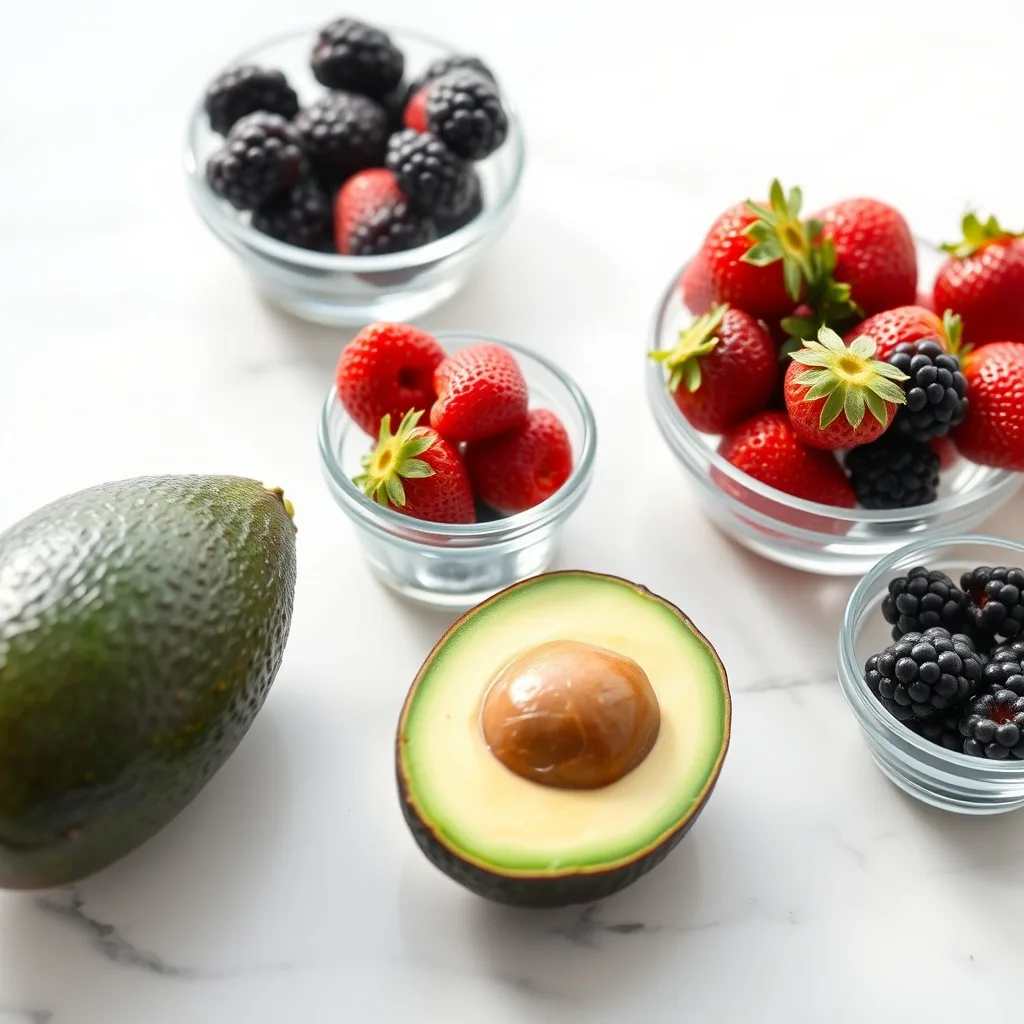
Berries, such as strawberries, raspberries, and blackberries, are generally considered to be the most keto-friendly fruits. They are low in carbs and high in fiber and antioxidants, making them a great addition to a keto diet. For example, one cup of raspberries contains only 7 grams of net carbs, while one cup of blackberries contains 6 grams of net carbs.
- Avocado
Although technically a fruit, avocado is low in carbs and high in healthy fats, making it a perfect addition to the keto diet. One medium avocado contains around 12 grams of carbs, but 10 of those are fiber, so the net carb count is just 2 grams.
- Tomatoes
While they are often used as a vegetable in cooking, tomatoes are actually a fruit. They are also relatively low in carbs, with one medium tomato containing just 4 grams of net carbs.
- Olives
Another fruit that is often used in savory dishes, olives are high in healthy fats and low in carbs. Ten medium olives contain just 1 gram of net carbs.
When it comes to how much fruit to eat on a keto diet, it’s important to keep in mind that even keto-friendly fruits can add up quickly in terms of carbohydrates. As a general rule, aim for no more than one serving of fruit per day, and choose low-carb options whenever possible. This will help you stay within your daily carb limit and maintain ketosis.
In addition to choosing the right fruits and watching your portions, it’s also important to factor in the rest of your diet when incorporating fruit into your meals. For example, if you are eating a meal that is already high in carbs, it may not be a good idea to include fruit as well. On the other hand, if you are eating a low-carb meal that is high in healthy fats and protein, adding a small serving of berries or avocado can help balance out the macronutrient ratios of your meal.
In conclusion, while most fruits are too high in carbohydrates to be included in a keto diet, there are some keto-friendly fruits that can be enjoyed in moderation. Berries, avocados, tomatoes, and olives are all relatively low in carbs and high in nutrients, making them great choices for a keto-friendly diet. When incorporating fruit into your meals, be sure to watch your portions and factor them into your daily carb count, and consider the rest of your diet to ensure that you are maintaining ketosis and getting all the nutrients you need.
Strategic Incorporations: Pairing Fruit with Healthy Fats
To mitigate the glycemic impact of even the lowest-carb fruits, the timing and composition of your meal are paramount. Consuming fruit in isolation often leads to a faster spike in blood glucose compared to consuming it alongside high-fat or high-fiber substrates. For instance, instead of eating a handful of raspberries as a standalone snack, try folding them into a bowl of full-fat Greek yogurt or ricotta cheese topped with crushed macadamia nuts. The fat content slows gastric emptying, which in turn moderates the speed at which the fructose and glucose from the berries enter your bloodstream. This “fat-buffering” technique is a staple for keto dieters who find themselves sensitive to even small amounts of fruit sugar.
The Hidden Carb Trap: Dried vs. Fresh Fruit
It is a common error to assume that if fresh fruit is keto-friendly, the dried version is as well. Dehydration removes the water weight but concentrates the sugars significantly. A single cup of fresh strawberries contains approximately 8 grams of total carbohydrates, whereas a cup of dried strawberries, often sweetened with extra sugar, can easily exceed 60 grams. Always scan labels for added sucrose, high-fructose corn syrup, or fruit juice concentrates. If you are craving the texture of dried fruit, consider using a dehydrator to make your own “fruit jerky” using low-sugar options like thin-sliced strawberries or unsweetened coconut chips, which remain within safer carbohydrate thresholds.
Citrus Zest: Capturing Flavor Without the Glycemic Load
When a recipe calls for the bright acidity of lemons or limes, you do not necessarily need to use the juice. The majority of the flavor in citrus fruits resides in the essential oils found in the zest. By using a microplane to grate only the colored part of the peel, you capture the intense aromatic profile of the fruit while leaving behind the carbohydrate-dense pulp and juice. This is an excellent way to elevate keto-friendly seafood or poultry dishes. For those who find water boring, infusing your carafe with lemon zest and fresh mint leaves provides a refreshing beverage that keeps your palate satisfied without impacting your blood sugar levels or stalling your metabolic progress.
Navigating Frozen Fruit and Thawing Techniques
Frozen fruit is often touted for its convenience, but it requires careful selection. Many commercial frozen fruit mixes include mango, pineapple, or grapes, which are high-glycemic fruits that should be strictly avoided. Furthermore, some frozen berry bags include “syrup-packed” options. Always inspect the ingredient list to ensure the product is 100% fruit with no added sugars. If you use frozen berries in a smoothie, remember that blending breaks down the fiber matrix, potentially leading to a faster insulin response than eating the whole, intact fruit. For best results, keep berries frozen until the moment you consume them, or stir them into warm keto porridge to let them thaw slowly, maintaining their structural integrity.
The Role of Fiber and Net Carb Calculations
Understanding the distinction between total carbs and net carbs is vital when evaluating fruit. While fiber is a carbohydrate, it is not digested by the body and does not count toward your daily carbohydrate limit. When choosing fruits, look for those with the highest fiber-to-total-carb ratio. Raspberries and blackberries are the gold standard here, providing a high volume of fiber that keeps you satiated. If you are struggling with keto-related digestive issues, the fiber in these specific fruits can act as a gentle prebiotic, feeding beneficial gut bacteria. However, do not use this as a license to over-consume; even fiber-rich fruits contribute to your overall daily intake, and exceeding your threshold will eventually compromise ketosis.
Seasonal Considerations and Local Sourcing
The nutritional density of fruit can vary significantly based on the time of year and how it is grown. Out-of-season fruit is often harvested early and shipped long distances, which can lead to a lower nutrient profile. When possible, source your berries from local farmers’ markets. Not only will the flavor be superior, but you are also more likely to find varieties that are less “bred for sugar” than mass-produced supermarket options. Some heirloom varieties of berries may have slightly different carbohydrate profiles, though the difference is usually negligible. Focus on the quality of the fruit—organic, sun-ripened, and free from pesticide residues—to ensure that the small amount of fruit you allow yourself contributes positively to your overall micronutrient goals.
Related posts:
 The Truth About Fruit on the Keto Diet
 Why Carbs Aren’t the Enemy You Think They Are
 Keto-Friendly Fruit Guide
 Sweet Smoothies Without the Sugar Crash
 Choosing the Healthiest Granola Bar
 Fiber for Healthy Aging: Nourishing Your Body as You Grow Older
 Managing Fiber Intake with IBS
 How to Drink Alcohol on Keto Without Sabotaging Your Goals