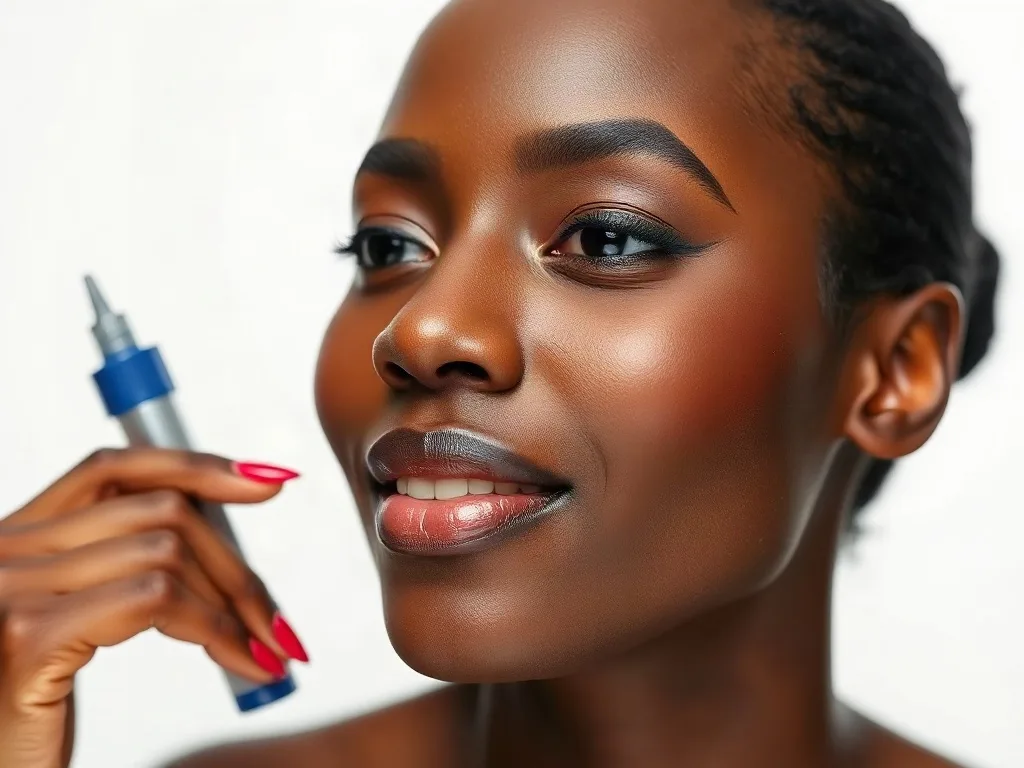
For decades, the world of aesthetic treatments felt like an exclusive club where the entry requirements were often dictated by skin tone. Laser hair removal, in particular, was once a service reserved almost exclusively for those with fair skin and dark hair. For individuals with melanin-rich skin, the early days of laser technology were fraught with risks, including burns, scarring, and permanent pigment changes. However, the landscape has shifted dramatically. Thanks to advancements in laser physics and a better understanding of the Fitzpatrick scale, laser hair removal for dark skin is not only possible but also remarkably safe and effective when performed with the right equipment and expertise.
This comprehensive guide aims to bridge the gap between outdated fears and modern reality. We will explore the science behind how lasers interact with dark skin, debunk the persistent myths that keep people from seeking treatment, and provide actionable advice for ensuring a successful journey toward smooth, hair-free skin. Whether you are dealing with chronic ingrown hairs, PCOS-related hair growth, or simply want to simplify your grooming routine, understanding the nuances of laser technology is the first step toward achieving your goals with confidence.
Understanding the Science: Why Skin Tone Matters
To understand why laser hair removal was historically difficult for dark skin, we must look at how lasers work. The fundamental principle is called selective photothermolysis. In simple terms, a laser emits a concentrated beam of light that is absorbed by a specific target, known as a chromophore. In the case of hair removal, the target is melanin—the pigment that gives hair its color. When the melanin in the hair follicle absorbs the light energy, it converts into heat, which destroys the follicle and prevents future growth.
The challenge for those with dark skin (Fitzpatrick types IV, V, and VI) is that the skin itself contains a high concentration of melanin. Older laser systems, such as the Ruby or standard Alexandrite lasers, had shorter wavelengths that couldn’t distinguish between the melanin in the hair and the melanin in the skin. When these lasers were used on dark skin, the skin absorbed too much energy, leading to thermal damage. This resulted in the notorious burns and hyperpigmentation that many still associate with the procedure today.
Modern technology has solved this by utilizing longer wavelengths. The gold standard for dark skin is the Nd:YAG laser, which operates at a wavelength of 1064nm. This longer wavelength bypasses the surface melanin in the epidermis and penetrates deeper into the dermis to reach the hair bulb directly. Because the energy is not absorbed by the skin’s surface, the risk of burning is significantly minimized, making the procedure safe for even the deepest skin tones. Understanding this distinction is vital for anyone with dark skin considering the treatment; the tool used is just as important as the person operating it.
The Evolution of Laser Technology for Melanin-Rich Skin
As mentioned, the Nd:YAG laser changed the game for the aesthetic industry. Unlike its predecessors, the 1064nm wavelength has a lower absorption rate in melanin compared to shorter wavelengths. This might sound counterintuitive—wouldn’t you want high absorption to kill the hair? While we want the hair to absorb energy, we need the skin to ignore it. The Nd:YAG allows the energy to travel safely through the melanin-rich upper layers of the skin, focusing its power on the deeper hair follicles where it is most needed.
In addition to the Nd:YAG, some modern Diode lasers have also been engineered with adjustable pulse durations that make them safer for medium-to-dark skin tones. A longer pulse duration allows the skin to cool down while the hair follicle remains heated. Many of these devices now come equipped with advanced cooling tips—such as sapphire cooling or cryogen sprays—that instantly chill the skin before and after each laser pulse. This dual-action approach (long wavelength plus active cooling) provides a safety net that was non-existent twenty years ago.
When researching clinics, it is essential to ask specifically about the types of lasers they use. A clinic that only offers Alexandrite or IPL (Intense Pulsed Light) for hair removal should be approached with extreme caution if you have dark skin. IPL is not a true laser; it uses a broad spectrum of light that is highly likely to be absorbed by the skin, making it a high-risk option for melanin-rich individuals. Always look for a facility that proudly advertises the use of a 1064nm Nd:YAG laser for their diverse clientele.
Debunking Common Myths About Laser Hair Removal
Despite technological leaps, several myths persist, causing unnecessary hesitation. Let’s address the most common misconceptions head-on.
Myth 1: Laser hair removal doesn’t work on dark skin. This is entirely false. While it is true that the contrast between dark hair and light skin makes the process easier for the laser to “see” its target, modern lasers are highly effective on dark skin. The goal remains the same: permanent hair reduction. Most patients with dark skin see a 70-90% reduction in hair growth after a full course of treatments.
Myth 2: It will cause permanent scarring or white spots. When performed by a trained professional using an Nd:YAG laser, the risk of scarring is extremely low. White spots (hypopigmentation) or dark spots (hyperpigmentation) usually only occur when the wrong laser is used or when the settings are too aggressive for the patient’s skin type. This is why patch testing and choosing an experienced provider are non-negotiable steps.
Myth 3: The process is unbearably painful. Pain is subjective, but most describe the sensation as a rubber band snapping against the skin. For those with dark skin, the Nd:YAG might feel slightly more intense because the energy is penetrating deeper, but modern cooling technologies and topical numbing creams make it very manageable. Many patients find it far less painful than a lifetime of waxing or the irritation of chronic ingrown hairs.
Myth 4: You only need one or two sessions. This myth applies to all skin tones. Hair grows in cycles—anagen (growth), catagen (transition), and telogen (resting). The laser only destroys hair in the anagen phase. Since only about 15-20% of your hair is in this phase at any given time, you need multiple sessions (usually 6 to 10) spaced several weeks apart to catch every follicle in its active state.
Preparing for Your First Session: A Step-by-Step Guide
Preparation is the foundation of safety, especially for melanin-rich skin. If you fail to prepare, you increase the risk of adverse reactions. Here is a practical checklist to follow in the weeks leading up to your appointment.
First, avoid all forms of hair removal that pull the hair from the root for at least four to six weeks before your session. This includes waxing, plucking, threading, and epilating. The laser needs the hair root to be present in the follicle to work. Shaving, however, is encouraged. In fact, you should shave the treatment area 24 hours before your appointment. This ensures the laser energy travels down the hair shaft into the root rather than burning the hair above the skin’s surface.
Second, stay out of the sun. Even though the Nd:YAG is safer for dark skin, a fresh tan (whether from the sun or a bottle) increases the melanin activity in your skin and can make it more sensitive to the laser. Discontinue the use of self-tanners and avoid prolonged sun exposure for at least two weeks prior. Additionally, stop using active skincare ingredients like retinoids, alpha-hydroxy acids (AHAs), or beta-hydroxy acids (BHAs) on the treatment area for five to seven days before your session, as these can increase skin sensitivity.
Finally, always insist on a consultation and a patch test. A reputable technician will evaluate your skin using the Fitzpatrick scale and perform a test pulse on a small, inconspicuous area. They will then wait 24 to 48 hours to see how your skin reacts before proceeding with a full treatment. This step is the ultimate safeguard against unexpected side effects.
What to Expect During and After Treatment
When you arrive for your session, the technician will clean the area and may apply a cooling gel or a topical anesthetic if you are particularly sensitive. You will be given protective eyewear to shield your eyes from the laser’s light. As the treatment begins, you will feel a series of quick, hot snaps. Many modern machines also deliver a cold blast of air simultaneously to soothe the skin.
Depending on the size of the area, the session can last anywhere from five minutes (for the upper lip) to an hour (for full legs). Immediately after the treatment, it is normal for the skin to appear slightly red or swollen, a condition known as perifollicular edema. This looks like small bumps around the hair follicles and typically subsides within a few hours to a couple of days.
Post-care is where you maintain the health of your skin. Apply a soothing, fragrance-free aloe vera gel or a cold compress to manage any lingering heat. Avoid hot showers, saunas, gyms, and swimming pools for 24 to 48 hours, as excess heat and bacteria can irritate the vulnerable follicles. Most importantly, apply a broad-spectrum SPF 30+ to the treated area every single day. Dark skin is prone to post-inflammatory hyperpigmentation (PIH), and UV exposure on laser-treated skin is the fastest way to trigger it. Treat your skin with kindness, and it will reward you with a smooth recovery.
Success Stories and Real-World Results
While clinical data is important, the human element often tells a more compelling story. For many people with dark skin, laser hair removal is not just a cosmetic choice; it’s a solution to painful, chronic skin issues. Consider the common experience of those who struggle with pseudofolliculitis barbae, more commonly known as razor bumps. This condition is particularly prevalent in individuals with curly hair and dark skin, where the hair curves back into the skin after shaving, causing inflammation, pus-filled bumps, and eventual scarring.
One common success story involves patients who have spent years hiding their necks or bikini lines due to the dark spots left behind by ingrown hairs. After just three or four sessions of Nd:YAG laser treatment, many report that the ingrown hairs stop forming entirely. As the hair becomes finer and the irritation ceases, the skin’s natural healing process kicks in, and the hyperpigmentation begins to fade. For these individuals, the “success” isn’t just the lack of hair; it’s the restoration of their skin’s texture and their personal confidence.
Another significant success area is for women dealing with hormonal hair growth due to Polycystic Ovary Syndrome (PCOS). PCOS often causes thick, dark hair on the chin, chest, and abdomen. Traditional methods like plucking can worsen the skin’s condition over time. Laser hair removal offers a long-term management strategy that reduces the daily burden of grooming. While hormonal changes may mean these patients require more frequent maintenance sessions, the improvement in quality of life is often described as transformative. These stories highlight that when technology meets the right candidate, the results go far beyond the surface.
Choosing the Right Provider: A Checklist
The safety of laser hair removal on dark skin is 50% technology and 50% technician skill. You should never choose a clinic based solely on a Groupon deal or the lowest price. Here is a checklist of questions to ask during your consultation to ensure you are in safe hands:
- What specific laser machine do you use for dark skin? (Look for the answer “Nd:YAG” or “1064nm”).
- How many patients with my specific skin tone have you treated? Experience with Fitzpatrick types IV-VI is crucial.
- Do you perform a mandatory patch test? If they say it’s not necessary, walk away.
- What is your protocol if a burn or hyperpigmentation occurs? A professional clinic will have a clear medical protocol for adverse events.
- Can I see before-and-after photos of patients with skin tones similar to mine? This proves they have successfully handled similar cases.
Beyond the questions, observe the environment. Is it clean? Does the technician take the time to explain the risks and the hair growth cycle? Do they ask about your medical history and medications? (Certain medications, like some antibiotics or St. John’s Wort, can make your skin photosensitive). A provider who prioritizes education over a quick sale is always the better choice for your skin’s health.
Managing Risks and Side Effects
Even with the best technology and a skilled technician, no medical-aesthetic procedure is entirely without risk. The most common side effect for dark skin is post-inflammatory hyperpigmentation (PIH). This occurs when the skin produces extra melanin in response to the heat of the laser, resulting in dark patches. Fortunately, PIH is usually temporary and can be treated with topical lighteners like hydroquinone (under medical supervision) or ingredients like kojic acid and niacinamide.
In rare cases, the opposite can happen: hypopigmentation, where the skin loses its color. This is more difficult to treat and is usually the result of excessive heat or using the wrong laser wavelength. This is why the “slow and steady” approach is preferred. It is better to have a slightly less aggressive treatment that requires an extra session than to push the limits and cause pigment damage.
Another rare but notable side effect is paradoxical hypertrichosis—a condition where the laser actually stimulates more hair growth. This most commonly occurs on the face of women with certain skin types when low-energy settings are used. While rare, a knowledgeable technician will know how to adjust settings to prevent this. By being aware of these risks, you can have an honest dialogue with your provider and monitor your skin’s response throughout the process.
Actionable Guidance for Long-Term Maintenance
Once you have completed your initial series of treatments, you will enter the maintenance phase. It is important to remember that “permanent hair removal” is a bit of a misnomer; the industry standard term is “permanent hair reduction.” Over time, some dormant follicles may activate due to hormonal shifts, stress, or aging.
Most people find that a single maintenance session once or twice a year is enough to keep the area smooth. Between sessions, if you do see stray hairs, continue to shave them rather than plucking. Shaving keeps the root intact for your next touch-up. Continue to prioritize sun protection, as the skin in the treated area can remain more sensitive to UV damage for several months.
Finally, pair your laser journey with a solid skincare routine. Exfoliating gently with a chemical exfoliant (like a mild salicylic acid wash) a few days after your session can help the “shedding” process, where the dead hairs fall out of the follicles. Keeping the skin hydrated with ceramide-rich moisturizers will maintain the skin barrier, ensuring that your skin looks as good as it feels. Laser hair removal is an investment in yourself, and with the right approach, it is one that pays dividends in time, comfort, and confidence.
Decoding the Fitzpatrick Scale: Precision Settings for Types IV, V, and VI
While the existing article introduces the Fitzpatrick scale, understanding the granular differences between types IV, V, and VI is essential for a safe clinical outcome. For a technician, a patient who is a Fitzpatrick IV (often characterized by olive or light brown skin that tans easily and rarely burns) requires a significantly different energy profile than a Fitzpatrick VI (deeply pigmented skin that never burns). The primary variable at play here is the “thermal relaxation time” (TRT). This is the amount of time it takes for a target—either the hair follicle or the surrounding skin—to lose 50% of its heat. Because melanin-rich skin absorbs heat more readily, the laser must be programmed with a longer pulse duration. This allows the skin to cool down while the hair follicle, which is thicker and holds heat longer, reaches the temperature necessary for destruction.
For those with type VI skin, the margin for error is slimmer. A skilled practitioner will often utilize a “double-pass” technique with lower energy (fluence) rather than one high-energy pass. This cumulative heating strategy effectively disables the hair bulb without ever reaching the threshold that triggers a thermal injury to the epidermis. If you are interviewing a provider, ask them how they adjust the pulse width for your specific Fitzpatrick type. If they suggest that the same settings work for everyone with “dark skin,” it indicates a lack of nuanced understanding of laser physics. True expertise lies in the ability to calibrate the Joules per square centimeter and the millisecond duration to match the specific light-to-dark gradient of your unique complexion.
The Intersection of Hormones and Melanin: Timing Your Treatments
Hormonal fluctuations play a silent but pivotal role in the success of laser hair removal, particularly for individuals with melanin-rich skin who may already be prone to pigmentary shifts. For instance, during a menstrual cycle, many patients report increased sensitivity to pain and a heightened inflammatory response. For those with dark skin, inflammation is the precursor to post-inflammatory hyperpigmentation (PIH). Scheduling your sessions during the mid-cycle (ovulation) rather than during your period can reduce systemic sensitivity and lower the risk of an aggressive inflammatory reaction.
Furthermore, the relationship between androgens and hair growth is critical. In cases of hirsutism or PCOS, the hair follicles are under constant hormonal stimulation. This doesn’t mean laser won’t work, but it does mean the “anagen” phase (growth phase) may be shorter or more sporadic. For dark-skinned patients, this often necessitates a more rigid schedule. Missing an appointment by even two weeks can allow follicles to revert to a resting phase, making the subsequent treatment less effective. Additionally, if you are taking hormonal medications or supplements like Spironolactone, it is vital to disclose this. These medications can alter the thickness of the hair, requiring the technician to adjust the laser’s “spot size.” A larger spot size penetrates deeper, which is often necessary for the coarse, androgen-driven hair commonly found on the chin and neck of those with hormonal imbalances.
Managing Pre-Existing Hyperpigmentation and Keloid Risks
A common concern for individuals with dark skin is whether laser hair removal can be performed over existing dark spots, scars, or areas prone to keloids. Many people seeking laser treatment are doing so specifically because they have “razor bumps” (pseudofolliculitis barbae) that have left behind a map of dark spots. The good news is that the 1064nm Nd:YAG laser is generally safe to use over hyperpigmented areas because the wavelength is long enough to bypass the surface pigment. However, if the hyperpigmentation is extremely dark or “fresh,” the technician may need to lower the energy slightly to avoid over-heating that specific patch of skin.
Keloid scarring—a condition where the skin overreacts to injury by producing excess scar tissue—is more prevalent in Fitzpatrick types IV through VI. While the laser itself does not typically cause keloids (as it is a non-ablative treatment that doesn’t break the skin), any accidental burn could potentially trigger a keloid response. This is why the patch test mentioned previously is so vital. If you have a history of keloids, your provider should avoid any areas with active, raised scars and focus on the surrounding tissue. By eliminating the root cause of the irritation (the hair), the laser actually prevents the future trauma—like nicks from shaving or irritation from waxing—that usually leads to keloid formation in the first place.
Anatomical Considerations: Why the Bikini Line and Underarms Differ
Melanin density is not uniform across the human body. For most people, the skin in the axilla (underarms) and the pubic region is naturally darker than the skin on the arms or legs. This regional variation is a critical edge case in laser hair removal for dark skin. When moving from the legs to the bikini area, a technician must recalibrate the laser to account for the increased baseline melanin. Because these areas are also high-friction zones, the skin is often more reactive. The combination of natural pigment, friction, and the coarse nature of the hair in these regions makes them the most successful areas for treatment, but also the ones requiring the most caution.
In the bikini area specifically, the depth of the hair follicles can vary. Using a laser with a cooling vacuum or a chilled tip is not just about comfort; it’s about protecting the delicate skin of the inner thighs and labia, which are highly susceptible to PIH. If you are treating the face, the opposite is true. Facial skin is thinner and has a higher density of hair follicles per square inch. This requires a faster pulse repetition rate but lower individual energy bursts to prevent the “stacking” of heat. Understanding that your body requires a multi-setting approach rather than a “one-size-fits-all” session is a hallmark of a high-end, safe clinical experience.
Chemical Interactions: Navigating Skincare and Lightening Agents
Many individuals with dark skin utilize a sophisticated regimen of topical agents to manage evening out their skin tone. Ingredients like hydroquinone, alpha-arbutin, kojic acid, and high-strength retinoids are common. However, these chemicals can significantly alter how your skin reacts to laser energy. Hydroquinone, for example, works by suppressing melanocyte activity. While this might seem helpful, it can also make the skin more photosensitive and “fragile.” Most experts recommend discontinuing hydroquinone and strong retinoids at least 7 to 10 days before a laser session.
Post-treatment, the reintroduction of these ingredients must be handled with care. Applying a retinoid too soon after a laser pulse can lead to a chemical burn on top of the thermal energy the skin just processed. A safe window is usually five days post-laser, or once all redness and “perifollicular edema” (the small bumps) have completely vanished. Interestingly, some dermatologists recommend using a mild tyrosinase inhibitor (like a vitamin C serum or azelaic acid) in the weeks between sessions. By keeping the melanin-producing cells “quiet,” you reduce the likelihood of the laser heat triggering a defensive pigment response, leading to a clearer, more even skin tone as the hair disappears.
The Financial and Time-Cost Analysis for Melanin-Rich Skin
For many in the Black and Brown community, the decision to undergo laser hair removal is a significant financial commitment. However, when viewed through the lens of long-term skin health, the “cost per use” often favors laser over traditional methods. Individuals with dark, curly hair often spend hundreds of dollars annually on specialized razors, ingrown hair serums, and professional waxing to avoid the pain of PFB. Over a ten-year period, the cost of high-quality Nd:YAG laser treatments is typically 40% to 60% less than the cumulative cost of waxing and the topical treatments required to fix the resulting skin damage.
Beyond the monetary aspect, there is the “time tax.” For those dealing with rapid hair regrowth on the face or neck, the daily ritual of plucking or shaving can take 15 to 30 minutes. Over a year, this equates to nearly 100 hours spent on hair management. Laser hair removal effectively “buys back” this time. For patients with dark skin, the value proposition is even higher because the procedure doesn’t just remove hair—it acts as a corrective treatment for the skin’s texture. When you factor in the reduction in dermatologist visits for infected follicles and the confidence gained from having clear skin, the investment transcends mere aesthetics and becomes a form of essential self-care.
The Danger of At-Home Devices and Under-Powered Technology
A dangerous trend in the beauty industry is the proliferation of at-home IPL (Intense Pulsed Light) devices marketed as “safe for all skin tones.” For individuals with Fitzpatrick IV-VI skin, these devices are a significant hazard. As noted in the science of the Nd:YAG, dark skin requires a very specific, long wavelength to remain safe. Most at-home devices use broad-spectrum light that is aggressively absorbed by surface melanin. Using these devices on dark skin frequently results in “checkerboard” burns or permanent white spots (hypopigmentation) where the melanocytes have been destroyed entirely.
Furthermore, even in professional settings, not all Nd:YAG lasers are created equal. Some “budget” clinics use older, refurbished machines that may have inconsistent energy outputs. A “fluctuating” beam can deliver a spike of energy that exceeds the skin’s safety threshold. When choosing a provider, look for medical-grade platforms such as the Candela GentleMax Pro or the Cynosure Elite iQ. These machines are calibrated for medical environments and offer dual-wavelength capabilities, allowing the technician to switch to the 1064nm Nd:YAG specifically when treating darker areas of your body. Investing in a clinic that uses top-tier technology is the best insurance policy against the complications that historically gave laser hair removal a bad name in the Black and Brown community.
Frequently Asked Questions
1. Is laser hair removal more expensive for dark skin?
Generally, the price per session is the same regardless of skin tone. However, because the settings on an Nd:YAG laser must sometimes be more conservative to ensure safety, patients with dark skin might require one or two more sessions than those with light skin to achieve the same level of clearance. It is an investment in safety over speed.
2. Can I get laser hair removal if I have a tan?
It is highly discouraged. A tan, whether from the sun or a tanning bed, increases the melanin in your skin, making it harder for the laser to distinguish between the hair and the skin. This significantly increases the risk of burns. You should wait until your tan has completely faded before undergoing a session.
3. How do I know if a clinic is using the right laser for me?
Don’t be afraid to ask for the name and model of the machine. Research it online. If they use a Candela GentleMax Pro, for example, it has both Alexandrite and Nd:YAG capabilities, which is excellent. If they use a machine that only offers IPL or a standard Alexandrite, and you have dark skin, that clinic may not be the best fit for you.
4. Will laser hair removal help with my dark spots from old ingrown hairs?
Yes, indirectly. By stopping the hair from growing and preventing new ingrown hairs, the laser allows the skin to finally heal. Without the constant trauma of shaving and inflammation, your skin’s natural cell turnover will eventually fade the dark spots. Many providers also offer specific laser settings or chemical peels to speed up the fading of hyperpigmentation once the hair is gone.
5. Is it safe to do laser hair removal on the face if I have dark skin?
Yes, it is safe, provided the Nd:YAG laser is used. The face is a common area for treatment, especially for those dealing with hormonal growth. However, because facial skin is thinner and more exposed to the sun, you must be extremely diligent with SPF application post-treatment to avoid any pigment changes.
Related posts:
 Hair Slugging Beauty Trend Guide
 Blow Drying Hair Without Damage: Expert Tips
 Hair Dryer Disasters: The Blow-Dry Mistakes Sabotaging Your Style
 Eyebrow Extensions Are the New Lash Extensions
 Perfect Curly Hair Routine
 Silk Hair Ties: Gentle on Hair, Tough on Tangles
 Gray Hair Treatment Options
 Zoe Kravitz’s Coconut Oil Hair Care Secret