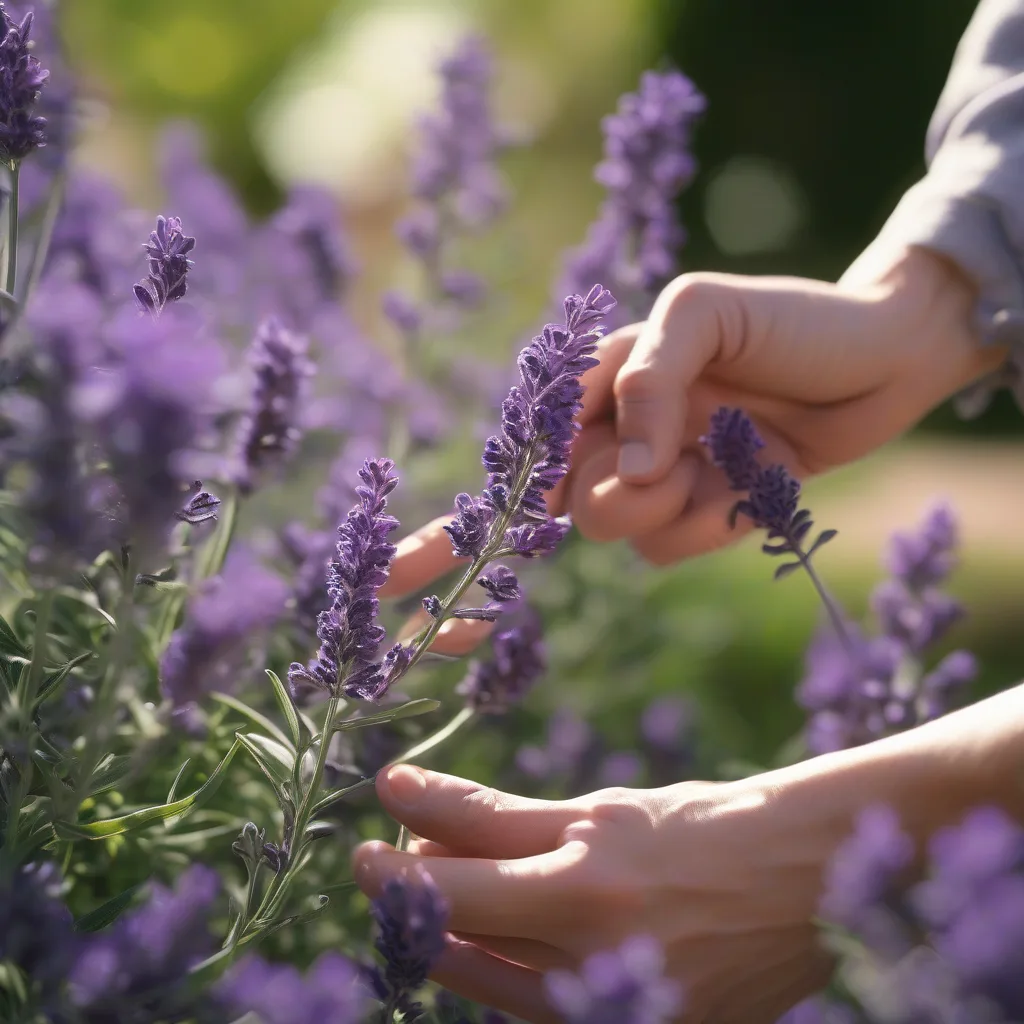
Lavender is more than just a fragrant garden addition; it is a Mediterranean native that brings beauty, utility, and tranquility to any outdoor space. Known for its iconic purple spikes and calming scent, lavender (Lavandula) is a versatile perennial that thrives when its specific environmental needs are met. While often perceived as difficult to grow, success with lavender comes down to mimicking its native climate: plenty of sunlight, excellent drainage, and minimal fuss.
Key takeaways
- Provide at least six to eight hours of full sunlight daily to ensure healthy growth and prevent leggy stems.
- Prioritize excellent drainage by using sandy or gravelly soil to avoid root rot, which is the most common cause of failure.
- Prune plants annually after the first flush of flowers fades to maintain shape and prevent the base from becoming woody.
- Water deeply during the first year, then allow soil to dry out completely between waterings once the plant is established.
Understanding Your Lavender Variety
Before planting, it is crucial to select the variety that suits your specific climate. Lavandula angustifolia, commonly known as English Lavender, is the most popular choice for temperate climates due to its hardiness and cold tolerance. It is prized for its culinary uses and high oil content. For those in warmer, more humid regions, Lavandula stoechas, or Spanish Lavender, is often a better choice, as it tolerates heat and humidity better than its English cousins. Lavandin (Lavandula x intermedia) is a hybrid that grows larger and is often used for commercial oil production or dried arrangements. Identifying your variety helps you gauge how much winter protection or summer heat tolerance your plant will require.
Choosing the Perfect Planting Site
Lavender is a sun-worshipper. To thrive, it requires at least six to eight hours of direct, full sunlight every single day. If you plant lavender in a shaded area, you will likely see leggy, weak growth and very few flowers. Beyond light, airflow is the most critical factor in site selection. Lavender is susceptible to fungal issues if it sits in stagnant, humid air. Avoid planting it in low-lying areas where water collects or cold air settles. A raised bed or a sloped area of the garden is often ideal, as these locations naturally promote better drainage and air circulation.
Mastering Soil Requirements and Drainage
The most common cause of lavender failure is “wet feet,” or root rot caused by poorly draining soil. Lavender prefers a lean, slightly alkaline, sandy, or gravelly soil rather than rich, organic-heavy compost. If you have heavy clay soil, you must amend it significantly before planting. Incorporate horticultural grit, sand, or pea gravel into the planting hole to ensure water moves away from the roots rapidly. Adding a small amount of lime can help balance the pH if your soil is overly acidic, as lavender prefers a pH between 6.5 and 7.5. When planting in containers, use a high-quality potting mix specifically formulated for cacti or succulents to ensure fast drainage.
Watering Practices for Long-Term Success
Once established, lavender is remarkably drought-tolerant, but it does require consistent moisture during its first year of growth to develop a strong root system. During the first growing season, water your lavender deeply once or twice a week, depending on the heat. Once the plant is established, you should allow the soil to dry out completely between waterings. Overwatering is far more dangerous to lavender than underwatering. During the winter months, when the plant is dormant, stop watering entirely unless you live in a climate with extremely dry, frost-free winters. Always water at the base of the plant rather than overhead to keep the foliage dry and prevent fungal outbreaks.
Pruning and Maintenance for Plant Longevity
Regular pruning is the secret to keeping lavender plants from becoming woody and sparse. Without proper maintenance, the center of the plant can open up, losing its shape. The best time to prune is immediately after the first flush of flowers begins to fade. Use sharp, clean pruning shears to remove the spent flower stalks and about one-third of the current year’s green growth. It is vital to avoid cutting into the old, woody stems, as lavender often struggles to produce new growth from hardened wood. A light trim in late summer helps the plant prepare for winter, but avoid heavy pruning late in the season, as this can stimulate new growth that will be killed by the first frost.
Dealing with Pests and Environmental Stress
Lavender is generally pest-resistant, primarily because its strong scent acts as a natural deterrent to many insects. However, you may occasionally encounter aphids or whiteflies, particularly if the plant is stressed. These can usually be managed with a gentle stream of water or insecticidal soap. The most significant threat to lavender is root rot, which appears as wilting or yellowing leaves despite the soil being wet. If you notice this, check the soil drainage immediately. If you live in a region with very cold winters, you may need to provide winter mulch, but be careful not to pile mulch directly against the crown of the plant, as this can trap moisture and cause rot.
Harvesting and Drying Your Lavender
Harvesting lavender is one of the most rewarding parts of growing the herb. The best time to harvest for drying or oil extraction is just as the flower buds are starting to open but before they are fully bloomed. At this stage, the essential oil content is at its peak. Use sharp scissors to cut the stems as long as possible. To dry, bundle the stems together with a rubber band and hang them upside down in a cool, dark, and well-ventilated room. Avoid direct sunlight during the drying process, as it will bleach the color and dissipate the oils. Once fully dry, you can strip the buds from the stems for use in sachets, culinary recipes, or potpourri.
Incorporating Lavender into Your Landscape
Because of its structure and color, lavender is an excellent companion plant. It pairs beautifully with roses, as it helps deter pests that often target rose bushes. It is also a magnet for pollinators, including bees, butterflies, and beneficial hoverflies, making it an essential component of a wildlife-friendly garden. Consider planting lavender along walkways where the fragrance can be released when brushed against, or use it as a low-maintenance hedge to define garden borders. Its silver-green foliage provides visual interest throughout the year, even when the plant is not in bloom, making it a staple of Mediterranean-style garden design.
Propagation Strategies: Expanding Your Lavender Collection
Once you have mastered the art of keeping your lavender alive, you may find yourself wanting more of these fragrant perennials. While seeds are an option, they are notoriously slow to germinate and often lack the vigor of the parent plant. Propagation via semi-hardwood cuttings is the gold standard for home gardeners. In mid-to-late summer, select a non-flowering shoot about four to six inches long. Use a sterile, sharp knife to make a clean cut just below a leaf node. Strip the lower leaves, leaving only the top cluster, and dip the cut end into a rooting hormone to accelerate development. Place these cuttings into a pot filled with a mixture of perlite and peat-free compost. Cover with a clear plastic bag to create a mini-greenhouse effect and place in a bright, indirect light location. Roots typically form within six to eight weeks, at which point you can transplant them into individual pots to harden off before moving them to the garden the following spring.
The Role of Soil pH and Mineral Amendments
Lavender is famously sensitive to soil chemistry, and many failures can be traced back to an improper pH balance. While lavender thrives in the 6.5 to 7.5 range, it is actually quite tolerant of slightly alkaline conditions—a trait that makes it perfect for gardeners with limestone-heavy soil. If your soil is naturally acidic, applying agricultural lime in the early spring can raise the pH and improve the plant’s ability to uptake vital nutrients. Conversely, if you are working with heavy, nutrient-dense garden soil, avoid the temptation to add rich manure or high-nitrogen fertilizers. High nitrogen encourages rapid, lush foliage growth at the expense of floral production and can make the plant’s stems brittle, leading to collapse during heavy rains or high winds. Instead, focus on improving physical structure by adding horticultural grit or volcanic rock, which keeps the soil aerated and prevents the compaction that lavender roots despise.
Managing Seasonal Stress and Heat Waves
While lavender is a heat-lover, modern climate fluctuations can push even the most robust plants to their limits. During sustained heat waves, the plant may begin to transpire more water than its root system can supply, leading to temporary wilting. Do not reflexively water the plant during the hottest part of the day; instead, wait until the evening when temperatures have dropped. If you are growing lavender in containers, the pot itself can become a heat sink, scorching the roots. In these cases, consider double-potting—placing the lavender’s inner pot inside a larger, decorative one with an air gap between them—to provide an insulating layer against thermal stress. If you notice the foliage becoming excessively grey or brittle during a drought, a light misting of the foliage in the early morning can help the plant recover without saturating the root zone.
Common Pathogens: Beyond Root Rot
While root rot is the primary adversary, other issues can manifest in stressed lavender. Botrytis blight, also known as grey mold, can appear during periods of high humidity or excessive rain. It typically presents as fuzzy, grey-brown fungal growth on the leaves or flower spikes, often following a period of poor air circulation. To combat this, immediately prune away the affected material and dispose of it—never compost diseased lavender. Ensure that your plants are spaced at least 24 to 36 inches apart to allow for maximum airflow. Another subtle issue is Alfalfa Mosaic Virus, which causes bright yellow, mottled patterns on the leaves. While it is rarely fatal, it can weaken the plant over time. Because this virus is often spread by aphids, maintaining a healthy population of beneficial insects like ladybugs and lacewings is your best biological defense against the vectors that transmit these diseases.
Culinary and Therapeutic Harvesting Techniques
Harvesting lavender for culinary purposes requires a slightly different approach than harvesting for dried arrangements. For cooking, you want the floral intensity to be high but the bitterness to be low. The ideal moment is when the bottom third of the florets on the spike are open. This is when the essential oils are at their most balanced. When using lavender in the kitchen, remember that it is a member of the mint family and is highly potent; a little goes a long way. Always ensure you are using culinary-grade lavender, such as *Lavandula angustifolia*, which has lower camphor levels than other varieties. When drying for food, strip the buds from the stems once they are fully dry and store them in an airtight glass jar in a dark cupboard. Exposure to light will degrade the flavor profile significantly, turning your aromatic herb into flavorless plant matter within a few months.
Winterizing Lavender in Cold Climates
For gardeners in USDA zones 5 or 6, winter is the true test of lavender resilience. The primary danger isn’t just the cold, but the combination of freezing temperatures and saturated soil. If the ground remains wet during a freeze, the expanding ice crystals can rupture the root cells, leading to plant death. To mitigate this, consider installing a layer of coarse gravel or sand at the base of the plant to help drain away meltwater. In late autumn, you can construct a “teepee” of evergreen boughs over the plant; this provides a windbreak and a layer of insulation while still allowing for the airflow that lavender requires to prevent rot. Avoid using plastic or heavy fabrics as covers, as these trap moisture and heat, potentially tricking the plant into breaking dormancy too early during a mid-winter thaw.
Companion Planting for Garden Health
Lavender acts as a powerful “guardian” plant in the garden, and choosing the right companions can maximize its benefits. Because it is highly attractive to bees, planting lavender near fruit trees or vegetable crops that require heavy pollination—such as squash, cucumbers, or peppers—will naturally increase your crop yields. Conversely, avoid planting lavender near moisture-loving, shade-tolerant plants like hostas or ferns. The irrigation needs of these plants will likely lead to the demise of your lavender. Instead, group lavender with other Mediterranean herbs like rosemary, thyme, and sage, which share its preference for lean soil and full sun. These “herb guilds” not only look aesthetically cohesive but also share similar maintenance schedules, making it easier to manage your garden’s water and pruning needs throughout the growing season.
Frequently Asked Questions
Q: Why is my lavender turning woody at the base? A: Woody stems are a natural part of lavender’s aging process. However, if it happens too quickly, it is often due to a lack of regular pruning or insufficient sunlight. To prevent this, perform a light, consistent prune every year after flowering to encourage fresh, green growth.
Q: Can I grow lavender in containers successfully? A: Yes, lavender thrives in containers as long as the pot has large drainage holes and you use a gritty, fast-draining soil mix. Ensure the pot is large enough to accommodate root growth and place it in the sunniest spot on your patio or balcony.
Q: How do I know if my lavender needs more water? A: Lavender will tell you it needs water if the leaves begin to look dull, grey, or slightly drooping. However, always test the soil with your finger; if the top two inches are still damp, wait a few more days before watering.
Q: Should I fertilize my lavender plants? A: Lavender actually prefers poor soil. Fertilizing is generally unnecessary and can actually do more harm than good by forcing soft, rapid growth that is susceptible to pests and disease. A light top-dressing of compost once a year in the spring is usually sufficient.
Q: How can I protect my lavender from a harsh winter? A: If you live in a cold climate, ensure your lavender is planted in well-draining soil so ice doesn’t form around the roots. You can add a layer of pine needles or straw around the base of the plant in late autumn, but keep the mulch away from the main stems to avoid trapping moisture.
Related posts:
 Methods for Improving Your Backyard Soil Quality
 Rose Crystal Garden in NYC
 Essential Tips for Better Garden Health
 How to Regrow Common Kitchen Vegetables From Scraps
 The Best Potting Soil for Houseplants, According to Plant Parents
 Practical Tips for Growing Herbs on a Balcony
 DIY Plant Pot Recycling Ideas
 Simple Tips for Better Indoor Plant Care