
Busy food lovers often juggle recipe testing, grocery runs, and long kitchen hours, leaving little room for a lengthy gym session. Lee Hersh, a certified trainer and culinary enthusiast, designed a 15‑minute total‑body routine that fits into a lunch break or the pause between simmering sauces. The workout blends strength, cardio, and mobility so you can keep energy high, maintain muscle tone, and still have time to perfect that soufflé.
Why a 15‑Minute Workout Works for Busy Foodies
Time efficiency is the primary advantage. Research shows that short, high‑intensity intervals can elicit similar cardiovascular and metabolic benefits as longer moderate sessions when total work volume is matched. For a foodie, the kitchen already demands bursts of activity — chopping, whisking, lifting heavy pots — so a compact workout mirrors those natural movement patterns. The routine also spikes post‑exercise oxygen consumption, meaning you continue burning calories while you plate the final dish. Finally, a brief session reduces the mental barrier of “I don’t have time,” making consistency far more attainable.
Core Principles of Lee Hersh’s Method
Lee’s philosophy rests on three pillars: compound movements, minimal equipment, and progressive intensity. Compound exercises such as squats, push‑ups, and rows recruit multiple muscle groups, delivering a full‑body stimulus in fewer reps. The program requires only a pair of dumbbells or a sturdy water bottle, so you can train in a home kitchen or a small apartment. Progressive intensity is achieved by adjusting tempo, rest intervals, or load week to week, ensuring continual adaptation without extending the session length.
Warm‑Up Routine (2 minutes)
Start with thirty seconds of marching in place, driving knees high and swinging arms. Follow with thirty seconds of arm circles — forward then backward — to lubricate the shoulder girdle. Next, perform thirty seconds of bodyweight good mornings, hinging at the hips while keeping a neutral spine. Finish with thirty seconds of dynamic chest openers: clasp hands behind the back, straighten arms, and lift gently while inhaling. This sequence raises core temperature, activates the posterior chain, and prepares the joints for the main circuit.
Full‑Body Circuit (10 minutes)
Perform each exercise for forty seconds, rest twenty seconds, then move to the next. Complete two rounds for a total of ten minutes.
- Goblet Squat – Hold a dumbbell vertically at chest height, feet shoulder‑width. Sit back, keep chest up, drive through heels.
- Push‑Up to Side Plank – Execute a standard push‑up, then rotate into a side plank on the right arm; next round switch to left.
- Bent‑Over Row – Hinge at hips, back flat, pull dumbbells toward hips, squeeze shoulder blades.
- Reverse Lunge with Knee Drive – Step back into a lunge, then drive the rear knee upward as you stand; alternate legs each rep.
- Plank Shoulder Taps – In a high plank, tap opposite shoulder while resisting hip rotation.
- Glute Bridge March – Lie supine, lift hips, alternately lift each foot a few inches, keeping pelvis stable.
If you prefer bodyweight only, replace the dumbbell moves with a backpack filled with cans or a sturdy water jug.
Cool‑Down and Mobility (3 minutes)
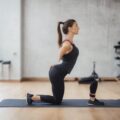
Spend thirty seconds in a standing forward fold, letting the head hang. Move into a low lunge with the back knee down, sinking hips forward for thirty seconds each side. Follow with a seated figure‑four stretch, holding thirty seconds per side to target the piriformis. Finish with a supine spinal twist, knees bent, dropping them to each side for thirty seconds. Deep breathing throughout helps transition the nervous system from sympathetic to parasympathetic, aiding digestion — perfect before a tasting session.
Nutrition Tips to Fuel the Session
Because the workout is brief, a massive pre‑exercise meal isn’t necessary. Aim for a light snack 30‑45 minutes prior: a banana with a tablespoon of almond butter, or a small Greek yogurt with berries. Hydration is key; sip 200‑250 ml of water in the hour before you start. Post‑workout, prioritize protein and carbohydrate within 45 minutes — think a turkey‑avocado wrap or a smoothie with whey, spinach, and frozen mango. This replenishes glycogen, supports muscle repair, and keeps you ready for the next culinary experiment.
Adapting the Workout for Different Fitness Levels
Beginners can reduce the work interval to thirty seconds and extend rest to thirty seconds, or perform the circuit once instead of twice. Intermediate trainees keep the prescribed timing but add a second dumbbell or increase weight by 2‑5 kg. Advanced athletes may incorporate a plyometric element — jump squats, clap push‑ups, or kettlebell swings — while maintaining the same total duration. The structure remains identical; only intensity variables shift, preserving the 15‑minute framework.
Tracking Progress and Staying Consistent
Log each session in a simple spreadsheet: date, round count, weight used, and perceived exertion (1‑10). Weekly, note any changes in reps completed within the forty‑second windows. Celebrate non‑scale victories — easier grocery lifts, quicker chopping speed, or improved posture while standing at the stove. Pair the workout with a habit cue, such as “after the morning coffee,” to anchor the routine. Over time, the log reveals trends that guide load adjustments and keep motivation high.
Frequently Asked Questions
Can I do this workout every day?
Yes, the low volume and full‑body nature allow daily execution, but listen to your body. If you feel excessive soreness, insert an active‑recovery day with light stretching or a walk.
What if I have no dumbbells?
Household items work well — canned goods, a filled water bottle, or a backpack with books. The key is a manageable load that challenges the last few reps.
Is this safe for someone with lower‑back issues?
Modify the bent‑over row to a supported single‑arm row on a sturdy countertop, and keep the spine neutral during all hinges. Consult a healthcare professional before starting any new program.
How do I know I’m working hard enough?
Use the talk test: you should be able to speak short phrases but not hold a full conversation. Heart‑rate monitors can also confirm you’re in the moderate‑to‑vigorous zone.
Can I combine this with a longer cardio session later?
Absolutely. This routine serves as a strength primer; a later jog, bike ride, or swim adds aerobic volume without overtaxing recovery.
Related posts:
 10-Minute Full Body Workout
 5-Minute Plank Challenge
 PHA Bodyweight Workout: Efficient Fitness Anywhere, Anytime
 The Brutal Assault Bike Workout That Torches Calories in Minutes
 The Genius Travel Workout You Can Do With Just Your Luggage
 15-Minute No-Equipment HIIT
 Here’s exactly how to start planking if you’ve never tried it before
 Reverse Plank Power: The Backwards Move That’s Forward-Thinking Fitness