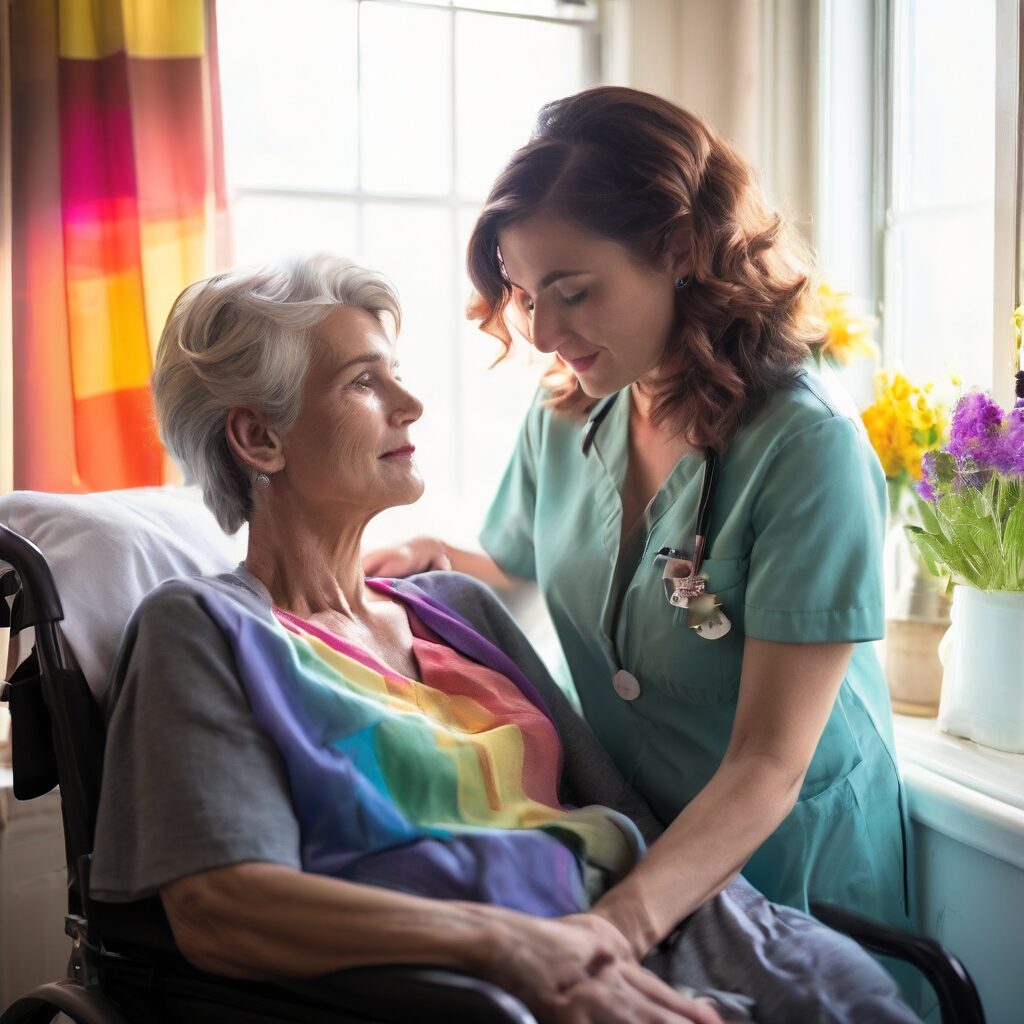
In recent years, the concept of death doulas has gained recognition for the essential role they play in providing end-of-life support. For the LGBTQ community, this support can be particularly crucial, offering a compassionate and understanding presence during one of life’s most challenging moments.
What is a Death Doula?
A death doula, also known as an end-of-life doula, is a non-medical professional trained to support individuals and their families during the dying process. This support can range from emotional and spiritual guidance to practical assistance with end-of-life planning and legacy projects.
The Unique Needs of the LGBTQ Community
The LGBTQ community often faces unique challenges in healthcare, including discrimination, lack of understanding, and specific cultural needs. These issues can be even more pronounced at the end of life. LGBTQ death doulas are trained to address these specific needs, ensuring that individuals receive the compassionate and personalized care they deserve.
How LGBTQ Death Doulas Provide Support
LGBTQ death doulas offer a range of services tailored to the needs of the community:
- Emotional Support: Providing a safe space to express fears, concerns, and wishes without judgment.
- Advocacy: Ensuring that the individual’s wishes are respected by family members and healthcare providers.
- Legacy Projects: Assisting with the creation of memory books, letters, and other projects to leave behind for loved ones.
- Planning: Helping with advance directives, funeral planning, and other end-of-life arrangements.
Training and Certification for LGBTQ Death Doulas
LGBTQ death doulas undergo specialized training to address the specific needs of the LGBTQ community. This training often includes cultural competency, understanding the unique challenges faced by LGBTQ individuals, and learning how to provide non-judgmental support. Certification programs are available through various organizations, ensuring that doulas meet a high standard of care.
Finding an LGBTQ Death Doula
Finding the right death doula can make a significant difference in the end-of-life experience. Many organizations and directories specialize in connecting individuals with LGBTQ-friendly doulas. It’s important to choose someone who is not only professionally trained but also empathetic and aligned with the individual’s values and needs.
Navigating Chosen Family Dynamics and Legal Protections
For many in the LGBTQ community, the concept of “chosen family” is paramount, yet legal systems often prioritize biological kin. LGBTQ death doulas play a critical role in bridging this gap by facilitating difficult conversations about legal recognition. Without formal documentation, such as durable power of attorney for healthcare, a person’s chosen partner or closest friends may be legally barred from hospital rooms or denied decision-making authority during a medical crisis. Doulas assist by helping clients draft and notarize these essential documents, ensuring that the people who actually know the individual’s values are the ones empowered to uphold them. They also act as mediators, preparing chosen family members for interactions with potentially unsupportive biological relatives who may attempt to override the patient’s established wishes.
Addressing Medical Trauma and Institutional Mistrust
Many LGBTQ elders carry significant medical trauma stemming from past experiences with healthcare systems that were overtly discriminatory, particularly during the HIV/AIDS epidemic. This historical context can lead to a profound distrust of doctors, nurses, and hospice staff. A death doula serves as a cultural bridge, advocating for the patient to ensure their pronouns are used correctly, their identity is respected, and their history is acknowledged rather than erased. By creating a physical and emotional environment that feels safe—such as decorating a hospital room with affirming symbols or ensuring that care providers are vetted for inclusivity—the doula helps mitigate the hyper-vigilance that many LGBTQ individuals experience in clinical settings.
The Role of Rituals in Affirming Queer Identities
Traditional funeral rites are often steeped in heteronormative or religious traditions that may not align with an individual’s life or values. LGBTQ death doulas specialize in helping clients design “queer-centered” end-of-life rituals. This might involve curating a memorial space that celebrates their activism, showcasing art that captures their journey, or incorporating music and readings that were significant to their identity. For trans and non-binary individuals, this also includes ensuring that the post-mortem care process respects their gender identity. Doulas work closely with funeral homes and mortuary services to provide explicit instructions regarding preferred name usage, grooming, and clothing, preventing the common tragedy of “misgendering in death” that frequently occurs when families or funeral directors ignore a person’s lived truth.
Financial Planning and Resource Access for LGBTQ Seniors
LGBTQ seniors are statistically more likely to live alone and have fewer financial safety nets due to lifetime systemic inequalities. Death doulas often provide a “practical audit” of a client’s resources, helping them navigate complex social services, housing options, and end-of-life funding. They may assist in connecting clients with LGBTQ-specific aging resources, such as housing cooperatives or assisted living facilities that have proven track records of safety for queer residents. By helping clients organize their financial affairs, such as beneficiary designations on retirement accounts or life insurance, doulas ensure that the individual’s assets are protected and distributed according to their own desires, rather than falling into the hands of estranged family members by default.
Supporting the Grieving Process for Chosen Families
Grief in the LGBTQ community is often “disenfranchised,” meaning it is not always publicly acknowledged or socially supported by the broader culture. When a chosen family member passes, the surviving partners and friends may be excluded from bereavement leave, denied access to public vigils, or forced to hide the depth of their loss. LGBTQ death doulas provide post-death support that validates these relationships. They facilitate support groups for survivors, help organize community-based memorials that center the deceased’s queer identity, and offer resources for coping with the unique isolation that comes when a primary support system is lost. This continuity of care ensures that the community is not left to process their trauma in silence.
Technological Legacies and Digital Estate Management
In the digital age, a significant portion of a person’s identity—including their queer community connections, online activism, and personal reflections—lives on the internet. LGBTQ death doulas are increasingly involved in helping clients manage their digital legacy. This involves more than just passwords; it includes deciding how social media profiles should be memorialized or deleted, who should have access to digital archives of photos or correspondence, and how to preserve the history of a person’s involvement in LGBTQ movements. By creating a “digital map,” the doula ensures that the person’s online footprint remains consistent with their values and that precious memories are not lost to account closures or privacy settings that lock out loved ones after death.
FAQ
What is the role of a death doula?
A death doula provides emotional, spiritual, and practical support to individuals and their families during the end-of-life process. They are non-medical professionals who help with planning, advocacy, and creating meaningful end-of-life experiences.
Why is it important to have an LGBTQ-specific death doula?
LGBTQ-specific death doulas are trained to understand and address the unique challenges and needs of the LGBTQ community, ensuring that individuals receive compassionate and personalized care.
How can I find an LGBTQ death doula?
There are various organizations and directories that specialize in connecting individuals with LGBTQ-friendly death doulas. Researching and reaching out to these resources can help you find the right support.
What kind of training do LGBTQ death doulas receive?
LGBTQ death doulas receive specialized training in cultural competency, understanding the unique challenges faced by LGBTQ individuals, and providing non-judgmental support. Certification programs ensure they meet high standards of care.
Can a death doula help with advance directives and funeral planning?
Yes, death doulas often assist with advance directives, funeral planning, and other end-of-life arrangements, ensuring that the individual’s wishes are respected and carried out.
Related posts:
 Being a Better LGBTQ+ Ally
 How to Help Children Grieve and Deal with Loss
 The Death Positivity Movement
 All-Black Birth Team Experience
 Doulas’ Role Post-Roe
 Ally Up: How to Be a True Supporter of the LGBTQ+ Community
 Support These LGBTQ+ Organizations and Make a Difference
 Second Chapter Stories: The Beauty of Coming Out Later in Life