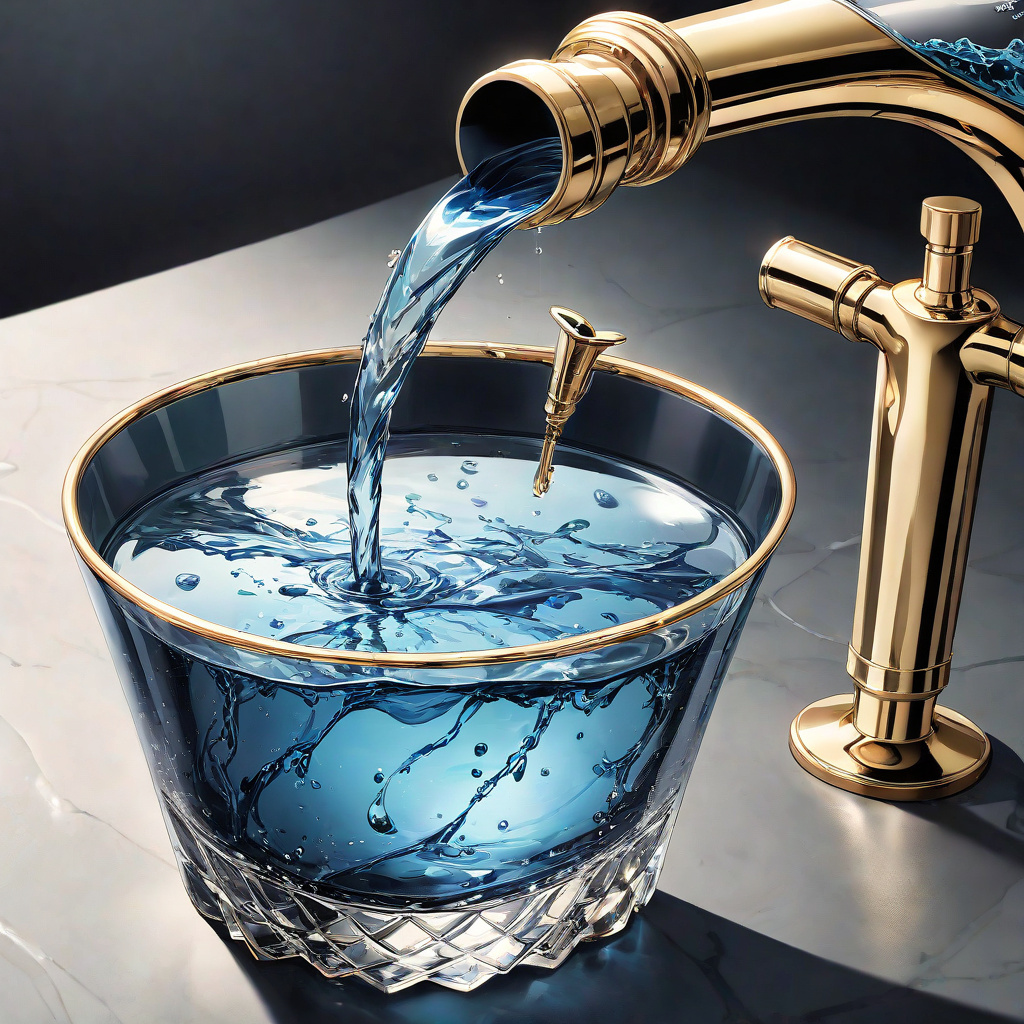
Hydration is often reduced to a utilitarian task—a biological necessity checked off during a busy day. However, for the professional water sommelier, water is a complex landscape of terroir, minerality, and mouthfeel. Much like wine or coffee, the water you consume daily possesses a unique chemical signature that influences not only how it tastes but how it satisfies the palate and enhances your overall wellness experience. Elevating your hydration habits from a chore to a ritual is a simple yet profound way to practice self-care.
Understanding the Terroir of Water
The concept of terroir is typically reserved for viticulture, but it applies equally to water. Water is the ultimate solvent; as it travels through geological layers—limestone, granite, volcanic rock, or glacial till—it picks up dissolved solids known as Total Dissolved Solids (TDS). These minerals, including calcium, magnesium, potassium, and sodium, define the character of the water. A water sourced from deep volcanic aquifers will taste drastically different from a spring filtered through ancient limestone. By understanding where your water comes from, you begin to appreciate the subtle notes of sweetness, saltiness, or bitterness that define premium bottled or filtered waters.
The Science of Mouthfeel and Viscosity
Professional sommeliers evaluate water based on its “weight” or viscosity on the tongue. This is largely determined by the mineral content. Waters with high TDS, often exceeding 800 mg/L, feel thick, creamy, or “heavy” in the mouth. These are often referred to as “structured” waters and pair exceptionally well with rich, fatty foods like steak or heavy cheeses. Conversely, low-TDS waters (below 50 mg/L) feel light, crisp, and clean—almost like air. These are the “refreshing” waters that cleanse the palate and are best enjoyed on their own or with delicate dishes like white fish or seasonal salads.
Decoding the Label: TDS and pH
To become your own water sommelier, you must learn to read the label. Two metrics are essential: Total Dissolved Solids (TDS) and pH. The TDS number tells you the intensity of the mineral content. A TDS under 50 is light and soft, 50-250 is balanced, and over 500 is mineral-forward. The pH level indicates alkalinity or acidity. While the body maintains its own internal pH balance, many people find alkaline water (pH 7.5 and above) to be smoother and less acidic on the stomach. Experimenting with different TDS and pH ranges will help you identify what your body finds most palatable, ultimately encouraging you to drink more water throughout the day.
The Art of Temperature Control
Temperature is the most overlooked variable in hydration. Serving water at the incorrect temperature can mask its natural characteristics. High-mineral waters, which have a complex flavor profile, are best served at room temperature or slightly chilled (around 12-15°C). This allows the mineral notes to fully express themselves. Ice-cold water, while refreshing on a sweltering day, actually numbs the tongue, making it impossible to taste the nuances of the water. For a luxury hydration experience, keep a glass bottle of your preferred mineral water at room temperature and reserve the ice for lighter, low-mineral waters or sparkling varieties.
Carbonation: From Gentle Effervescence to Aggressive Bubbles
Sparkling water is not a monolith. The size and intensity of the carbonation bubbles change the entire drinking experience. Naturally carbonated waters, which capture gas from the source, tend to have smaller, finer bubbles that provide a delicate effervescence. Artificially carbonated waters often use larger, more aggressive CO2 bubbles that can feel sharp or harsh. When pairing sparkling water, consider the texture: use fine-bubble water for subtle wines or light appetizers, and save the robust, highly carbonated waters for cutting through the richness of fried foods or heavy desserts.
Curating a Water Menu for Your Home
Creating a “water menu” for your home or office is a sophisticated way to stay hydrated. Stocking a variety of waters—a crisp, low-TDS water for morning routines, a high-mineral still water for afternoon clarity, and a fine-bubble sparkling water for dinner—ensures that you have the right hydration for every occasion. This diversity prevents the boredom that often leads to reaching for sugary sodas or excessive caffeine. Treat your water collection with the same care as a wine cellar, storing bottles away from direct sunlight and strong odors, which water can easily absorb.
Glass vs. Plastic: The Impact on Purity
For the purist, glass is the only vessel. Plastic (PET) is porous, meaning it can interact with the water over time, potentially leaching chemicals or absorbing environmental odors that alter the taste. Glass is chemically inert, ensuring that the water you drink tastes exactly as it did at the source. If you are committed to professional-level hydration, transition to high-quality glass carafes or bottles. Not only does this improve the taste, but it also elevates the aesthetic of your hydration ritual, turning a mundane glass of water into a luxury experience.
Hydration Rituals for Mindfulness
Professional hydration is as much about the mind as it is about the body. Incorporate mindful hydration into your daily schedule. Instead of gulping water while distracted by screens, take sixty seconds to pour your water into a proper glass, observe its clarity, notice its temperature, and sip slowly. Acknowledging the source and the mineral composition fosters a sense of gratitude and presence. This practice transforms a simple physiological need into a moment of calm, helping to reduce stress and improve focus throughout your day.
The Chemistry of Mineral Interactions
While TDS provides a high-level overview, the specific mineral composition—the “mineral matrix”—is what truly dictates the flavor profile. For instance, magnesium imparts a subtle, slightly bitter sweetness that can feel luxurious, while calcium adds a creamy, round texture that coats the palate. Potassium, often found in volcanic-sourced waters, offers a distinct, crisp sharpness. When selecting water, look beyond the total number; analyze the mineral breakdown on the label. A water high in sulfates will often present as “heavy” and “dry,” whereas high-bicarbonate waters are often perceived as remarkably soft and refreshing. Understanding these specific interactions allows you to predict how a water will behave when paired with food or spirits, moving you from a casual drinker to a discerning connoisseur.
Water and Coffee: The Invisible Ingredient
The most significant variable in your morning brew is not the bean; it is the water. Coffee is approximately 98-99% water, meaning the mineral content directly influences extraction. If your water is too soft (low TDS), the coffee may taste hollow, overly acidic, or sour because the water lacks the mineral buffering capacity to extract coffee solids efficiently. Conversely, water that is too hard (excessive calcium or magnesium) can lead to over-extraction, resulting in a bitter, chalky cup. Professional baristas often use water with a TDS between 75-150 mg/L, specifically balanced for alkalinity, to highlight the nuanced notes of specialty roasts. Experimenting with different bottled waters in your pour-over or espresso machine can be a revelation, often yielding better results than expensive hardware upgrades.
The Role of Silica in Mouthfeel
One of the most fascinating aspects of premium water is the presence of silica. Often overlooked in basic TDS readings, silica is a naturally occurring mineral that imparts a unique “silky” or “velvety” mouthfeel that is highly prized by sommeliers. Waters from regions with rich volcanic soil—such as those found in Fiji or parts of the Pacific Northwest—often have higher natural silica concentrations. This creates a texture that feels almost lubricious on the tongue. If you find that a particular brand of water feels “thicker” even when its TDS is relatively low, check the label for silica content. It is the secret ingredient behind the smooth, luxurious finish that defines many high-end, top-tier still waters.
Pairing Water with Fine Spirits and Wines
Just as you would pair a wine with food, you can pair water with spirits to enhance their complexity. When drinking high-proof spirits like scotch or bourbon, the addition of a few drops of water—often called “opening up” the spirit—is a common practice. However, the *type* of water used can either elevate or muddy the dram. A low-TDS, neutral water is usually preferred so as not to introduce competing mineral flavors. For wines, the goal is palate cleansing. A highly carbonated, mineral-rich water can act as a bridge between rich, tannic red wines and the palate, stripping away residual fats and tannins between sips. Conversely, avoid pairing aggressive sparkling waters with delicate, vintage sparkling wines, as the artificial bubbles can clash with the fine, natural mousse of the wine.
The Impact of Storage on Molecular Stability
Water may seem stable, but it is highly susceptible to environmental changes. We often discuss the “breathability” of wine, but water is equally sensitive to its surroundings. If left open, water will lose its dissolved gases, causing it to taste “flat” or “stale” within hours. Furthermore, water is a powerful olfactory sponge. Storing water near aromatic substances—such as citrus, garlic, or cleaning products—will cause the water to absorb those molecules, permanently altering its flavor profile. For the true enthusiast, keeping a dedicated “water cellar” or a cool, dark, and strictly odorless storage space is non-negotiable. Always reseal bottles tightly, and if you are using a glass carafe, ensure it is made of high-quality borosilicate or lead-free crystal to prevent any potential flavor leaching from the vessel itself.
Navigating the World of Infused Hydration
When the palate demands more than pure water, artisanal infusions offer a way to hydrate without compromising the purity of the source. The secret to a professional-grade infusion lies in the temperature and the infusion time. Rather than muddling fruit—which releases pectins and creates a cloudy, pulpy texture—use the “cold-steep” method. Place thin slices of cucumber, a bruised sprig of mint, or a single strip of lemon zest into a carafe of high-quality spring water and let it steep in the refrigerator for at least four hours. This preserves the clarity of the water while imparting a delicate, clean aromatic profile. Avoid adding sweeteners or syrups, as the goal is to enhance the water’s natural terroir, not mask it with sugar.
The Nuances of Source-Specific Alkalinity
While the pH scale is a common metric on water labels, it is critical to distinguish between natural alkalinity and synthetic alkalization. Natural alkalinity is the result of water passing through alkaline-rich geological formations, such as limestone or dolomite, which infuse the water with bicarbonates. This process creates a stable, balanced pH that feels soft and gentle on the palate. In contrast, many commercial waters use electrolysis or added minerals to achieve high pH levels artificially. While these may reach a pH of 9.0 or higher, the lack of natural mineral buffers often results in a “flat” or “metallic” aftertaste. As a connoisseur, look for the term “naturally alkaline” on the label, which indicates a harmonious mineral structure rather than a laboratory-engineered finish. This distinction is vital for those who find high-pH waters to be the most soothing for their digestive comfort throughout the day.
Water and Tea: The Art of Extraction
Just as water is the foundation of coffee, it is the primary medium for tea, which accounts for up to 99% of the final cup. The delicate essential oils and polyphenols in premium loose-leaf teas are incredibly sensitive to the water’s mineral profile. If you use water that is overly hard, the magnesium and calcium ions will bind to the tea’s tannins, resulting in a murky, astringent, and bitter liquor. For delicate white and green teas, a low-TDS water (under 50 mg/L) is essential to allow the tea’s subtle floral and vegetal notes to bloom without interference. For robust black teas or ooluchongs, a slightly higher TDS (up to 100 mg/L) can provide the necessary structure to balance the tannins. By matching your water source to the oxidation level of your tea, you elevate a standard morning ritual into a professional-grade tasting experience.
The Impact of Atmospheric Pressure and Elevation
The environment in which you consume water—specifically at high altitudes—can alter your perception of its flavor. At higher elevations, the combination of lower atmospheric pressure and increased dryness impacts how our sensory receptors perceive taste and smell. Water often tastes thinner and less “viscous” when consumed at high altitudes, which can lead to a sense of hydration fatigue. In these environments, sommeliers often recommend waters with slightly higher TDS levels or those with a higher silica content to compensate for the loss of mouthfeel. Understanding this environmental variable allows you to adjust your hydration strategy, ensuring that you maintain both the pleasure of the drink and your physiological hydration levels even when traveling or living in mountainous regions.
Evaluating the “Finish” of Premium Waters
The mark of a truly superior water lies in its finish—the sensation left on the palate seconds after swallowing. A poor-quality water often leaves a drying or “gripping” sensation, which is usually a sign of imbalanced mineral ratios or residual processing chemicals. A high-quality, professional-grade water should leave the palate feeling clean, refreshed, and hydrated, with a lingering note that corresponds to its mineral source. For example, a water rich in calcium will often leave a creamy, round finish that persists pleasantly, while a volcanic water might leave a crisp, slightly sharp, or “clean” finish. By paying attention to the duration and quality of the finish, you can better categorize waters by their intended use: those with a short, clean finish are ideal for palate cleansing between food courses, while those with a long, complex finish are best enjoyed as an aperitif or a standalone experience.
The Role of Bicarbonates in Digestive Harmony
Bicarbonates are perhaps the most misunderstood component of a water’s mineral profile. Often found in abundance in high-TDS spring and mineral waters, bicarbonates act as a natural buffer, helping to neutralize excess acidity in the stomach. This is why certain mineral-heavy waters are traditionally served alongside rich, acidic, or complex meals; they assist in digestion and prevent the “heavy” feeling that often follows a multi-course dinner. When reading a label, look for the concentration of bicarbonates (often listed as HCO3). A level above 200 mg/L is considered significant and indicates a water that is not only flavorful but functionally supportive of your digestive process. Identifying these “digestive waters” allows you to curate a dining experience that is as comfortable as it is indulgent.
The Myth of “Dead” Water and Ionization
There is a persistent narrative in the wellness industry regarding “living” versus “dead” water, often centered on the idea that water loses its “energy” through filtration or bottling. From a scientific perspective, water is a stable molecule; however, the loss of dissolved oxygen and volatile gases during processing can indeed make water taste “stale.” This is why professional sommeliers emphasize the importance of the bottle’s seal and the storage conditions. Furthermore, the practice of “oxygenating” water—often through agitation or specific pouring techniques—can re-introduce air, making the water feel more lively and vibrant on the tongue. If you find your bottled water tastes slightly flat upon opening, try decanting it into a glass vessel and swirling it gently; this simple physical aeration can “wake up” the water, restoring a sense of freshness that mimics the sensation of drinking directly from a pristine, flowing mountain spring.
Frequently Asked Questions
Q: Does high-mineral water provide more health benefits than purified water? A: High-mineral water provides trace electrolytes like magnesium and calcium, which are beneficial, but it should not be viewed as a primary source of nutrition. The best water is the one that tastes good enough to keep you consistently hydrated. Q: Can I “taste” the difference between tap water and bottled water? A: Yes, primarily due to the treatment processes. Tap water is often treated with chlorine or chloramine, which can leave a medicinal aftertaste. Filtration systems can remove these, but they also remove the natural minerals that give water its distinct character. Q: What is the ideal pH for drinking water? A: Most experts agree that water between 6.5 and 8.5 is ideal for human consumption. While marketing often pushes high-alkaline water, there is no clinical evidence suggesting that highly alkaline water provides superior health outcomes for healthy individuals. Q: How does carbonation affect hydration? A: Sparkling water is just as hydrating as still water. However, the carbonation can cause bloating in some individuals, which might lead them to drink less volume overall. If you have a sensitive stomach, stick to still water or naturally effervescent options. Q: How should I store my water to maintain its quality? A: Store your water in a cool, dark, and odor-free environment. Because water is a solvent, it can pick up the scents of cleaning supplies or spices in your pantry, which will drastically alter the flavor profile. Always keep bottles sealed until you are ready to drink.
Related posts:
 Mineral Water Health Benefits
 The Volcanic Sand Bath Experience That’s Worth Traveling For
 Natural Face Sunscreens Guide
 The Water Intake Math You’ve Been Getting Wrong Your Entire Life
 Second Life Magic: Turn Finished Candles Into Morning Coffee Companions
 Functional Water Facts: Do Enhanced Waters Actually Work
 Water Benefits for Skin
 Water’s Impact on Aging