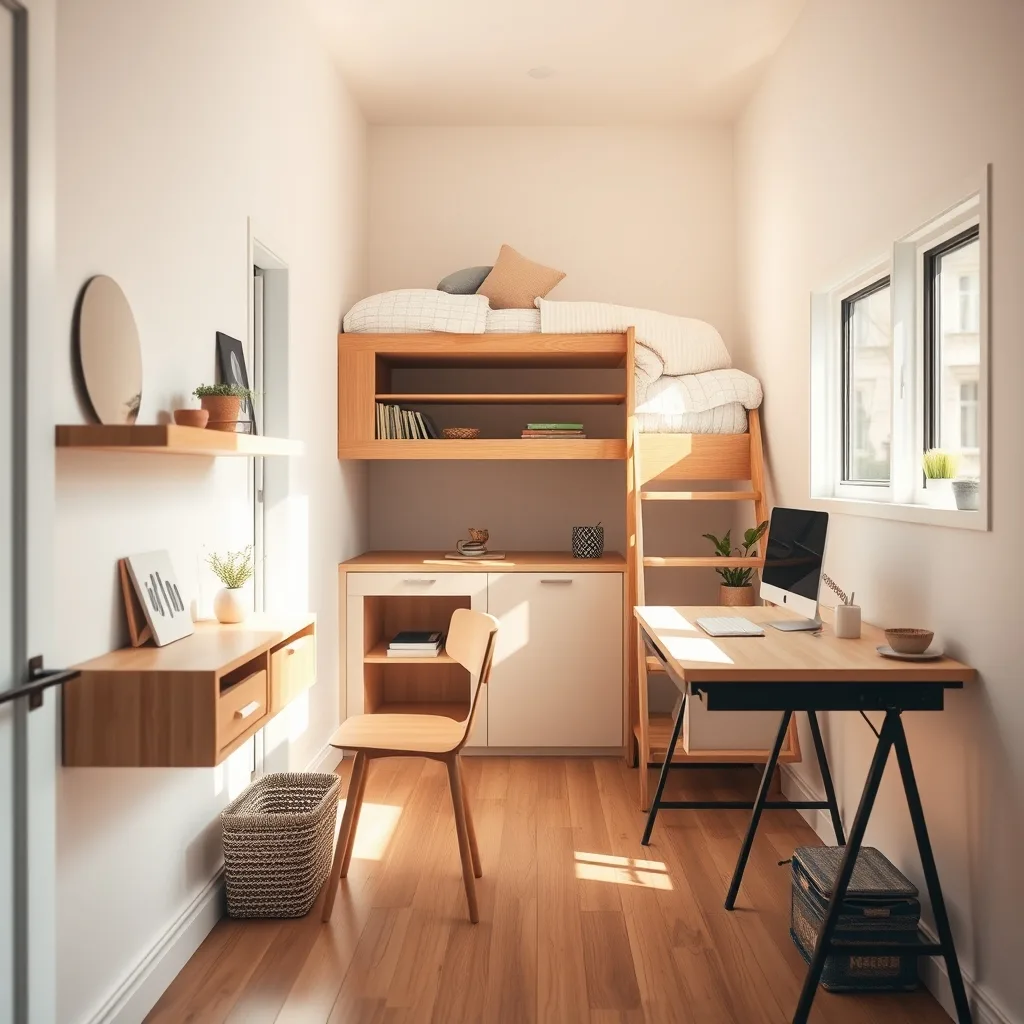
Living in a tiny home invites creativity and forces you to rethink every square inch. With the right habits and a few strategic choices, a compact footprint can feel spacious, functional, and uniquely yours. This guide walks you through practical steps to assess, organize, and maintain a tiny home that works for your lifestyle.
Key takeaways
- Map your floor plan and rank daily activities to create a blueprint for storage and furniture placement.
- Use multi-functional furniture and vertical storage like pegboards to keep surfaces clear and organized.
- Implement the one-in-one-out rule to prevent clutter accumulation and maintain a lean living environment.
- Designate specific zones using lighting and rugs to create a sense of order and separation in small areas.
Assess Your Space and Priorities
Start by mapping the floor plan on paper or a digital app. Measure each wall, note window and door locations, and mark permanent fixtures such as plumbing and electrical outlets. Next list the activities that happen daily: cooking, working, sleeping, exercising, and relaxing. Rank them by frequency and importance. This priority map becomes the blueprint for every storage decision you make.
Example: If you work from home three days a week, allocate a dedicated desk zone near natural light. If cooking is a weekend hobby, give the kitchen a larger share of counter space. Writing these priorities down prevents later regret when a new gadget competes for limited room.
Embrace Multi‑Functional Furniture
Furniture that serves more than one purpose is the cornerstone of tiny living. Look for pieces that combine seating, storage, and sleeping. A sofa bed with built‑in drawers, a dining table that folds into a wall console, or an ottoman that opens to reveal blankets can replace three separate items.
Action tip: When shopping, ask the seller for the exact dimensions in both configurations. Measure the clearance needed for transformation. A piece that looks perfect in a showroom may require extra room to unfold, which you may not have.
Vertical Storage Strategies
Walls are untapped real estate. Install floor‑to‑ceiling shelving, pegboards, or modular grid systems. Use adjustable shelves so you can adapt heights as needs change. Hooks and magnetic strips keep tools, utensils, and accessories visible yet off countertops.
Practical example: In a 200‑square‑foot studio, a single wall of 12‑inch deep shelves holds books, pantry jars, and a small printer. The top shelf stores seasonal items in labeled bins, while the lower shelves stay within easy reach for daily use.
Declutter with the One‑In‑One‑Out Rule
Every new possession should replace an existing one. This simple rule curbs accumulation and forces you to evaluate whether an item truly adds value. Apply it to clothing, kitchen gadgets, decor, and even digital subscriptions.
How to implement: Keep a donation box by the entry. When a new shirt arrives, place an older shirt in the box immediately. Schedule a monthly drop‑off at a local charity. Over time the habit becomes automatic and the home stays lean.
Create Zones for Daily Activities
Even without walls, visual cues can define zones. Use rugs, lighting, or color accents to signal a workspace, a relaxation nook, and a sleep area. Consistent zoning reduces mental clutter because your brain knows where each activity belongs.
Example: A low‑profile rug under a desk chair marks the office zone. A pendant light over a reading chair creates a cozy corner. At night, a dimmable bedside lamp signals the sleep zone, helping you unwind faster.
Smart Kitchen Organization
The kitchen often demands the most storage per square foot. Install pull‑out pantry shelves, magnetic spice jars on the fridge side, and a tension rod under the sink for cleaning bottles. Stackable containers with uniform footprints maximize cabinet depth.
Action tip: Group items by use case — baking, weekday meals, coffee station — and store each group together. Label the front of each container so you can grab what you need without rummaging.
Bathroom and Personal Care Solutions
Small bathrooms benefit from over‑the‑toilet shelving, corner caddies, and wall‑mounted dispensers. Keep only daily essentials on the counter; store backup supplies in a labeled bin on a high shelf. A tension rod across the shower stall can hold a second curtain for privacy and a hook for a loofah.
Example: A 3‑by‑5 foot bathroom uses a narrow rolling cart for towels and toiletries. The cart slides out when needed and tucks away, keeping the floor clear for cleaning.
Maintaining Order Over Time
Organization is a habit, not a one‑time project. Set a weekly 15‑minute reset: return items to their zones, wipe surfaces, and review the donation box. Quarterly, reassess your priority map — life changes, and your space should adapt.
Long‑term tip: Keep a simple spreadsheet tracking major purchases, their location, and the date they entered the home. This log makes it easy to spot redundancies and plan future upgrades without guesswork.
Designing Flexible Built‑In Storage for Irregular Layouts
When a tiny home follows a non‑standard floor plan — think sloped ceilings, curved walls, or a loft that cuts into the living area — off‑the‑shelf cabinets rarely fit without waste. Start by creating a precise digital model using a free CAD tool or even graph paper scaled to 1/4 inch per foot. Measure every obstruction: plumbing chases, electrical runs, wheel wells, and the clearance needed for a folding bed. Export the model as a cut list and hand it to a local CNC shop or use a pocket‑hole jig to build plywood modules on site. A 12‑foot wide tiny house on wheels, for example, can gain 30 percent more usable volume by installing a shallow drawer bank that follows the curvature of the roof line, each drawer front trimmed to the exact angle. Edge case: if the roof pitch exceeds 30 degrees, consider a hinged hatch that lifts upward rather than a pull‑out drawer, preserving headroom while still offering deep storage. Modular grid systems such as French cleats or aluminum T‑slot extrusions let you reposition shelves later without new holes, a crucial advantage when you later add a compact washer‑dryer combo or a pet crate. Finish each built‑in with a low‑VOC sealant and label the interior faces with a chalk‑board paint strip so contents stay visible without opening every door.
Integrating Smart Home Technology Without Overcrowding
Smart devices can reduce physical clutter by replacing multiple single‑purpose gadgets, but they also demand power, connectivity, and mounting space. Choose a single hub that speaks Zigbee, Thread, and Matter — this eliminates the need for separate bridges. Mount the hub inside a ventilated cabinet near the electrical panel, using a short USB‑C cable that runs through a grommet to keep the exterior wall clean. Replace a cluster of light switches with a single multi‑button scene controller; each button can trigger a lighting preset, a thermostat setpoint, and a security mode simultaneously. For climate control, a smart thermostat with remote sensors placed in the sleeping loft and the kitchen zone prevents the common tiny‑home problem of temperature stratification. Install a compact leak sensor under the sink and a water‑usage monitor on the main line; both report to the hub and can shut off a smart valve automatically if a leak is detected. Edge case: limited broadband in rural parking spots. Pair the hub with a cellular fallback modem that activates only when Wi‑Fi drops, keeping automation alive without a permanent data plan. Power management is critical — use a USB‑PD power strip with per‑port monitoring so you can see which devices draw standby current and schedule them off during sleep hours. All wiring should be run in conduit or raceway rated for vibration, especially in a home on wheels, to avoid fatigue fractures.
Managing Laundry, Waste, and Utilities in a Compact Footprint
Laundry is often the most space‑hungry chore in a tiny home. A ventless 2‑in‑1 washer‑dryer that fits under a countertop (typically 24 inches wide) can handle a full load in under three hours, but it requires a 120 V 15 A circuit and a drain hose that can reach a gray‑water tank or a municipal hookup. If you lack a permanent drain, install a portable pump‑out kit with a 5‑gallon holding tank that you empty at a dump station weekly. For off‑grid dwellers, a manual crank washer paired with a solar‑heated drying rack eliminates electricity use entirely. Waste separation becomes a design problem: allocate a narrow pull‑out bin for recyclables, a sealed compost bucket for food scraps, and a small incinerator or bag‑style toilet for black water if a septic connection is unavailable. A composting toilet with a vent fan draws only 12 W and can be tucked behind a false wall, leaving the bathroom floor clear. Water storage is another lever — two 30‑gallon food‑grade totes stacked vertically under the kitchen sink give 60 gallons of reserve while occupying less than 2 square feet of floor area. Connect them to a 12 V diaphragm pump with a pressure switch so the faucet behaves like a conventional system. Edge case: freezing climates. Insulate the totes with closed‑cell foam sleeves and run a heat‑trace cable powered by the same solar array that charges the battery bank, preventing burst pipes without sacrificing interior space.
Creating Outdoor Living Extensions for Tiny Homes on Wheels
When the interior cannot expand, the exterior becomes an extra room. A retractable awning mounted on the trailer’s side rail adds 8 by 10 feet of shaded deck space in minutes; choose a model with integrated LED lighting and a wind sensor that auto‑retracts at 25 mph. Pair the awning with a modular deck system — interlocking composite tiles that snap together without tools — so you can assemble a 6 by 8 foot platform at each stop and disassemble for travel. Privacy screens made from tensioned fabric panels slide into a track on the awning frame, giving you a semi‑enclosed dining nook that still lets breezes through. Storage for outdoor gear (camp chairs, grill, solar shower) can be built into the deck’s perimeter using hollow bench seats with lift‑up lids; each bench holds up to 30 pounds and doubles as seating. Edge case: weight distribution. Keep the total added mass under 10 percent of the trailer’s GVWR and center it over the axles; use a portable scale at each corner to verify before hitting the road. For seasonal moves, a quick‑release hitch‑mounted bike rack frees up deck space while still allowing you to bring bicycles. Finally, install a weather‑proof outdoor outlet on a GFCI circuit fed from the main panel; it powers a portable heater, a string light controller, and a USB charging station without running extension cords across the lawn.
Frequently Asked Questions
How do I decide what furniture to keep when everything feels essential?
Rank each piece by frequency of use and versatility. Keep items that serve multiple functions or are used daily. Store rarely used pieces off‑site or donate them.
Can I organize a tiny home without drilling holes in the walls?
Yes. Use tension rods, adhesive hooks, freestanding shelving units, and over‑the‑door organizers. Many rental‑friendly solutions provide strong hold without permanent damage.
What is the best way to store seasonal clothing in a tiny closet?
Vacuum‑seal bags reduce bulk dramatically. Place sealed bags on the top shelf or under the bed. Label each bag by season and rotate twice a year.
How do I keep a tiny kitchen functional for cooking elaborate meals?
Invest in collapsible bowls, nesting measuring cups, and a single high‑quality chef’s knife. Prep ingredients in stages, cleaning as you go, to keep counter space clear.
Is it possible to maintain a sense of spaciousness with limited natural light?
Use mirrors strategically to reflect light, choose light‑colored paint, and layer lighting with task, ambient, and accent fixtures. Keep window areas unobstructed and opt for sheer curtains.
Related posts:
 Art of Wall Hangings: Maryanne Moodie’s Instagram Guide
 Transform Your Apartment Without Breaking Your Lease or Your Budget
 Stretches to Relieve Foot Pain
 Transform Your Living Room Into a Stretch Studio With These Wall Moves
 Open Concept Done Right: Design Tips for Spacious Living
 Small Space Living Solutions
 Memorial Day Patio Furniture Deals
 Pelvic Floor Expert’s Advice