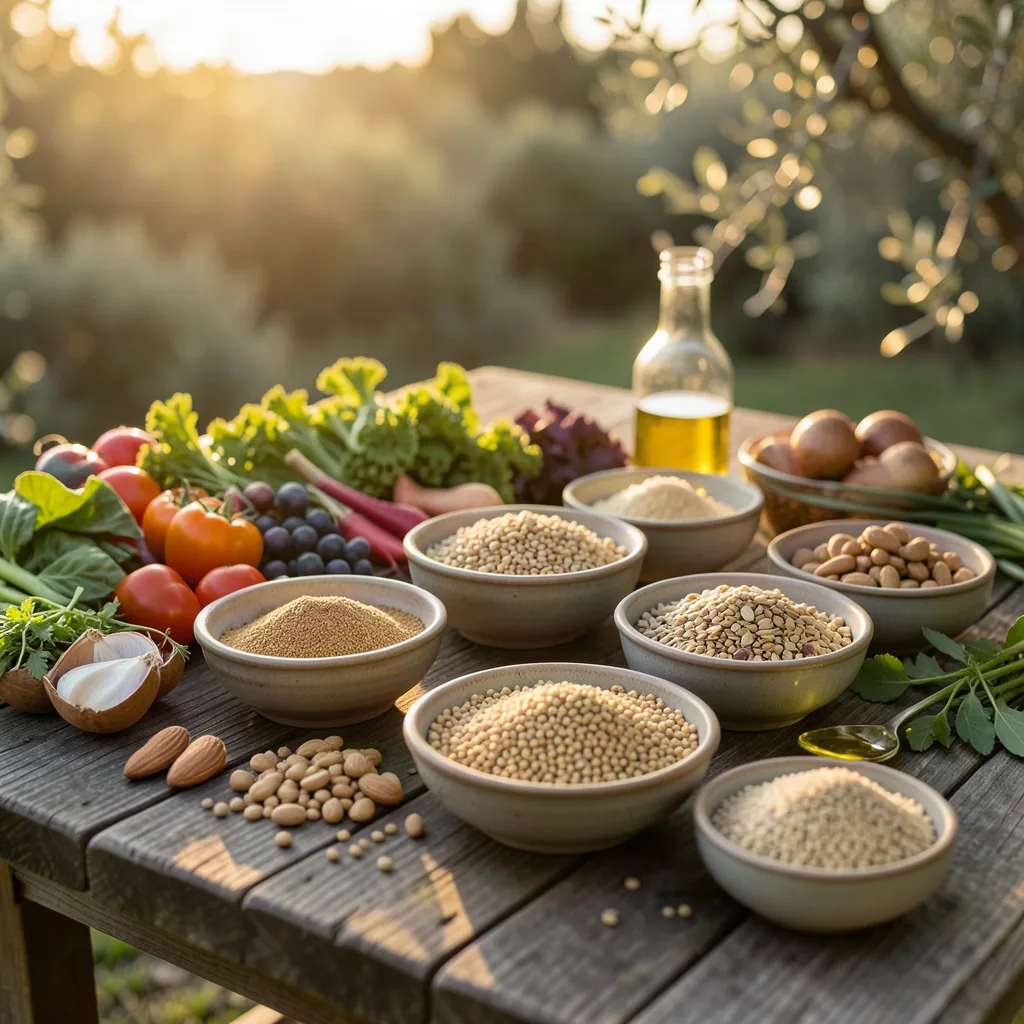
What if the secret to a long, healthy life wasn’t found in a pill or a laboratory, but on your dinner plate? Researchers have spent decades studying the world’s longest-lived populations, and their findings consistently point to one common thread: what we eat matters profoundly. The concept of a longevity diet isn’t about restriction or deprivation. It’s about embracing the wisdom of centenarians from Okinawa to Sardinia, whose eating patterns have helped them reach their hundredth birthdays and beyond.
Key takeaways
- Eat a cup of beans or legumes daily to provide essential protein, fiber, and complex carbohydrates.
- Limit animal protein to small portions, treating meat as a flavoring or occasional side rather than a main dish.
- Practice hara hachi bu by stopping your meal when you feel 80% full to prevent overeating.
- Prioritize healthy fats from whole food sources like extra virgin olive oil, nuts, seeds, and avocados.
- Choose minimally processed whole grains and fermented foods to support a diverse gut microbiome and reduce inflammation.
The Science Behind Blue Zones and Longevity Research
The term “Blue Zones” emerged from the work of researcher Dan Buettner and his team, who identified five regions with the highest concentrations of centenarians: Okinawa (Japan), Sardinia (Italy), Nicoya (Costa Rica), Ikaria (Greece), and Loma Linda (California, USA). These communities share common lifestyle factors, with diet playing a central role. The research reveals that genetics account for only about 20-30% of lifespan, while environmental factors, including nutrition, determine the rest.
Scientists studying these populations have documented that centenarians don’t just live longer—they experience compressed morbidity, meaning they remain healthy and active until very near the end of their lives. This distinction matters because the goal isn’t simply adding years to life, but adding life to years. The dietary patterns observed across these diverse cultures share remarkable similarities despite their geographic differences, suggesting universal principles that anyone can adopt.
Plant-Forward Eating: The Foundation of Centenarian Diets
Across all Blue Zones, plant foods form the cornerstone of daily eating. This doesn’t mean centenarians are strictly vegetarian—most aren’t—but plants dominate their plates. Beans and legumes appear consistently as dietary staples, providing affordable, accessible protein and fiber. In Okinawa, sweet potatoes once comprised up to 60% of daily caloric intake. Sardinians rely heavily on fava beans, chickpeas, and lentils. Costa Rican centenarians eat black beans daily, often at multiple meals.
Vegetables, fruits, whole grains, nuts, and seeds round out the plant-based foundation. Cruciferous vegetables like broccoli, cabbage, and kale appear frequently, as do leafy greens. The Mediterranean Blue Zones emphasize wild greens foraged from hillsides, while Okinawans consume nutrient-dense seaweed. Whole grains—sourdough bread in Sardinia, brown rice in Okinawa, corn tortillas in Nicoya—provide sustained energy and important nutrients. Nuts, particularly almonds, walnuts, and seeds, serve as common snacks, offering healthy fats and protein in compact portions.
The Role of Protein: Beans, Legumes, and Moderate Animal Products
Protein in longevity diets looks different from the animal-centric approach common in Western eating patterns. Centenarians consume protein primarily from plant sources, with beans and legumes earning the title of “longevity superfood.” A cup of beans daily appears consistently across Blue Zone research. These humble foods provide protein, complex carbohydrates, and fiber while keeping blood sugar stable. The Adventist Health Study, which includes the Loma Linda population, found that eating beans regularly was associated with adding up to four years to life expectancy.
Animal protein appears in centenarian diets, but in dramatically smaller portions than typical Western consumption. When meat is eaten, it’s often reserved for special occasions or used as a flavoring rather than a main dish. A serving might be three to four ounces, the size of a deck of cards, consumed perhaps weekly rather than daily. Fish appears more frequently in coastal Blue Zones, with sardines, anchovies, and other small fish providing omega-3 fatty acids. Eggs appear in moderation, typically a few times per week. Dairy varies by culture—Sardinians enjoy sheep and goat cheese, while Okinawans traditionally consumed minimal dairy. The key pattern is moderation and intentionality rather than elimination.
Healthy Fats and the Mediterranean Influence
The relationship between dietary fat and longevity challenges decades of low-fat dogma. Centenarians in Mediterranean Blue Zones consume substantial amounts of olive oil, particularly extra virgin olive oil, which provides monounsaturated fats and powerful antioxidants. Research suggests olive oil’s anti-inflammatory properties contribute to cardiovascular health and cognitive function. Ikarians drizzle it generously over vegetables and use it in cooking. The key distinction lies in the quality and type of fat—whole food sources like nuts, seeds, avocados, and olive oil rather than processed oils or trans fats.
Omega-3 fatty acids appear consistently in longevity diets through fish, walnuts, flaxseeds, and in some cultures, seaweed. These essential fats support brain health, reduce inflammation, and appear protective against heart disease. The ratio of omega-3 to omega-6 fatty acids matters too—traditional diets naturally maintained a healthier balance than modern processed food diets. Centenarians didn’t eliminate fat; they embraced the right kinds from whole food sources.
Whole Grains and Complex Carbohydrates for Sustained Energy
Carbohydrates have been unfairly demonized in popular diet culture, but centenarian eating patterns demonstrate that the right carbs support longevity. The distinction lies in choosing whole, minimally processed grains over refined options. Sourdough bread in Sardinia undergoes fermentation that improves nutrient availability and reduces glycemic impact. Okinawan sweet potatoes provide complex carbohydrates alongside significant fiber, vitamins, and antioxidants. Nicoyan corn provides the base for tortillas that accompany nearly every meal.
These whole grains and starchy vegetables provide sustained energy without the blood sugar spikes associated with refined carbohydrates. The fiber content feeds beneficial gut bacteria, increasingly recognized as crucial for overall health and longevity. Traditional grain preparation methods—soaking, fermenting, and slow cooking—enhance digestibility and nutrient absorption. Centenarians didn’t fear carbohydrates; they understood that minimally processed whole foods provided the energy needed for active, meaningful lives.
Practical Ways to Adopt Centenarian Eating Patterns
Transitioning toward a longevity-focused diet doesn’t require completely overhauling your current eating habits. Start by examining your plate composition. Aim to fill half your plate with vegetables and fruits, one quarter with whole grains or starchy vegetables, and one quarter with protein—primarily plant-based. Add beans or lentils to soups, salads, and grain bowls. Experiment with meat as a condiment rather than the main event, using small amounts to flavor dishes while letting vegetables and grains take center stage.
Incorporate a daily handful of nuts as a snack or addition to meals. Replace processed snacks with whole foods like fruit, vegetables with hummus, or a small portion of cheese with nuts. Choose whole grains over refined options—brown rice instead of white, whole grain bread instead of white, oats instead of processed breakfast cereals. Cook with olive oil as your primary fat, and don’t fear adding reasonable amounts to vegetables and salads. Stock your kitchen with longevity staples: dried and canned beans, whole grains, nuts, olive oil, and plenty of fresh and frozen vegetables. These simple shifts, practiced consistently, can transform your eating patterns over time.
Beyond Food: Meal Timing, Social Connection, and Mindful Eating
What centenarians eat tells only part of the story. How they eat matters equally. Blue Zone research reveals patterns of mindful consumption that contrast sharply with modern rushed eating. Meals are social occasions, enjoyed with family and community. In Okinawa, people often begin meals by saying “hara hachi bu”—a reminder to stop eating when 80% full. This practice prevents overeating and aligns with the body’s actual needs rather than external cues.
Meal timing patterns vary, but many centenarians eat their largest meal earlier in the day, often at lunch, with a lighter evening meal. This aligns with circadian rhythm research suggesting our bodies process food more efficiently earlier in the day. Some populations practice occasional fasting, whether intentional or circumstantial, which may provide cellular cleanup benefits. Eating slowly, without screens or distractions, allows the body to register fullness signals. The social dimension of meals shouldn’t be underestimated—eating in community provides psychological benefits that isolated eating cannot replicate. Food in Blue Zones nourishes not just the body, but relationships and cultural continuity.
Adapting Longevity Principles to Your Life and Culture
The beauty of centenarian eating patterns lies in their adaptability. You don’t need to eat specifically like a Sardinian or an Okinawan to benefit from longevity principles. The core concepts—plant-forward eating, moderate protein primarily from legumes, healthy fats from whole food sources, whole grains, and mindful consumption—translate across cultures and cuisines. If your heritage includes traditional foods, explore whether those ancestors ate in ways that align with longevity principles. Often, traditional diets do, before modernization introduced processed foods.
Consider your current food environment and what realistic changes you can sustain long-term. If daily bean consumption feels daunting, start with a few times per week. If olive oil doesn’t align with your cooking traditions, explore other whole food fat sources. The goal isn’t perfect adherence to a specific cultural diet but rather incorporating principles that research consistently associates with longevity. Small, sustainable changes compound over time into significant health benefits. Remember that centenarians didn’t adopt these eating patterns as a health intervention—they lived them as cultural norms passed through generations. By gradually shifting your habits, you create your own sustainable approach to longevity-focused eating.
The Gut Microbiome: Your Internal Ecosystem and Longevity
Beneath the surface of every centenarian’s dietary pattern lies a thriving community of trillions of microorganisms that may hold one of the most important keys to healthy aging. The gut microbiome—the collection of bacteria, viruses, fungi, and other microbes residing in the digestive tract—varies dramatically between long-lived populations and those with typical Western eating patterns. Research comparing centenarians in Sardinia and Okinawa with younger populations reveals that their gut ecosystems maintain greater diversity and contain unique bacterial strains associated with reduced inflammation and enhanced immune function.
The fiber-rich, plant-forward diets that characterize Blue Zone eating patterns serve as premium fuel for beneficial gut bacteria. When we consume beans, whole grains, vegetables, and fruits, we’re not just feeding ourselves—we’re nourishing the microbial communities that produce short-chain fatty acids, synthesize vitamins, and train our immune systems. These compounds, particularly butyrate, propionate, and acetate, have been linked to reduced risk of colon cancer, improved insulin sensitivity, and decreased systemic inflammation. A centenarian’s daily cup of beans delivers roughly 10-15 grams of fiber, feeding beneficial bacteria that in turn produce compounds supporting overall health.
The fermentation practices common in longevity diets add another dimension to gut health. Sourdough bread undergoes a fermentation process that breaks down antinutrients and predigests some components, making nutrients more bioavailable while introducing beneficial bacteria. Traditional Japanese diets include miso, natto, and tsukemono (pickled vegetables), all fermented foods that contribute live cultures to the gut ecosystem. Greek Ikarians consume yogurt and cheese made from goat and sheep milk, often fermented using traditional methods that preserve probiotic bacteria. These fermented foods introduce beneficial microbes directly while the fiber from plant foods provides the prebiotic fuel they need to thrive.
The implications extend beyond digestion. Researchers have identified what they call the gut-brain axis—a bidirectional communication pathway between the digestive system and the nervous system. A healthy, diverse microbiome produces neurotransmitters including serotonin, dopamine, and GABA, influencing mood and cognitive function. This may partially explain why centenarians often maintain sharp mental acuity well into their advanced years. The anti-inflammatory effects of a well-nourished microbiome also appear protective against neurodegenerative conditions, with population studies showing lower rates of dementia in areas with traditional, high-fiber diets.
Beverage Choices: What Centenarians Drink and What They Avoid
While much attention focuses on food, beverage choices significantly influence longevity outcomes. Water remains the primary drink across all Blue Zones, but the quality and source matter. Sardinian centenarians often drink mineral-rich spring water from local sources, naturally containing calcium, magnesium, and other minerals that support bone and cardiovascular health. Okinawans traditionally consumed water filtered through coral, which some researchers speculate may contribute additional minerals. The absence of sugary beverages in centenarian diets eliminates a major source of empty calories and metabolic disruption common in modern diets.
Tea drinking emerges as a consistent practice across multiple Blue Zones, with different cultures favoring different varieties. Okinawans consume green tea throughout the day, often jasmine-scented varieties rich in catechins—powerful antioxidants that appear protective against cardiovascular disease and certain cancers. Some Okinawan elders drink turmeric tea, leveraging the anti-inflammatory properties of curcumin. Ikarians favor mountain tea made from wild-harvested herbs including sage, thyme, and oregano, each contributing unique antioxidant compounds. These teas are consumed unsweetened or with minimal natural sweeteners like honey, avoiding the sugar load of commercial beverages.
Coffee appears in several Blue Zones, consumed without the elaborate additions common in modern coffee culture. Nicoyans drink coffee throughout the day, often prepared simply and consumed black or with small amounts of milk. Ikarians enjoy strong Greek coffee, prepared in the traditional method with the grounds remaining in the cup. Research suggests that moderate coffee consumption—three to five cups daily—associates with reduced all-cause mortality and lower risk of type 2 diabetes, Parkinson’s disease, and liver conditions. The key distinction lies in how coffee is consumed: as a pure, unadulterated beverage rather than as a delivery vehicle for sugar, syrups, and heavy cream.
Alcohol consumption varies across Blue Zones but follows specific patterns. Wine, particularly red wine, accompanies meals in Sardinia and Ikaria, consumed in moderation—typically one to two glasses daily—and always in social contexts rather than isolation. The Sardinian wine Cannonau, made from the Grenache grape, contains higher levels of flavonoids than many other red wines, attributed to the grapes growing in harsh conditions at elevation. Importantly, the benefits of moderate alcohol consumption remain controversial in the research community, with some studies suggesting any alcohol carries risk. What’s clear is that centenarians don’t drink excessively, and when they do drink, it’s as part of meals and social connection rather than as a coping mechanism or standalone habit.
Seasonal Eating and the Wisdom of Natural Rhythms
Centenarians throughout history ate according to seasons not by choice but by necessity, and this constraint appears to have contributed to their longevity. Seasonal eating ensures peak nutrient density—vegetables harvested at their natural ripeness contain more vitamins, minerals, and antioxidants than produce picked early and shipped across continents. A tomato vine-ripened under summer sun develops significantly more lycopene than one ripened artificially during transport. The sweet potato that forms the foundation of traditional Okinawan eating varies in nutrient content throughout the year, with different varieties planted for different seasons, ensuring continuous but varying nutrition.
The practice of eating seasonally also introduces natural variety into the diet. Rather than eating the same foods year-round, centenarian diets shift with available harvests, incorporating diverse nutrients across the annual cycle. Spring brings wild greens in Mediterranean Blue Zones—foraged dandelion, chicory, and amaranth that contain higher antioxidant levels than cultivated varieties. Summer adds tomatoes, peppers, and eggplant. Fall delivers squash, grapes, and olives for pressing. Winter emphasizes stored grains, preserved foods, hardy vegetables, and legumes. This rotating variety ensures exposure to a broad spectrum of nutrients and beneficial plant compounds, supporting diverse gut bacteria and comprehensive nutritional coverage.
Traditional food preservation methods allowed centenarians to extend seasonal bounty without sacrificing nutritional quality. Fermentation—pickling vegetables, making sauerkraut and kimchi, fermenting dairy—preserves food while often enhancing nutritional value. Drying and sun-drying concentrates flavors and nutrients in fruits, tomatoes, and herbs. Curing and smoking, used judiciously for fish and occasional meat products, extends shelf life. These methods contrast sharply with modern industrial preservation, which often involves adding sugar, sodium, and chemical preservatives that undermine health benefits. The centenarian approach to preservation maintains the integrity of whole foods while extending their availability.
The seasonal approach also aligns eating patterns with circadian and circannual rhythms, an emerging area of longevity research. Some scientists propose that varying food intake seasonally may help regulate metabolism and prevent the metabolic stagnation that can come from monotonous eating patterns. The traditional practice of eating different foods in different seasons may also prevent the development of food sensitivities that can arise from consuming the same foods continuously. While modern food systems make any food available year-round, centenarian wisdom suggests there’s value in returning to seasonal awareness, even if not practicing it strictly.
Cooking Methods That Preserve and Enhance Nutrients
How food is prepared matters as much as what food is chosen, and centenarian cooking traditions reveal sophisticated understanding of nutrient preservation developed over generations. Slow cooking methods dominate Blue Zone kitchens—stewing, braising, and simmering that transform humble ingredients into deeply nourishing meals. These methods preserve water-soluble vitamins that might otherwise be lost, keeping them in the cooking liquid that becomes part of the final dish. A pot of Sardinian minestrone simmers for hours, with all nutrients remaining in the soup rather than being poured away.
The use of raw and minimally cooked foods varies by culture but appears consistently. Okinawans traditionally consume significant amounts of raw vegetables and seaweed, preserving heat-sensitive nutrients including vitamin C and certain enzymes. Mediterranean cultures include abundant raw salads dressed with olive oil, which not only preserves nutrients but enhances absorption of fat-soluble vitamins. The practice of finishing dishes with a drizzle of quality olive oil rather than cooking all fat into the dish ensures that delicate antioxidants in extra virgin olive oil remain intact rather than being degraded by heat.
Traditional grain preparation reveals another layer of nutritional wisdom. Sourdough fermentation, practiced for millennia before modern understanding of its benefits, breaks down phytic acid and other compounds that can inhibit mineral absorption. This is why traditional sourdough bread provides more bioavailable iron, zinc, and magnesium than quickly-made commercial bread. Soaking beans before cooking—sometimes with a pinch of baking soda or kombu seaweed—reduces compounds that cause digestive distress while improving protein digestibility. These methods, developed through trial and error over generations, represent sophisticated nutritional biochemistry practiced at the kitchen level.
The vessels used for cooking also matter. Traditional Blue Zone cooking employs clay pots, ceramic vessels, and stainless steel rather than non-stick coatings or aluminum. Clay pot cooking, common in Okinawan and Mediterranean kitchens, provides slow, even heating that preserves nutrients and requires less added fat. The absence of Teflon and other non-stick coatings eliminates potential exposure to perfluorinated compounds, chemicals that have raised health concerns in recent research. Cast iron cookware, used in some traditions, can contribute small amounts of iron to foods—a benefit for some populations, though potentially problematic for those with iron overload conditions. These traditional cooking vessels represent an overlooked aspect of longevity cuisine.
Specific Foods That Appear Across Multiple Blue Zones
While each Blue Zone features unique local foods, certain items appear with striking consistency across geographically distant populations. Beans and legumes top this list, earning recognition as perhaps the single most important longevity food. Black beans in Nicoya, fava beans and chickpeas in Sardinia, lentils in Ikaria, soybeans in Okinawa—different varieties, same principle. Analysis of the Adventist Health Study found that adding just one daily serving of beans was associated with a 7-8% reduction in mortality risk. The combination of plant protein, soluble fiber, resistant starch, and micronutrients creates a nutritional package that supports cardiovascular health, blood sugar stability, and healthy gut bacteria.
Leafy greens appear in every longevity diet, though the specific varieties vary by region. Wild greens in Mediterranean Blue Zones—foraged dandelion greens, purslane, chicory, and amaranth—contain significantly higher levels of omega-3 fatty acids and antioxidants than their cultivated counterparts. Okinawan cuisine includes goya (bitter melon), shikuwasa (a citrus rich in flavonoids), and various sea vegetables. Nicoyans consume squash leaves and other greens that grow abundantly in their climate. The common thread is daily consumption of greens, often at multiple meals, prepared simply to preserve their nutritional benefits.
Orange-fleshed vegetables provide another cross-cultural longevity theme. Okinawan sweet potatoes, with their vibrant purple-orange flesh, contain extraordinarily high levels of anthocyanins and other antioxidants. Sardinians and Ikarians consume winter squash and pumpkins. Nicoyans eat squash and a variety of orange-fleshed root vegetables. The carotenoids that give these vegetables their color—beta-carotene, alpha-carotene, and beta-cryptoxanthin—convert to vitamin A in the body and function as powerful antioxidants. Population studies consistently link high carotenoid intake to reduced mortality and lower risk of age-related diseases.
Tree nuts appear across Blue Zones as regular snacks and meal additions. Almonds, walnuts, hazelnuts, and pistachios feature prominently, consumed daily but in modest portions—a handful, not a bag. The Adventist Health Study found that regular nut consumers lived an average of 2-3 years longer than non-consumers. Nuts provide healthy fats, plant protein, fiber, vitamin E, and minerals including magnesium and selenium. Their satiating quality helps prevent overeating, and epidemiological studies consistently show that nut consumers have lower body weight despite the caloric density of nuts. The key is consistency—daily consumption of small amounts rather than occasional large servings.
Navigating Modern Food Environments While Honoring Longevity Principles
Centenarians studied in Blue Zone research spent their lives in food environments that naturally supported longevity—limited processed foods, strong agricultural traditions, and cultural norms that reinforced healthy eating. Modern readers face a dramatically different landscape, one engineered to encourage consumption of precisely the foods that undermine health. Grocery stores devote more shelf space to processed foods than to whole foods. Marketing promotes products rather than ingredients. Convenience often trumps quality in busy lives. Yet the principles of longevity eating can be adapted to modern circumstances with intention and strategy.
The perimeter shopping strategy aligns well with longevity principles. Most grocery stores position whole foods—produce, bulk grains and legumes, fresh proteins—around the store’s perimeter, while processed foods dominate center aisles. By spending the majority of shopping time in these perimeter areas, you naturally focus on the foods that support longevity. Reading ingredient lists, not just nutrition labels, helps identify ultra-processed products disguised as healthy choices. A general rule: products with long ingredient lists containing items you don’t recognize or wouldn’t stock in your own kitchen are best minimized. The centenarian approach favors foods your great-grandmother would recognize as food.
Meal preparation strategies bridge the gap between modern time constraints and traditional eating patterns. Batch cooking beans and grains on weekends provides the foundation for multiple quick meals throughout the week. Keeping a well-stocked pantry with longevity staples—dried and canned beans, whole grains, nuts, quality olive oil, frozen vegetables—ensures that healthy meals remain accessible even when time is limited. The practice of cooking more than needed for dinner, creating intentional leftovers for lunch, maintains consistency without requiring separate cooking sessions. These strategies acknowledge modern realities while honoring traditional principles.
Social eating presents both challenges and opportunities in modern contexts. While centenarians typically eat most meals in community, modern life often forces isolated eating. Creating social eating opportunities when possible—family dinners, potlucks with friends, shared meals with colleagues—provides some of the psychological and digestive benefits seen in Blue Zones. When eating alone becomes necessary, practicing mindful eating without screens allows greater awareness of food and hunger signals. The goal isn’t perfect replication of Blue Zone social structures, but rather bringing intention to how we eat within our actual circumstances.
The Hidden Cost of Cheap Food: Economic and Health Trade-offs
The apparent affordability of modern processed food obscures its true cost when health consequences enter the equation. While a fast-food meal may cost less than one prepared from whole-food longevity ingredients, the downstream expenses—managing chronic disease, treating conditions related to poor nutrition, lost productivity from ill health—multiply over decades. Research examining the healthcare costs associated with different dietary patterns finds that plant-forward diets consistently associate with lower long-term medical expenses, even when food costs are slightly higher. The centenarian diet isn’t expensive when viewed through a lifetime lens rather than a weekly grocery budget.
The environmental dimension of food choice intersects with longevity in often-overlooked ways. The plant-forward diets that support human longevity also have lower environmental impact, potentially contributing to a healthier food system for future generations. Traditional agricultural practices in Blue Zone regions—small-scale, diversified farming that produces the variety of foods consumed locally—maintain soil health and biodiversity while producing nutrient-dense food. Modern industrial agriculture, optimized for yield and profit rather than nutritional quality, produces calories cheaply but often at the expense of nutrient density. The declining mineral content of conventionally grown produce over recent decades means we may need to eat more to get the same nutrition our grandparents obtained from smaller portions.
Time investment represents another hidden cost consideration. Processed convenience foods save time in the short term but may cost time—healthy years of life—in the long term. Learning to cook traditional longevity recipes, shopping for and preparing whole foods, requires time investment that modern life often resists. Yet centenarians throughout history spent significant portions of their lives engaged in food production and preparation. reframing cooking as a valued activity rather than a burden to be minimized—perhaps as a social activity, a creative outlet, or a health practice—makes the time investment feel less costly. The hours spent preparing nourishing meals pay dividends in health and vitality that processed shortcuts cannot match.
The intergenerational transfer of cooking knowledge represents a particularly important cultural cost. As food preparation has become industrialized and professionalized, fewer people learn traditional cooking methods from family members. This loss of knowledge—how to cook beans properly, how to prepare seasonal vegetables, how to make fermented foods—creates dependence on processed products. Reclaiming this knowledge, whether from older family members, community cooking classes, or resources on traditional food preparation, becomes a form of health investment. The cooking traditions of centenarians weren’t just quaint cultural practices—they were sophisticated nutritional wisdom accumulated over generations, wisdom that deserves preservation and transmission.
Frequently Asked Questions About the Longevity Diet
Do I need to become vegetarian or vegan to follow a longevity diet?
No, you don’t need to eliminate animal products entirely. Most centenarians in Blue Zone studies consume small amounts of meat, fish, eggs, and dairy, but these foods play a supporting role rather than starring on the plate. The emphasis remains on plants—vegetables, fruits, beans, whole grains, nuts, and seeds—with animal products consumed in modest portions. Think of shifting your plate composition so plants dominate, rather than eliminating animal foods completely.
Is the longevity diet expensive to follow?
Many longevity diet staples—beans, lentils, whole grains, seasonal vegetables—are among the most affordable foods available. Beans and rice, a complete protein combination, costs a fraction of meat-based meals. Buying dried beans in bulk, choosing seasonal produce, and cooking at home keeps costs manageable. While olive oil and nuts represent higher-cost items, they’re used in moderate quantities. The investment in whole foods often pays dividends in health benefits that reduce long-term healthcare costs.
Can I follow the longevity diet if I have dietary restrictions or food allergies?
Yes, the principles adapt to various dietary needs. If you can’t eat beans, focus on other plant proteins like lentils, peas, or quinoa. Gluten-free whole grains like rice, quinoa, oats (if tolerated), and buckwheat work well. Those with nut allergies can emphasize seeds like pumpkin, sunflower, and chia. The core principles—minimally processed plant foods, moderate protein, healthy fats—remain consistent regardless of specific restrictions. Consult with a registered dietitian to personalize the approach to your needs.
How quickly might I notice benefits from adopting longevity eating patterns?
Some people notice improved energy and digestion within weeks of shifting toward plant-forward eating. Blood sugar stability often improves relatively quickly when reducing refined carbohydrates. However, the longevity benefits accumulate over years and decades of consistent practice. This isn’t a quick-fix diet but a long-term lifestyle approach. The centenarians studied didn’t start eating this way last month—they’ve eaten this way their entire lives. View this as a permanent shift in how you relate to food, not a temporary intervention.
Does the longevity diet work for weight management?
Many people find that adopting longevity eating patterns naturally supports healthy weight management. The emphasis on fiber-rich whole foods promotes satiety, while the practice of stopping before completely full prevents overeating. However, the primary goal isn’t weight loss—it’s overall health and longevity. Weight changes, if they occur, happen as a side effect of improved eating patterns rather than as the main objective. Focus on nourishing your body with quality foods, and let weight settle where it naturally belongs.
Related posts:
 Vegan vs Plant-Based: Which is Healthier?
 The Game-Changing 50 Percent Rule That Makes Eating Vegetables Effortless
 Brain-Boosting Foods
 High-Protein Foods That Pack a Serious Nutritional Punch
 International Guide to Clean Eating Basics
 Pegan Diet Explained: The Paleo-Vegan Hybrid Taking Over
 Understanding Mediterranean Cuisine
 Blue Zones Eating Habits: Secrets to Longevity from the World’s Healthiest Regions