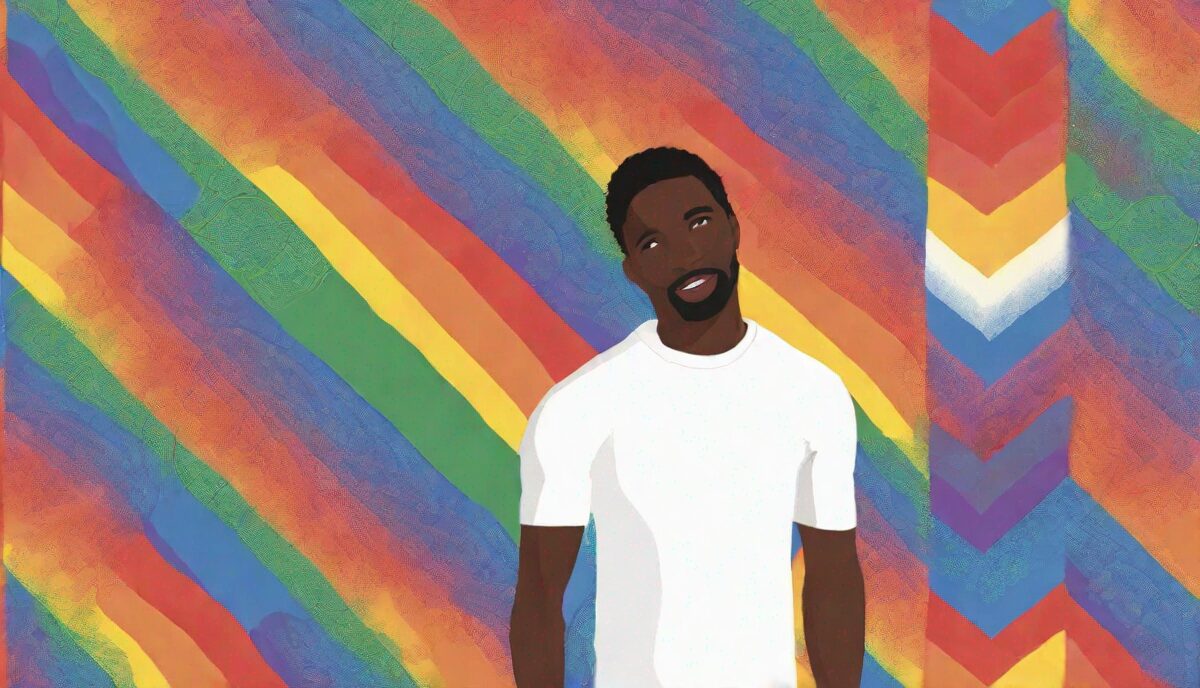
Building Self-Worth
For many LGBTQ people of color, learning to embrace and celebrate their sexual orientation and racial identity can be challenging. Growing up in communities that may not fully accept them, the internal struggle for self-acceptance is profound.
This journey is deeply personal and unique for every individual. While there are common threads of inner conflict, fear, doubt, and gradual self-discovery, no one path looks the same.
Seeking Community
Finding a supportive community that nurtures self-love is so important. Whether that community is made up of friends and family or comes from LGBTQ organizations and activism, acceptance from others reinforces inner worth.
Owning Your Truth
Part of the journey lies in speaking one’s truth, even in the face of discrimination. The more LGBTQ people share their experiences, the more minds and hearts are opened.
Self-Care and Compassion
Practicing regular self-care, surrounding yourself with positive affirmations, and nurturing compassion for yourself and others on their own journeys can provide strength and resilience.
Navigating the Double Consciousness of Race and Sexuality
For the gay Black man, identity is rarely a singular experience; it is a complex intersection of what W.E.B. Du Bois famously termed “double consciousness.” This involves the internal struggle of viewing oneself through the eyes of a society that often harbors prejudice against both Blackness and queerness. In many predominantly white LGBTQ+ spaces, Black men may encounter “sexual racism,” where their value is reduced to stereotypes or where they are marginalized in favor of Eurocentric beauty standards. Conversely, within some segments of the Black community, there remains a rigid adherence to traditional gender roles where being gay is viewed as a “white man’s disease” or a betrayal of the collective struggle for racial advancement.
Navigating this requires a sophisticated level of emotional intelligence. It means recognizing when you are being fetishized rather than appreciated and understanding that your Blackness and your queerness are not in competition. To reconcile these identities, many men find solace in the concept of “intersectional pride.” This involves actively seeking out spaces that center the Black queer experience, such as Black Pride events or digital forums dedicated to Afro-queer life. By refusing to bifurcate the self—refusing to be “Black first” or “Gay first”—you create a unified identity that is resilient against external erasure. Practical steps include curating social media feeds to include Black queer art, literature, and history, which serves as a daily reminder that this intersection is not a modern anomaly but a rich, historical legacy.
Deconstructing Hyper-Masculinity and the “Strong Black Man” Archetype
From a young age, many Black boys are socialized into a specific brand of hyper-masculinity, often as a psychological defense mechanism against a world that seeks to dehumanize them. The “Strong Black Man” archetype demands emotional stoicism, physical dominance, and an unwavering heteronormative presentation. For a gay Black man, this archetype can become a cage. The pressure to “act straight” or maintain a “masc” persona is not just about social survival; it often stems from a deep-seated fear that any sign of perceived femininity will invite further marginalization.
Deconstructing this involves a radical interrogation of what masculinity means. It requires the courage to embrace vulnerability, which is often the very thing the archetype forbids. This might look like engaging in “softness” as a form of protest—allowing oneself to express grief, joy, and tenderness without the filter of performance. Edge cases often arise in athletic or corporate environments where the “masc” performance is rewarded; here, the challenge is to slowly dismantle the mask. By practicing authenticity in low-stakes environments first—such as with trusted friends or in creative outlets—you can build the emotional muscle needed to stand firm in your full expression in more challenging arenas. True strength lies not in the rigidity of the armor, but in the ability to exist without it.
Reconciling Faith: Navigating Religious Trauma and Spiritual Liberation
The Black Church has historically been the bedrock of community, resilience, and political mobilization for Black Americans. However, for many gay Black men, it has also been a source of profound religious trauma. The use of scripture to condemn same-sex love can create a spiritual schism, leading many to feel they must choose between their culture and their soul. This conflict is often exacerbated by the “don’t ask, don’t tell” culture prevalent in some congregations, where queer members are accepted as long as they remain invisible or perform heterosexuality.
The path to spiritual liberation often involves a process of “deconstruction” and “reconstruction.” Deconstruction is the critical examination of the theological teachings one was raised with, separating cultural prejudice from spiritual truth. This might involve studying pro-LGBTQ+ theology or “Queer Theology,” which reinterprets sacred texts through a lens of inclusion and radical love. Reconstruction involves finding or creating a spiritual practice that affirms your identity. This could mean joining an “Open and Affirming” denomination, exploring African traditional religions (ATRs) like Ifá or Candomblé which often have more fluid views on gender and sexuality, or adopting a secular mindfulness practice. The goal is to reclaim the right to spirituality without the prerequisite of self-shame.
The Digital Frontier: Dating, Fetishization, and Radical Self-Love
In the modern era, dating apps have become the primary gateway for connection, yet for gay Black men, these platforms can be minefields of microaggressions. The phenomenon of “sexual racism” is often disguised as “preferences,” with bios explicitly stating “No Blacks” or “BBC only.” Such environments can lead to a distorted sense of self-worth, where one’s value is tied to how well they fit into a narrow, often fetishized, niche. Fetishization is particularly insidious because it mimics appreciation while actually stripping away the individual’s humanity, reducing them to a racialized sexual fantasy.
To navigate this, radical self-love must be the foundation of your dating strategy. This means setting firm boundaries: blocking accounts that use dehumanizing language and refusing to engage with those who treat you as a demographic rather than a person. It also involves shifting the focus from “being chosen” by the majority to choosing yourself and your community. Prioritizing dating apps specifically designed for Black queer people, or using filters to find those who share your values, can reduce the frequency of negative encounters. Furthermore, it is essential to decouple your desirability from the skewed metrics of digital platforms. Your worth is inherent and not subject to the “market value” determined by biased algorithms or prejudiced users.
Professional Resilience: Code-Switching and Authenticity in the Workplace
The professional landscape presents a unique set of challenges for gay Black men, who often find themselves “code-switching” to navigate predominantly white and heteronormative corporate cultures. Code-switching is the practice of adjusting one’s speech, behavior, and appearance to fit in, and while it can be a survival tool, the long-term psychological cost is high. For the gay Black man, this often means a “double code-switch”: suppressing both his racial cultural markers and his queer identity to avoid being stereotyped or passed over for promotions.
Building professional resilience requires a strategic approach to authenticity. While it may not always be safe or practical to be “100% out” in every environment, finding “pockets of authenticity” is vital. This can include joining or forming an Employee Resource Group (ERG) for LGBTQ+ people of color, which provides a collective voice to advocate for inclusive policies. It also involves seeking out mentors who understand the specific nuances of being a minority within a minority. When faced with microaggressions, having a prepared script can help you address the issue without becoming emotionally drained. For example, if a colleague makes an assumption based on a stereotype, a calm but firm correction like, “Actually, that hasn’t been my experience; I prefer to be viewed on my individual merits,” can set a boundary while maintaining professional decorum.
Intergenerational Healing and the Power of Black Queer History
A significant part of self-acceptance is realizing that you do not stand alone; you are part of a long, though often erased, lineage of Black queer excellence. From the civil rights activism of Bayard Rustin to the literary brilliance of James Baldwin and the revolutionary spirit of Marsha P. Johnson, gay Black men have always been at the forefront of social change. However, the lack of mainstream representation can lead to a sense of “historical loneliness.”
Engaging with intergenerational healing means actively seeking out the stories of those who came before. This can be done by exploring the “Ballroom” culture of the 1980s and 90s, which created a blueprint for chosen families and mutual aid. It also involves seeking out “elders” in the community for mentorship. These relationships are symbiotic; younger men gain wisdom and a sense of continuity, while elders receive the validation that their struggles were not in vain. By anchoring your identity in a historical context, you move from a place of isolation to a place of legacy. You begin to see your life not as a struggle for mere existence, but as a continuation of a profound and powerful narrative of resistance and joy.
Culturally Competent Mental Health: Addressing Minority Stress and Trauma
The cumulative effect of navigating racism and homophobia is often referred to as “minority stress,” which can lead to higher rates of anxiety, depression, and hypertension among gay Black men. Standard mental health advice often fails to account for these systemic factors, leading to a gap in care. For instance, a therapist who does not understand the cultural significance of the Black Church or the nuances of Black family dynamics may inadvertently provide advice that is dismissive or culturally insensitive.
Seeking culturally competent care is a critical act of self-preservation. This means looking for therapists who specifically identify as Black and LGBTQ-affirming, or those who have undergone extensive training in intersectionality and trauma-informed care. When interviewing a potential therapist, do not hesitate to ask direct questions: “How do you handle issues of systemic racism in your practice?” or “What is your experience working with gay Black men?” Additionally, consider somatic (body-based) therapies, as trauma is often stored physically. Practices like breathwork, trauma-sensitive yoga, or EMDR can be particularly effective for processing the “weathering” effect of chronic stress. Investing in your mental health is not a sign of weakness; it is the ultimate tool for maintaining the resilience required to thrive in a world that is still learning how to love you.
FAQ
What are some things LGBTQ people of color struggle with internally?
Self-doubt, poor self-image, shame, fear of rejection from family and community are some common internal struggles.
Why is finding a supportive community so vital?
Supportive communities, whether composed of friends, families or organizations provide understanding, reassurance and strength in numbers to help overcome stigma, marginalization and promote self-acceptance.
How can LGBTQ people help promote acceptance?
Sharing stories and experiences can raise awareness, inspire compassion in others, and let closeted LGBTQ people know they are not alone. Getting involved in activism, outreach and education opens minds and shifts culture.
What are some self-care activities someone questioning can practice?
Journaling feelings, positive affirmations, counseling/support groups, educating oneself on LGBTQ topics, finding accepting faith communities, leaning on trusted confidants, mindfulness, meditation and self-compassion practices can help build resilience.
Why focus on compassion?
Responding to the struggles LGBTQ people face with compassion rather than judgement fosters goodwill, diminishes harmful mindsets and elevates our shared humanity.
Related posts:
 Being a Better LGBTQ+ Ally
 Lesbian Sex Ed: Why We Need to Stop Asking Invasive Questions
 Support These LGBTQ+ Organizations and Make a Difference
 Support These Talented Queer Artists and Enhance Your Art Collection
 Exploring Queer Spirituality
 Queer Friendships: Celebrating the Power of Platonic Love
 LGBTQ Death Doulas: Providing Compassionate End-of-Life Support
 Love Stories: Celebrating LGBTQ+ Relationships and Resilience