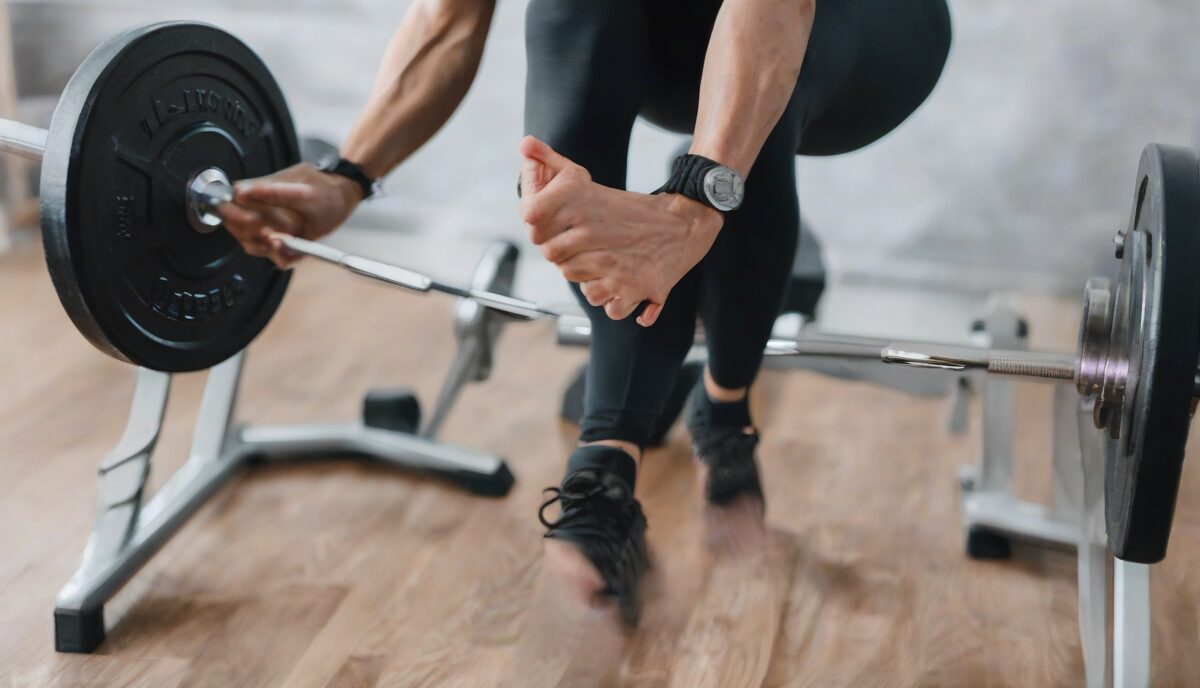
Achieving strong and toned legs requires a dedicated lower body workout routine. This guide will walk you through some of the most effective exercises to target your glutes, hamstrings, quads, and calves. Whether you are a beginner or an experienced athlete, these exercises can be tailored to suit your fitness level.
Benefits of Lower Body Workouts
Lower body workouts are essential for overall fitness and health. They help in building muscle, improving balance, and enhancing endurance. Additionally, strengthening your lower body can boost metabolism, aid in weight loss, and reduce the risk of injuries.
Essential Lower Body Exercises
Incorporating a variety of exercises in your routine can help you achieve balanced muscle development. Here are some fundamental lower body exercises:
- Squats: Squats are a compound exercise that targets the glutes, quads, and hamstrings. Start with bodyweight squats and progress to using weights for added resistance.
- Lunges: Lunges work on the glutes, quads, and hamstrings while also improving balance and coordination. Perform forward, backward, and side lunges to engage different muscle groups.
- Deadlifts: Deadlifts are excellent for targeting the hamstrings, glutes, and lower back. Ensure proper form to prevent injuries.
- Leg Press: The leg press machine allows for controlled resistance training, focusing on the quads, hamstrings, and glutes.
- Calf Raises: Calf raises are essential for strengthening the calf muscles. Perform them on a step or using weights for added intensity.
Creating a Lower Body Workout Routine
Designing an effective lower body workout routine involves selecting the right exercises, determining the appropriate volume and intensity, and incorporating rest periods. Here’s a sample routine to get you started:
- Warm-up: 5-10 minutes of light cardio and dynamic stretching.
- Squats: 3 sets of 12 reps.
- Lunges: 3 sets of 10 reps per leg.
- Deadlifts: 3 sets of 8 reps.
- Leg Press: 3 sets of 12 reps.
- Calf Raises: 3 sets of 15 reps.
- Cool Down: 5-10 minutes of stretching.
Common Mistakes to Avoid
When performing lower body exercises, it’s crucial to maintain proper form to prevent injuries and maximize effectiveness. Here are some common mistakes to watch out for:
- Incorrect Squat Form: Ensure your knees do not extend past your toes, and keep your back straight.
- Overarching the Back in Deadlifts: Maintain a neutral spine throughout the movement.
- Insufficient Warm-Up: Always start with a proper warm-up to prepare your muscles and joints.
- Neglecting Rest Periods: Allow adequate rest between sets and workouts to aid recovery.
Mastering Biomechanical Alignment for Lower Body Safety
Beyond basic form, understanding the biomechanical chains of the lower body can prevent common overuse injuries. When performing compound movements, the concept of “tri-planar stability” is paramount. Your ankle, knee, and hip joints must function in harmony across the sagittal, frontal, and transverse planes. For instance, during a squat, ensure your knees track directly over your second toe; inward collapse (valgus) often indicates weak hip abductors or glute medius activation. To correct this, perform banded lateral walks as a pre-activation exercise. Furthermore, maintaining a “tripod foot” contact—distributing weight evenly between the heel, the base of the big toe, and the base of the pinky toe—creates a stable platform that prevents excessive pronation and protects the sensitive ligaments of the knee joint.
Unilateral Training: Correcting Muscle Imbalances
While bilateral exercises like traditional squats build raw strength, they often allow the dominant limb to compensate for the weaker one. To ensure symmetry, incorporate unilateral work such as Bulgarian split squats, single-leg Romanian deadlifts, or step-ups. These variations force the core to engage for stabilization and isolate each leg individually. If you find one leg shaking or struggling with balance, reduce the load and prioritize time-under-tension. Over time, addressing these asymmetries improves athletic performance and reduces the likelihood of hip or lower back pain caused by uneven force distribution during daily activities.
The Role of Eccentric Loading in Hypertrophy
Many trainees focus exclusively on the concentric (lifting) phase of an exercise, neglecting the powerful muscle-building potential of the eccentric (lowering) phase. By slowing down the descent of a squat or deadlift to a 3-to-4-second count, you increase the mechanical tension placed on muscle fibers, leading to greater micro-tears and subsequent hypertrophy. This method is particularly effective for the hamstrings and quads, which are highly responsive to eccentric stress. Experiment with “tempo training” by keeping the concentric movement explosive but controlled, while strictly adhering to a slow, deliberate eccentric phase to maximize the hormonal and structural adaptations of your leg muscles.
Advanced Posterior Chain Isolation Techniques
While deadlifts are a staple, they primarily target the posterior chain as a whole. To specifically isolate the hamstrings, incorporate movements that involve knee flexion, such as the lying leg curl or the Nordic hamstring curl. The hamstrings are a bi-articular muscle group, meaning they cross both the hip and the knee. Therefore, a complete hamstring program must include both hip-hinge movements (like Romanian deadlifts) and knee-flexion movements (like leg curls). For advanced practitioners, the Nordic hamstring curl—a bodyweight exercise where you anchor your feet and lower your torso toward the floor—is a gold standard for building eccentric strength and preventing common sports-related hamstring strains.
Periodization: Planning Long-Term Progress
Progress stalls when the body adapts to the same stimulus for too long. To bypass plateaus, implement periodization: a structured variation of training variables over weeks or months. Start with a “hypertrophy phase” (higher reps, moderate weight, shorter rest) to build muscle mass, then transition to a “strength phase” (lower reps, heavier weight, longer rest). You can also utilize “deload weeks” every 4-6 weeks, where you reduce volume and intensity by 40-50% to allow for nervous system recovery and connective tissue repair. This cyclical approach ensures your central nervous system doesn’t burn out while providing your muscles with the necessary variety to continue adapting and growing.
Optimizing Intra-Workout Rest and Metabolic Stress
The duration of your rest periods dictates the physiological outcome of your lower body session. If your goal is maximal strength, rest 3 to 5 minutes between sets to allow for full ATP-PC system replenishment. Conversely, if your goal is metabolic conditioning or hypertrophy, rest intervals of 60 to 90 seconds are superior. To further amplify the pump and metabolic stress, try supersets—performing two complementary exercises back-to-back with no rest, such as a set of goblet squats followed immediately by walking lunges. This technique increases the density of your workout, elevates your heart rate, and forces the legs to work through significant localized fatigue, which is a powerful driver for growth.
FAQ
1. How often should I do lower body workouts?
It is recommended to perform lower body workouts 2-3 times per week, allowing at least one day of rest between sessions to promote muscle recovery.
2. Can I do lower body workouts at home without equipment?
Yes, many effective lower body exercises can be done at home with minimal or no equipment. Bodyweight exercises like squats, lunges, and calf raises are excellent options.
3. How long does it take to see results from lower body workouts?
Results vary depending on factors such as consistency, diet, and individual fitness levels. Generally, noticeable improvements can be seen within 4-6 weeks of regular training.
4. Are lower body workouts suitable for beginners?
Yes, lower body workouts can be adapted for all fitness levels. Beginners should start with lighter weights and focus on mastering proper form before progressing to more challenging exercises.
5. What should I eat after a lower body workout?
Post-workout nutrition is crucial for muscle recovery and growth. Aim to consume a balanced meal with protein, carbohydrates, and healthy fats within 30-60 minutes after your workout.
Related posts:
 Perfect Your Glute Bridge
 Understanding Gym Equipment
 The Victoria’s Secret Fashion Show Glutes Workout Revealed
 15-Minute No-Equipment HIIT
 PHA Bodyweight Workout: Efficient Fitness Anywhere, Anytime
 Transform Your Living Room Into a Booty-Building Powerhouse
 This Full-Body Resistance Band Workout Will Transform Your Home Gym
 Get Stronger with Charlee Atkins