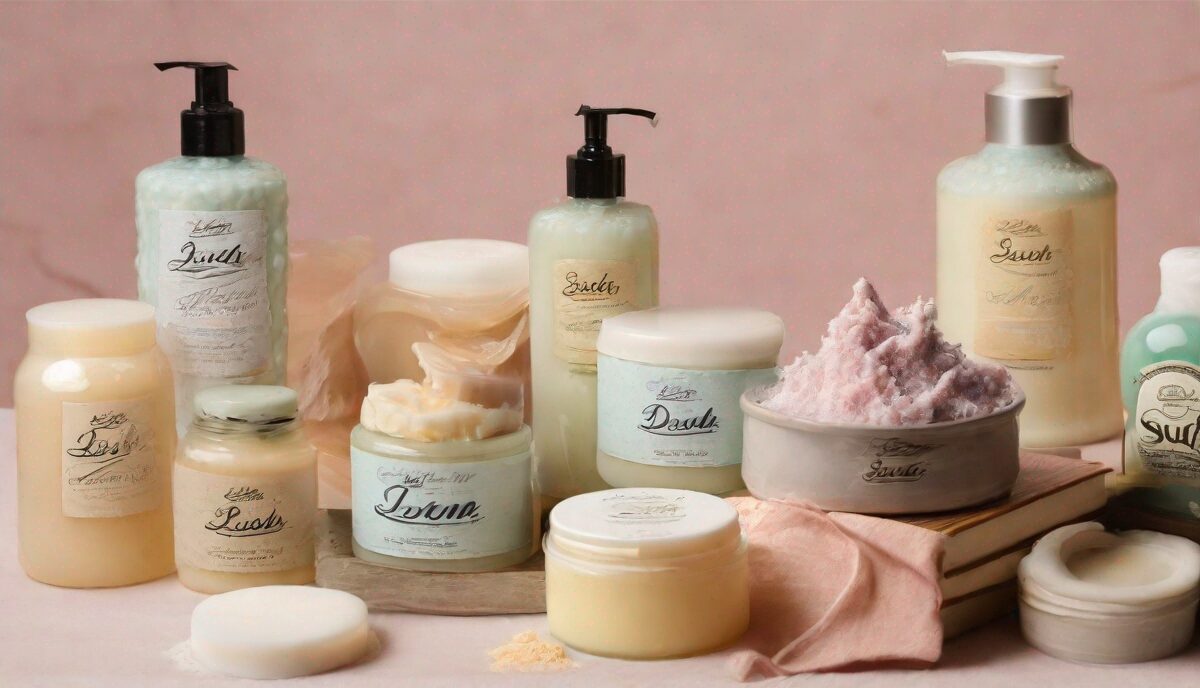
When it comes to bath and body products, LUSH and Sabon are two popular brands. Both offer handmade soaps, bath bombs, scrubs and more using natural ingredients. But which brand comes out on top? Here’s an overview of each to help you decide.
About LUSH
Founded in the UK in 1995, LUSH aims to offer effective products while being kind to people and the planet. Their products are 100% vegetarian and 81% vegan. LUSH supports fair trade and uses minimal packaging. Popular LUSH products include:
- Bath bombs – Fizzy spheres infuse bath water with essential oils, butters and colors.
- Soap – Handmade in a base of oils and butters, not detergents.
- Shampoo bars – Solid shampoo with moisturizing butters, no plastic bottles.
About Sabon
Started in Israel in 1996, Sabon’s first New York store opened in 2003. The luxury brand focuses on a sensory experience blending textures, scents and sounds. Best selling Sabon products include:
- Body scrubs – Refreshing exfoliants made from Dead Sea salt and oils.
- Bath bombs – Fizzy balls infuse tubs with nourishing ingredients.
- Soaps – Created from olive oil and other natural components.
Natural Ingredients
Both LUSH and Sabon use natural, often organic ingredients like essential oils, plant butters and salt. However, LUSH emphasizes ethical sourcing and environmental responsibility across their entire business. They use raw materials from fair trade growers when possible. And they aim for minimal packaging.
Range of Products
LUSH offers a diverse range of over 700 products for all over body care including soaps, shampoos, lotions and even tooth products. Sabon focuses specifically on luxurious bath and body care including soaps, scrubs and bath accessories.
Price
Sabon products are sold at premium prices positioning themselves as a luxury, indulgent experience. Their bath bombs retail around $20. LUSH prices are more affordable for the natural product space. Their fizzy bath bombs cost between $4-$9.
Brand Experience
The Sabon brand taps into all five senses to immerse customers in their world of indulgence. Stores smell intoxicating blending their most popular fragrances. Textures, colors and packaging all aim to appeal visually and through touch. The LUSH experience engages primarily through scent as soon as you open their doors. Their colorfully creative bath bombs also provide a feast for the eyes.
Navigating Scent Profiles: Complexity vs. Playfulness
The sensory journey at LUSH is defined by a bold, often experimental approach to fragrance. Their perfumers prioritize high-impact essential oil blends, resulting in scents that can range from the earthy, grounding notes of patchouli and sandalwood to the neon-bright, synthetic-adjacent sweetness of candy-floss or citrus. Because LUSH products are often designed to be used in high-water-volume environments, these scents are formulated to project; they linger in the air long after the bath has drained. If you prefer a fragrance that makes a statement or transforms the atmosphere of an entire bathroom, LUSH is the undisputed champion.
Conversely, Sabon approaches fragrance through the lens of sophisticated perfumery, mimicking high-end cologne and eau de toilette structures. Their signature scents, such as Patchouli Lavender Vanilla or Delicate Jasmine, are balanced to provide a subtle, lingering aura on the skin rather than a room-filling cloud. Sabon’s scents are remarkably consistent across their product lines, allowing you to layer a body scrub, shower oil, and body lotion without creating a clashing olfactory profile. While LUSH is an adventure in scent experimentation, Sabon is a masterclass in elegant, cohesive personal fragrance design.
The Chemistry of Exfoliation: Salt vs. Sugar and Seed
When evaluating physical exfoliants, the differences between the brands become clear based on skin type needs. Sabon’s reputation is built on their iconic Dead Sea Salt Body Scrub. These are heavy-duty, oil-drenched treatments where the salt grains are coarse and mineral-rich. They provide a “polished” feeling that is ideal for thick skin on limbs, but they can be abrasive for those with sensitive skin or compromised moisture barriers. The high oil content, often a blend of sweet almond, jojoba, and borage, acts as a protective film, but the sheer size of the salt crystals requires a gentle hand to prevent micro-tears.
LUSH, by contrast, takes a more varied approach to exfoliation. They utilize everything from fine sea salt and caster sugar to ground almonds and even poppy seeds. Their “Rub Rub Rub” scrub, for example, is a softer, more fluid experience compared to the dense, paste-like texture of a Sabon scrub. Because LUSH incorporates ingredients like fresh lemon juice or sea salt into their scrubs, they often double as brightening or clarifying treatments. If your skin needs deep, heavy-duty resurfacing, Sabon’s salt-based formulas are superior; if you require daily, gentle manual exfoliation that doesn’t leave an oily residue, LUSH’s diverse texture palette is more versatile.
Packaging Longevity and the Preservation Challenge
One of the most practical considerations for any bath product is how it holds up in a humid bathroom environment. LUSH’s commitment to “naked” packaging—selling items without plastic wraps or bottles—is a marvel of sustainability but presents a challenge for the consumer. Without preservatives or airtight containers, many LUSH products have a limited shelf life. Bath bombs can lose their effervescence if exposed to moisture, and solid soaps can melt away rapidly if not stored on a well-draining dish. You are essentially buying fresh produce for your skin, which requires a deliberate rotation of your product stash.
Sabon’s packaging, primarily heavy glass jars and aluminum tubes, is designed for longevity and aesthetic appeal. These containers are airtight, which is essential for preserving the integrity of the natural oils found in their scrubs. While Sabon’s packaging is significantly heavier and less “eco-conscious” than LUSH’s paper-wrapped bars, it serves a functional purpose: it protects the product from oxidation and bacterial contamination in the shower. For users who want a product that sits on their vanity for six months without degrading, Sabon’s traditional luxury packaging is the more pragmatic choice.
The “Shower Oil” Phenomenon: A Comparative Analysis
The shower oil is a staple in the Sabon ritual, serving as a hydrating cleanser that replaces traditional foaming gels. Sabon’s shower oils are formulated with a high concentration of botanical oils that turn into a light, silky lather upon contact with water. They are specifically designed for users who live in hard-water areas or suffer from dry, flaky skin, as they leave a noticeable, non-greasy hydration layer. It is a true luxury experience that transforms the mundane act of washing into a spa-like treatment.
LUSH tackles the shower experience differently, focusing on “Shower Gels” and “Shower Creams.” These are often more surfactant-heavy than Sabon’s oils, providing a squeaky-clean, refreshing feel rather than a deeply nourishing one. LUSH does offer “Shower Smoothies” and “Shower Oils” that are more moisturizing, but they are generally less viscous than the Sabon counterpart. If you are looking for a cleanser that doubles as a moisturizer to save time, Sabon is the gold standard. If you want a cleanser that provides a high-lather, invigorating wake-up call, LUSH’s range of gels and jellies is unmatched.
Ingredient Integrity: Synthetic-Free vs. Nature-Identical
Both brands market themselves as natural, but they define “natural” through different philosophies. LUSH is transparent about the use of “safe synthetics.” They argue that some lab-created ingredients are more sustainable and effective than their natural counterparts, such as certain preservatives or fragrance fixatives that would otherwise require animal testing or unethical harvesting. They clearly label their products with a list of ingredients that includes both the natural source and the synthetic necessity, prioritizing the end-user’s safety and the planet’s health over a “100% natural” marketing claim.
Sabon leans heavily into the allure of the Dead Sea, emphasizing mineral-rich salts and muds. Their marketing highlights the botanical origins of their ingredients, often focusing on the therapeutic properties of plant extracts. While they are not strictly “all-natural” in the way a homestead brand might be, they maintain a cleaner ingredient profile that appeals to consumers who are wary of complex chemical names. The distinction here is one of transparency: LUSH invites you into the chemistry lab, while Sabon invites you into the botanical garden.
The Gift-Giving Factor: Presentation and Demographics
When it comes to gifting, the two brands occupy different psychological spaces. Sabon is the “safe” luxury gift. Their pre-packaged gift sets, often wrapped in elegant boxes with ribbon, feel expensive and sophisticated. The heavy glass jars and classic labels make Sabon a fantastic option for birthdays, weddings, or corporate gifting, where the recipient’s specific skin sensitivities are unknown. It carries a “spa at home” prestige that is universally recognized as a treat.
FAQ
What is LUSH best known for?
LUSH is best known for their fizzy, colorful and moisturizing bath bombs. Shoppers also love their ethically-sourced bath and body products.
What is Sabon’s top selling product?
Sabon’s highly rated body scrubs lead their best selling products. Made from salt, oils and sometimes cocoa beans or pumice, Sabon body scrubs exfoliate beautifully.
Which brand offers more natural products?
With strict standards about ethical and sustainable sourcing, LUSH products are predominantly natural, vegetarian and vegan. Sabon does formulate products largely from natural ingredients as well.
Which brand has higher prices?
Sabon prices position the brand firmly as a luxury provider. Their bath bombs retail around $20 each. LUSH offers an affordable natural product line – their bombs average $6 each.
Which has better brand ethics?
LUSH places environmental responsibility and ethical sourcing at the core of their brand. From sustainable packaging to fair trade sourcing, LUSH aims to improve lives through business.
Related posts:
 PHA Bodyweight Workout: Efficient Fitness Anywhere, Anytime
 Lush’s Revolutionary Shower Bombs
 The Slow Beauty Movement’s Secret Hydration Recipes
 The Best Drugstore Body Products Worth Your Money
 Best Scalp Scrubs Review
 Proper Shower Peeing Etiquette
 Zoe Kravitz’s Coconut Oil Hair Care Secret
 Transform Your Tuesday Night Bath Into a Spa-Level Experience