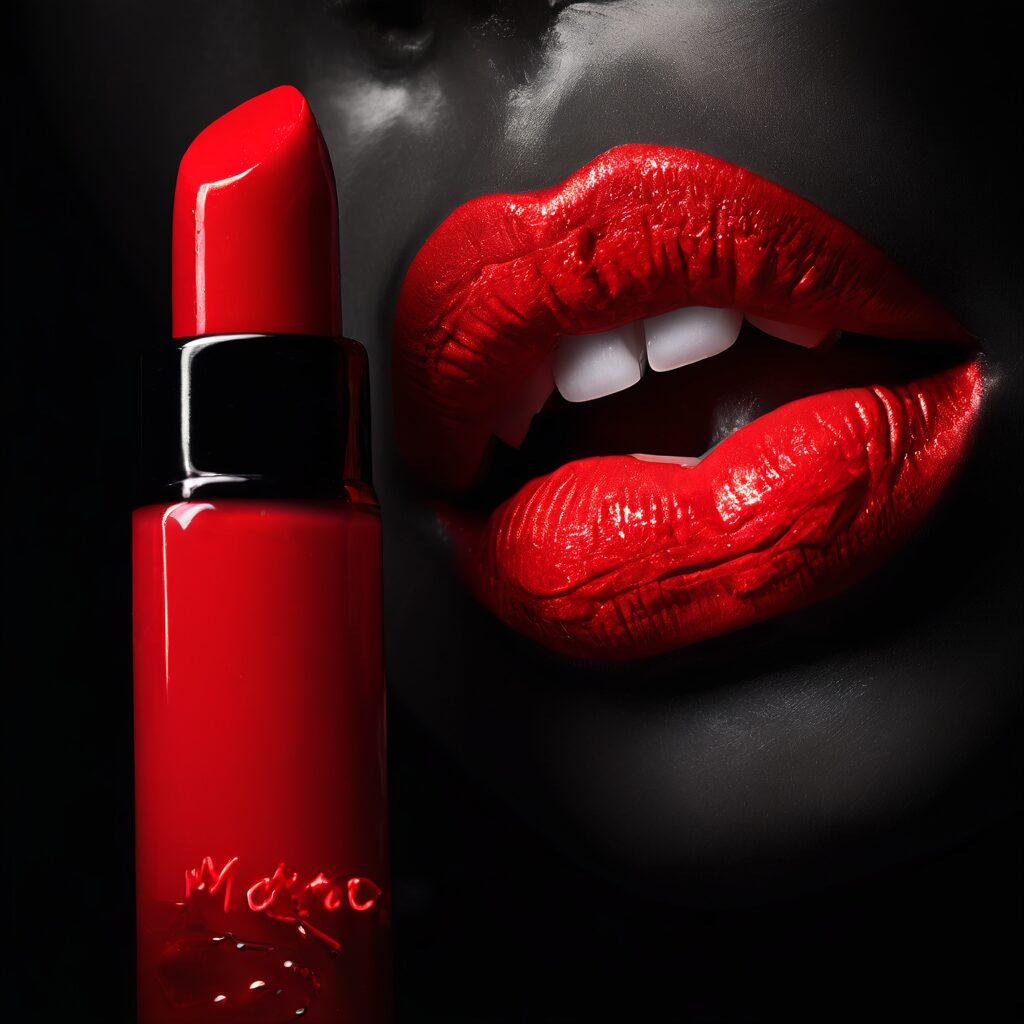
Introduction to MAC Ruby Woo
MAC Ruby Woo is more than just a lipstick; it’s a beauty icon. Known for its vibrant red hue and long-lasting matte finish, this lipstick has captivated beauty enthusiasts all over the world. In this article, we will delve into what makes MAC Ruby Woo so special and why it deserves a place in your makeup collection.
A Brief History of MAC Ruby Woo
Launched in 1999, MAC Ruby Woo quickly became a cult favorite. Its striking color and unique formula set it apart from other lipsticks on the market. Over the years, it has become a staple in the beauty industry, earning rave reviews from both makeup artists and everyday users.
The Unique Formula
One of the standout features of MAC Ruby Woo is its Retro Matte formula. This formula provides an intense matte finish that lasts for hours without feathering or fading. The high pigmentation ensures that the color stays vibrant, making it a perfect choice for any occasion.
Why Everyone Loves MAC Ruby Woo
MAC Ruby Woo is universally flattering. Regardless of skin tone, this lipstick complements a wide range of complexions. Its blue-red undertone makes teeth appear whiter, adding to its appeal. The versatility of MAC Ruby Woo allows it to be worn with both casual and formal attire, making it a must-have in any makeup bag.
How to Apply MAC Ruby Woo
For the best results, start by exfoliating your lips to remove any dry skin. Apply a lip balm to keep your lips hydrated. Use a lip liner to outline your lips and prevent the lipstick from bleeding. Finally, apply MAC Ruby Woo directly from the bullet or with a lip brush for more precision.
The Science of the Blue-Red Undertone and Color Theory
To truly understand why MAC Ruby Woo holds a legendary status, one must look at the color theory behind its formulation. Unlike many red lipsticks that lean toward orange or yellow (warm tones), Ruby Woo is a definitive “blue-red.” In the world of color cosmetics, a blue base acts as a cooling agent. This specific pigment balance is what creates the optical illusion of brighter, whiter teeth. When a lipstick has yellow undertones, it can inadvertently highlight the natural yellow ivory of tooth enamel; however, the cool blue pigments in Ruby Woo provide a stark contrast that makes the smile pop.
Beyond the smile, this blue-red profile is the secret to its “universal” claim. For those with cool skin undertones (veins appearing blue or purple), the lipstick harmonizes with the natural coolness of the skin. For those with warm or olive undertones, the lipstick provides a sophisticated juxtaposition. On deeper skin tones, Ruby Woo often pulls as a vibrant, classic crimson that doesn’t turn ashy, while on fair skin, it creates a high-contrast, Snow White-esque aesthetic. This versatility is rare in the industry, where most reds are categorized strictly for specific seasons or skin types. Understanding this balance allows users to manipulate the color; for instance, applying a warm-toned lip liner underneath can slightly shift the temperature of Ruby Woo to better suit a gold-heavy makeup look without losing the integrity of the original shade.
Navigating the Retro Matte Texture: Advanced Application Hacks
While the existing article mentions the importance of exfoliation, the Retro Matte formula of Ruby Woo requires a more nuanced approach than standard lipsticks. This formula is significantly drier and stiffer than MAC’s standard “Matte” line, which is exactly why it stays in place for eight hours. However, the “drag” during application can be intimidating for beginners. A professional secret to overcoming the stiffness of a fresh bullet is to warm the product on the back of your hand before it touches your lips. The friction generates just enough heat to soften the waxes, allowing for a smoother glide.
Another advanced technique involves the “layering and blotting” sequence. Because Ruby Woo is so pigment-dense, applying one thick layer can sometimes lead to cracking as the day progresses. Instead, try applying a thin layer using a lip brush to really work the pigment into the lines of the lips. Blot with a single ply of tissue, and then apply a second layer directly from the bullet. This creates a “stain” effect underneath the top layer, ensuring that even if the surface layer wears down after a meal, a vibrant base of color remains. For those who find the Retro Matte finish too restrictive, a tiny drop of a mixing medium or a light tap of a clear lip oil on the very center of the lips can add comfort without compromising the matte perimeter that prevents feathering.
The Ruby Woo Multiverse: Exploring Formula Variations
The success of the original Ruby Woo led MAC to expand the shade into several other formulas, catering to those who love the color but perhaps struggle with the original Retro Matte texture. If you find the classic bullet too drying, the “Ruby New” in the Powder Kiss range offers a blurred, soft-focus finish. This formula uses moisture-coated powder pigments that mimic the look of a matte lipstick but feel like a weightless balm. It’s the perfect alternative for a “just-bitten” look where sharp edges aren’t the priority.
For those who require even more longevity, the “Ruby Phew!” in the Retro Matte Liquid Lipcolour line provides a saturated liquid version that dries down to a completely transfer-proof finish. This is particularly useful for long events where touch-ups are impossible. Conversely, for a high-shine editorial finish, the “Ruby You” in the Lustreglass formula provides a sheerer, buildable version of the iconic red with a glossy sheen. Knowing these variations allows a makeup enthusiast to carry the same iconic shade from a corporate morning (Powder Kiss) to a high-glamour evening (Retro Matte) without ever changing their signature color profile.
Curating the Full Look: Complementary Face and Eye Makeup
Ruby Woo is a “statement” lipstick, which means the rest of the face must be balanced to avoid a cluttered appearance. When wearing such a bold, cool-toned red, your choice of blush is critical. To maintain a cohesive look, avoid orange or coral blushes. Instead, opt for cool-toned pinks, soft plums, or a neutral mauve. Some makeup artists even suggest taking a tiny amount of Ruby Woo, mixing it with a bit of concealer or moisturizer on the back of the hand, and dabbing it onto the cheeks as a cream blush. This ensures the undertones of the lips and cheeks are in perfect harmony.
For the eyes, Ruby Woo pairs exceptionally well with a clean, sharp winged eyeliner. This “pin-up” aesthetic is a classic for a reason—it allows the red lips to be the focal point. If you prefer eyeshadow, stick to neutral champagne, taupe, or soft brown transition shades. A common mistake is pairing Ruby Woo with heavy blue or green eyeshadows, which can lean toward a theatrical or dated look. If you want to incorporate color, try a subtle silver shimmer on the lids; the cool sparkle of the silver will play off the blue base of the lipstick beautifully. Lastly, ensure your foundation is well-blended around the mouth; any redness in the skin (rosacea or blemishes) can be amplified by the red pigments in the lipstick, so a bit of extra coverage around the chin and nose is often beneficial.
Ruby Woo in Professional Photography and Lighting
There is a specific reason Ruby Woo is a staple in professional photography kits: its lack of light reflection. In high-flash photography or under harsh studio lights, creamy or glossy lipsticks can create “hot spots” or reflections that distort the shape of the lips on camera. The Retro Matte finish of Ruby Woo absorbs light rather than reflecting it, which defines the lip shape and ensures the color remains consistent regardless of the lighting angle. This makes it the premier choice for wedding photography, red carpet events, and editorial shoots.
When preparing for photos, it is helpful to over-line the lips very slightly with a matching liner (like MAC Cherry or Ruby Woo liner) before applying the lipstick. Because the matte finish is so flat, you can slightly cheat the lip line to create more symmetry without it being obvious to the camera lens. Furthermore, in black-and-white photography, Ruby Woo translates as a perfect, rich middle-grey tone that provides enough contrast against the skin without looking too dark or muddy. This versatility across different media is why it remains a top recommendation for brides who want a timeless look that will age well in photo albums.
Seasonal Adaptations and Environmental Considerations
While Ruby Woo is a year-round favorite, its performance can change based on the environment. In the winter, the air is drier, which can make the Retro Matte formula feel more taxing on the lips. During these months, the preparation phase is even more vital. Using a hyaluronic acid-based lip serum before your primer can help lock in moisture deep within the lip tissue without creating a slippery surface that would cause the matte lipstick to slide. In contrast, during the humid summer months, Ruby Woo is a hero product because it is virtually sweat-proof. Unlike creamier lipsticks that might migrate into fine lines when the temperature rises, Ruby Woo stays exactly where you put it.
For those living in windy climates, the matte finish is also a practical choice. There is nothing more frustrating than long hair getting stuck in a sticky lip gloss and then dragging red streaks across the face. Ruby Woo’s dry-down ensures that your hair will glide right over your lips without picking up any pigment. If you find yourself transitioning from a climate-controlled office to a humid outdoor setting, a quick blot with a translucent powder through a tissue can further “lock” the lipstick, ensuring that not even the highest humidity will cause the color to budge.
The Cultural Legacy and Editorial Impact of the “Power Red”
Ruby Woo has transcended being a mere consumer product to become a cultural touchstone. It has been worn by everyone from Rihanna to Taylor Swift, and its presence on the red carpet is nearly constant. In fashion history, it represents the shift from the glossy, shimmering 90s into the bold, matte power-looks of the early 2000s and beyond. It is often referred to as a “confidence in a tube.” The psychological impact of wearing a bold red is well-documented; it commands attention and projects an image of authority and precision.
In the editorial world, makeup artists often use Ruby Woo as a base for more complex looks. It can be topped with a clear gloss for a “vinyl” lip effect, or it can be used to create a gradient “ombré” lip by applying a darker burgundy (like MAC Nightmoth) to the outer corners. Its reliability as a pigment means it can be manipulated without losing its core identity. Whether it’s being used for a minimalist “no-makeup” look with just a bold lip and groomed brows, or as part of a full-glam transformation, Ruby Woo remains the benchmark against which all other matte reds are measured. Its legacy is built on the fact that it doesn’t try to be anything other than a perfect, uncompromising red.
FAQ
1. Is MAC Ruby Woo suitable for all skin tones?
Yes, MAC Ruby Woo is known for its universal appeal. Its blue-red undertone complements a variety of skin tones, making it a versatile choice for anyone.
2. How long does MAC Ruby Woo last?
Thanks to its Retro Matte formula, MAC Ruby Woo can last up to 8 hours without the need for touch-ups. Its long-lasting wear is one of the reasons it is so popular.
3. Does MAC Ruby Woo dry out your lips?
While the Retro Matte formula can be drying for some, proper lip preparation can help. Exfoliate and moisturize your lips before application to ensure a smooth finish.
4. Can I wear MAC Ruby Woo every day?
Absolutely! MAC Ruby Woo can be worn for any occasion, whether it’s a casual day out or a formal event. Its versatile color makes it suitable for daily wear.
5. How do I remove MAC Ruby Woo?
To remove MAC Ruby Woo, use an oil-based makeup remover. This will break down the matte formula and make it easier to wipe away. Follow up with a gentle lip scrub to ensure all residue is removed.
Related posts:
 The Makeup Tricks That Will Change Your Entire Face
 The Best Pumpkin Spice Lipsticks to Try This Fall
 Buxom Power-Full Plump Lip Balm
 How to Make Lip Stains Work Under Masks
 The Tinted Lip Balm Trend Taking Over Beauty
 Professional Tricks to Make Your Lipstick Last All Day
 Return of Retro Running Shorts
 Undone Beauty’s Poppa Gloss Review