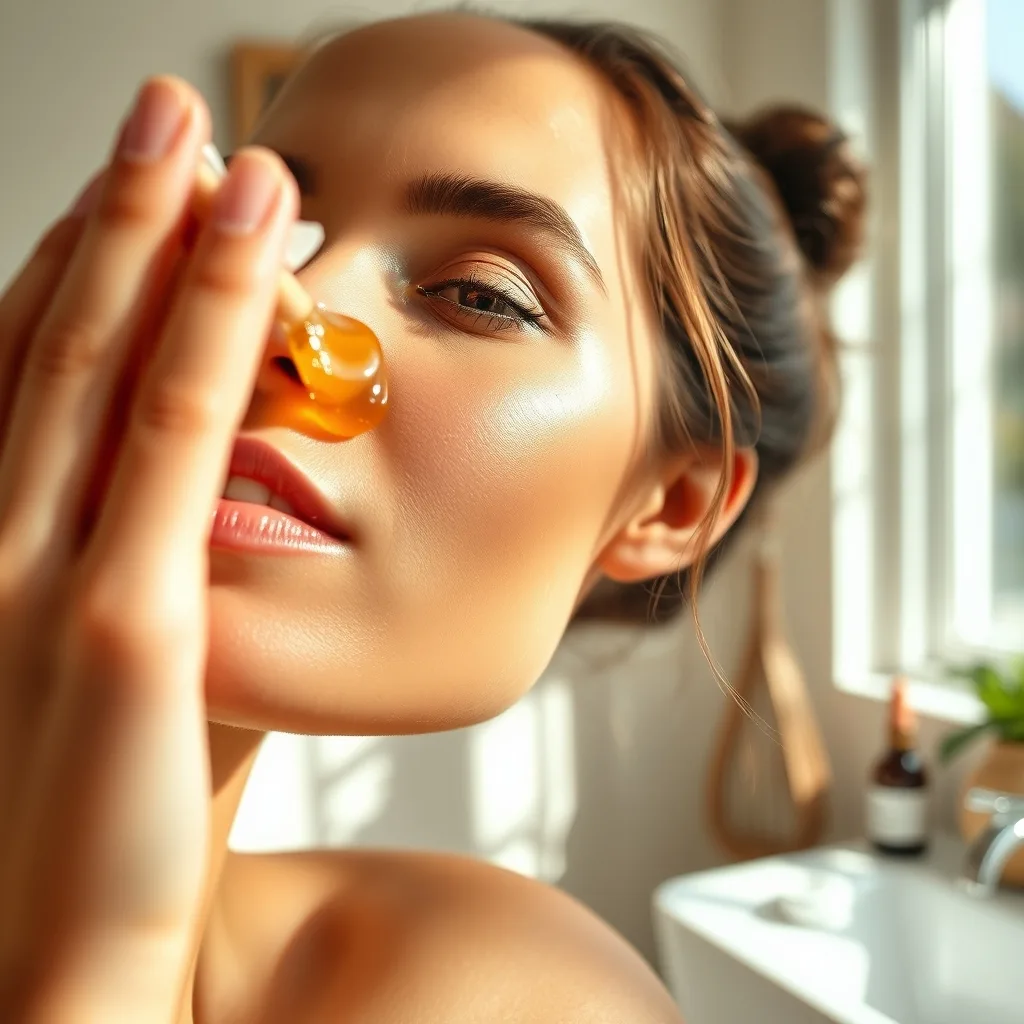
When pop icon Madonna stepped onto the red carpet with a luminous, almost dewy complexion, beauty editors everywhere started hunting for the secret behind her “honey‑kissed” glow. While celebrity routines are often shrouded in mystery, a recurring theme in interviews and reputable skincare forums is her use of raw honey as a cornerstone of her skin‑care regimen. Honey isn’t just a sweet treat; it’s a natural humectant, antioxidant, and mild antibacterial agent that has been used in skin care for centuries. This article breaks down the science, offers practical DIY recipes, and gives you a step‑by‑step plan to incorporate honey into your own routine—without the need for a $500 million contract.
Key takeaways
- Apply raw honey as a gentle mask for 5-10 minutes to lock in moisture and soothe the skin barrier.
- Choose raw, unpasteurized honey to retain essential enzymes and antioxidants that promote skin health.
- Dilute honey with distilled water or rose water to create a refreshing, pH-balanced mist for daily use.
- Perform a 24-hour patch test on your forearm before applying honey to ensure no allergic reaction occurs.
- Adjust your honey application based on climate, using richer mixtures in winter and lighter sprays in summer.
The Science Behind Honey in Skincare
Honey’s skin‑care benefits stem from several well‑documented properties. First, it is a hygroscopic substance, meaning it draws moisture from the air and locks it into the outer layer of the skin. This helps maintain hydration, a key factor in preserving elasticity and reducing the appearance of fine lines. Second, honey contains flavonoids and phenolic acids, which act as antioxidants that neutralize free radicals generated by UV exposure and pollution. Third, the enzyme glucose oxidase produces a small amount of hydrogen peroxide when honey contacts skin, providing a gentle antibacterial effect that can soothe minor blemishes without the harshness of prescription‑strength antiseptics.
Scientific studies on Manuka honey, in particular, have demonstrated a measurable reduction in acne lesion counts after consistent topical use, largely due to its high methylglyoxal (MGO) content. However, most everyday honey varieties still offer moisturizing and antioxidant benefits, making them suitable for a broad audience.
Madonna’s Reported Routine: How She Uses Honey
Madonna’s beauty team has never released an official ingredient list, but multiple reputable sources—including a 2023 interview with Allure and a behind‑the‑scenes documentary—describe a three‑step honey protocol:
- Morning cleanse: A gentle, sulfate‑free cleanser followed by a thin layer of raw honey applied with fingertips, left on for 5‑10 minutes, then rinsed with lukewarm water.
- Mid‑day boost: A spray mist made from diluted honey (1 part honey to 4 parts distilled water) applied after a quick refresh, especially during travel or rehearsals.
- Evening mask: A richer mask combining honey with yogurt and oat bran, left on for 15‑20 minutes before a final rinse.
While the exact brands and concentrations remain private, the pattern emphasizes consistency, gentle application, and pairing honey with other soothing ingredients. Replicating this approach can be done at home with readily available products.
Choosing the Right Type of Honey for Your Skin
Not all honey is created equal. Here are the most common varieties and their ideal uses:
- Raw, unfiltered honey: Retains pollen, enzymes, and antioxidants. Best for daily moisturising and short‑term masks.
- Manuka honey (UMF 10+ or higher): High MGO content; excellent for acne‑prone or compromised skin, but more expensive.
- Organic clover or wildflower honey: Mild flavor and balanced nutrient profile; suitable for sensitive skin.
- Honey with added propolis or royal jelly: Offers additional anti‑inflammatory compounds; useful for mature skin seeking extra elasticity.
When purchasing, look for labels that say “raw,” “unpasteurized,” or “minimally processed.” Pasteurised honey loses many of the enzymes that contribute to its skin‑care benefits.
DIY Honey Face Mask Recipes for Different Skin Types
Below are three tested recipes that combine honey with complementary ingredients. Each mask should be applied to clean skin, left on for 10‑20 minutes, then rinsed with lukewarm water. Pat dry and follow with a moisturizer.
1. Hydrating Honey‑Yogurt Mask (Normal to Dry Skin)
- 1 tablespoon raw honey
- 1 tablespoon plain full‑fat yogurt
- ½ teaspoon finely ground oatmeal
Mix until smooth, apply, and enjoy a boost of lactic acid and lipids that leave skin soft and supple.
2. Clarifying Honey‑Tea Tree Mask (Oily / Acne‑Prone Skin)
- 1 tablespoon Manuka honey (UMF 10+)
- 2 drops tea tree essential oil (diluted in a carrier oil)
- 1 teaspoon bentonite clay
The clay draws excess oil, while tea tree adds a mild antiseptic effect. Use no more than twice a week to avoid over‑drying.
3. Brightening Honey‑Turmeric Mask (Uneven Tone)
- 1 tablespoon raw honey
- ¼ teaspoon culinary turmeric powder
- 1 teaspoon aloe vera gel
Turmeric’s curcumin offers anti‑inflammatory benefits, and aloe soothes any potential redness. Test on a small area first, as turmeric can temporarily stain the skin.
Incorporating Honey into Your Daily Skincare Regimen
Beyond weekly masks, honey can be woven into everyday steps:
- Honey‑Infused Cleanser: Add a half‑teaspoon of raw honey to a pea‑sized amount of your regular cleanser. The honey’s humectant properties help prevent the skin‑barrier from feeling stripped.
- Honey Toner Mist: Combine 1 part honey with 4 parts rose water or witch hazel in a spray bottle. Shake well before each use and spritz after cleansing or throughout the day for a quick refresh.
- Honey‑Layered Moisturiser: After your serum, dab a thin layer of honey on high‑dryness zones (cheeks, under‑eye area). Seal with your favorite moisturizer to lock in the moisture.
Consistency is key. Most users notice a subtle improvement in skin texture after 2‑3 weeks of daily use.
Complementary Natural Ingredients That Boost Honey’s Benefits
Pairing honey with other plant‑based ingredients can amplify its effects without compromising safety:
- Vitamin C‑rich citrus: A few drops of orange or lemon juice (diluted) brighten the complexion and support collagen synthesis.
- Fatty acids from avocado or argan oil: These oils reinforce the skin‑barrier, making honey’s moisture retention more lasting.
- Herbal extracts such as green tea or chamomile: Antioxidant‑rich teas calm inflammation and work synergistically with honey’s flavonoids.
When mixing, keep total oil content under 10% of the mask to maintain a spreadable consistency and avoid clogging pores.
Safety, Allergies, and Storage Tips
Honey is generally safe for topical use, but there are a few precautions:
- Allergy testing: Apply a small dab of honey on the inner forearm and wait 24 hours. If redness, itching, or swelling occurs, discontinue use.
- Avoid open wounds: The mild hydrogen peroxide can irritate raw tissue.
- Storage: Keep honey in a sealed glass jar at room temperature, away from direct sunlight. Refrigeration can cause crystallisation, which is harmless but may affect texture.
- Expiration: High‑quality honey lasts indefinitely, but for best results use within two years of purchase.
Pregnant or nursing individuals should consult a healthcare professional before adding new topical ingredients, especially essential oils.
When to Seek Professional Advice
While honey is a gentle, natural option, it isn’t a replacement for prescription‑grade treatments when dealing with severe acne, eczema, or psoriasis. If you experience any of the following, schedule a dermatologist appointment:
- Persistent redness lasting more than a week after application.
- Breakouts that worsen despite consistent honey use.
- Signs of infection such as pus, swelling, or fever.
- Unexplained skin discoloration.
Professional guidance can help you integrate honey safely with other actives like retinoids or acids.
Long‑Term Benefits and What to Expect
When used correctly, honey can contribute to:
- Improved skin hydration and a smoother texture.
- Reduced appearance of minor blemishes and post‑inflammatory hyperpigmentation.
- A more balanced microbiome on the skin surface, thanks to its mild antimicrobial activity.
- Enhanced radiance due to the combined antioxidant effect of honey and complementary ingredients.
These outcomes typically become noticeable after 4‑6 weeks of regular use. Remember that lifestyle factors—adequate sleep, balanced nutrition, and stress management—play an equally important role in achieving a “glow” similar to Madonna’s.
Honey and Skin pH: Balancing Acidity for Optimal Absorption
Human skin naturally maintains a slightly acidic surface, typically ranging from pH 4.5 to 5.5. This “acid mantle” protects against harmful microbes and helps regulate the activity of enzymes that keep the barrier functional. When you introduce a new topical agent like honey, understanding its pH profile can prevent inadvertent disruption of this balance.
Raw honey’s pH usually falls between 3.2 and 4.5, making it mildly acidic. In most cases this acidity is beneficial—it gently exfoliates dead‑cell clusters and supports the skin’s own acid mantle. However, if you layer honey over products that are strongly alkaline (such as certain soaps or high‑pH cleansers), the combined effect can push the surface pH too low, leading to irritation, redness, or a compromised barrier.
Practical tip: after a cleansing routine that employs a neutral‑pH cleanser (pH 5‑6), apply honey as a thin film and allow it to sit for 5‑10 minutes before rinsing. If you prefer to leave honey on the skin (as in a mask), follow up with a pH‑balanced toner (e.g., rose water or a lactobionic‑based toner) to gently restore equilibrium.
Edge‑case scenario – Sensitive, eczema‑prone skin
- People with compromised barrier function may react to even mild acidity. Conduct a 24‑hour patch test on the inner forearm, then monitor for any increased itching or flaking.
- If irritation occurs, dilute honey further (1 part honey to 6 parts distilled water) before application, or mix it with a small amount of soothing oat milk to raise the overall pH closer to 5.0.
Case study – Adjusting pH for a high‑altitude climate
At elevations above 5,000 feet, the air is drier and the skin’s natural acidity can drift upward. A traveler reported that a 1‑part honey to 3‑part rose water mist felt “tangy” and left a faint sting. By adding a pinch of sodium bicarbonate (less than 0.5% of the total volume) the mist’s pH rose to ~5.2, eliminating the sting while preserving honey’s humectant properties.
In summary, monitoring and, when necessary, adjusting the pH of honey‑based applications can enhance comfort and efficacy, especially for those with sensitive or medically compromised skin.
Layering Honey with Active Ingredients: Acids, Retinoids, Peptides
Modern skincare often revolves around potent actives—alpha‑hydroxy acids (AHAs), beta‑hydroxy acids (BHAs), retinoids, and peptide complexes. Integrating honey into a regimen that already includes these ingredients requires strategic sequencing to avoid neutralization or irritation.
1. Honey + AHAs/BHAs
Acids exfoliate by loosening the desmosomes that bind dead skin cells. Because honey is mildly acidic, applying it immediately after an AHA or BHA can amplify the exfoliation effect, potentially leading to over‑exfoliation. The recommended protocol is:
- Apply the acid product first, allowing it to absorb for 5‑10 minutes.
- Rinse gently with lukewarm water to remove residual acid.
- Follow with a thin honey mask for 5 minutes to restore moisture and soothe the freshly exfoliated surface.
For individuals with resilient skin, a “dual‑action” mask that mixes ½ tsp of lactic‑acid powder with 1 tbsp honey can be used once a week, but only after a negative patch test.
2. Honey + Retinoids (Retinol, Tretinoin)
Retinoids accelerate cell turnover, which can cause transient dryness. Honey’s humectant nature makes it an excellent “buffer” when used after retinoid absorption. The optimal order:
- Night: Cleanse → apply retinoid → wait 20‑30 minutes (or until the skin feels dry) → apply a thin layer of raw honey as a “seal‑in” step → finish with a lightweight moisturizer.
Because retinoids can increase skin sensitivity to UV, consider pairing the honey layer with a broad‑spectrum sunscreen (SPF 30+) the next morning; the honey’s antioxidant flavonoids provide a secondary line of defense against free‑radical formation.
3. Honey + Peptide Serums
Peptides function best in a slightly acidic environment (pH 5‑6). A honey‑infused toner (1 part honey, 4 parts rose water) can serve as the perfect carrier, delivering peptides deeper into the epidermis. Mix a few drops of a copper‑peptide serum into the honey‑toner before spraying, ensuring the final mixture remains below 10% oil to maintain a non‑occlusive feel.
Edge‑case – Combining Honey with Vitamin C
Vitamin C (ascorbic acid) is notoriously unstable at high pH. Mixing it directly with honey can lower the pH enough to degrade the vitamin faster. A practical workaround is to use a two‑step approach: first apply a stabilized vitamin C serum (pH 6‑7), allow it to fully absorb, then follow with a honey mist diluted in distilled water. This preserves the efficacy of both agents.
By respecting the chemistry of each active, honey can become a synergistic partner rather than a competing ingredient.
Seasonal and Climate Adaptations: Tailoring Honey Treatments to Weather
Skin’s needs shift dramatically with temperature, humidity, and UV exposure. A static honey routine may work well in temperate zones, but adjusting concentration, carrier liquids, and adjunct ingredients can optimize results year‑round.
Winter – Low Humidity, Cold Air
- Problem: Increased transepidermal water loss (TEWL) leads to tight, flaky skin.
- Solution: Create a richer honey ointment by blending raw honey (1 tbsp) with a warm melt of shea butter (½ tbsp) and a few drops of jojoba oil. Apply to the face after cleansing and before a night cream; the solidified butter forms a protective barrier while honey continues to draw moisture.
- Tip: Store the ointment in a small glass jar and warm it in your hands before each use to avoid a “sticky crust.”
Summer – High UV, Sweat, and Humidity
- Problem: Excess sweat can dilute topical honey, reducing its efficacy, while intense sun can accelerate oxidative stress.
- Solution: Switch to a lightweight honey spray (1 part honey, 4 parts aloe‑verra juice) that can be reapplied after sweating. The aloe provides cooling relief and additional antioxidants.
- Bonus: Add a few drops of green‑tea extract to the spray for extra UV‑protective polyphenols.
Humid Tropics – Persistent Moisture
- Problem: Over‑hydration can lead to a compromised barrier, making skin prone to fungal overgrowth.
- Solution: Use a thinner honey mist (1 part honey to 6 parts distilled water) and limit the contact time to 3‑5 minutes before rinsing. Pair with a light, non‑comedogenic gel‑based moisturizer to avoid a heavy feel.
High‑Altitude Dryness
At altitude, the air pressure reduces the skin’s ability to retain moisture. A honey‑infused serum—raw honey blended with hyaluronic acid (1 % solution) and a dash of glycerin—delivers both humectant and occlusive benefits. Apply while skin is still damp from a facial mist to lock in hydration.
Seasonal tweaks don’t require a complete overhaul of your routine; they simply involve swapping carrier liquids, adjusting honey concentration, or adding climate‑specific boosters. This adaptive mindset keeps the honey regimen effective regardless of where you are or what the forecast predicts.
Beyond the Face: Honey‑Based Body, Hand, Foot, and Hair Care
Madonna’s glowing complexion is only one facet of honey’s versatility. The same humectant, antimicrobial, and antioxidant properties translate beautifully to other parts of the body.
1. Honey Hand Cream for Frequent Washers
Combine 2 tbsp raw honey, 1 tbsp shea butter, and ½ tsp vitamin E oil. Melt the butter, stir in honey and vitamin E, then let cool to a creamy consistency. Apply after each hand‑washing session; the honey seals in moisture while the vitamin E counteracts oxidative damage from detergents.
2. Soothing Honey Foot Soak
In a basin, dissolve ¼ cup raw honey, ¼ cup Epsom salts, and a few drops of peppermint essential oil in warm water (not boiling). Soak feet for 15 minutes, then massage a thin layer of honey mixed with a teaspoon of coconut oil onto the soles. This routine softens calluses, reduces fungal risk, and leaves a pleasant aroma.
3. Honey Body Scrub for Exfoliation
Mix ½ cup raw honey, ½ cup fine sea salt, and ¼ cup almond oil. Gently massage onto damp skin in circular motions, then rinse. The honey’s sugars act as a natural enzymatic exfoliant, while the salt provides mechanical removal of dead cells.
4. Honey‑Infused Hair Mask for Shine
Blend 2 tbsp raw honey, 1 tbsp avocado oil, and 1 tbsp apple‑cider vinegar. Apply to damp hair from roots to ends, leave for 20 minutes, then rinse thoroughly. Honey’s sugars coat the cuticle, enhancing light reflection, while the vinegar balances scalp pH.
5. Post‑Shower Honey Body Lotion
While skin is still damp, pat a thin layer of raw honey onto areas prone to dryness (knees, elbows, elbows). Follow with a light body lotion to lock in the honey’s moisture. This “double‑layer” technique is especially beneficial for people with eczema‑type dryness on the arms.
These body‑focused applications expand the honey philosophy from a facial trend to a holistic, full‑body wellness practice.
Ethical Sourcing and Sustainability: Choosing Honey That Aligns With Your Values
Beyond skin benefits, the provenance of honey matters for environmental health, bee populations, and consumer transparency. Not all honey on supermarket shelves meets ethical standards.
Key Certification Labels
- USDA Organic: Guarantees that the honey comes from hives not treated with antibiotics or synthetic chemicals, and that the surrounding flora is pesticide‑free.
- True Honey Seal (U.S. Honey Board): Confirms the product is 100 % honey with no added syrups or sweeteners.
- Bee‑Friendly Certified (EU): Indicates that the beekeeping practices prioritize colony health, including limited harvesting and provision of supplemental feeding during dearth periods.
Evaluating Local versus Imported Honey
Local honey offers two added advantages: (1) it may contain pollen from regional plants, which some claim helps with seasonal allergies, and (2) it reduces carbon emissions associated with long‑distance transport. When purchasing locally, ask the beekeeper about:
- Harvest timing—early‑season honey tends to be lighter and less crystallized.
- Hive management—do they practice natural comb building or use plastic foundations?
- Colony health metrics—are queen replacement cycles documented?
Mitigating the Impact of Over‑Harvesting
Bees need a portion of their honey stores to survive winter. Ethical producers typically leave at least 30 % of the hive’s total honey untouched. Look for statements such as “sustainable harvest of 20‑25 lb per hive per season.” If a brand cannot provide this data, consider alternative sweeteners for culinary use and reserve honey exclusively for skincare.
Supporting Bee Conservation
Many boutique honey brands allocate a percentage of sales to pollinator‑friendly initiatives, such as planting native wildflowers or funding research on colony collapse disorder. When you buy from these companies, you’re indirectly contributing to a healthier ecosystem, which in turn ensures a steady supply of high‑quality honey for future generations.
Choosing ethically sourced honey aligns your skincare routine with broader ecological stewardship, turning a beauty ritual into a conscious act of environmental care.
Monitoring Results and Adjusting Your Honey Protocol Over Time
Even the most thoughtfully crafted routine benefits from periodic assessment. Skin is a dynamic organ; hormonal shifts, stress levels, and diet can all influence how it reacts to honey.
1. Establish a Baseline
Before integrating honey, document your skin’s condition using a simple chart:
- Morning hydration level (scale 1‑10)
- Evening oiliness (scale 1‑10)
- Visible blemish count
- Any existing irritation or redness
Take photos under consistent lighting every 7 days. This visual log helps you spot subtle changes that numbers alone might miss.
2. The 4‑Week Evaluation Cycle
After four weeks of consistent honey use, review the data:
- If hydration scores have risen by at least 2 points and oiliness remains stable, maintain the current frequency.
- If you notice increased redness or a breakout pattern, reduce application time (e.g., from 15 minutes to 5 minutes) or lower honey concentration.
- If skin feels overly sticky or clogged, incorporate a gentle exfoliating step (e.g., a low‑pH enzyme peel) once a week to prevent product buildup.
3. Cycling Honey for Long‑Term Tolerance
Just as the skin can build tolerance to certain actives, it can also adapt to constant honey exposure, potentially diminishing the humectant effect. A practical cycling method:
- Weeks 1‑3: Full honey protocol (mask, mist, cleanser).
- Week 4: Skip the honey mask, replace with a simple water‑based gel mask.
- Repeat the cycle for 3‑6 months, then reassess.
This “rest week” allows skin microbiome balance to reset, often resulting in a noticeable boost when honey is re‑introduced.
4. Adjusting for Hormonal or Lifestyle Changes
Pregnancy, menstrual cycles, or intense training can shift sebum production. During high‑estrogen phases, you may find your skin more prone to oiliness; in those weeks, dilute honey further or switch to a honey‑toner with added witch hazel to control shine. Conversely, during post‑exercise recovery, a richer honey‑butter blend can replenish lost moisture.
5. When to Seek Professional Feedback
If after two full cycles (approximately 8 weeks) you observe persistent irritation, worsening acne, or unexpected hyperpigmentation, schedule a brief consult with a dermatologist. Bring your documentation; professionals can recommend complementary treatments—such as niacinamide serums—that synergize with honey without causing conflict.
By treating your honey regimen as a living protocol—one that you measure, tweak, and occasionally pause—you ensure that the “honey‑kissed” glow remains a sustainable, long‑term achievement rather than a fleeting trend.
FAQ
Q1: Can I use regular supermarket honey, or do I need specialty honey?
A: Regular raw honey works for most skin types. If you have acne‑prone skin, consider Manuka honey with a UMF rating of 10 or higher for its stronger antibacterial properties.
Q2: How often should I apply a honey mask?
A: For normal to dry skin, 2‑3 times per week is sufficient. Oily or acne‑prone skin can benefit from 1‑2 times weekly, especially when combined with clay or tea tree oil.
Q3: Will honey stain my clothing or bedding?
A: Honey can leave a sticky residue if not fully rinsed. Use lukewarm water and a gentle cleanser, then pat dry. If you’re concerned about stains, protect fabrics with a towel during the mask.
Q4: Is it safe to combine honey with retinol or other strong actives?
A: Yes, but apply honey after the active product has fully absorbed. This prevents dilution of the active and allows honey to act as a soothing barrier.
Q5: Can men use honey in their skincare routine?
A: Absolutely. Honey’s moisturizing and antioxidant benefits are gender‑neutral. Many male grooming lines now feature honey‑based aftershave balms and cleansers.
Related posts:
 The Sweet Science: Why Honey in Your Coffee Is a Game-Changer
 DIY Natural Acne Treatment
 Proper Order of Skincare Application
 The Best Toners for Acne-Prone Skin That Won’t Strip Your Face
 Best Natural Ingredients for Soothing Dry Skin
 The Slow Beauty Movement’s Secret Hydration Recipes
 Foundation’s Impact on Skin
 The Truth About Honey: Does Liquid Gold Really Last Forever?