
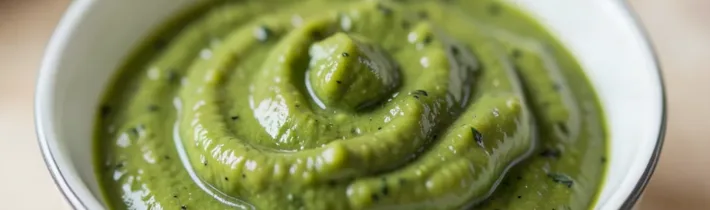
In the world of culinary shortcuts and kitchen staples, few things earn the title of “magic” quite as easily as a well-made avocado sauce. It is the ultimate chameleon of the condiment world—at once a creamy dressing, a zesty dip, a sandwich spread, and a rich pasta topping. Whether you are following a vegan lifestyle, looking for heart-healthy fat sources, or simply trying to find a way to use up those three avocados that all ripened at the exact same moment, this magic avocado sauce recipe is your new best friend. Unlike traditional heavy creams or mayonnaise-based sauces, this version relies on the naturally buttery texture of the avocado, brightened with citrus and grounded with fresh herbs. It provides a luxurious mouthfeel without the heaviness, making it a versatile tool for any home cook looking to elevate their daily meals.
Why This Sauce is Truly “Magic”
The term “magic” is often overused in recipe titles, but here it serves a specific descriptive purpose. This sauce is magical because of its transformative properties. It can turn a bowl of plain black beans and rice into a gourmet meal. It can bridge the gap between a dry turkey sandwich and a satisfying lunch. It can even serve as a dairy-free alternative to Alfredo sauce when tossed with hot fettuccine. The magic lies in the avocado’s unique chemical composition. High in monounsaturated fats, avocados emulsify beautifully when blended, creating a stable, thick texture that mimics dairy cream.
Beyond the texture, the magic extends to its nutritional profile. While many sauces are “empty calories”—providing flavor but little else—this sauce is nutrient-dense. It offers a significant boost of potassium, fiber, and vitamins C, E, and K. When you drizzle this over your food, you aren’t just adding flavor; you are adding a layer of sustained energy. Furthermore, the prep time is nearly non-existent. If you have five minutes and a blender or food processor, you have a gourmet condiment ready to go. There is no cooking required, no reduction of liquids, and no complicated tempering of eggs. It is pure, raw, vibrant energy in a bowl.
Essential Ingredients for the Perfect Base
To achieve the best results, the quality of your ingredients is paramount. Because this is a raw sauce, every flavor will be prominent. Here is what you need to build the foundation of your magic avocado sauce:
- Ripe Hass Avocados: The Hass variety is preferred for its high oil content and creamy flesh. Look for avocados that give slightly when pressed but aren’t mushy. If the stem at the top pops off easily and reveals green underneath, you’ve found a winner.
- Fresh Citrus Juice: Lime juice is the classic choice, providing a sharp, bright acidity that cuts through the fat of the avocado. Lemon juice is a wonderful alternative if you are aiming for a more Mediterranean flavor profile. The acid isn’t just for taste; it is essential for preventing the sauce from turning brown (oxidation).
- Fresh Garlic: One or two cloves of raw garlic provide a pungent kick. If you find raw garlic too sharp, you can use roasted garlic for a mellow, sweet undertone.
- Liquid Component: To achieve your desired consistency, you will need a liquid. Water keeps the flavor neutral, while olive oil adds a silky richness. For a creamier, tangier version, unsweetened almond milk or plain Greek yogurt (if not vegan) works beautifully.
- Fresh Herbs: Cilantro is the traditional pairing, but flat-leaf parsley, chives, or even a bit of basil can change the direction of the sauce entirely.
- Sea Salt and Black Pepper: Never underestimate the power of proper seasoning. Salt is what unlocks the subtle nuttiness of the avocado.
Step-by-Step Instructions: Mastering the Blend
Creating this sauce is straightforward, but the order of operations can help ensure a perfectly smooth texture without any chunky surprises. Follow these steps for the ultimate result:
Step 1: Prep the Aromatics. Start by placing your peeled garlic cloves and any hard ingredients (like a slice of jalapeño) into the food processor or blender first. Pulse them until they are finely minced. This ensures you won’t end up with a large chunk of raw garlic in an otherwise smooth sauce.
Step 2: Add the Bulk. Scoop the flesh of two large avocados into the container. Add your fresh herbs at this stage as well. By adding the herbs now, you can control how much they are broken down—pulse briefly for flecks of green, or blend longer for a vibrant, fully green sauce.
Step 3: Add the Liquids and Acid. Pour in 1/4 cup of lime juice and 2 tablespoons of olive oil or water. Add a generous pinch of salt and a few cracks of black pepper. Starting with less liquid is always safer; you can add more later, but you can’t take it out once it’s too runny.
Step 4: The Emulsification. Blend on high speed for 30 to 60 seconds. Stop and scrape down the sides of the bowl with a silicone spatula to ensure every bit of avocado is incorporated. If the sauce is too thick (like a dip), add water or oil one tablespoon at a time while the motor is running until it reaches a “pourable” consistency.
Step 5: The Taste Test. This is the most important step. Taste the sauce. Does it need more salt? Is it bright enough, or does it need another squeeze of lime? If the garlic is too sharp, a tiny drop of maple syrup or honey can help balance the flavors without making it sweet.
Customizing Your Magic Avocado Sauce
Once you have mastered the base, the variations are endless. Here are four ways to pivot the flavor profile to match your meal:
1. The Spicy Kick: Add a de-seeded jalapeño or a teaspoon of red pepper flakes. For a smoky heat, add a single chipotle pepper in adobo sauce. This version is incredible on fish tacos or grilled corn on the cob.
2. The “Green Goddess” Style: Swap the cilantro for a mix of parsley, tarragon, and chives. Add a teaspoon of capers or a dash of nutritional yeast for a savory, umami depth. This version is perfect as a dip for a raw vegetable platter or drizzled over a wedge salad.
3. The Mediterranean Twist: Use lemon juice instead of lime and add a tablespoon of tahini. This adds a nutty richness that pairs perfectly with falafel, roasted chickpeas, or grilled lamb. Add a pinch of dried oregano or fresh dill to finish.
4. The Creamy Avocado Pesto: Add a half-cup of fresh basil leaves and a quarter-cup of pine nuts or walnuts to the base. Use extra virgin olive oil as your primary liquid. This creates a thick, luxurious pasta sauce that requires no cooking—just toss it with hot pasta and a little bit of reserved pasta water.
Culinary Pairings: How to Use Your Sauce
The versatility of this magic avocado sauce means it can find a place at almost any meal. Here are some practical ways to incorporate it into your weekly rotation:
Breakfast: Drizzle the sauce over a savory breakfast bowl containing quinoa, sautéed kale, and a poached egg. It also makes a fantastic base for “fancy” avocado toast—spread the sauce on thick sourdough and top with sliced radishes and microgreens.
Lunch: Use it as a healthy replacement for mayo in chicken or chickpea salad. It also serves as an excellent dip for pita chips or cucumber slices. If you enjoy grain bowls, this sauce acts as the perfect binding agent to bring together roasted sweet potatoes, black beans, and spinach.
Dinner: This is where the sauce truly shines. Use it as a topping for grilled salmon or shrimp. It can be used as a “crema” for enchiladas or stuffed peppers. For a quick weeknight dinner, boil some whole-wheat pasta, toss it with the avocado sauce, and add halved cherry tomatoes and some grilled chicken or tofu. The residual heat from the pasta will warm the sauce just enough to make it silky without cooking the avocado (which can sometimes turn bitter when overheated).
Snacks: It’s a natural companion for baked potato wedges or sweet potato fries. Because it is so satisfying, a small amount goes a long way in making a simple snack feel like a treat.
The Science of Keeping It Green
The biggest challenge with any avocado-based recipe is the dreaded browning. This happens because of an enzyme called polyphenol oxidase, which reacts with oxygen to create melanin (the brown pigment). To keep your magic avocado sauce vibrant and green for as long as possible, you need to use a multi-pronged approach.
First, acidity is your shield. The lime or lemon juice in the recipe isn’t just for flavor; the low pH of the citrus slows down the enzymatic reaction. If you plan on keeping the sauce for more than a few hours, consider adding a slightly higher ratio of citrus.
Second, eliminate air contact. When storing the sauce in a container, don’t just put a lid on it. Take a piece of plastic wrap and press it directly onto the surface of the sauce, ensuring there are no air bubbles trapped underneath. This physical barrier is the most effective way to prevent oxidation.
Third, the “water trick.” If you have a very thick sauce in a jar, you can pour a thin layer of cold water over the top before sealing. When you are ready to use it, simply pour the water off and give the sauce a quick stir. The water acts as a perfect oxygen seal.
Nutritional Highlights: Fueling Your Body
While we focus on the flavor, it is worth noting why this sauce is a powerhouse for your well-being. Avocados are one of the few fruits that are high in healthy fats. Specifically, they contain oleic acid, a monounsaturated fatty acid that is also the primary component of olive oil. These fats are essential for the absorption of fat-soluble vitamins like A, D, E, and K found in the other vegetables you might be eating with the sauce.
Furthermore, avocados are an excellent source of dietary fiber. A single batch of this sauce can contribute a significant portion of your daily fiber needs, which aids in digestion and helps maintain a feeling of fullness. This makes the sauce an excellent tool for those practicing mindful eating or looking to manage their energy levels throughout the day. By replacing processed, sugar-laden dressings with this whole-food alternative, you are nourishing your body with vitamins, minerals, and antioxidants like lutein and zeaxanthin, which are important for eye health.
Meal Prep and Batch Cooking Tips
If you are a fan of meal prepping, you might wonder if you can make a giant batch of magic avocado sauce on Sunday to last the week. While it is best fresh, it can certainly be prepped ahead with a few caveats.
The sauce will stay fresh and green in the refrigerator for about 3 to 4 days if stored correctly with the plastic wrap method mentioned above. If you notice a very thin layer of brown on top after a few days, don’t worry—you can simply scrape it off; the sauce underneath will still be bright green and perfectly safe to eat.
Can you freeze it? Yes, but with a change in texture. If you freeze the sauce, the water and fats may separate slightly upon thawing. To fix this, simply give it a quick whirl in the blender once it has defrosted. Freezing it in an ice cube tray is a great hack; you can pop out a single “cube” of sauce to melt into a hot bowl of soup or pasta whenever you need a quick flavor boost. This is an excellent way to reduce food waste if you find yourself with too many ripe avocados at once.
Troubleshooting Common Issues
Even with a simple recipe, things can sometimes go sideways. Here is how to fix common avocado sauce mishaps:
Problem: The sauce is too bitter. This usually happens if the avocado was slightly underripe or if it was blended for too long at a very high speed, which can oxidize the oils. To fix this, add a tiny pinch of salt and a small amount of sweetener (like agave or honey). The sweetness will counteract the bitterness on your palate.
Problem: The sauce is too thin. If you added too much liquid, don’t panic. You can thicken it by adding another half of an avocado, or if you don’t have one, a tablespoon of Greek yogurt or even a few tablespoons of hemp seeds can add body without changing the flavor too much.
Problem: It’s too garlic-heavy. If the garlic is overpowering, you need to increase the volume of the other ingredients. Add more avocado or a handful of fresh spinach. Spinach will add volume and color without changing the flavor profile significantly.
Problem: It’s too bland. Usually, this is a salt or acid issue. Add salt in small increments, tasting after each addition. If it still feels “flat,” add another teaspoon of lime juice. Acid is what makes the flavors “pop.”
Advanced Emulsification: Choosing Your Tools for Specific Textures
While the basic instructions cover the general process, the specific equipment you choose will drastically alter the final texture and “mouthfeel” of your magic avocado sauce. Understanding the physics of emulsification can help you tailor the sauce for specific culinary applications. For instance, a high-speed blender (like a Vitamix or Blendtec) operates at much higher RPMs than a standard food processor. This high shear force breaks down the fat globules in the avocado into much smaller particles, resulting in a sauce that is aerated, mousse-like, and incredibly silky. This is the ideal choice if you are making a “crema” to be drizzled from a squeeze bottle.
In contrast, a food processor provides a denser, more substantial texture. Because the blades are wider and move more slowly, they incorporate less air. Use a food processor when you want a sauce that holds its shape—perfect for dolloping onto a burger or using as a thick spread for a wrap. If you are working with smaller quantities, an immersion blender (stick blender) is often the superior choice. It allows you to process the sauce in a narrow vessel, ensuring the blades stay fully submerged. This prevents the “splatter effect” where the sauce gets stuck to the high walls of a large blender jar, which often leads to uneven blending and chunks of un-emulsified avocado.
There is also a temperature component to consider. For the smoothest emulsion, ensure your liquid components (water, oil, or citrus) are at room temperature. Cold liquids can cause the healthy fats in the avocado to firm up slightly during the blending process, which might lead to a grainier texture. If you are aiming for a restaurant-quality finish, you can even pass the finished sauce through a fine-mesh sieve or chinois. This removes any tiny fibers from the herbs or the avocado’s skin-adjacent flesh, leaving you with a liquid-gold consistency that is purely professional.
Global Fusion: Expanding the Flavor Map
The existing variations of spicy, Mediterranean, and pesto are just the beginning. The neutral, fatty base of the avocado makes it a perfect canvas for global spices and aromatics. To take your sauce on an Asian-inspired journey, replace the olive oil with toasted sesame oil and swap the lime for rice vinegar. Add a tablespoon of white miso paste for an intense umami punch and a teaspoon of freshly grated ginger. This “Miso-Ginger Avocado Sauce” is transformative when drizzled over a poke bowl, seared Ahi tuna, or steamed bok choy. The fermented depth of the miso balances the richness of the avocado in a way that traditional salt cannot.
For an Indian-inspired profile, try the “Curry-Coconut Avocado Blend.” Use full-fat coconut milk as your liquid component and add a teaspoon of high-quality yellow curry powder, a pinch of turmeric, and a dash of cumin. Instead of cilantro, use fresh mint leaves. This version serves as a cooling counterpoint to spicy vindaloos or as a dip for warm naan bread. The fat in the avocado helps to carry the fat-soluble compounds in the turmeric (curcumin), making the nutrients more bioavailable while providing a vibrant golden-green hue that looks stunning on the plate.
If you want to explore Caribbean flavors, create a “Jerk-Style Avocado Crema.” Incorporate allspice, thyme, a hint of cinnamon, and a splash of dark rum or pineapple juice. This version is particularly effective when paired with grilled plantains or jerk chicken. The sweetness of the fruit juice or rum cuts through the heavy spices, while the avocado provides a creamy buffer for the heat of the scotch bonnet peppers often found in Caribbean cooking. By thinking of the avocado sauce as a delivery vehicle for regional spice blends, you can adapt it to nearly any cuisine on the planet.
The Hidden Chemistry: Avocado Sauce as a Marinade and Tenderizer
Most people view avocado sauce strictly as a finishing touch, but its chemical properties make it an exceptional marinade and tenderizing agent for proteins. Avocados contain natural enzymes, including proteases, which help break down protein chains in meats like flank steak, chicken breast, or pork tenderloin. When you coat a piece of meat in a slightly thinned-out version of this sauce, the fats act as a protective barrier that seals in moisture, while the acids (lime or lemon juice) and enzymes work to soften the muscle fibers.
To use the magic sauce as a marinade, increase the liquid ratio to make it more of a thin coating than a thick dip. Coat your protein thoroughly and let it sit in the refrigerator for at least two hours (or up to eight). When you move the meat to the grill or the pan, the avocado oils provide a built-in lubricant, reducing the need for extra cooking oil. Furthermore, the small amount of natural sugars and fats in the avocado will undergo a mild Maillard reaction, creating a unique, flavorful crust that is distinct from traditional oil-based marinades.
This technique is particularly effective for seafood. Shrimp and scallops can become rubbery if overcooked, but the insulating properties of the avocado fat provide a gentle buffer against high heat. For a “Green Marinated Salmon,” coat the fillets in an avocado-dill version of the sauce before roasting. The result is a fish that is incredibly flakey and infused with the brightness of the citrus and herbs from the inside out. Just be sure to wipe off any excessive thick clumps before searing to prevent the sauce from charring too quickly.
Navigating Dietary Restrictions: Low-FODMAP and Allergy-Friendly Tweaks
While the base recipe is naturally gluten-free and vegan, certain dietary protocols require more specific adjustments. For those following a Low-FODMAP diet to manage digestive sensitivities, the primary obstacles are the garlic and the avocado itself. While avocados are high-FODMAP in large quantities (due to sorbitol), a serving size of about 1/8 to 1/4 of an avocado is generally considered low-FODMAP. To make a “FODMAP-friendly” version, limit the portion size and replace the raw garlic with garlic-infused olive oil. This provides the essential garlic aroma and flavor without the fructans that cause distress.
If you are catering to someone with a nut allergy but want the extra creaminess mentioned in the cashew-based FAQ, look toward seeds. Sunflower seeds or hulled hemp hearts can be blended into the sauce to provide that same protein-rich, velvety thickness without the risk of an allergic reaction. Hemp hearts, in particular, add a pleasant nuttiness and a boost of Omega-3 fatty acids that complement the monounsaturated fats of the avocado perfectly. They blend much easier than almonds or walnuts, requiring no pre-soaking.
For those on a strict Keto or Paleo diet, the sauce is already a staple, but you can increase the “fat bomb” potential by incorporating MCT oil or high-quality avocado oil as the primary liquid. This makes the sauce an efficient way to hit daily fat macros without feeling like you are consuming plain oil. If you are avoiding nightshades, ensure your “Spicy Kick” comes from ginger or horseradish rather than jalapeños or red pepper flakes. A “Wasabi-Avocado Sauce” made with high-quality wasabi paste is an excellent nightshade-free way to achieve a sinus-clearing heat that pairs beautifully with grilled steak or cold noodle salads.
Professional Plating: From Home Cook to Culinary Artist
The visual appeal of magic avocado sauce is one of its greatest assets. Its vibrant green color can make even the most beige meal look like it came from a Michelin-starred kitchen. To move beyond simply “plopping” the sauce on a plate, consider using professional plating techniques. The “Spoon Swoosh” is the most classic: place a large dollop of thick avocado sauce on one side of a flat plate. Take the back of a spoon, press it into the center of the dollop, and quickly drag it across the plate in a curved motion. This creates a beautiful, tapered bed upon which you can nestle a piece of grilled fish or a pile of roasted vegetables.
Another technique is the “Dotted Garnish.” Transfer a smoother, thinner version of the sauce into a plastic squeeze bottle with a narrow tip. You can then place perfectly uniform dots of sauce around the perimeter of the plate or in a straight line. For a more avant-garde look, create dots of varying sizes. This is particularly effective when the sauce is a bright, contrasting color against the main dish. If the sauce is thick enough, you can also use a small offset spatula to create “petals” of sauce, layering them to look like a flower base for a salad.
For soups and stews, the “Spiderweb Swirl” is a crowd-pleaser. Drizzle the avocado sauce in concentric circles over the surface of a bowl of black bean soup or chili. Take a toothpick or the tip of a knife and draw lines from the center of the bowl outward to the edges. This pulls the sauce into a web-like pattern. Because the avocado sauce is denser than most broths, it will sit on the surface rather than sinking, providing a beautiful visual contrast and a creamy element to every spoonful. Remember that the sauce will begin to oxidize and lose its brightness once exposed to air on a plate, so always plate the sauce immediately before serving.
Seasonal Variations: A Sauce for All Solstices
Avocados are available year-round, but the ingredients we pair them with should shift with the seasons to keep the palate engaged. In the Spring, lean into the “green on green” aesthetic. Blend the avocado with blanched sweet peas, fresh mint, and lemon zest. This creates a lighter, slightly sweeter sauce that is the perfect companion for spring lamb, asparagus, or new potatoes. The peas add a vibrant, neon-green pop and extra fiber without the heaviness of additional fats.
During the Summer, take advantage of the abundance of stone fruits and corn. A “Peach-Avocado Sauce” might sound unusual, but the acidity and sweetness of a ripe peach blended with avocado and lime create a stunning topping for grilled shrimp or spicy pork carnitas. Alternatively, adding charred corn kernels directly into the finished sauce adds a smoky, crunchy texture that screams summer barbecue. This is the time to use the maximum amount of fresh basil and heirloom tomatoes alongside your sauce.
As the weather cools in the Autumn, shift toward earthier tones. Replace the bright citrus with apple cider vinegar and add toasted pepitas (pumpkin seeds) to the blender. Use sage or thyme instead of cilantro. This “Harvest Avocado Sauce” pairs beautifully with roasted butternut squash, grilled sausages, or even as a spread for a turkey and cranberry sandwich. In the Winter, focus on preserved and concentrated flavors. Use preserved lemons instead of fresh juice for a salty, fermented kick, and incorporate roasted garlic and plenty of cracked black pepper. This bolder version stands up well to the heavy, slow-cooked braises and root vegetables typical of the colder months.
Scaling for Events: The Logistics of Large-Batch Avocado Magic
When you are making magic avocado sauce for a crowd—perhaps for a wedding shower, a graduation party, or a large family reunion—the logistics change. The primary concern is maintaining the color and consistency over several hours of service. When scaling up, do not simply multiply the garlic and salt linearly. Often, aromatics like garlic can become exponentially more pungent in large batches. Start with 1.5 times the garlic for a double batch and taste-test before adding more.
For a buffet setting, do not put out the entire batch of sauce at once. Divide the sauce into smaller serving bowls and keep the backup supply in the refrigerator in an airtight container with plastic wrap pressed against the surface. When a bowl on the buffet table starts to look depleted or slightly dull, replace it with a fresh one. If you are serving the sauce as a dip, you can place the serving bowl inside a larger bowl filled with ice. Keeping the sauce chilled not only ensures food safety but also helps maintain the vibrant green color by slowing down the oxidation process.
If you are transporting the sauce to an event, use a vacuum-seal bag if you have a vacuum sealer. By removing all the air from the bag, you can keep the sauce perfectly green for 24 to 48 hours without any degradation. When you arrive at the venue, simply snip a corner of the bag and squeeze the sauce into your serving vessel. This also makes the sauce act as its own piping bag, allowing for clean, mess-free plating even in a busy environment. For large-scale events, consistency is key, so consider using a digital scale to measure your avocado flesh by weight rather than by “count,” as the size of avocados can vary wildly, which would otherwise throw off your acid-to-fat ratio.
Frequently Asked Questions
1. Can I make this sauce without a blender or food processor?
Yes, you can! While the texture won’t be as perfectly smooth and “sauce-like,” you can make a rustic version by mashing the avocado with a fork or using a potato masher until it is as smooth as possible. Finely mince the garlic and herbs by hand before stirring them in. This results in a texture more like a thin guacamole, which is still delicious on tacos and burgers.
2. Is this sauce kid-friendly?
Absolutely. Many children love the creamy texture of avocado. If your kids are sensitive to “green bits,” blend the sauce until it is completely smooth and bright green. You can also dial back the garlic and skip the jalapeño to keep the flavor mild. It’s a great way to get healthy fats into a toddler’s diet as a dip for carrot sticks or crackers.
3. What is the best substitute for cilantro if I have the “soapy” gene?
For those who find cilantro tastes like soap, flat-leaf parsley is the best substitute. It provides a similar fresh, herbaceous note without the controversial flavor. Fresh basil is another great option, especially if you are serving the sauce with pasta or Italian-inspired dishes.
4. How can I make this sauce even creamier without adding dairy?
If you want an ultra-decadent, creamy texture while keeping it vegan, add half of a cup of soaked raw cashews to the blender. The cashews provide a neutral, fatty base that, when combined with avocado, creates a sauce so rich you would swear it contains heavy cream. Just ensure you have a high-powered blender to get the cashews completely smooth.
5. Can I use frozen avocado chunks for this recipe?
Yes, you can use frozen avocado, which is often more economical. However, make sure to let the chunks thaw completely before blending. Frozen avocado tends to have a slightly more watery consistency than fresh, so you may need to reduce the amount of liquid (water/oil) you add to the recipe to maintain a thick, creamy texture.
Related posts:
 Best Garlic Press Guide
 Why Avocado Toast Dominated Breakfast Trends in 2017
 Keto Mexican Night: Cauliflower Enchiladas That Actually Taste Amazing
 The Hidden Magnesium Power of Avocados Will Blow Your Mind
 Mini Avocados at Trader Joe’s
 Beyond Breakfast: The Plant-Based Sausage That’s Changing the Morning Game
 15-Minute Dairy-Free Dinner Ideas
 Delicious Ground Chicken Recipes