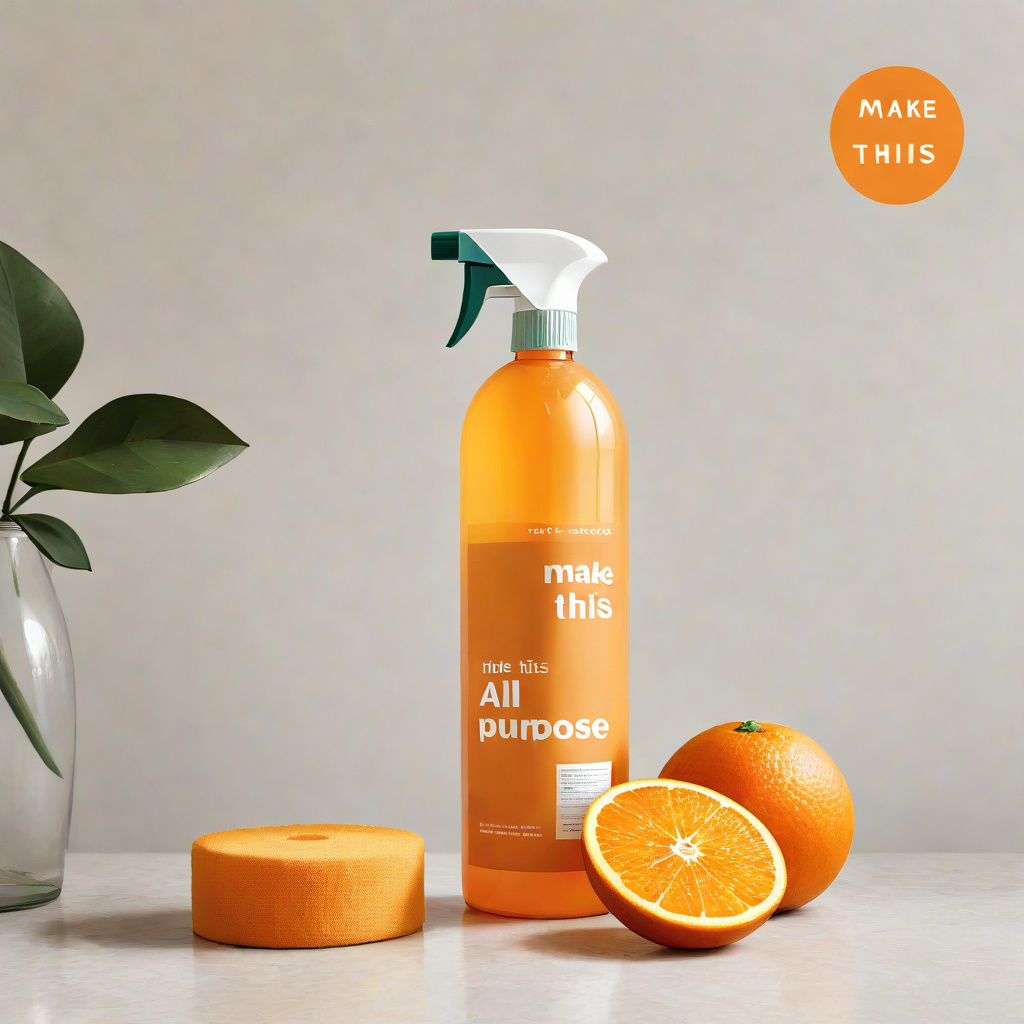
In an era where we are increasingly conscious of the chemicals we introduce into our living spaces, making your own cleaning supplies has evolved from a thrifty hobby into a standard wellness practice. A natural orange all-purpose cleaner is one of the most effective, pleasant-smelling, and accessible solutions for maintaining a tidy home. By harnessing the degreasing power of citrus oils, you can tackle grime on countertops, stovetops, and sealed surfaces without relying on harsh synthetic fragrances or volatile organic compounds.
Understanding the Science of Citrus Cleaning
The secret ingredient in your orange peels is d-limonene, a naturally occurring terpene found in the oils of citrus rinds. D-limonene is a powerful solvent capable of breaking down grease, oils, and sticky residues. When you infuse white vinegar with these peels, you create a solution that combines the acidic properties of acetic acid with the grease-cutting strength of citrus oil. Vinegar acts as a natural disinfectant and mineral remover, while the orange infusion masks the sharp scent of the vinegar, leaving your home smelling fresh and clean.
Selecting Your Ingredients for Potency
To create a high-quality cleaner, you need to be intentional about your ingredients. Start with high-quality distilled white vinegar; while apple cider vinegar is excellent for cooking, it can leave a sticky residue or slight discoloration on surfaces due to its sugar content. Collect organic orange peels whenever possible to avoid pesticide residues. If you cannot find organic oranges, wash the fruit thoroughly with a vegetable brush and warm water before peeling. You will also need a clean glass jar with a tight-fitting lid and a spray bottle for the final application.
The Step-by-Step Infusion Process
Begin by filling your glass jar about three-quarters full with fresh orange peels. Avoid adding too much of the white pith, as the oils are concentrated primarily in the zest. Pour your white vinegar over the peels until the jar is completely filled, ensuring all peels are fully submerged to prevent mold growth. Seal the jar tightly and store it in a cool, dark place such as a pantry shelf. Allow the mixture to infuse for at least two weeks. Shake the jar gently every few days to redistribute the oils. Once the vinegar takes on a deep golden hue and smells strongly of oranges, your concentrate is ready to be strained and bottled.
Diluting and Bottling Your Solution
Once the infusion period is complete, use a fine-mesh strainer or cheesecloth to remove the peels from the vinegar. You now have a potent concentrate. For general daily cleaning, mix one part of your citrus-infused vinegar with one part distilled water in a glass spray bottle. Using a glass bottle is recommended because essential oils and strong vinegar concentrations can sometimes degrade lower-quality plastics over time. Label your bottle clearly with the date and the contents so that all members of your household know exactly what is inside.
Versatile Applications Around the Home
This cleaner is exceptionally versatile. Use it on glass stove tops to cut through splatter, wipe down stainless steel appliances to remove fingerprints, or clean sealed granite and laminate countertops. It is also excellent for cleaning the interior of your refrigerator. However, because vinegar is acidic, avoid using this cleaner on natural stone surfaces like marble or limestone, as it can cause etching over time. Always perform a small patch test on an inconspicuous area if you are unsure about the finish of your furniture or flooring.
Safety Considerations and Storage
While this cleaner is natural, it is still a chemical solution. Store your bottle out of reach of children and pets. Because this is a water-based product without commercial preservatives, it is best to make smaller batches that you can use within three to six months. If you notice any cloudy sediment or off-odors, discard the solution and start a fresh batch. Keep your spray bottle away from direct sunlight to preserve the integrity of the citrus oils, which can be sensitive to UV light exposure.
Enhancing Your Cleaner with Herbs
You can customize your cleaner by adding complementary botanicals during the infusion process. Fresh rosemary or thyme sprigs pair beautifully with orange, adding antibacterial properties and a sophisticated, earthy scent. Cinnamon sticks can be added for a warmer, holiday-inspired aroma. If you prefer a stronger cleaning boost, you can add a few drops of high-quality tea tree or eucalyptus essential oil to the final diluted mixture. These additions not only improve the scent profile but also add secondary antimicrobial benefits to your home maintenance routine.
The Environmental Impact of DIY Cleaning
Choosing to make your own cleaner has a significant positive impact on your household’s ecological footprint. By reusing glass jars and spray bottles, you reduce your reliance on single-use plastic containers that frequently end up in landfills. Furthermore, you eliminate the carbon footprint associated with shipping heavy, water-based cleaning products across the country. By utilizing food scraps like orange peels, you are participating in a circular economy within your own kitchen, turning waste into a valuable resource.
Troubleshooting Common Infusion Complications
While the infusion process is straightforward, environmental variables can occasionally lead to unexpected results. If you notice a white, film-like layer forming on the surface of the liquid, you are likely dealing with “mother of vinegar.” This is a harmless cellulose substance that forms when acetobacter bacteria interact with oxygen. While it does not make the cleaner toxic, it can clog your spray nozzle. To prevent this, ensure your jar is sealed tightly and kept in a truly dark environment, as light exposure can accelerate biological activity. If the liquid turns murky or develops a smell reminiscent of rotting fruit rather than fresh zest, discard it immediately; this indicates that organic matter—likely remnants of the fruit pulp—has begun to ferment or decompose. To mitigate this, prioritize removing as much white pith as possible, as the pith contains sugars that can spoil faster than the oil-rich zest.
Mastering the Art of Surface Compatibility
Understanding the chemistry of your surfaces is just as important as the cleaner itself. While we have noted the danger of etching marble and limestone, there are other nuances to consider. Porous surfaces like unsealed terracotta or certain types of concrete may absorb the acidity of the vinegar, which can lead to long-term structural degradation or permanent staining if the solution sits too long. When working with stainless steel, always wipe in the direction of the grain to avoid streaking. For matte-finish appliances, the natural oils in your citrus cleaner are actually a benefit, as they provide a subtle buffing effect that hides fingerprints better than synthetic glass cleaners. However, avoid using this on waxed furniture, as the solvent properties of d-limonene will strip the wax finish, leaving a dull, unprotected patch that will require a complete re-waxing to restore.
Optimizing Spray Bottle Performance
The hardware you choose for your cleaner is a critical factor in the product’s longevity and ease of use. If you are repurposing old spray bottles, ensure they are thoroughly cleaned and sanitized, as residues from previous harsh chemicals can react with your natural solution. Opt for amber or cobalt blue glass bottles; these provide a UV-filtering effect that protects the volatile citrus oils from breaking down due to light exposure. Furthermore, consider the nozzle type. A “mist” setting is ideal for wide surfaces like countertops, while a “stream” setting is better for targeting soap scum buildup in grout lines. If your nozzle begins to sputter, it is likely due to tiny particles of zest that escaped the straining process. To remedy this, run your finished concentrate through a secondary filtration step using a coffee filter, which is fine enough to capture the microscopic debris that often plagues homemade cleaners.
Strategic Seasonal Infusion Schedules
You can align your cleaning routine with the seasons by rotating the citrus sources you use for your infusions. Winter is the peak season for citrus, making it the perfect time to stockpile large quantities of orange, grapefruit, and mandarin peels. During the summer, when oranges are less abundant, consider experimenting with lime and lemon peels, which offer a sharper, more astringent scent profile that feels refreshing in warmer months. By maintaining a “perpetual infusion” jar, you can ensure a constant supply. Simply add fresh peels to the jar as you use your fruit, and top off with vinegar. Just keep in mind that the infusion will reach a saturation point; after about three to four weeks, remove the oldest peels to ensure the solution remains potent and free of sediment, allowing the new additions to continue the cycle.
Utilizing the Cleaner for Deep Cleaning Projects
Beyond daily countertop wipe-downs, this orange vinegar solution acts as a heavy-duty degreaser for neglected areas. For kitchen range hoods that have accumulated a layer of sticky grease, spray the surface liberally and let the solution dwell for ten to fifteen minutes. The d-limonene needs this “dwell time” to soften the polymer chains in the built-up cooking grease. Afterward, a simple wipe with a warm, damp microfiber cloth will lift the grime away effortlessly. You can also use this technique for cleaning the inside of your oven door, provided it is made of glass. For particularly stubborn baked-on spills, sprinkle a small amount of baking soda onto the surface before spraying the vinegar solution. The resulting fizzing reaction provides a mechanical scrubbing action that works in tandem with the chemical solvent power of the orange oil to lift away even the most stubborn residues without the need for toxic oven cleaners.
Advanced Scent Layering Techniques
If you want to elevate your home’s aroma beyond the standard citrus notes, consider “layering” your infusions. Instead of adding all botanicals at once, try a two-stage infusion process. Start by infusing the orange peels in vinegar for two weeks. After straining, add a secondary botanical—such as dried lavender buds, pine needles, or cloves—and let the mixture sit for an additional week. This prevents the delicate floral or woody notes from being overpowered by the intensity of the citrus zest. For a “spa-like” experience, consider adding a few drops of cedarwood essential oil to the final diluted mixture. The earthiness of the wood balances the brightness of the orange perfectly, creating a sophisticated fragrance profile that lingers in the air without being cloying or artificial. Always remember to shake the bottle before each use, as essential oils will naturally separate from the water-vinegar base.
Integrating Ultrasonic Cleaning Methods
For those who find the two-week infusion period too sluggish for their busy household needs, ultrasonic technology can significantly accelerate the extraction of d-limonene. By placing your sealed glass jar of vinegar and peels into an ultrasonic cleaner bath filled with water, the high-frequency sound waves create microscopic cavitation bubbles. These bubbles implode against the orange rinds, physically forcing the essential oils out of the zest and into the vinegar at a molecular level. A single 30-minute session in an ultrasonic bath can achieve a potency level that typically takes a full week of passive steeping. This technique is particularly useful if you have run out of cleaner unexpectedly and need a fresh batch ready for immediate use. Ensure the water level in your ultrasonic cleaner is sufficient to surround the jar but not so high that it causes the jar to float, which can dampen the effectiveness of the vibrations.
The Role of Water Quality in Solution Stability
While the focus is often on the vinegar and peels, the quality of the water used for dilution is a frequently overlooked variable that affects the long-term stability of your cleaner. Tap water often contains trace minerals like calcium and magnesium, which can react with the organic acids in your vinegar to create a cloudy precipitate or even a slight film on glass surfaces after cleaning. To ensure a streak-free finish, always use distilled or deionized water for the final dilution phase. If you live in an area with particularly hard water, using mineral-rich tap water can also decrease the shelf life of your cleaner by encouraging the growth of biofilms. By starting with a neutral base of distilled water, you ensure that the only active ingredients present are your citrus-infused vinegar and the water itself, resulting in a clearer, more consistent product that performs predictably across all household surfaces.
Managing pH Levels for Delicate Surfaces
The acidity of white vinegar typically sits around a pH of 2.5 to 3.0, which is perfectly suited for cutting through soap scum and mineral deposits. However, for households with sensitive surfaces, you can perform a simple pH adjustment to broaden the utility of your cleaner. If you find your standard batch is slightly too aggressive for certain semi-gloss paints or specialized sealed laminates, you can neutralize the acidity slightly by adding a small amount of vegetable-based castile soap. While this won’t change the pH drastically, the soap acts as a surfactant, allowing the vinegar to spread more evenly and preventing the acidic solution from pooling in microscopic crevices where it might otherwise cause damage. Always test this modified solution on an inconspicuous area first, as the addition of soap changes the chemical profile of the cleaner, making it more of a multi-purpose soap-and-acid blend that is better suited for general floor cleaning or heavy-duty degreasing than for window or mirror polishing.
Advanced Filtration for Nozzle Longevity
One of the most frustrating aspects of DIY cleaners is the frequent clogging of spray nozzles, usually caused by microscopic plant fibers or bits of zest that bypass standard strainers. To achieve a professional-grade consistency, transition from cheesecloth to a multi-stage filtration process. First, pass your infusion through a standard kitchen colander to remove the bulk peels. Second, pour the liquid through a fine-mesh stainless steel strainer to catch medium-sized particles. Finally, perform a gravity filtration using a high-quality paper coffee filter or a dedicated lab-grade filter paper. This final step removes the fine “fines”—the powdery residue of the zest—that are invisible to the naked eye but can act like sand in a spray nozzle’s trigger mechanism. By removing these particles, you not only extend the life of your hardware but also ensure that your cleaner applies in a fine, consistent mist rather than a sputtering stream.
Optimizing the “Dwell Time” for Specialized Grime
The efficacy of d-limonene is heavily dependent on the contact time between the cleaner and the target surface. In the context of industrial cleaning, this is known as “dwell time.” For standard daily dusting, a simple spray-and-wipe method is sufficient. However, for specialized cleaning tasks like removing sticky adhesive residue from labels or cleaning the buildup on a kitchen trash can, the cleaner must be allowed to penetrate the substrate. For vertical surfaces, consider using a paper towel saturated with the cleaner as a “compress.” By laying the wet towel against the grime and leaving it for 20 minutes, you prevent the liquid from running off, keeping the active citrus oils in direct contact with the grease. This method is exceptionally effective for cleaning the interior of a microwave or the underside of stove vent filters, where grease has become polymerized and resistant to simple wiping.
The Chemistry of Temperature in Cleaning Reactions
Many users overlook the impact of temperature on the cleaning reaction. While most people store their cleaner at room temperature, warming your vinegar solution slightly before use can significantly increase its degreasing power. When cleaning a particularly greasy stovetop, consider using a warm, damp cloth rather than a cold one. The heat helps to soften the oils on the surface, making them more receptive to the solvent action of the d-limonene. However, never heat the vinegar on the stove to a boiling point, as this will cause the volatile citrus oils to evaporate into the air, effectively stripping your cleaner of its primary active ingredient. Instead, place your spray bottle in a bowl of warm water for a few minutes before use, or simply use hot water to rinse your microfiber cloths. This subtle increase in thermal energy accelerates the molecular vibration of the cleaning agents, allowing them to lift stubborn grime with significantly less physical scrubbing effort.
Frequently Asked Questions
Q: Can I use this cleaner on hardwood floors?
A: Generally, it is best to avoid using vinegar-based cleaners on hardwood floors. The acidity can dull the finish over time. Use a specialized floor cleaner or a damp microfiber cloth for routine dusting instead.
Q: Why does my cleaner have a cloudy appearance?
A: Cloudiness is often caused by the natural oils released from the orange peels or minerals in your tap water. Using distilled water for the final dilution can help maintain a clearer solution.
Q: Is this cleaner safe for pet owners?
A: Yes, it is generally safe, but ensure that surfaces are wiped dry after cleaning. Some pets are sensitive to strong citrus scents, so monitor your pet’s reaction if they spend significant time on surfaces you have just cleaned.
Q: How long does the orange scent last after cleaning?
A: The natural scent is more subtle than synthetic perfumes. It typically lingers for a few hours, providing a clean, fresh feeling without the overwhelming chemical fragrance found in store-bought products.
Q: Can I use other citrus peels instead of oranges?
A: Absolutely. Lemon, lime, and grapefruit peels work just as effectively. Each fruit provides a slightly different scent profile, allowing you to experiment until you find your favorite combination for your home.
Related posts:
 Discover the Amazing Benefits of Orange Essential Oil
 Second Life Magic: Turn Finished Candles Into Morning Coffee Companions
 White Sneaker Cleaning Hack
 The Salt Spray Secret to Perfect Beach Hair Every Time
 Make-Ahead Vegan Savory Breakfast Jars
 Orange Peels for Digestion: A Natural Remedy for Gut Health
 The Ultimate DIY All-Purpose Cleaner
 Homemade Apple Cider Vinegar