
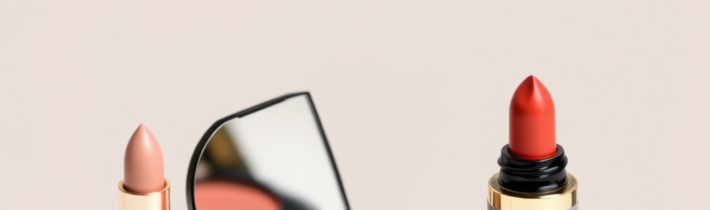
For decades, makeup was viewed as a superficial layer—a way to cover imperfections, enhance features, and express personality. However, the modern beauty landscape has shifted toward the intersection of cosmetics and skincare. Enter makeup with antioxidants, a category of products that promises to do more than just sit on your skin; it aims to protect, nourish, and defend your complexion throughout the day. By incorporating potent ingredients like Vitamin C, Vitamin E, green tea extract, and niacinamide into foundations, concealers, and primers, beauty brands are transforming the daily ritual of getting ready into an active skincare treatment.
The Science Behind Topical Antioxidants
To understand why antioxidant-infused makeup is a game-changer, we must first look at the threat it combats: oxidative stress. Every day, your skin is bombarded by environmental aggressors, including ultraviolet (UV) radiation, atmospheric pollution, blue light from screens, and cigarette smoke. These stressors generate free radicals—unstable molecules that damage collagen and elastin, leading to premature aging, hyperpigmentation, and inflammation.
Antioxidants work by donating an electron to these unstable free radicals, effectively neutralizing them before they can inflict cellular damage. When you apply a foundation containing antioxidants, you are essentially creating a defensive shield. While sunscreen is the primary defense against UV rays, antioxidants act as a secondary line of defense, mopping up the damage that UV rays or pollution might cause even after applying SPF. It is a proactive, rather than reactive, approach to skin health.
Key Antioxidant Ingredients to Look For
Not all antioxidants are created equal, and their efficacy in makeup depends on both concentration and stability. When scanning ingredient labels, look for these gold-standard components:
- Vitamin C (Ascorbic Acid and derivatives): Known for brightening the complexion and boosting collagen production. It is excellent for evening out skin tone under your foundation.
- Vitamin E (Tocopherol): A powerful moisturizer that helps strengthen the skin barrier. It is often paired with Vitamin C to stabilize it and enhance its protective properties.
- Niacinamide (Vitamin B3): A multitasking powerhouse that reduces redness, minimizes pore appearance, and regulates oil production.
- Green Tea Extract (Polyphenols): Highly effective at soothing inflammation and providing broad-spectrum antioxidant protection against environmental damage.
- Resveratrol: Derived from grapes, this antioxidant is renowned for its anti-aging properties and ability to improve skin elasticity.
Building a Protective Makeup Routine
Integrating antioxidant-rich makeup into your routine does not require a total overhaul of your vanity. Start with your base. A tinted moisturizer or a serum-infused foundation is often the best vehicle for these ingredients because they are applied to the entire face. Unlike a concealer, which is localized, a foundation ensures that the protective benefits are distributed evenly across your cheeks, forehead, and chin.
To maximize the benefits, layer your products strategically. Always start with a clean face and your standard antioxidant serum (like a Vitamin C serum). Once that has absorbed, apply your antioxidant-infused makeup. Think of your makeup as the “sealer” that locks in your skincare and provides an extra layer of defense against the elements as you go about your day. By the time you reach the afternoon, your makeup is still actively working to mitigate the effects of the midday sun and urban pollution.
The Myth of “Skincare-Makeup” Hybrid Efficacy
A common critique of antioxidant makeup is whether the concentration of active ingredients is high enough to make a difference. It is important to maintain realistic expectations: makeup is not a replacement for a dedicated dermatological skincare regimen. Your foundation might contain a potent antioxidant, but it is formulated primarily for coverage and finish. Therefore, it should be viewed as a supplemental benefit rather than a total replacement for your targeted serums.
However, the “synergy effect” is real. Using an antioxidant-rich moisturizer followed by an antioxidant-rich foundation creates a cumulative effect. Furthermore, because makeup stays on your skin for 8 to 12 hours, those ingredients have a prolonged window of contact with the epidermis, which can be more beneficial than a rinse-off product like a cleanser.
Choosing the Right Products for Your Skin Type
The success of antioxidant makeup depends on your skin type. Those with oily or acne-prone skin should seek out non-comedogenic formulas that include niacinamide, as it helps balance sebum production while providing protection. If you have dry skin, look for foundations infused with Vitamin E or botanical oils, which provide hydration alongside antioxidant benefits. For sensitive skin, opt for mineral-based makeup with green tea or aloe-derived antioxidants, as these are generally less irritating than synthetic counterparts.
Always check the packaging for “airless pump” bottles. Many antioxidants, especially Vitamin C, are unstable and degrade quickly when exposed to light and air. If a product is packaged in an open jar, the antioxidants may have lost their potency long before you even apply them to your face.
Bridging the Gap Between Aesthetics and Health
The evolution of makeup reflects a broader cultural shift toward “skinimalism”—the idea that less is more, and the products we use should be multi-functional. When your makeup doubles as a protective treatment, you save time, reduce the number of products in your collection, and simplify your morning routine. This transition also encourages a healthier relationship with beauty; instead of using makeup to hide, we are using it to enhance our natural skin health.
This is particularly beneficial for those living in urban environments where pollution levels are high. Research suggests that particulate matter can penetrate the skin barrier and accelerate the breakdown of collagen. An antioxidant shield in your makeup acts as a barrier, making it harder for these particles to settle into pores and cause oxidative stress.
Sustainability and Clean Beauty Considerations
When shopping for antioxidant-rich makeup, consider the source of the ingredients. Many high-quality brands are now prioritizing sustainable sourcing for their antioxidants, utilizing upcycled ingredients like grape seeds from the wine industry or coffee berry extracts. These brands often avoid harsh preservatives, silicones, and synthetic fragrances that can counteract the benefits of the antioxidants. By choosing products that are both effective and ethically produced, you are supporting a beauty industry that values the longevity of your skin as much as the aesthetics of your look.
Practical Tips for Longevity and Effectiveness
To ensure your antioxidant makeup works as hard as it can, follow these maintenance tips:
- Store properly: Keep your makeup in a cool, dark place away from direct sunlight and bathroom humidity.
- Check expiration dates: Antioxidants have a shelf life. Once a bottle is opened, the clock starts ticking on their efficacy. If a product changes color or scent, discard it.
- Clean your brushes: Old makeup residue on brushes can harbor bacteria and degrade the active ingredients in your new products.
- Layering order: Remember the rule of thumb: lightest to heaviest. Serums first, then creams, then foundations, then powders.
The Role of Delivery Systems in Antioxidant Stability
The efficacy of an antioxidant-infused foundation is not merely about the ingredient list; it is heavily dependent on the delivery system. Many potent antioxidants are notoriously unstable, prone to oxidation when exposed to light, heat, or oxygen. Innovative cosmetic chemists now utilize micro-encapsulation, a technology where active molecules are encased in microscopic spheres. This process protects the antioxidant from prematurely degrading inside the bottle and allows for a controlled release upon contact with the warmth and pH of your skin. When shopping, look for terms like “time-release” or “encapsulated,” which suggest that the product is designed to remain active throughout the duration of your workday, rather than oxidizing the moment you pump it onto your hand.
Navigating the Concentration Conundrum: Understanding Percentages
Consumers often find themselves confused by the lack of “percentage” labeling on cosmetic products compared to clinical skincare. Unlike a standalone serum that might boast a 15% L-ascorbic acid concentration, makeup rarely lists these figures. This is largely because makeup formulations are complex emulsions where high concentrations of actives can interfere with texture, color payoff, and wear time. However, even lower percentages in makeup are meaningful because they provide a “maintenance dose.” Think of your dedicated serum as your intensive morning treatment and your makeup as a supportive “top-up” that reinforces the skin’s barrier against environmental stressors that accumulate as the day progresses. Prioritize products that place these actives in the first third of the ingredient list to ensure they are present in functional, rather than token, amounts.
The Interaction Between Antioxidants and Makeup Pigments
A fascinating, often overlooked aspect of antioxidant makeup is the interaction between chemical pigments and active ingredients. Iron oxides, which are responsible for the pigment in foundations and concealers, can actually act as a secondary shield against visible light—specifically blue light from screens. When these pigments are paired with antioxidants like lutein or tocopherol, they create a synergistic defensive matrix. This is particularly relevant for those dealing with melasma or post-inflammatory hyperpigmentation, as visible light can trigger these conditions just as effectively as UV rays. Choosing a foundation with both mineral pigments and antioxidants provides a dual-action defense that standard chemical sunscreens alone cannot replicate.
Addressing the “Oxidation” of Makeup vs. Skin
A common frustration among makeup users is “oxidation,” where a foundation changes color—usually turning orange—after a few hours of wear. While this is often attributed to the interaction between the pigment and sebum, the presence of certain antioxidants can occasionally exacerbate this if the formula is not properly stabilized. If you find your foundation darkens throughout the day, it may be a sign that the antioxidants are oxidizing on the surface of your skin. To mitigate this, ensure your skin is properly primed with a matte or oil-controlling base before applying your antioxidant makeup. This creates a buffer layer, preventing the oils in your skin from reacting negatively with the formula and ensuring the product stays true to its initial shade.
Antioxidants in Powder Form: Dry Protection
While liquid foundations garner the most attention, powder-based makeup offers a unique advantage for antioxidant delivery. Because powders are anhydrous (water-free), they are inherently more stable, meaning they do not require the harsh preservatives that might irritate sensitive skin. Loose or pressed mineral foundations often contain Vitamin E and zinc oxide, the latter of which serves as both a physical sunscreen and a soothing agent. Using an antioxidant-rich setting powder is an excellent way to “re-up” your protection in the afternoon without disrupting your makeup. A light dusting of a protective powder can neutralize free radicals accumulated during your lunch hour, making it an ideal portable solution for urban commuters.
The Psychological Benefit of “Active” Beauty
Beyond the biological benefits, there is a compelling psychological component to using antioxidant-rich makeup. The ritual of applying a product that you know is actively working to improve your skin health can reduce the “guilt” often associated with wearing heavy makeup. It reframes the act of cosmetic application from a deceptive mask to a proactive health measure. This empowerment encourages users to be more mindful of their skin’s overall condition. When you view your foundation as an extension of your serum, you are more likely to perform proper evening cleansing and follow-up care, creating a virtuous cycle of skin health that extends far beyond the duration of your makeup wear.
Frequently Asked Questions
Q: Does antioxidant makeup replace the need for sunscreen?
A: Absolutely not. Antioxidants are a fantastic supplement to your skincare routine, but they do not block UV rays in the same way that a physical or chemical sunscreen does. Always apply a broad-spectrum SPF 30 or higher as your final skincare step before applying your makeup.
Q: Can I use antioxidant makeup if I have sensitive or reactive skin?
A: Yes, but you should be cautious. Look for hypoallergenic formulas and perform a patch test on your wrist or behind your ear before applying the product to your face. Ingredients like green tea and niacinamide are generally well-tolerated by most skin types.
Q: How long does it take to see results from using antioxidant-infused makeup?
A: Skincare is a marathon, not a sprint. While you might notice an immediate improvement in skin radiance due to the finish of the makeup, the long-term protective benefits against environmental damage will take several weeks of consistent use to notice in terms of skin texture and tone.
Q: Are there any antioxidants I should avoid wearing together?
A: Generally, most antioxidants work well together. However, if you are using a very high concentration of pure Vitamin C, it can sometimes cause slight tingling or irritation when paired with certain exfoliating acids. If you experience irritation, try using the high-potency actives at night and sticking to gentler antioxidant makeup during the day.
Q: Is it worth paying more for makeup with antioxidants?
A: If you already have a robust skincare routine, you might not see a massive difference. However, if you have a busy lifestyle and struggle to keep up with a multi-step routine, investing in antioxidant-rich makeup is a highly efficient way to ensure your skin is getting the protection it needs throughout the day without adding extra steps to your morning.
Related posts:
 Olivia Culpo’s Complete Beauty Routine Revealed
 Why SCOBY Might Be the Secret Ingredient Your Skincare Routine Needs
 Too Clean for Comfort: Why Being Squeaky Clean Might Be Bad for Your Skin
 TooD Beauty’s Nonbinary Approach
 Skincare-Infused Makeup Products
 Rael and Good Chemistry Advanced Antioxidant Serum Review
 The Best Natural Tools for Silky Smooth Skin
 Top Beauty Brands of 2019