Herbal poultices have been a trusted home remedy for centuries, offering a gentle way to deliver plant‑based benefits directly to the skin. By combining fresh or dried herbs with a simple carrier such as water, oil, or clay, you create a paste that can soothe irritation, reduce swelling, and support the body’s natural healing processes. This guide walks you through the fundamentals, practical preparation steps, safety considerations, and a handful of versatile recipes you can adapt to your own needs.
Key takeaways
- Select herbs like calendula for inflammation or clay for drawing, mixing one part dried herb to four parts carrier.
- Always test the poultice temperature on your inner wrist to ensure it is warm but not hot before applying.
- Apply the herbal paste to a clean cloth and secure it against the skin for 20 to 30 minutes.
- Perform a patch test first and avoid applying poultices directly to broken skin, deep cuts, or severe burns.
- Use fresh poultices immediately or store the paste in a sealed glass jar in the refrigerator for 24 hours.
Understanding Herbal Poultices
A poultice is a moist, spreadable mixture applied externally to the body. Unlike a compress, which is a cloth soaked in liquid, a poultice contains solid plant material that stays in contact with the skin for an extended period. The warmth and moisture open pores, allowing active constituents — such as flavonoids, tannins, and volatile oils — to penetrate the upper layers of tissue. Because the preparation is applied locally, systemic exposure is minimal, making poultices a low‑risk option for many common complaints.
Choosing the Right Herbs
Select herbs based on the desired effect and any known sensitivities. Below are categories with representative plants that are widely available and well‑documented in traditional use:
- Anti‑inflammatory: calendula, chamomile, yarrow, plantain.
- Antimicrobial: thyme, oregano, garlic (crushed), goldenseal.
- Analgesic / soothing: lavender, peppermint (diluted), comfrey (external only), arnica (external only).
- Drawing / detoxifying: activated charcoal, bentonite clay, slippery elm bark.
When possible, use organically grown or wild‑crafted herbs to avoid pesticide residues. Fresh herbs provide higher water content and volatile oils, while dried herbs are more concentrated and have a longer shelf life. A good rule of thumb is to use roughly one part fresh herb to two parts carrier, or one part dried herb to four parts carrier.
Preparing the Base (Carrier)
The carrier determines texture, temperature retention, and how well the herbs adhere to skin. Common carriers include:
- Water: simplest; best for fresh, mucilaginous herbs like marshmallow root or slippery elm.
- Oil (olive, coconut, almond): creates a richer, more occlusive paste; ideal for dry or cracked skin.
- Clay (bentonite, kaolin, French green): adds drawing power and a cooling sensation; useful for abscesses, insect bites, or oily skin.
- Gel (aloe vera, flaxseed gel): provides a clear, soothing matrix that spreads easily.
Warm the carrier slightly (not boiling) to help release herb constituents, then let it cool to a comfortable skin temperature before mixing.
Step‑by‑Step Poultice Preparation
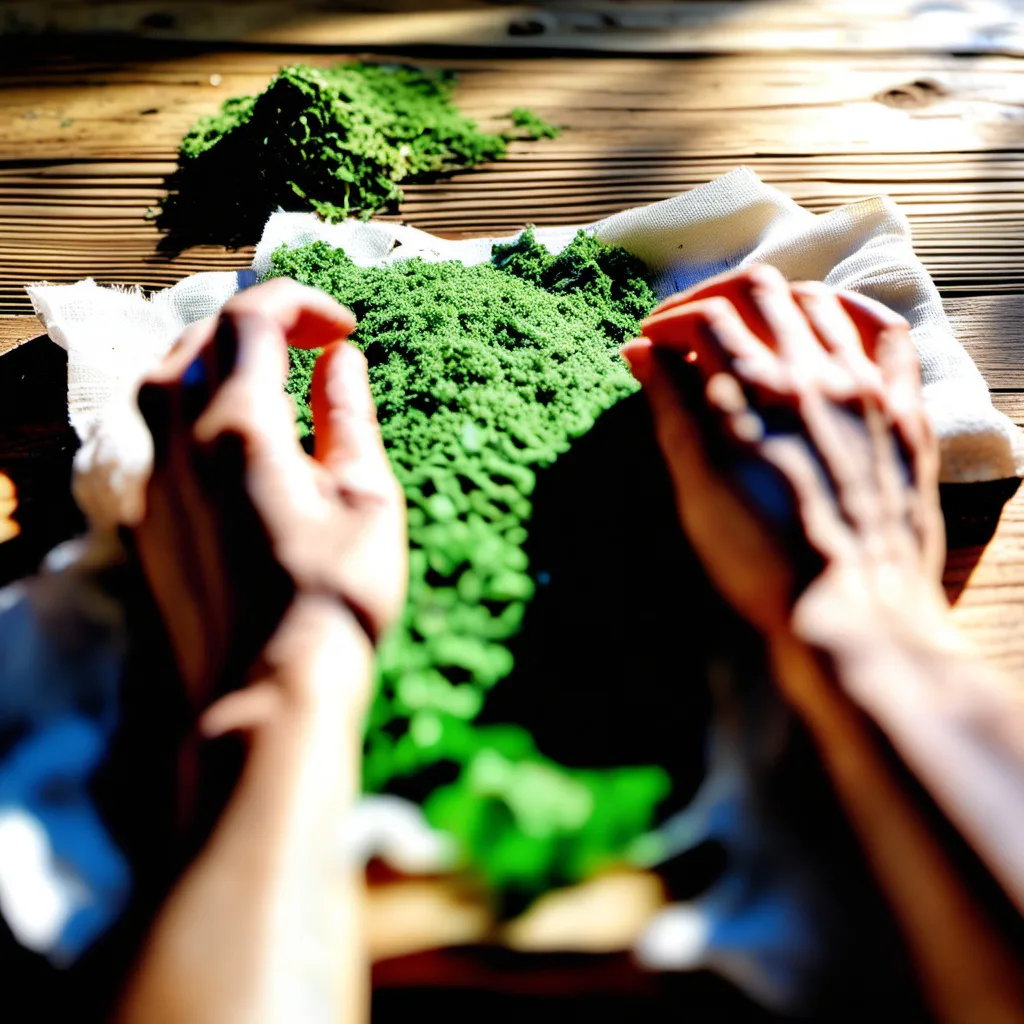
- Gather supplies: clean bowl, spoon or mortar‑pestle, cheesecloth or thin cotton fabric, bandage or wrap, and your chosen herbs and carrier.
- Measure herbs: for a 4‑inch by 4‑inch poultice, use about 2 tablespoons dried herb or ¼ cup fresh herb.
- Combine: place herbs in the bowl, add carrier gradually while stirring until a thick, spreadable paste forms. The consistency should hold its shape on a spoon but not be crumbly.
- Test temperature: place a small amount on the inner wrist; it should feel warm, not hot.
- Apply to fabric: spread the paste evenly on the center of the cloth, leaving a margin around the edges.
- Place on skin: position the herb‑side against the target area, then fold the cloth edges over the poultice to keep it in place.
- Secure: wrap with a bandage, elastic wrap, or a clean towel. Avoid excessive pressure that could impede circulation.
- Duration: leave for 20‑30 minutes for acute issues, up to 1‑2 hours for chronic discomfort. Remove if irritation occurs.
- Aftercare: gently rinse the skin with lukewarm water, pat dry, and apply a light moisturizer if needed.
Application Techniques and Safety
While poultices are generally safe, a few precautions ensure a positive experience:
- Patch test: apply a pea‑sized amount to the forearm and wait 15 minutes. Discontinue if redness, itching, or swelling develops.
- Avoid broken skin: do not place a poultice directly on open wounds, deep cuts, or severe burns without professional guidance.
- Temperature control: never use a poultice that feels hot; excessive heat can damage tissue.
- Duration limits: prolonged occlusion (over 2 hours) may macerate skin. Rotate application sites if repeated treatments are needed.
- Herb‑specific cautions: comfrey and arnica are for external use only; avoid during pregnancy or on children under two. Garlic can cause contact dermatitis in sensitive individuals.
If symptoms worsen, persist beyond a few days, or are accompanied by fever, seek medical evaluation.
Common Uses and Example Recipes
1. Calendula‑Chamomile Soothing Poultice (for minor rashes, eczema flare‑ups)
- 2 tbsp dried calendula flowers
- 1 tbsp dried chamomile flowers
- ¼ cup warm water (or aloe vera gel)
Mix herbs with water to a paste, apply as described. The combination calms inflammation and supports skin barrier repair.
2. Plantain‑Clay Drawing Poultice (for splinters, insect bites, minor boils)
- 1 tbsp dried plantain leaf
- 2 tbsp bentonite clay
- Enough warm water to form a thick mud
Clay draws out impurities while plantain reduces itching and swelling.
3. Ginger‑Turmeric Warm Poultice (for muscle stiffness, joint discomfort)
- 1 tsp grated fresh ginger
- 1 tsp turmeric powder
- 2 tbsp coconut oil, gently melted
Warm the oil, stir in herbs, let cool to skin‑safe temperature. The gentle heat plus anti‑inflammatory compounds ease tension.
4. Garlic‑Thyme Antimicrobial Poultice (for localized skin infections, folliculitis)
- 1 clove garlic, crushed
- 1 tsp dried thyme
- 2 tbsp olive oil
Use only on intact skin; limit to 15‑20 minutes to avoid irritation.
Storing and Reusing Poultices
Fresh poultices are best used immediately because moisture encourages microbial growth. If you must prepare ahead, follow these storage tips:
- Refrigerate: place the paste in a clean glass jar, cover tightly, and keep at 4 °C (39 °F) for up to 24 hours.
- Freeze in portions: spoon into ice‑cube trays, freeze, then transfer cubes to a labeled bag. Thaw a single cube in the refrigerator before use.
- Dry herb blends: pre‑mix dried herbs in airtight containers; they remain potent for 6‑12 months when stored cool, dark, and dry.
- Discard signs: off‑odor, mold, discoloration, or separation indicate spoilage — do not use.
Never reheat a poultice in a microwave; uneven heating can create hot spots. Instead, warm the carrier separately and remix.
Frequently Asked Questions
Q: Can I use a poultice on a child?
A: Yes, with caution. Choose mild herbs such as calendula or chamomile, use a water or aloe base, and limit application to 10‑15 minutes. Always perform a patch test first and avoid strong herbs like garlic, arnica, or essential oils.
Q: How often can I apply a poultice for the same issue?
A: For acute conditions, 2‑3 times daily is typical. For chronic discomfort, once daily or every other day may suffice. Allow the skin to breathe between applications and monitor for any irritation.
Q: Is it safe to combine multiple herbs in one poultice?
A: Absolutely. Synergistic blends are common in traditional practice. Just ensure each herb is appropriate for the intended purpose and that none are contraindicated for your situation (e.g., pregnancy, allergies).
Q: Can a poultice replace professional medical treatment?
A: Poultices are complementary, not a substitute for diagnosis or prescribed therapy. They work well for minor, self‑limiting issues but should not delay seeking care for serious infections, deep wounds, or systemic illness.
Q: What is the best way to clean the cloth after use?
A: Rinse the fabric in cold water to remove plant residue, then launder with a mild detergent. Adding a cup of white vinegar to the rinse cycle helps neutralize any lingering herbal oils.