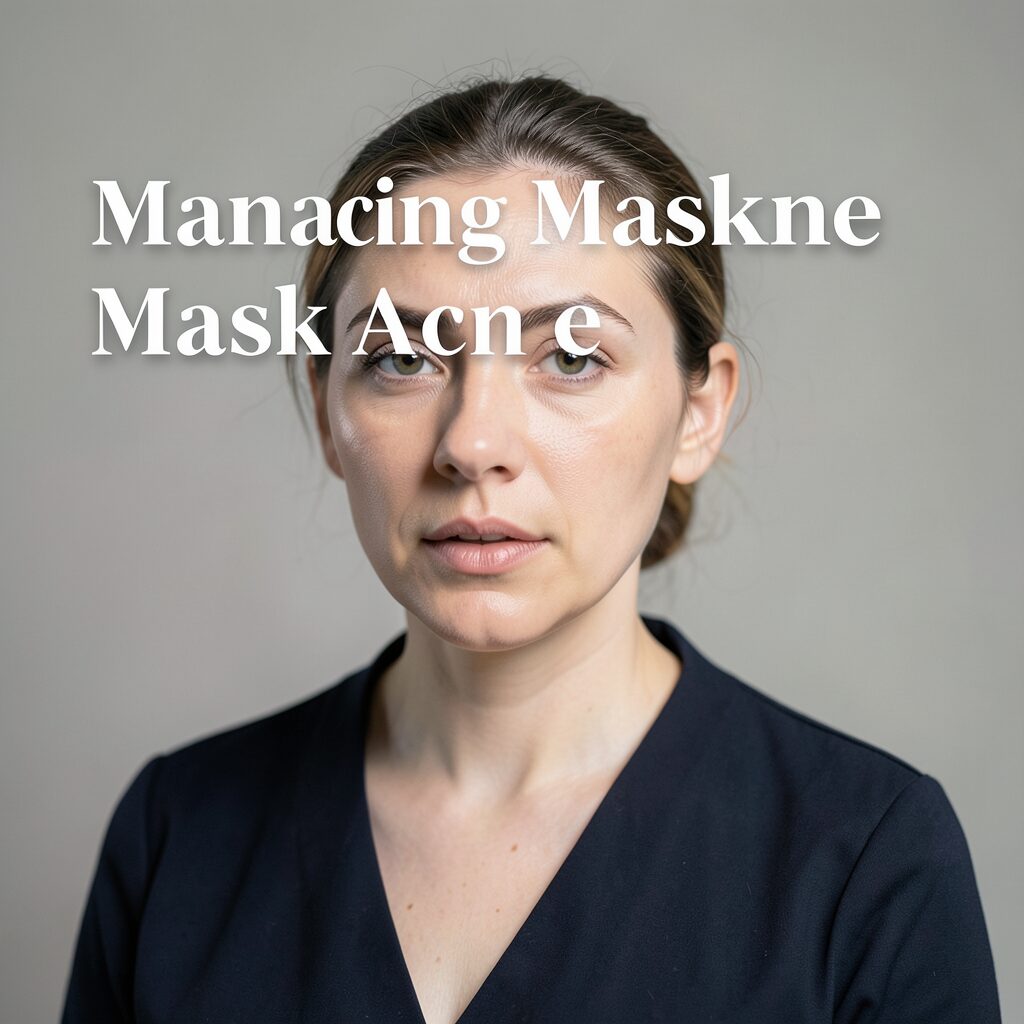
If you’ve noticed more breakouts since wearing masks regularly, you’re experiencing a common phenomenon known as maskne—mask-induced acne. This frustrating skin condition affects people of all skin types and can persist even with good hygiene habits. The good news is that understanding why it happens gives you the tools to prevent and treat it effectively.
What Causes Maskne and Why It’s Different from Regular Acne
Maskne differs from typical acne because it stems from a combination of friction, trapped moisture, and bacteria buildup in a localized area. When you wear a mask for extended periods, it creates a humid microenvironment against your skin. Your breath traps heat and moisture inside the mask, creating ideal conditions for bacteria and yeast to flourish.
The mechanical friction from the mask rubbing against your skin also plays a significant role. This constant irritation damages the skin barrier, making it more vulnerable to inflammation and clogged pores. Areas most affected include the bridge of the nose, cheeks, chin, and jawline—anywhere the mask sits directly against your face.
Unlike hormonal acne, which often appears along the jawline and chin in a more predictable pattern, maskne can appear anywhere the mask touches. It often presents as small red bumps, whiteheads, or even irritation that resembles a rash. Some people also experience perioral dermatitis—red, bumpy skin around the mouth—that can be triggered or worsened by mask wearing.
Choosing the Right Mask Material for Your Skin
The fabric of your mask significantly impacts your skin’s health. Synthetic materials like polyester and rayon tend to trap heat and moisture more than natural fibers, potentially worsening breakouts. If you’re using disposable surgical masks, the non-woven polypropylene is generally breathable but can still cause issues if worn too long or if you’re sensitive to the material.
Cotton masks offer a gentler option for many people. Look for masks made from 100% cotton with a tight weave for protection, but enough breathability to reduce moisture buildup. Some cotton masks include a pocket for a filter, which can add protection without sacrificing comfort. Silk masks have gained popularity because silk is naturally hypoallergenic, moisture-wicking, and creates less friction against the skin.
Whatever material you choose, ensure the mask fits properly without being too tight. A mask that leaves deep indentations on your face is creating unnecessary pressure and friction. Conversely, a mask that’s too loose requires constant adjustment, which introduces bacteria from your hands to your face. Aim for a secure fit that sits comfortably against your skin without digging in.
Building a Gentle Skincare Routine for Mask Wearers
A consistent, gentle skincare routine becomes essential when you’re prone to maskne. Start with a mild cleanser that effectively removes dirt, oil, and bacteria without stripping your skin. Look for cleansers with ingredients like ceramides, niacinamide, or gentle surfactants that maintain your skin barrier while cleaning. Avoid harsh scrubbing, which can further irritate skin already stressed by mask friction.
After cleansing, apply a lightweight, non-comedogenic moisturizer. Even oily skin needs hydration—when skin becomes dehydrated, it often produces more oil to compensate, potentially worsening acne. Look for moisturizers labeled “oil-free” or “non-comedogenic” and consider ingredients like hyaluronic acid, which hydrates without clogging pores.
If you’re already using active treatments like benzoyl peroxide or salicylic acid, you might need to adjust your routine. These ingredients can be effective for treating acne, but they can also increase skin sensitivity. Consider applying them only at night and reducing frequency if you notice increased irritation. Always follow with sunscreen during the day, as many acne treatments increase sun sensitivity.
When and How to Wash Your Masks
Clean masks are fundamental to preventing maskne. Each time you wear a mask, it accumulates bacteria, oil, dead skin cells, and product residue. Wearing the same mask multiple times without washing reintroduces these impurities to your skin, creating a cycle of irritation and breakouts.
Ideally, wash cloth masks after every use. If that’s not practical, aim to rotate through several masks so each one has time to be properly cleaned between wears. Use hot water—at least 60°C (140°F)—to effectively kill bacteria. A gentle, fragrance-free detergent reduces the risk of skin irritation from detergent residue.
After washing, dry masks completely in a dryer on high heat or in direct sunlight if possible. UV light has natural antimicrobial properties. Store clean masks in a clean, dry place—avoiding the bottom of your bag or pocket where they can pick up new bacteria. For disposable masks, use each one only once before discarding, as they’re not designed for reuse.
Treating Existing Maskne Breakouts
If maskne has already appeared, several over-the-counter treatments can help. Salicylic acid is a beta hydroxy acid (BHA) that penetrates pores to dissolve oil and exfoliate from within. It’s particularly effective for blackheads and whiteheads. Start with a lower concentration (0.5% to 2%) and apply once daily to see how your skin responds.
Benzoyl peroxide works by killing acne-causing bacteria and reducing inflammation. It’s available in various strengths from 2.5% to 10%, but research shows lower concentrations can be just as effective with less irritation. Apply a thin layer to affected areas once daily, keeping in mind that benzoyl peroxide can bleach fabrics.
For those preferring gentler options, products containing tea tree oil have natural antimicrobial properties. Look for concentrations around 5% in leave-on products. Niacinamide (vitamin B3) is another excellent option that helps regulate oil production, reduces inflammation, and supports the skin barrier without the irritation potential of stronger actives.
Resist the urge to pick at or pop maskne lesions. This can push bacteria deeper into the skin, spread infection, and lead to scarring. If you have a particularly inflamed or painful cystic lesion, applying a warm compress can help bring it to the surface naturally. Hydrocolloid pimple patches are useful for whiteheads—they absorb fluid while protecting the blemish from further irritation and your hands.
Protecting Your Skin Barrier While Wearing Masks
Your skin barrier is your first line of defense against irritants and bacteria. Mask friction and moisture continuously challenge this barrier, so proactive protection matters. Apply a thin layer of barrier ointment or moisturizer in areas where your mask sits before putting it on. Products containing petrolatum, dimethicone, or zinc oxide create a protective layer that reduces friction.
Consider using a barrier cream specifically formulated for sensitive skin, especially if you’re wearing masks for long shifts. These creams create a breathable film that shields skin without clogging pores. Reapply during extended wear if possible, especially if you notice increased irritation.
Give your skin breaks whenever you can safely remove your mask. In outdoor settings away from others, lower your mask briefly to let your skin breathe. When you get home, remove your mask and gently cleanse your face as soon as possible rather than waiting for your nighttime routine. This removes accumulated bacteria and sweat before they can cause problems.
Special Considerations for Healthcare and Essential Workers
Those wearing masks for extended periods—healthcare workers, service industry employees, and others—face unique challenges. N95 respirators and tight-fitting medical masks create significant pressure and friction that can lead to pressure injuries, not just acne. If you’re in this situation, protecting your skin requires extra diligence.
Consider using a transparent film dressing or hydrocolloid dressing on high-pressure areas like the bridge of your nose before putting on your mask. These dressings provide a cushioning layer that reduces friction while maintaining a seal. Some healthcare facilities provide these specifically for staff comfort.
Stay hydrated throughout your shift, and if possible, change to a fresh mask during breaks. The accumulated moisture inside a mask after hours of wear creates prime conditions for bacteria growth. If your workplace allows, step outside or to a safe area to briefly remove your mask during breaks, giving your skin a chance to recover.
When to See a Dermatologist
Most maskne responds well to consistent home care, but some situations warrant professional help. If you’ve tried over-the-counter treatments for several weeks without improvement, a dermatologist can assess whether you’re dealing with something beyond typical acne. Conditions like fungal acne, perioral dermatitis, or rosacea require different treatments than bacterial acne.
Deep, painful cystic acne often needs prescription-strength treatments like topical retinoids, oral antibiotics, or other medications. Early intervention can prevent scarring, so don’t wait until the situation becomes severe. A dermatologist can also help determine if your breakouts have other contributing factors like hormonal imbalances or product reactions.
If you notice signs of infection—increasing redness, warmth, swelling, or pus—seek medical attention. Open sores from severe friction or picking can become infected and may require antibiotic treatment. Additionally, if mask-wearing is causing significant skin damage or you’re unable to wear required protective equipment due to skin reactions, a dermatologist can work with you on solutions that accommodate both your skin and safety requirements.
The Science Behind Maskne: Understanding the Acne Mechanica Pathway
Dermatologists classify maskne as a form of acne mechanica, a specific type of breakout triggered by physical factors rather than hormonal fluctuations or genetic predisposition. This distinction matters because it explains why your typical acne treatments might underperform against maskne—the root cause is external trauma to the skin, not internal imbalances. When a mask presses against your face, it creates repetitive mechanical stress that disrupts the follicular wall, allowing bacteria and sebum to leak into surrounding tissue where they trigger inflammation.
The occlusive nature of masks also alters the skin’s microbiome in measurable ways. Under normal conditions, your skin hosts a diverse community of bacteria, fungi, and mites that exist in a balanced ecosystem. The humid, warm environment inside a mask shifts this balance dramatically. Research has shown that prolonged mask wear increases Cutibacterium acnes (formerly Propionibacterium acnes) populations by creating anaerobic pockets where this bacteria thrives. Simultaneously, beneficial bacteria that require oxygen struggle to survive, reducing your skin’s natural defense mechanisms.
Another often-overlooked factor involves the relationship between temperature and sebum production. Your skin’s oil glands respond to heat by increasing output—a phenomenon well-documented in tropical climates. A mask creates a localized greenhouse effect, raising skin temperature by several degrees in the covered area. This temperature increase signals sebaceous glands to produce more oil, which then mixes with dead skin cells and becomes trapped by the mask’s pressure against pores. The result is a perfect storm: more oil production, impaired evaporation, and physical blockage all occurring simultaneously.
Maskne Beyond the Face: Addressing Ear Chafing and Behind-the-Ear Breakouts
While facial breakouts receive the most attention, many mask wearers experience significant irritation behind the ears and along the jawline where ear loops create constant pressure. This area is particularly vulnerable because the skin behind your ears is thin and sensitive, comparable to the delicate skin around your eyes. Extended pressure from elastic loops can cause contact dermatitis, folliculitis, and even open wounds that become entry points for infection.
Ear savers—small plastic or fabric clips that connect mask loops behind your head rather than around your ears—provide significant relief for many people. These devices redistribute pressure away from the sensitive postauricular area and can be purchased inexpensively or made at home using buttons sewn onto a fabric headband. If you prefer not to use ear savers, consider masks with adjustable ear loops that allow you to customize tension. Many reusable masks now feature soft, flat elastic bands rather than round cords, which distribute pressure more evenly across a larger surface area.
For those already experiencing behind-the-ear irritation, the treatment approach differs from facial maskne. The skin in this area has fewer sebaceous glands, so dryness and chafing are more common concerns than clogged pores. Apply a thin layer of healing ointment containing petrolatum or ceramides to the affected area before putting on your mask. This creates a protective barrier that reduces friction. If open sores have developed, keep the area clean with a gentle antiseptic and allow it to heal completely before resuming extended mask wear. Rotating between different mask styles can also help—alternating between ear-loop and behind-the-head designs gives irritated areas time to recover.
Decoding Mask Filters and Their Impact on Skin Health
As mask-wearing became ubiquitous, many people added removable filters to their cloth masks seeking additional protection. However, these filters introduce variables that can significantly affect skin health. PM2.5 filters, among the most common type, contain multiple layers including a spunbond fabric and a melt-blown polypropylene layer. While effective for filtration, some filters contain activated carbon, which can shed microscopic particles that irritate sensitive skin or trigger allergic reactions in predisposed individuals.
The fit of your mask changes when you add a filter. A filter adds bulk and can create new pressure points or cause the mask to sit differently against your face. If you notice breakouts concentrated in areas where the filter edge sits, the filter itself may be the culprit. Some people develop sensitivity to the polypropylene material used in filter construction, experiencing contact dermatitis that mimics acne. This presents as small, itchy bumps rather than the inflamed pustules typical of bacterial acne.
To determine whether your filter is contributing to breakouts, try wearing your mask without a filter for one week while maintaining all other variables. If your skin improves noticeably, the filter may contain an irritant. Consider switching to a different brand or filter material. Some manufacturers now offer filters specifically designed for sensitive skin, using cotton rather than synthetic materials for the layer that contacts your face. Alternatively, masks with built-in filter layers eliminate the separate filter entirely, which can reduce the complexity of identifying what’s causing irritation. Remember that for general public use, a well-fitting cloth mask without a filter often provides adequate protection while being gentler on your skin.
Nighttime Recovery: Optimizing Your Evening Routine for Mask-Damaged Skin
Your skin does the majority of its repair work while you sleep, making your nighttime routine critical for recovering from daily mask wear. During sleep, blood flow to the skin increases, cell turnover accelerates, and inflammatory responses modulate. Designing an evening routine that supports these natural processes can significantly reduce maskne severity and speed healing of existing breakouts.
Begin with thorough but gentle cleansing—this is not the time to skip steps or rely solely on micellar water. After a full day of mask wear, your skin has accumulated not just surface debris but also trapped sebum, bacteria, and potentially product residue from barrier creams. A double cleanse approach works well: first, use an oil-based cleanser or cleansing balm to dissolve oil-based impurities and any sunscreen or barrier products, then follow with a water-based cleanser to remove remaining debris. This two-step process ensures complete removal without aggressive scrubbing that could further damage a compromised skin barrier.
After cleansing, consider incorporating reparative ingredients that specifically address the damage patterns seen in maskne. Panthenol (vitamin B5) accelerates wound healing and reduces inflammation. Ceramides replenish the lipid barrier that mask friction depletes. Centella asiatica extract has demonstrated effectiveness in calming irritation and promoting collagen production. Apply these ingredients in lightweight formulations that won’t interfere with your skin’s overnight recovery processes. Heavy occlusives, while beneficial in some contexts, can trap heat and prevent the transpiration your skin needs during repair. Save thicker creams for specific spot treatment or use them only on non-mask areas of your face.
If you’re using active treatments like retinoids for anti-aging or acne, timing matters. Retinoids increase cell turnover and can initially worsen irritation when combined with mask friction. Consider applying retinoids only on nights when you’ve had minimal mask wear, or reduce frequency to every third night while your skin adjusts. Some dermatologists recommend buffering—applying moisturizer before your retinoid—to reduce penetration and irritation while still receiving benefits. Always allow retinoids to absorb fully before applying other products, and never combine them with other exfoliating actives in the same routine.
Seasonal Adjustments: How Weather Changes Your Maskne Strategy
Maskne management isn’t static—your approach should shift with the seasons because environmental conditions dramatically alter how your skin responds to mask wear. Winter presents unique challenges: cold outdoor air holds less moisture, and indoor heating further dehydrates skin. The contrast between cold, dry outdoor air and warm, humidified indoor air creates stress on the skin barrier. Meanwhile, the humid microclimate inside your mask remains constant, creating a mismatch between the environment your skin expects and what it experiences.
In winter, prioritize barrier repair over oil control. Switch to a cream cleanser if your skin feels tight after washing, and layer hydrating products under your moisturizer. Ingredients like squalane, which mimics skin’s natural oils, provide protection without heaviness. Consider applying a slightly thicker moisturizer in the morning before masking to create a buffer against the drying effects of cold air at mask edges. The areas where your mask meets uncovered skin—bridge of nose, tops of cheeks—are particularly vulnerable to chapping from this interface between environments.
Summer brings opposite challenges. Higher temperatures mean increased sweat production inside your mask, and elevated humidity prevents that moisture from evaporating. This creates ideal conditions for both bacterial growth and fungal overgrowth. Malassezia, a yeast naturally present on skin, flourishes in warm, humid conditions and can cause pityrosporum folliculitis—small, itchy bumps that resemble bacterial acne but require antifungal treatment. If your summer maskne presents as uniform small bumps that itch rather than the typical inflamed pustules, consider incorporating an antifungal ingredient like ketoconazole wash or zinc pyrithione into your routine a few times weekly.
During hot weather, increase mask changes throughout the day. A damp mask from sweat provides no protection and actively harms your skin. If possible, carry spare masks and switch when you notice moisture accumulation. For outdoor activities in heat, consider moisture-wicking mask materials designed specifically for exercise—these pull sweat away from skin rather than trapping it. Apply a very light layer of mattifying moisturizer or gel-cream before masking, skipping heavy creams that can emulsify with sweat and migrate into pores.
Dietary and Lifestyle Factors That Influence Maskne Severity
While maskne originates from external factors, internal variables significantly influence how your skin responds to the challenge. Your overall inflammatory status, determined partly by diet and lifestyle, affects whether mask irritation resolves quickly or progresses to persistent breakouts. Understanding these connections allows you to address maskne from multiple angles simultaneously.
Diet plays a more nuanced role than the outdated myth that greasy foods cause acne. Instead, research points to glycemic load and dairy consumption as the primary dietary factors in acne development. High-glycemic foods—refined carbohydrates, sugary beverages, processed snacks—trigger insulin spikes that increase sebum production and inflammatory pathways. When your skin is already stressed by mask friction, this additional inflammatory burden can push irritation into active breakout territory. Consider reducing high-glycemic foods during periods of heavy mask wear, noting whether your skin becomes less reactive after two to three weeks of dietary adjustment.
Dairy, particularly skim milk, shows consistent associations with acne severity in multiple studies. The mechanism appears related to hormones and growth factors present in milk rather than fat content, which explains why skim milk often correlates more strongly with acne than whole milk. If you consume dairy regularly and struggle with persistent maskne, a trial elimination of two to four weeks can reveal whether this contributes to your individual case. Don’t overlook hidden dairy sources: whey protein in supplements, casein in processed foods, and milk solids in restaurant preparations.
Sleep deprivation and chronic stress compound maskne through inflammatory pathways. Poor sleep increases cortisol, which in turn increases sebum production and inflammatory cytokines. Chronic stress produces similar effects through sustained cortisol elevation. During periods of unavoidable stress—heavy workloads, major life changes, ongoing uncertainty—be especially diligent with mask hygiene and skincare. Your skin has fewer resources to handle the mask challenge when your body is already strained. Consider stress-reduction practices not as separate from your skincare routine but as integral to it. Even five minutes of deep breathing before bed can help modulate the inflammatory responses that manifest on your skin.
Hydration status affects skin barrier function, though perhaps less directly than commonly believed. While drinking water won’t cure acne, adequate hydration supports overall skin health and helps maintain the barrier function that mask friction compromises. Aim for consistent fluid intake throughout the day rather than large volumes at once. If your work involves long mask-wearing shifts, keep water accessible and drink during breaks—this supports skin health and provides a legitimate reason to step away and remove your mask briefly.
Professional Treatments for Stubborn or Severe Maskne
When home care proves insufficient, professional treatments offer stronger options for accelerating recovery and preventing scarring. Understanding what’s available helps you have an informed conversation with a dermatologist and set realistic expectations for results and recovery time.
Chemical peels using alpha hydroxy acids (AHAs) like glycolic or lactic acid, or beta hydroxy acids (BHAs) like salicylic acid, provide controlled exfoliation that removes the damaged outer layers of skin where blockages and discoloration occur. Light peels require no downtime and can be repeated every few weeks, gradually improving texture and tone. Deeper peels produce more dramatic results but require recovery time as skin peels and regenerates. For maskne specifically, a series of light BHA peels often works well because salicylic acid penetrates pores to address the comedones that mask friction creates. However, timing matters—professional peels temporarily increase sun sensitivity and skin fragility, so schedule them when you can minimize mask wear for several days afterward.
Light and laser therapies offer another avenue, particularly for inflammatory and bacterial components of maskne. Blue light therapy targets Cutibacterium acnes by activating porphyrins produced by the bacteria, generating reactive oxygen species that destroy the bacteria from within. This non-invasive treatment requires multiple sessions but can significantly reduce bacterial load on skin. Red light therapy complements blue light by reducing inflammation and promoting healing. Some at-home devices combine both wavelengths, offering maintenance between professional treatments. For post-maskne hyperpigmentation, intense pulsed light (IPL) or fractional lasers can accelerate fading of dark spots that persist after active breakouts resolve.
Extraction performed by a skilled professional can address stubborn comedones that don’t respond to topical treatments. This should never be attempted at home—improper technique pushes inflammation deeper and can cause scarring. A dermatologist or aesthetician uses sterile instruments after preparing skin with steam and possibly a light chemical exfoliant, then applies antiseptic and soothing products afterward. While satisfying and immediately improving appearance, extractions don’t prevent new breakouts, so they work best as part of a comprehensive treatment plan that includes home care.
For severe, deep, or cystic maskne that risks scarring, intralesional corticosteroid injections provide rapid reduction of inflammation. A dermatologist injects a dilute steroid solution directly into the lesion, which typically resolves within 24 to 48 hours. This treatment is reserved for individual, painful cysts rather than widespread breakouts. Oral medications—antibiotics, isotretinoin, or hormonal treatments—may be appropriate for severe or persistent cases, addressing maskne from inside when topical approaches prove inadequate. These require careful medical supervision due to potential side effects, but they offer powerful tools for cases that don’t respond to other interventions.
Frequently Asked Questions
Can wearing makeup under a mask cause more breakouts?
Yes, wearing heavy makeup under a mask can contribute to clogged pores and breakouts. The combination of makeup, oil, and moisture creates a environment where bacteria thrive. If you need to wear makeup, opt for non-comedogenic, mineral-based products, and apply them sparingly. Consider focusing makeup on your eyes and going lighter on areas covered by your mask. Always cleanse thoroughly at the end of the day.
How long does it take for maskne to clear up?
With consistent care, mild maskne typically improves within two to four weeks. More severe cases may take six to eight weeks or longer. The key is consistency with your skincare routine and mask hygiene. If you don’t see improvement after four to six weeks of diligent care, consider consulting a dermatologist to rule out other conditions or discuss prescription options.
Are there any home remedies that actually work for maskne?
Some gentle home approaches can support healing, though they’re generally less effective than proven skincare ingredients. A honey mask (raw honey applied for 10-15 minutes) has mild antimicrobial and soothing properties. Cold compresses can reduce inflammation and discomfort. However, avoid DIY treatments involving lemon juice, baking soda, or undiluted essential oils, as these can damage your skin barrier and worsen irritation. The most effective home remedy is consistent gentle cleansing, moisturizing, and clean masks.
Will maskne leave permanent scars?
Most maskne doesn’t cause permanent scarring if you avoid picking and treat breakouts appropriately. However, deep, inflamed lesions can sometimes leave marks. Post-inflammatory hyperpigmentation (dark spots) and post-inflammatory erythema (red marks) are common after acne heals—these typically fade over time but can persist for months. True acne scars (indentations or raised areas) are less common but possible with severe, untreated inflammation. Using sunscreen daily helps prevent dark spots from becoming more pronounced.
Should I exfoliate if I have maskne?
Gentle chemical exfoliation can help maskne by removing dead skin cells that clog pores, but physical scrubs can worsen irritation from mask friction. If you want to exfoliate, choose a mild chemical exfoliant like a low-percentage salicylic acid or lactic acid product, and use it only once or twice a week. Pay attention to how your skin responds—if exfoliation causes increased redness or irritation, reduce frequency or discontinue. Your skin barrier needs protection more than aggressive exfoliation when dealing with maskne.
Related posts:
 Best Hydrating Masks for Air Travel
 The Slow Beauty Movement’s Secret Hydration Recipes
 The Hidden Mental Health Cost of Adult Acne
 Free Sheet Masks at Sephora
 Foundation’s Impact on Skin
 K-Beauty’s Secret Weapons for Winning the War Against Acne
 DIY Natural Acne Treatment
 The Best Toners for Acne-Prone Skin That Won’t Strip Your Face