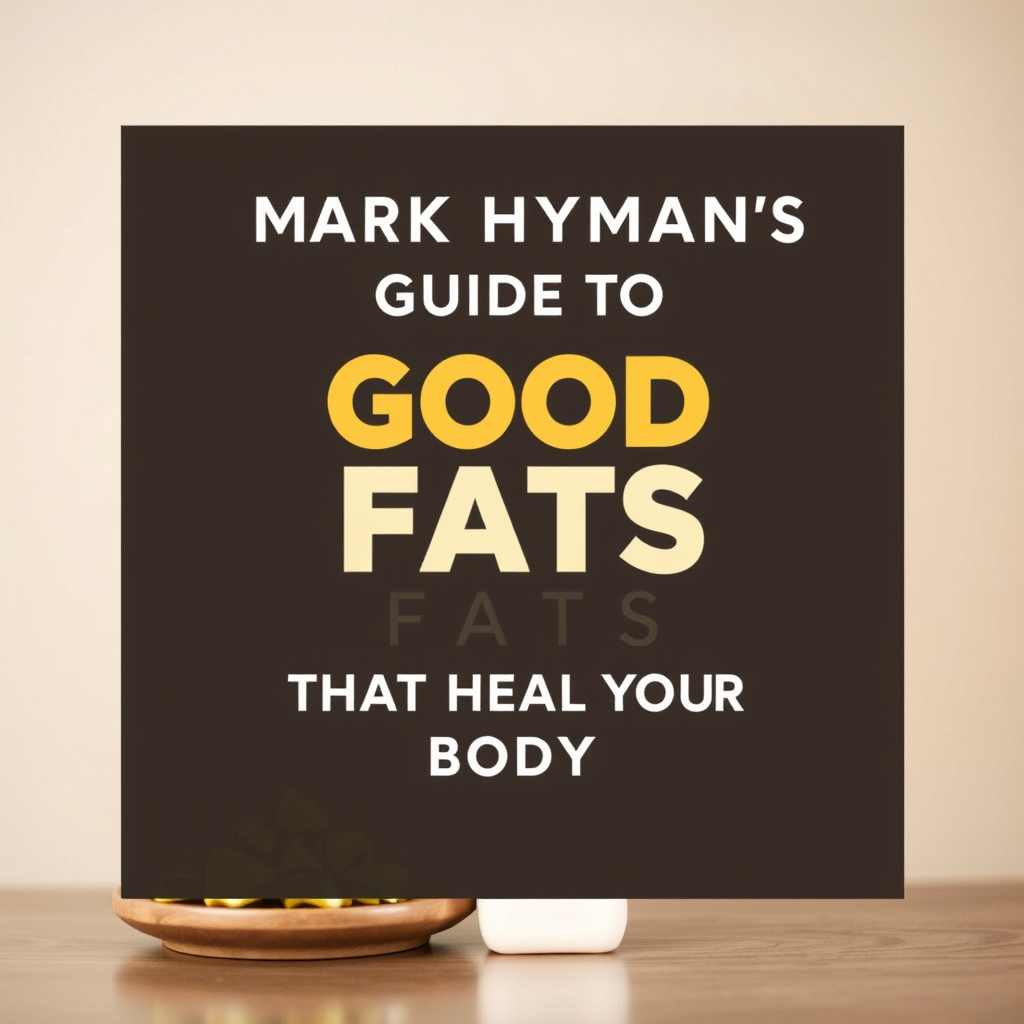
For decades, the prevailing wisdom in nutrition was simple: if you don’t want to be fat, don’t eat fat. This mantra led to an explosion of low-fat products, from snack cakes to salad dressings, usually replaced with refined sugars and processed carbohydrates. However, as Dr. Mark Hyman, a leading figure in functional medicine, has frequently pointed out, this dietary shift coincided with a dramatic rise in obesity, type 2 diabetes, and chronic inflammatory diseases. In his groundbreaking work, including the bestseller Eat Fat, Get Thin, Dr. Hyman argues that fat is not the enemy. On the contrary, the right kinds of fats are essential biological messengers that can heal your body, balance your hormones, and sharpen your mind.
Understanding the difference between fats that heal and fats that kill is the cornerstone of Dr. Hyman’s nutritional philosophy. Our bodies are composed of trillions of cells, and every single one of those cells is encased in a membrane made primarily of fat. When we consume high-quality fats, our cell membranes become flexible and responsive. When we consume poor-quality, processed fats, our membranes become stiff and dysfunctional. This guide explores the science-backed approach to incorporating healthy fats into your life, based on the principles of functional medicine and Dr. Hyman’s Pegan (Paleo-Vegan) lifestyle.
The Biological Necessity of Healthy Fats
To understand why fat is vital, we must look at its role beyond just being a source of calories. Fat is a structural component of the human body. Your brain is approximately 60% fat, and much of that is DHA, an omega-3 fatty acid. Without sufficient fat intake, cognitive function, memory, and mood can suffer significantly. Furthermore, fats are the building blocks for hormones. From the sex hormones like estrogen and testosterone to the stress hormone cortisol, fat provides the raw materials necessary for endocrine health.
Dr. Hyman emphasizes that fats are also crucial for the absorption of fat-soluble vitamins: A, D, E, and K. You could eat the most nutrient-dense kale salad in the world, but if you don’t add a source of healthy fat like olive oil or avocado, your body will struggle to absorb the vitamins within those greens. Additionally, fat is a primary source of energy. While the body can run on glucose (sugar), it often runs more efficiently on ketones, which are produced when the body breaks down fat. This metabolic flexibility—the ability to switch between burning sugar and burning fat—is a hallmark of a healthy metabolism.
The Omega-3 and Omega-6 Balance
One of the most critical aspects of Dr. Hyman’s guide is the ratio between omega-3 and omega-6 fatty acids. In the modern Western diet, this ratio is severely skewed. Historically, humans evolved eating a ratio of roughly 1:1. Today, many people consume a ratio closer to 1:20 or even 1:50 in favor of omega-6s. While omega-6 fats are technically essential, an overabundance of them—primarily from industrial seed oils like soybean, corn, and cottonseed oil—promotes systemic inflammation.
To heal the body, Dr. Hyman recommends aggressively increasing omega-3 intake while reducing processed omega-6 sources. Omega-3s, found in wild-caught fatty fish (sardines, mackerel, anchovies, salmon, and herring—often referred to by the acronym SMASH), walnuts, chia seeds, and flaxseeds, act as natural anti-inflammatories. They help thin the blood, reduce the risk of heart disease, and support the structural integrity of the brain. Dr. Hyman often suggests that for many people, supplementation with a high-quality, molecularly distilled fish oil is necessary to correct the modern imbalance.
Saturated Fats: Debunking the Old Myths
Perhaps the most controversial part of Dr. Hyman’s message is his stance on saturated fats. For years, saturated fat was blamed for heart disease, but recent large-scale meta-analyses have failed to find a direct link between saturated fat intake and cardiovascular mortality. Dr. Hyman clarifies that saturated fat is not a monolithic “bad” fat; its effect depends largely on what else you are eating. If you eat saturated fat alongside refined carbohydrates (the classic burger on a white flour bun), it becomes dangerous because the insulin spike from the sugar causes the fat to be stored and promotes inflammation.
However, when consumed as part of a low-glycemic, high-fiber diet, certain saturated fats can be quite beneficial. Medium-chain triglycerides (MCTs), found in coconut oil, are a prime example. MCTs are processed differently by the liver; they are quickly converted into energy rather than being stored as fat. Dr. Hyman also advocates for grass-fed butter or ghee. These products contain butyrate, a short-chain fatty acid that supports gut health and reduces inflammation in the digestive tract. The key is quality: always choose organic, grass-fed sources to avoid the pesticides and hormones found in conventional dairy.
Monounsaturated Fats: The Heart-Healthy Heroes
While the debate over saturated fat continues in some circles, there is nearly universal agreement on the benefits of monounsaturated fats (MUFAs). These are the star players of the Mediterranean diet, which Dr. Hyman incorporates into his Pegan philosophy. Extra virgin olive oil (EVOO) is the gold standard here. It is rich in oleic acid and polyphenols, which are powerful antioxidants that protect the heart and blood vessels from oxidative stress.
Dr. Hyman recommends using high-quality, cold-pressed extra virgin olive oil liberally on salads and cooked vegetables. Another powerhouse of monounsaturated fat is the avocado. Avocados are unique because they provide healthy fats alongside a significant amount of fiber and potassium. This combination helps regulate blood sugar and keeps you feeling full for longer. Incorporating half an avocado into your daily routine is one of the simplest ways to follow Dr. Hyman’s advice for metabolic health.
Fats to Avoid: The Real Villains of the Food Industry
While Dr. Hyman encourages the consumption of many fats, he is adamant about the total elimination of others. The most dangerous are trans fats, also known as partially hydrogenated oils. Although many countries have moved to ban them, they still linger in some processed snacks and restaurant fryers. Trans fats are industrially produced and are structurally foreign to the human body; they increase LDL (bad) cholesterol, lower HDL (good) cholesterol, and create massive amounts of inflammation.
Beyond trans fats, Dr. Hyman warns against highly refined vegetable oils. These include soybean, canola, corn, sunflower, and safflower oils. While they are often marketed as “heart-healthy” because they are liquid at room temperature, the high-heat processing and chemical solvents used to extract them often leave them rancid and inflammatory before they even reach the grocery store shelf. These oils are high in unstable polyunsaturated fats that oxidize easily when exposed to light, heat, or oxygen. When you consume oxidized oils, you are essentially consuming “rusty” fat that damages your tissues.
The Connection Between Fat and Brain Health
One of the most compelling reasons to follow Dr. Hyman’s guide is for cognitive longevity. We are currently facing an epidemic of neurodegenerative diseases, including Alzheimer’s, which some researchers now refer to as “Type 3 Diabetes” due to its link to insulin resistance in the brain. Dr. Hyman highlights that a diet high in healthy fats and low in sugar can improve insulin sensitivity and provide the brain with a more stable fuel source.
The brain’s myelin sheath, the insulating layer around nerves that allows for fast electrical signaling, is made of fats. DHA, specifically, is essential for synaptic plasticity—the brain’s ability to form new connections. Dr. Hyman notes that patients often report a lifting of “brain fog” within days of increasing their intake of healthy fats like MCT oil and omega-3s. By reducing inflammation in the brain, these fats help protect against depression, anxiety, and age-related cognitive decline.
Practical Steps: How to Eat More Good Fats
Transitioning to a high-fat, low-glycemic diet doesn’t have to be complicated. Dr. Hyman suggests starting with your morning routine. Instead of a sugary cereal or toast, try a “Fat Shake” or “Pegan Smoothie.” This might include almond milk, a scoop of collagen or plant-based protein, a handful of berries, and—most importantly—healthy fats like almond butter, hemp seeds, or a tablespoon of MCT oil.
For lunch and dinner, the rule of thumb is to fill 75% of your plate with non-starchy vegetables (the “vegan” part of Pegan) and use fat as the flavor carrier. Sauté your kale in coconut oil, drizzle your roasted broccoli with tahini, or top your wild-caught salmon with a dollop of pesto made from walnuts and olive oil. Snack on raw nuts and seeds rather than crackers or granola bars. When cooking at high temperatures, use fats with high smoke points like avocado oil or ghee to prevent the oil from breaking down into toxic compounds. For low-heat cooking or finishing dishes, stick to extra virgin olive oil.
Mark Hyman’s Pegan Approach to Fats
The “Pegan Diet” is Dr. Hyman’s synthesis of the best parts of Paleo and Vegan eating. It emphasizes whole, unprocessed foods and treats meat as a “condiment” rather than the main course. In this framework, fat takes center stage. The Pegan approach recognizes that while plants are essential for phytonutrients and fiber, fats are essential for satiety and hormonal balance.
By choosing fats that are sustainably sourced and minimally processed, you align your health with the health of the planet. This means choosing pasture-raised eggs, which have a much higher omega-3 content than factory-farmed eggs, and supporting regenerative agriculture. Dr. Hyman’s guide isn’t just about weight loss; it’s about a comprehensive biological reset. When you stop fearing fat and start choosing the right ones, you turn off your body’s inflammation switches and turn on its healing mechanisms.
The Alchemy of Fat and Phytonutrients: Unlocking Plant Medicine
While the existing article touches on the absorption of vitamins A, D, E, and K, the relationship between healthy fats and phytonutrients goes much deeper. Dr. Hyman often describes fat as the “delivery vehicle” for the most powerful medicines found in the plant kingdom. Many of the 25,000+ phytonutrients identified by science are fat-soluble. This means that without a lipid base, these compounds—which are responsible for everything from DNA repair to antioxidant defense—pass through your digestive tract largely unabsorbed.
Consider the carotenoids found in carrots, tomatoes, and leafy greens. Lycopene, the red pigment in tomatoes known for its role in prostate health and skin protection, is significantly more bioavailable when heated and consumed with a high-quality fat like extra virgin olive oil. Similarly, the sulforaphane in broccoli and the curcumin in turmeric require a fat-rich environment to cross the intestinal barrier effectively. A practical application of this principle is the “fat-first” salad dressing: instead of using a processed, fat-free balsamic vinaigrette, use a base of tahini or avocado oil. The fats in these dressings don’t just add flavor; they act as a key that unlocks the cellular door for the antioxidants in your vegetables.
Furthermore, fat-soluble compounds like chlorophyll and various flavonoids are better preserved in the presence of stable fats. When you sauté kale in coconut oil, the medium-chain triglycerides (MCTs) help stabilize the delicate plant structures, ensuring that the nutrients remain intact during the cooking process. This synergy is a cornerstone of the Pegan approach: it’s not just about what you eat, but how you pair your foods to maximize their biological impact. In functional medicine, we look at the total food matrix, and fat is the essential glue that holds that matrix together for optimal absorption.
The Nut and Seed Hierarchy: Beyond the Basics
Not all nuts and seeds are created equal in Dr. Hyman’s nutritional framework. While many people reach for almonds or peanuts (which are actually legumes and can be inflammatory for some), the Pegan diet prioritizes nuts that offer specific therapeutic benefits. Walnuts, for instance, are a top-tier choice because they are one of the few plant sources rich in alpha-linolenic acid (ALA), a precursor to the long-chain omega-3s. Their unique structure—resembling a human brain—is a classic example of the “doctrine of signatures,” as they are indeed powerhouse foods for neuroprotection.
Pecans and macadamia nuts are also highly valued for their high monounsaturated fat content and relatively low omega-6 profile. Macadamias, in particular, contain palmitoleic acid, an omega-7 fatty acid that has been shown to improve insulin sensitivity and support skin health. On the seed side, pumpkin seeds (pepitas) are essential for their high zinc and magnesium content, which are critical cofactors for the enzymes that process fats in the liver. Hemp seeds provide a rare source of Gamma-Linolenic Acid (GLA), an omega-6 variant that, unlike its inflammatory cousins, actually helps reduce inflammation and supports hormonal balance, particularly in women dealing with PMS or menopause symptoms.
An important edge case to consider is the “raw vs. roasted” debate. Dr. Hyman emphasizes that many nuts contain delicate polyunsaturated fats that can become oxidized (rancid) when subjected to high-heat commercial roasting. Furthermore, many roasted nuts are coated in inflammatory industrial seed oils like soybean or cottonseed oil. To get the healing benefits, always opt for raw, organic nuts and seeds, or lightly toast them yourself at low temperatures (below 300°F) to preserve their fragile lipid structures. Storing them in the refrigerator or freezer is another crucial step to prevent the “rusty fat” syndrome mentioned earlier.
Fat and the Gut-Immune Connection: Healing the Microbiome
The conversation around gut health often focuses on fiber and probiotics, but the type of fat you consume plays a pivotal role in the composition of your microbiome and the integrity of your gut lining. The intestinal wall is only one cell layer thick, and like all cells, these enterocytes rely on healthy fats for their structural integrity. Dr. Hyman points out that high-quality fats can help seal a “leaky gut” by supporting the production of mucus and the function of tight junction proteins.
One of the most fascinating areas of functional medicine research is how certain fats encourage the growth of beneficial bacteria. Extra virgin olive oil, rich in polyphenols, acts as a prebiotic, specifically fostering the growth of *Akkermansia muciniphila*. This particular strain of bacteria is crucial for maintaining the gut’s protective mucus layer and has been linked to lower levels of systemic inflammation and better metabolic health. Conversely, a diet high in refined omega-6 oils and trans fats can promote the growth of LPS-producing (lipopolysaccharide) bacteria. When these bacteria die, they release toxins that trigger a massive immune response, leading to chronic inflammation—the root cause of most modern diseases.
Short-chain fatty acids (SCFAs) like butyrate are another essential piece of the puzzle. While the body can produce butyrate by fermenting fiber in the colon, consuming grass-fed ghee provides a direct source of this healing fat. Butyrate serves as the primary fuel source for the cells lining the colon, helping to prevent colon cancer, reduce symptoms of Irritable Bowel Disease (IBD), and even cross the blood-brain barrier to reduce neuroinflammation. By choosing the right fats, you are essentially “farming” a healthier internal ecosystem.
The Oil Pharmacy: Specialty Fats for Targeted Healing
Beyond the common culinary oils, Dr. Hyman’s guide includes what we might call “medicinal fats”—specialty oils that can be used to treat specific imbalances. Black seed oil (Nigella sativa) is a prime example. It contains thymoquinone, a compound with potent anti-inflammatory, antioxidant, and anti-cancer properties. Dr. Hyman often discusses its ability to support respiratory health and balance the immune system in cases of autoimmunity.
Another heavy hitter is Sea Buckthorn oil, which is exceptionally rich in Omega-7. This rare fatty acid is a “secret weapon” for mucosal health, helping to lubricate the digestive tract, the eyes, and even the vaginal walls in post-menopausal women. For those struggling with skin issues like eczema or psoriasis, Evening Primrose oil or Borage oil—both high in GLA—can be used both internally and topically to calm the inflammatory cascade. These oils are not meant for cooking; they are delicate, bioactive substances that should be taken as supplements or drizzled over food just before serving.
It is also worth mentioning the role of phospholipids, such as phosphatidylcholine, often found in high-quality lecithin or krill oil. Phospholipids are the primary building blocks of cell membranes. In functional medicine, we use these to support liver detoxification and to help “repair” the membranes of mitochondria—the energy-producing powerhouses of the cells. If your mitochondria are sluggish, your metabolism will be too. Providing the body with the specific fats it needs to rebuild these membranes is a fundamental step in reversing chronic fatigue and metabolic dysfunction.
The Science of Satiety: How Fat Silences Hunger Hormones
One of the most immediate benefits of switching to a high-fat, low-glycemic diet is the disappearance of “hangry” episodes. This isn’t just about willpower; it’s about biochemistry. Dr. Hyman explains that fat triggers the release of cholecystokinin (CCK) and peptide YY (PYY) in the digestive tract. These hormones send powerful signals to the brain to indicate that you are full and satisfied. In contrast, a high-carbohydrate meal triggers insulin, which eventually leads to a blood sugar crash, stimulating ghrelin—the “hunger hormone”—and making you crave more sugar.
This hormonal control is why fat is essential for sustainable weight loss. When you eat a meal rich in healthy fats, such as a piece of wild salmon with a side of asparagus drizzled in hollandaise (made with grass-fed butter), your blood sugar remains stable for hours. This prevents the “insulin spikes” that tell your body to store fat and instead allows the body to access its own stored fat for fuel. This state of metabolic flexibility is the goal of the Pegan lifestyle.
An edge case often overlooked is the psychological aspect of satiety. Fat carries flavor and provides a “mouthfeel” that the brain associates with luxury and abundance. When people go on low-fat diets, they often feel deprived, which leads to binge eating later. By incorporating fats like nut butters, tahini, and avocado into every meal, you satisfy both your physiological needs and your sensory desires, making it much easier to stick to a healthy eating pattern long-term. As Dr. Hyman says, “Fat is the off-switch for your hunger.”
Sourcing and Storage: Protecting Your Fats from Oxidation
A critical but often ignored aspect of Dr. Hyman’s guide is how to handle these fats once they are in your kitchen. Even the healthiest fat can become toxic if it is mishandled. Polyunsaturated fats (PUFAs), like those found in flaxseed oil, fish oil, and even some nut oils, are highly unstable. They have multiple double bonds in their chemical structure, which makes them easy targets for oxygen, light, and heat. When these fats oxidize, they create free radicals that damage your DNA and accelerate aging.
To protect your investment in your health, Dr. Hyman recommends several strict storage rules. First, always buy oils in dark glass bottles; light is a major catalyst for oxidation. Second, keep delicate oils like flax, walnut, and hemp in the refrigerator. Third, never buy these oils in bulk unless you plan to use them very quickly. Even extra virgin olive oil should be used within 30 to 60 days of opening. If an oil smells “off,” like old crayons or cardboard, it is oxidized and should be discarded immediately.
Sourcing is equally vital. In the world of animal fats, the “you are what what you eat ate” rule applies. Saturated fats in conventional beef or dairy often store environmental toxins like pesticides and heavy metals. This is why Dr. Hyman insists on grass-fed, pasture-raised, or organic animal products. For fish, the SMASH acronym is key because these smaller fish are lower on the food chain and accumulate fewer toxins like mercury and PCBs compared to larger fish like tuna or swordfish. By being a “fat snob” and demanding the highest quality, you ensure that the fats you consume are truly healing rather than adding to your body’s toxic burden.
Metabolic Flexibility and the “Fat-First” Morning
Building on the practical steps mentioned in the original article, the concept of the “Fat-First” morning is a powerful tool for resetting your circadian rhythm and metabolic health. Most people start their day with a “glucose bomb”—cereal, orange juice, or a bagel. This sets off a rollercoaster of insulin and cortisol that lasts all day. Dr. Hyman suggests that by starting the day with fat and protein, you “prime” your metabolism to burn fat instead of sugar.
For those who aren’t fans of smoothies, a savory breakfast is an excellent alternative. This might look like eggs poached in avocado oil, served with smoked salmon and a side of sautéed greens. The fats in the eggs and salmon provide steady energy, while the greens provide the fiber necessary to keep the gut moving. Another option is “Fat Coffee” or “Pegan Coffee,” where you blend organic coffee with a teaspoon of MCT oil and a bit of grass-fed ghee or cacao butter. This provides a clean energy boost and sharpens mental focus without the mid-morning crash associated with sugary lattes.
Frequently Asked Questions
1. Will eating more fat make my cholesterol go up?
This is a common concern, but the relationship between dietary fat and blood cholesterol is complex. For most people, eating healthy fats like those found in avocados and olive oil actually improves their cholesterol profile by increasing HDL (good cholesterol) and changing small, dense LDL particles (which are dangerous) into large, fluffy LDL particles (which are benign). Dr. Hyman emphasizes that the real driver of heart-disease-related cholesterol issues is sugar and refined carbs, which cause the liver to produce the dangerous types of fats in the blood.
2. Is coconut oil really healthy, or is it too high in saturated fat?
Dr. Hyman views coconut oil as a functional food. While it is high in saturated fat, it is primarily composed of Medium-Chain Triglycerides (MCTs). Unlike the long-chain saturated fats found in a greasy cheeseburger, MCTs are used by the body for immediate energy and have antimicrobial and antifungal properties. However, he recommends using it as part of a balanced diet rich in plant foods, rather than consuming it in excessive amounts in isolation.
3. What are the best fats to use for high-heat frying or roasting?
When cooking at high temperatures, you need an oil that is stable and won’t oxidize. Dr. Hyman recommends avocado oil, which has a very high smoke point (around 520°F), or ghee (clarified butter), which has had the milk solids removed and is stable up to 485°F. Macadamia nut oil is another good option. He advises against using extra virgin olive oil for high-heat frying, as its delicate polyphenols can be damaged, though it is perfectly fine for light sautéing.
4. How much fat should I be eating every day?
There is no one-size-fits-all answer, as it depends on your activity level and metabolic health. However, Dr. Hyman generally suggests that healthy fats should make up about 40% to 50% of your total daily calories. This might sound like a lot, but because fat is calorie-dense, it doesn’t require a huge volume of food. For most people, this looks like including 1–2 tablespoons of oil or nut butter, or half an avocado, with every meal.
5. Can I get enough Omega-3s if I am vegan?
While you can get ALA (a type of omega-3) from plant sources like flax, chia, and walnuts, the body is notoriously inefficient at converting ALA into the active forms of EPA and DHA that the brain and heart need. If you are following a strictly vegan diet, Dr. Hyman recommends taking an algae-based EPA/DHA supplement to ensure you are getting these critical nutrients without consuming fish.
Related posts:
 Food Revolution: Mark Hyman’s Plan to Fix Our Broken Food System
 Best Olive Oils on Amazon
 4. Does Olive Oil Actually Go Bad? Here’s What to Know
 Brain-Boosting Foods
 Omega-6 Fatty Acids: Understanding Their Role in Health
 How Much Fat Should You Really Eat Per Day?
 Pegan Diet Explained: The Paleo-Vegan Hybrid Taking Over
 High-Protein Foods That Pack a Serious Nutritional Punch