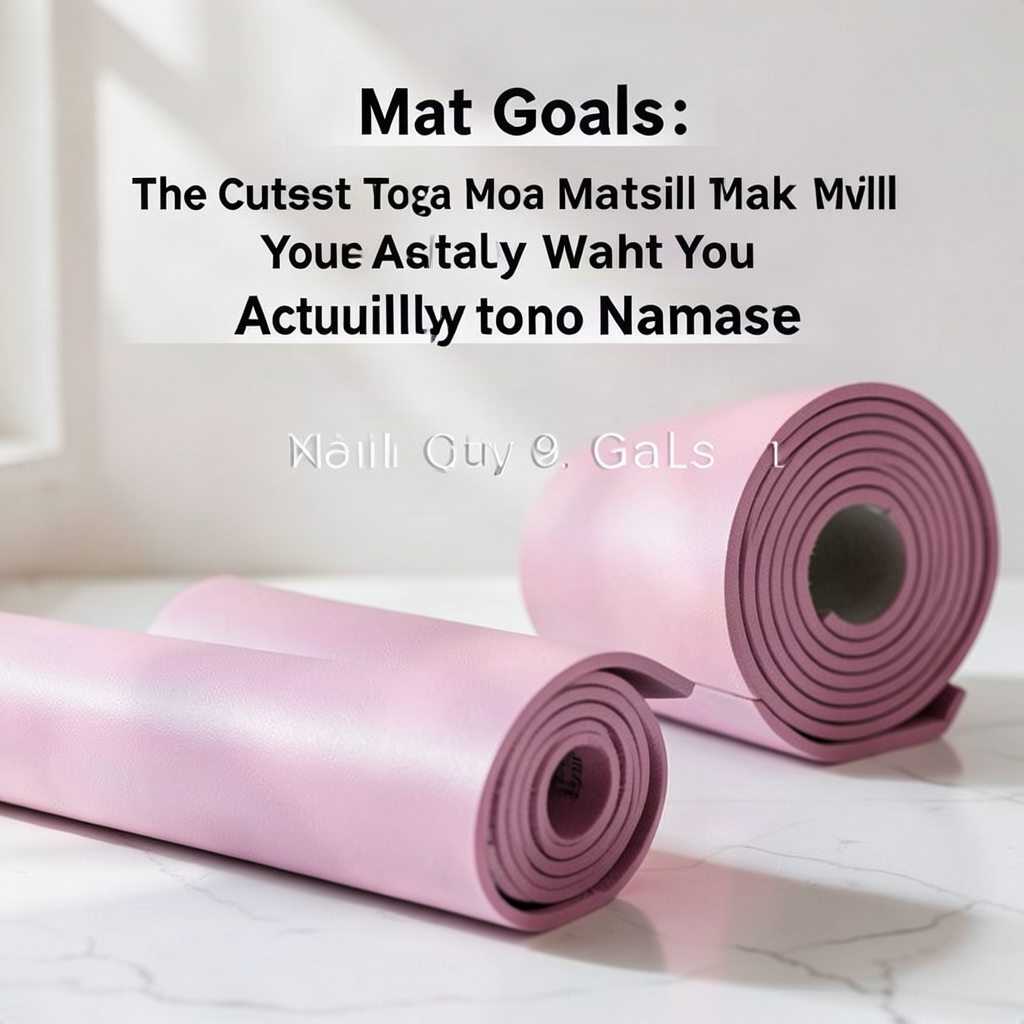
Finding the motivation to unroll your mat can sometimes feel like an uphill battle. We have all been there: the alarm goes off, the bed is warm, and the thought of a cold, hard floor seems daunting. However, there is a psychological secret to habit formation that many fitness enthusiasts overlook: the environment effect. When your equipment looks beautiful, it becomes an invitation rather than a chore. If you have been searching for that spark of inspiration to get back into your flow, it might just be waiting for you in the form of a stunning new yoga mat. In this guide, we explore the most aesthetically pleasing, high-performance yoga mats that blend style with substance, helping you transition from “I should” to “I want to” every single time you step onto the mat.
The Psychology of Aesthetic Motivation
It might sound superficial to say that a pretty object can change your workout habits, but color psychology and environmental design play massive roles in our daily routines. In color psychology, certain hues can trigger specific emotional responses. For instance, soft pastels can promote a sense of calm and tranquility, making them ideal for Yin Yoga or restorative practices. On the other hand, vibrant, high-contrast patterns can stimulate energy and alertness, providing the necessary mental boost for a vigorous Vinyasa flow or a high-intensity interval training (HIIT) session.
When your gear matches your personal aesthetic, it reduces the “friction” of starting a task. If you have a beautiful, high-quality mat laid out in your living room, it becomes a piece of decor rather than a piece of equipment to be tucked away in a closet. This visual cue acts as a subtle psychological nudge, reminding you of your commitment to wellness. By investing in a mat that you genuinely love looking at, you are essentially decorating your path to a healthier lifestyle.
Material Matters: Beauty Meets Performance
While we are here to talk about aesthetics, we cannot ignore the functional necessity of a high-quality mat. A mat can be the cutest thing in the world, but if it is slippery when you sweat or too thin to protect your knees, it will quickly end up in the back of the cupboard. When shopping for a beautiful mat, you should consider three primary materials:
- Natural Rubber: Known for its incredible grip and eco-friendly properties. Rubber mats often come in rich, earthy tones and can be dyed in various patterns. They are perfect for hot yoga because they become grippier as they get wet.
- TPE (Thermoplastic Elastomer): A great middle-ground option that is lightweight and often comes in bright, trendy colors. It is a synthetic material that offers decent cushioning and is very easy to clean.
- PU (Polyurethane) & Cork: These are the “luxury” materials. PU mats offer a buttery-smooth feel with unmatched grip, often seen in high-end boutique studios. Cork is naturally antimicrobial and provides a beautiful, textured, organic look that fits perfectly in a minimalist or boho-style home.
When selecting your mat, ensure the thickness (usually measured in millimeters) is sufficient for your practice. A 4mm to 6mm mat is generally the sweet spot for most practitioners, providing enough cushion for joints without sacrificing stability during balance poses.
Finding Your Aesthetic: Styles for Every Personality
Not everyone finds peace in the same color palette. To find your perfect match, identify which design language resonates most with your personal style. Here are four major trends currently dominating the yoga world:
The Minimalist Zen
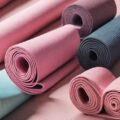
If your home decor leans toward Scandi or Japandi styles, you likely prefer solid, muted tones. Think sage green, dusty rose, sand, or slate grey. A minimalist mat removes visual distractions, allowing you to focus entirely on your breath and alignment. It is the ultimate choice for someone who finds clutter stressful.
The Bohemian Dreamer
For those who love maximalism, intricate patterns, and earthy vibes, a mandala-printed mat is a game changer. These mats often feature geometric shapes, floral motifs, and a wide spectrum of colors. They transform your yoga space into a sanctuary of artistic expression.
The Retro Revivalist
70s-inspired aesthetics are making a massive comeback. Think mustard yellows, burnt oranges, and wavy, psychedelic patterns. A retro mat adds a sense of fun and nostalgia to your practice, making your workout feel less like a disciplined task and more like a creative movement session.
The Modern Athlete
If your practice is more about strength and sweat, you might prefer a sleek, high-tech look. Deep blues, blacks, or charcoal with subtle metallic accents provide a professional, high-performance feel that signals you are there to work.
How to Care for Your Investment
Once you have found the mat that makes you want to Namaste, you need to ensure it lasts for years. A high-quality mat is an investment in your wellness journey, and proper maintenance is key to preserving both its beauty and its grip. Different materials require different care routines:
Natural Rubber Mats: These should be wiped down with a mixture of water and a few drops of essential oil (like lavender or eucalyptus) after every use. Avoid harsh chemicals, as they can break down the natural rubber. Air dry the mat in a shaded area; direct sunlight can cause the rubber to crack or fade.
TPE Mats: These are quite durable and can be cleaned with mild soap and water. Always ensure the mat is completely dry before rolling it up to prevent mold or mildew growth.
PU/Cork Mats: These are highly absorbent. For cork, a simple damp cloth is often enough. For PU, avoid excessive moisture, as it can affect the texture. Always roll your mat open-side up to allow it to breathe.
A pro-tip for all mats: Never store your mat rolled up tightly for long periods. If you aren’t using it, try to leave it partially unrolled or loosely rolled to prevent permanent creases and to allow the material to “breathe.”
Creating a Dedicated Sacred Space
To truly leverage the power of a beautiful mat, you should create a dedicated space for your practice. You don’t need a whole room; even a small corner of your bedroom or a quiet nook in your living room will suffice. The goal is to create a “visual cue.”
When you have a designated spot, your brain begins to associate that specific physical location with relaxation and movement. Pair your new mat with other sensory elements: a small plant, a candle, or a salt lamp. When you step into this space and see your beautiful mat, the transition from “work mode” to “yoga mode” becomes seamless. This ritualistic approach to fitness is a cornerstone of sustainable lifestyle changes. It turns a chore into a retreat.
Budget vs. Luxury: Where to Spend Your Money
It can be tempting to grab the cheapest mat available from a big-box retailer, but when it comes to yoga, price often correlates with longevity and safety. A cheap mat may look okay in photos, but it might feel “plastic-y” and offer zero grip, which can lead to injury during transitions.
If you are on a budget, look for high-quality TPE mats. They offer a great balance of price and performance. If you are a dedicated practitioner who practices 4-5 times a week, it is worth investing in a premium PU or natural rubber mat. These high-end mats are designed to withstand heavy use and maintain their aesthetic appeal even after hundreds of hours of practice. Think of it as buying quality gear that grows with you as your skills advance.
Finding the Right Thickness for Your Body and Practice Goals
Thickness is measured in millimeters and directly influences how your joints feel during weight‑bearing poses. A 3mm mat offers minimal cushioning and is favored by advanced practitioners who have strong bone density and excellent balance. For most adults, a 4mm to 5mm mat provides a comfortable middle ground, supporting the knees in poses like Warrior II while still allowing stability in arm balances. If you carry extra weight or have knee, hip, or lower back concerns, a 6mm mat can absorb impact and reduce strain. Pregnant practitioners often choose a 6mm or thicker mat because the added cushioning eases pressure on the pelvis and lower spine as the center of gravity shifts.
Edge cases illustrate the importance of matching thickness to activity. A runner who incorporates yoga for cross‑training may prefer a 5mm mat that feels firm enough for quick transitions yet soft enough for floor work. Conversely, a senior citizen with arthritis may find a 7mm “extra‑cushion” mat beneficial for seated meditation and gentle stretching, though it may slightly compromise balance in standing poses. Testing a mat by pressing down with your palm can reveal whether the foam feels responsive (good for balance) or overly squishy (potentially unstable).
Texture and Surface Patterns: How Grip Meets Aesthetics
The visual design of a mat is often paired with a tactile surface that determines how securely your feet and hands stay in place. Smooth, matte finishes are typical of high‑gloss PU or natural rubber, delivering a sleek look but sometimes reducing friction when sweat builds up. Textured mats incorporate micro‑grooves, sand‑like stippling, or woven patterns that increase friction without sacrificing style. For example, a mat with a subtle leaf‑vein embossing can channel moisture away, keeping the contact surface drier during hot yoga, while a mat featuring a geometric wave pattern may provide additional traction on the heel.
Different textures also affect maintenance. A mat with a raised, ribbed surface can trap dust and skin particles, requiring more frequent brushing or a gentle vacuum. In contrast, a flat, smooth surface wipes clean with a damp cloth in seconds. When selecting a design, consider the primary environment: a studio with controlled humidity benefits from low‑maintenance smooth surfaces, whereas a home practice in a dusty living room may profit from a slightly textured mat that hides debris.
Sustainable and Eco‑Friendly Materials Beyond Traditional Rubber
If environmental impact is part of your buying criteria, look beyond standard natural rubber. Mats made from recycled ocean plastics repurpose waste that would otherwise pollute marine ecosystems, and they often feature a soft, flexible feel comparable to conventional rubber. Another option is biodegradable TPE, which breaks down more readily in landfill conditions while still offering the bright color palette favored by trend‑focused yogis. Cork‑based mats, harvested from the bark of cork oak trees without harming the tree, provide a naturally antimicrobial surface and a distinctive grainy texture that many describe as “organic elegance.”
Each sustainable material has trade‑offs. Recycled plastic mats can be slightly heavier and may have a longer break‑in period before reaching optimal grip. Biodegradable TPE may soften over time if exposed to prolonged sunlight, so storing it out of direct light extends its lifespan. Cork mats, while beautiful, can be porous; applying a light, water‑based sealant once a year helps preserve their appearance and prevents moisture absorption.
Seasonal Adaptations: Using Your Mat in Different Climates
Temperature and humidity dramatically affect a mat’s performance. In a warm, humid summer studio, sweat can create a slick surface on smooth rubber, so a mat with a textured top or a mat made from natural rubber (which becomes tackier when moist) is advantageous. Conversely, cold winter rooms can make rubber stiff, reducing its grip and cushioning. In such conditions, a mat with a higher durometer (harder feel) or a mat that incorporates a thin layer of foam can retain flexibility and provide better shock absorption.
Practical adaptations include placing a thin, breathable yoga towel on top of the mat during hot sessions to wick away excess moisture, or using a silicone spray on the underside of the mat in chilly environments to prevent it from sticking to the floor. For outdoor practice in mild climates, a mat with a waterproof backing prevents the foam from absorbing rain, keeping the surface usable even after a light drizzle.
Multi‑Purpose Integration: From Yoga to Home Décor and Travel
A well‑designed mat can serve roles beyond the yoga mat itself. Its dimensions make it ideal as a meditation cushion substitute: fold it lengthwise and sit on it for seated practices, or lay it flat as a low‑profile floor mat for children’s play. In a minimalist apartment, a mat with a muted, neutral tone can double as a decorative rug under a coffee table, adding texture without clutter. Travelers often appreciate a lightweight, fold‑over mat that fits into a carry‑on, and some brands offer a “travel‑ready” version with a built‑in strap that keeps the roll secure on the go.
For those who practice Pilates, HIIT, or bodyweight strength work, a thicker, more durable mat with reinforced edges can double as a low‑impact exercise surface. Adding a set of portable yoga blocks or a strap that clips onto the mat’s corners creates a compact home‑gym system that encourages consistency when you’re away from a studio.
Customization and Personal Touches: Making Your Mat Truly Yours
Personalizing your mat transforms it from a generic accessory into a statement piece that reflects your personality and motivates your practice. Many manufacturers allow you to upload a custom image or choose from a library of patterns, enabling you to feature a favorite photograph, a mantra, or a color palette that matches your home décor. Some brands sell interchangeable tops that snap on and off, letting you switch from a solid hue to a bold print without purchasing an entirely new mat.
DIY options are also popular: using fabric paint to hand‑draw mandalas, attaching small woven tassels, or layering a thin, washable cotton cover that can be swapped out seasonally. These custom touches not only enhance aesthetic appeal but also protect the underlying material from wear, extending the mat’s usable life while keeping it visually fresh.
FAQ
1. How do I know if a mat is too thin for my practice?
If you find yourself feeling discomfort in your knees, hips, or spine during poses like Child’s Pose or Cobra, your mat may be too thin. While 3mm is fine for advanced practitioners with high bone density and flexibility, beginners should look for 4mm to 6mm to provide necessary cushioning.
2. Will a patterned mat be harder to clean than a solid color one?
Not necessarily. The ease of cleaning depends more on the material (rubber vs. TPE vs. cork) than the print. However, very light-colored mats may show sweat stains or dirt more easily over time, whereas darker or more intricately patterned mats tend to hide wear and tear much better.
3. Can I use a yoga mat for weightlifting or HIIT?
It depends on the mat. Standard yoga mats are designed for grip and cushioning during static poses. For high-impact HIIT or heavy weightlifting, you might want a thicker, more durable “fitness mat” that can withstand being dropped on or stepped on aggressively without tearing.
4. Why is my new yoga mat smelling weird?
This is very common, especially with natural rubber mats. It is often called “off-gassing.” To fix this, let the mat air out in a well-ventilated room (but out of direct sunlight) for a few days. You can also wipe it down with a mild vinegar solution to help neutralize the scent.
5. Does the color of the mat actually affect my mood?
While it’s not a scientific certainty for everyone, color psychology suggests that colors do influence our emotional state. Warm colors (reds, oranges) can increase heart rate and energy, while cool colors (blues, greens) can lower it. Choosing a color that aligns with your intended practice can be a powerful tool in your mindfulness toolkit.
Related posts:
 Best Antibacterial Dish Drying Mats
 These $600 yoga mats put lululemon gear to shame
 Mind Reading Through Grip Strength
 Best Anti-Fatigue Mats for Comfort and Support
 The Best Workout Floor Mats for Safe and Comfortable Home Exercises
 Fall Boots That Don’t Sacrifice Comfort for Style
 3 yoga mats totally reimagined for the better
 Hot Yoga Mat Review