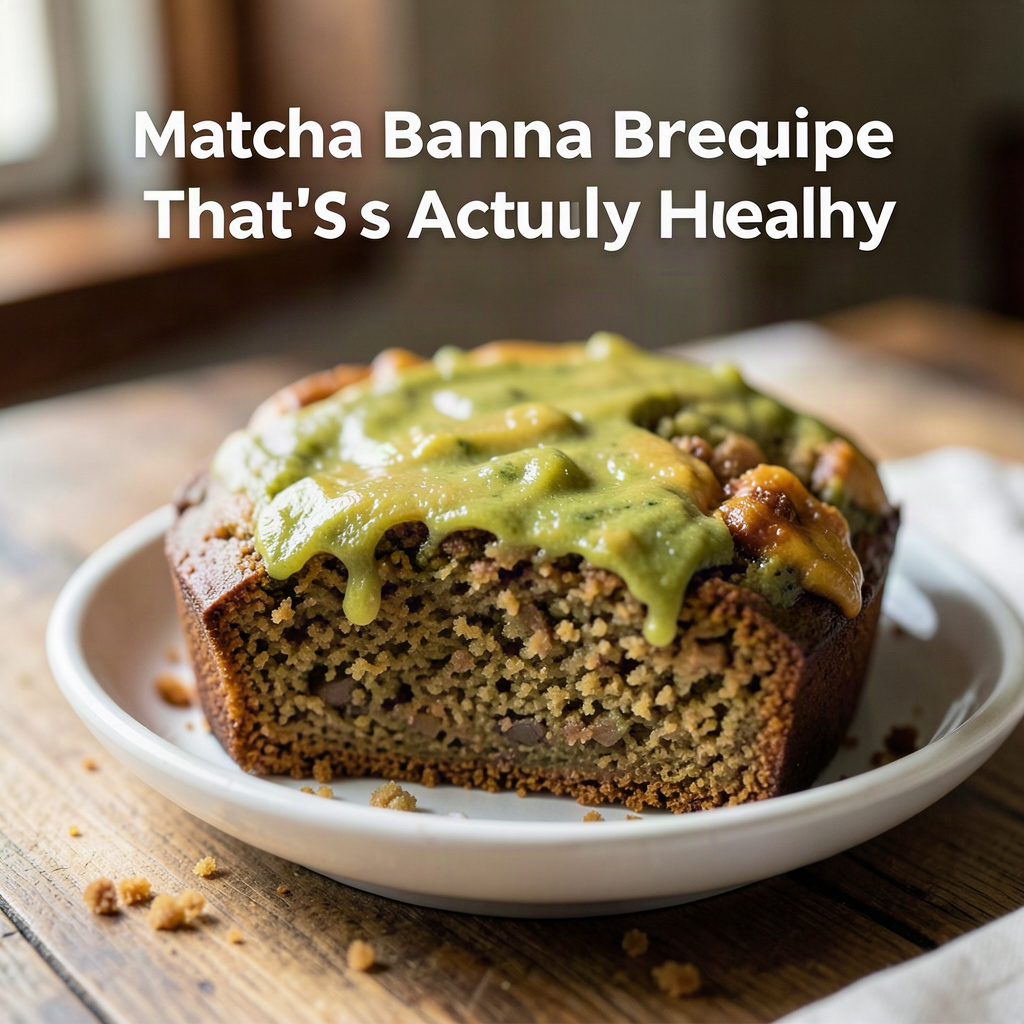
Banana bread is a timeless classic, a staple of kitchens worldwide that evokes a sense of comfort and nostalgia. However, traditional recipes are often laden with refined sugars, white flour, and excessive fats, transforming what could be a nutritious snack into something closer to a dessert cake. Enter the Matcha Banana Bread—a vibrant, emerald-hued evolution that marries the potassium-rich goodness of ripe bananas with the antioxidant-powered punch of Japanese green tea powder. This isn’t just a colorful variation; when made with intentional ingredients, it becomes a genuinely healthy addition to your wellness routine.
In this comprehensive guide, we will explore why this fusion works so well, how to select the highest quality ingredients, and provide a foolproof recipe that prioritizes nutrition without sacrificing that signature moist, tender crumb. Whether you are looking for a pre-workout boost, a kid-friendly snack, or a mindful breakfast, this healthy matcha banana bread is designed to nourish your body and satisfy your cravings.
The Nutritional Powerhouse: Why Matcha and Bananas?
The marriage of matcha and bananas is more than just a culinary trend; it is a nutritional synergy. Matcha, a finely ground powder made from specially grown and processed green tea leaves, is renowned for its high concentration of catechins, specifically EGCG (epigallocatechin gallate). These compounds are potent antioxidants that help combat oxidative stress in the body. Unlike steeped green tea, where you discard the leaves, matcha involves consuming the entire leaf, providing a more concentrated dose of vitamins, minerals, and fiber.
One of the most significant benefits of matcha in a breakfast loaf is its unique caffeine profile. Matcha contains L-theanine, an amino acid that promotes relaxation and focus. When combined with caffeine, it creates a “calm alertness,” preventing the jittery spikes and subsequent crashes often associated with coffee or sugary snacks. This makes matcha banana bread an excellent choice for a mid-morning pick-me-up.
On the other side of the equation, bananas bring a wealth of benefits. They are a primary source of potassium, an essential mineral for heart health and blood pressure regulation. They also provide vitamin B6, vitamin C, and dietary fiber. In this recipe, the natural sugars in overripe bananas—fructose, glucose, and sucrose—act as the primary sweetener, allowing us to significantly reduce or eliminate refined sugars. The pectin in bananas also contributes to the moist texture of the bread, reducing the need for heavy oils or butter.
Choosing the Right Ingredients for a Healthy Loaf
To ensure your banana bread is “actually healthy,” every ingredient must serve a nutritional purpose. Here is how to select the best components for your bake:
- The Matcha: Not all matcha is created equal. For baking, you generally want a high-quality “culinary grade” matcha. It has a stronger, slightly more astringent flavor that stands up well to heat and the sweetness of the bananas. Look for a powder that is vibrant green; a dull, brownish-yellow color indicates oxidation and a loss of nutrients and flavor.
- The Flour: Swap out highly processed all-purpose white flour for nutrient-dense alternatives. Spelt flour offers a nutty flavor and more fiber, while oat flour (which you can make by blending rolled oats) provides a gluten-free option rich in beta-glucan, a fiber known for its heart-health benefits. For a lower-carb version, a blend of almond flour and coconut flour can work, though the texture will be denser.
- The Sweetener: While the bananas provide much of the sweetness, a touch of liquid sweetener helps balance the earthy notes of the matcha. Opt for raw honey or pure maple syrup. These contain trace minerals and have a slightly lower glycemic index than white table sugar. For those monitoring blood sugar closely, monk fruit sweetener is a viable plant-based, zero-calorie alternative.
- The Fats: Instead of butter or inflammatory vegetable oils, use extra virgin coconut oil or avocado oil. Coconut oil contains medium-chain triglycerides (MCTs), which are easily used by the body for energy. Alternatively, for an oil-free version, unsweetened applesauce or Greek yogurt can provide the necessary moisture.
- The Eggs: Eggs provide structure and protein. If you are following a vegan diet, “flax eggs” (ground flaxseeds mixed with water) are an excellent substitute that adds omega-3 fatty acids and additional fiber.
- The Leavening Agents: Use aluminum-free baking powder and baking soda to ensure a clean rise without a metallic aftertaste.
The Ultimate Healthy Matcha Banana Bread Recipe
This recipe focuses on a balanced macro-profile and a rich, earthy flavor. It is designed to be moist, satisfying, and not overly sweet.
Ingredients:
- 3 very ripe, medium-sized bananas (the more spots, the better)
- 2 large pasture-raised eggs (or 2 flax eggs)
- 1/4 cup melted coconut oil or avocado oil
- 1/3 cup pure maple syrup or honey
- 1 teaspoon pure vanilla extract
- 1.5 cups oat flour or whole grain spelt flour
- 1.5 tablespoons high-quality culinary matcha powder
- 1 teaspoon baking soda
- 1/2 teaspoon baking powder
- 1/4 teaspoon sea salt
- Optional: 1/2 cup chopped walnuts or 70% dark chocolate chips
Instructions:
- Preheat your oven to 350°F (175°C). Grease a 9×5 inch loaf pan with a little coconut oil or line it with parchment paper for easy removal.
- In a large mixing bowl, mash the bananas thoroughly using a fork or a potato masher. You want a relatively smooth consistency with only a few small lumps.
- Whisk in the eggs, melted oil, maple syrup, and vanilla extract until well combined.
- In a separate medium bowl, sift together the flour, matcha powder, baking soda, baking powder, and salt. Sifting is crucial for matcha, as it tends to clump easily.
- Gently fold the dry ingredients into the wet ingredients. Use a spatula and mix only until just combined. Overmixing will develop the gluten (if using spelt) or make the oat flour gummy, resulting in a tough loaf.
- If using, fold in the walnuts or dark chocolate chips.
- Pour the batter into the prepared loaf pan and smooth the top.
- Bake for 45 to 55 minutes. The bread is done when a toothpick inserted into the center comes out clean or with just a few moist crumbs.
- Allow the bread to cool in the pan for at least 15 minutes before transferring it to a wire rack to cool completely. This patience is necessary for the structure to set.
Mastering the Technique: Tips for the Perfect Texture
Baking with matcha and alternative flours requires a bit of finesse. To achieve that perfect, bakery-style texture at home, keep these professional tips in mind:
1. Temperature Matters: Ensure your eggs are at room temperature before you begin. Cold eggs can cause the melted coconut oil to solidify into small clumps, leading to an uneven texture in the finished bread.
2. The Sifting Step: Matcha is hygroscopic, meaning it absorbs moisture from the air and forms tiny, stubborn balls. If you don’t sift it with the flour, you may find bitter green pockets in your bread. A fine-mesh sieve is your best friend here.
3. Don’t Over-Mash: While you want the bananas mostly smooth, leaving a few pea-sized chunks adds moisture and “pockets” of sweetness throughout the loaf. It also helps the bread retain a better structure.
4. Moisture Balance: Oat flour absorbs more liquid than all-purpose flour. If your batter looks excessively thick—more like a dough than a thick pourable batter—add one or two tablespoons of almond milk to loosen it up.
5. The “Tent” Trick: Because of the natural sugars in the bananas and maple syrup, the top of the bread might brown more quickly than the inside cooks. If the top looks dark around the 30-minute mark, loosely cover the pan with a piece of aluminum foil (creating a “tent”) to prevent burning while the center finishes baking.
Customizing Your Loaf: Healthy Add-ins and Variations
One of the joys of banana bread is its versatility. You can easily adapt this recipe to suit your dietary needs or taste preferences:
- The Vegan Variation: As mentioned, flax eggs work beautifully. Simply mix 2 tablespoons of ground flaxseed meal with 6 tablespoons of water and let it sit for 5 minutes until it becomes gelatinous. You can also use a mashed 1/4 cup of silken tofu for a protein-rich binder.
- The Protein Boost: Swap 1/4 cup of the flour for a high-quality vanilla or unflavored plant-based protein powder. This is perfect for those using the bread as a post-workout recovery snack.
- The Nutty Crunch: Walnuts are a classic pairing, providing essential omega-3s. For a different profile, try sliced almonds on top for a toasted finish or pecans for a richer flavor.
- The Berry Twist: Gently fold in half a cup of fresh blueberries. The tartness of the berries complements the earthy matcha and sweet banana perfectly.
- The Tropical Loaf: Add 1/4 cup of shredded unsweetened coconut to the batter and replace the vanilla extract with coconut extract for a vacation-inspired treat.
How to Store and Reheat for Maximum Freshness
Because this healthy matcha banana bread is so moist and lacks the preservatives found in store-bought versions, proper storage is key to extending its shelf life.
Short-Term Storage: Once completely cooled, store the loaf in an airtight container at room temperature for up to 2 days. To keep it moist, you can place a piece of paper towel in the container to absorb any excess moisture that might make the crust soggy.
Refrigeration: For longer storage, keep the bread in the refrigerator for up to 7 days. Note that refrigeration can sometimes dry out baked goods, so it’s best to wrap the loaf tightly in parchment paper followed by a layer of beeswax wrap or plastic wrap.
Freezing for Later: This bread freezes exceptionally well. I recommend slicing the loaf before freezing. Place pieces of parchment paper between the slices so you can easily pull out one at a time. Store the slices in a freezer-safe bag for up to 3 months. To reheat, simply pop a frozen slice into the toaster or a toaster oven for a few minutes until warmed through and slightly crisp on the edges.
Pairing Suggestions for a Balanced Meal
While a slice of matcha banana bread is delicious on its own, you can turn it into a complete, balanced meal by pairing it with other nutrient-dense foods. Here are a few ideas:
The Probiotic Power Breakfast: Serve a thick slice alongside a bowl of plain Greek yogurt or coconut yogurt. Top with a sprinkle of hemp seeds for added protein and healthy fats. The creaminess of the yogurt balances the earthiness of the matcha.
The Nut Butter Smear: Spread a tablespoon of almond butter, cashew butter, or tahini over a toasted slice. The healthy fats will slow down the absorption of the natural sugars, providing more sustained energy throughout the morning.
The Morning Glow Pairing: Enjoy your bread with a warm cup of ginger tea or a turmeric latte. The anti-inflammatory properties of these spices complement the antioxidant benefits of the matcha, creating a powerful wellness duo.
The Savory Contrast: For those who enjoy a sweet-and-savory mix, serve a slice with a side of soft-scrambled eggs or half an avocado seasoned with sea salt and red pepper flakes. The contrast in flavors is surprisingly sophisticated and very satisfying.
Common Mistakes to Avoid When Baking with Matcha
Matcha is a delicate ingredient that behaves differently than cocoa powder or cinnamon. Avoiding these common pitfalls will ensure your loaf is a success:
Using “Latte Grade” or Cheap Matcha: Very cheap matcha is often dull in color and extremely bitter. While you don’t need the most expensive ceremonial grade, using a mid-range culinary powder ensures the bread has a pleasant, tea-like flavor rather than a “grassy” or overly bitter one.
Oxidation: Matcha loses its potency and color when exposed to air and light. Always keep your matcha powder in an opaque, airtight container in a cool, dark place. If your powder has turned a muddy brown, it’s best to replace it before baking.
Overbaking: Because matcha bread is green, it can be harder to tell when it’s done by sight alone. Traditional banana bread turns deep brown; matcha bread will turn a golden-olive. Rely on the toothpick test rather than the color of the crust. Overbaking will destroy the delicate flavor of the matcha and leave you with a dry loaf.
Ignoring the Sieve: I cannot emphasize this enough: sift your matcha. Even high-quality matcha can have tiny clumps that don’t break down during the mixing process. There is nothing more jarring than biting into a concentrated clump of bitter green tea powder.
The Chemistry of Color: Preserving the Emerald Hue
One of the most frequent challenges when baking with matcha is maintaining that vibrant, forest-green interior. While the existing recipe provides a solid foundation, understanding the chemical interactions at play can help you achieve a professional-grade aesthetic. Matcha is highly sensitive to pH levels. When the batter is too alkaline, the chlorophyll in the matcha can degrade, turning a muddy olive or even a brownish-grey. This often happens if there is an excess of baking soda without enough acid to neutralize it.
To counteract this, consider the “acid-balance technique.” If you notice your loaves are consistently coming out dull, adding a teaspoon of lemon juice or apple cider vinegar to the wet ingredients can lower the pH just enough to stabilize the chlorophyll. This doesn’t change the flavor profile significantly, as the sweetness of the bananas and the earthy notes of the matcha easily mask the slight acidity. Furthermore, the type of oven you use matters. In a convection oven, the fan-forced air can cause the exterior to oxidize more rapidly. If using convection, reduce the temperature by 25°F (about 15°C) and monitor the bread closely to prevent the “browning effect” from penetrating too deep into the crumb.
Another factor in color preservation is the temperature of your liquid ingredients. While the original recipe suggests melted coconut oil, ensuring that oil isn’t steaming hot is vital. High heat can begin to “cook” the matcha powder before it even hits the oven, leading to premature oxidation. Let your melted fats cool to a lukewarm state before whisking them into the banana mash. This gentle approach ensures the matcha remains thermally stable until the entire loaf reaches the necessary internal temperature to set.
Mastering the Flour Matrix: Grain-Free and High-Fiber Blends
While oat and spelt flours are fantastic defaults, the structural integrity of healthy banana bread often relies on the specific ratio of starch to fiber. If you are looking to experiment with a grain-free version, a simple 1:1 swap with almond flour often results in a loaf that is too oily and collapses in the center. To avoid this, use a “Power Blend” consisting of 1 cup almond flour, 1/4 cup coconut flour, and 2 tablespoons of ground psyllium husk. The coconut flour and psyllium husk act as sponges, absorbing the excess moisture from the bananas and matcha, providing a structure that mimics gluten without the inflammatory potential.
For those sticking to grain-based flours but wanting to increase the protein content, consider the “Buckwheat Variation.” Buckwheat is a pseudo-cereal that is naturally gluten-free and contains rutin, an antioxidant that complements the catechins in matcha. Using 100% buckwheat flour can be quite intense and earthy, so a 50/50 split with oat flour is the “sweet spot.” This combination creates a robust, hearty texture that feels more like a meal than a snack. When working with these high-fiber flours, it is essential to let the batter rest for 5-10 minutes before pouring it into the pan. This allows the fibers to fully hydrate, ensuring the matcha is evenly distributed and the final bake isn’t gritty.
Edge cases often arise when using homemade oat flour. If you grind your own oats in a blender, the particle size may be inconsistent. For the best matcha banana bread, pass your homemade flour through a fine-mesh sieve. Any large bits of oat that don’t pass through should be re-blended or discarded. Consistent particle size ensures that the matcha powder doesn’t get “trapped” in large grain fragments, which can lead to those dreaded bitter pockets mentioned earlier.
The Roasted Banana Technique for Deep Flavor Extraction
While the original recipe calls for very ripe bananas, there is a professional secret to intensifying the flavor without adding extra sugar: roasting the bananas. If your bananas are yellow but not yet spotted, or if you want to unlock a caramelized depth that contrasts beautifully with the grassiness of matcha, place the unpeeled bananas on a baking sheet and bake them at 300°F (150°C) for 15-20 minutes until the skins are completely black and shiny.
Once cooled and peeled, these bananas will have a syrupy, almost liquid consistency. This process converts more of the complex starches into simple sugars and concentrates the moisture. When using roasted bananas, you can often reduce the maple syrup or honey by half, making the loaf even healthier. Be aware that roasted bananas release more liquid; if your batter seems too thin after adding them, compensate by adding an extra tablespoon of flour. This technique also helps the matcha flavor pop, as the caramel notes of the roasted fruit provide a sophisticated backdrop to the tea’s astringency.
Additionally, pay attention to the variety of banana. While the standard Cavendish is common, if you have access to Apple Bananas (Manzano) or Thai Bananas (Namwa), use them. These varieties have a higher starch content and a slight tanginess that pairs exceptionally well with the “umami” qualities of high-grade culinary matcha. They hold their structure better during the bake, resulting in a loaf with a more defined crumb and less “gumminess” at the base.
Botanical Infusions: Elevating the Aromatic Profile
Matcha is a complex flavor, but it can be enhanced significantly by the strategic use of spices and botanicals that aren’t typically found in a standard banana bread recipe. To move beyond vanilla, consider the addition of ground cardamom or ginger. Cardamom has a citrusy, floral quality that brightens the matcha, while ginger provides a subtle heat that cuts through the density of the banana. Use 1/2 teaspoon of ground cardamom or 1 teaspoon of freshly grated ginger for a transformative effect.
For a more floral, “spa-like” flavor profile, you can infuse the coconut oil with dried culinary lavender or jasmine tea leaves. Simply heat the oil with the botanicals for a few minutes, then strain before using it in the recipe. This adds a layer of aromatic complexity that makes the bread feel like a gourmet offering. Another sophisticated addition is citrus zest. The oils found in the zest of a lemon or a Meyer lemon react with the polyphenols in the matcha to create a refreshing, bright finish. Add the zest of one full lemon to the dry ingredients to ensure even distribution.
If you find the matcha flavor too “green” or grassy, a pinch of high-quality salt can work wonders. While the recipe calls for sea salt, using a smoked sea salt or a pink Himalayan salt can provide a mineral depth that balances the sweetness and the tea notes. This is particularly effective if you are including dark chocolate chips, as the salt-chocolate-matcha trio is a classic flavor profile in high-end Japanese patisseries.
Advanced Textural Contrasts and the “Healthy” Crumble
A common critique of healthy banana breads is that they can feel one-dimensional in texture. To elevate the experience, focus on creating a “crust contrast.” Instead of just mixing everything into the batter, reserve some components for the top. A “Superfood Crumble” can be made by mixing 2 tablespoons of hemp hearts, 1 tablespoon of chia seeds, and 1 tablespoon of rolled oats with a teaspoon of maple syrup. Sprinkle this over the batter before it goes into the oven. As the bread bakes, the seeds toast, providing a nutty, crunchy counterpoint to the soft, matcha-infused interior.
For those who enjoy a bit of decadence, cacao nibs are a superior alternative to chocolate chips. They provide the same chocolatey aroma and a significant boost of antioxidants but without the added sugar and with a satisfying crunch that doesn’t melt away. If you prefer a creamy element, try the “Tahini Swirl.” Drop small dollops of raw tahini onto the top of the batter and use a toothpick to swirl it in. The bitterness of the sesame complements the matcha and adds a dose of calcium and healthy fats.
Another edge case involves the use of “mix-ins” that might sink to the bottom. If you are adding heavy items like fresh berries or large walnut halves, toss them in a teaspoon of flour before folding them into the batter. This light coating helps them “grip” the batter, ensuring that every slice has an even distribution of fruit or nuts rather than a dense layer at the bottom of the loaf.
Troubleshooting the “Soggy Bottom” and Structural Collapse
Healthy baking often involves higher moisture content due to the fruit and liquid sweeteners, which can lead to a “soggy bottom” or a loaf that sinks as it cools. This is frequently caused by under-baking or by the steam being trapped in the pan. To prevent this, ensure your oven is truly at the correct temperature using an external oven thermometer. Many home ovens run 10-25 degrees cold, which is the primary culprit for gummy centers in banana bread.
Another professional tip is the “Carry-over Cooking” method. Instead of pulling the bread out the moment the toothpick comes out clean, turn off the oven and crack the door open, leaving the loaf inside for an additional 5 minutes. This allows the internal structure to firm up without the harsh direct heat that could burn the top. Once you remove it from the oven, don’t just leave it in the pan. After the initial 15-minute cooling period, move it to a wire rack immediately. If it stays in the pan, the residual heat creates steam between the bread and the pan, which will inevitably lead to a damp, soft crust.</n
If your bread consistently sinks in the middle, it may be due to over-activating the leavening agents. In the presence of the moisture from the bananas and the acidity of the matcha, baking soda reacts quickly. If you over-mix the batter, you incorporate too much air, which expands rapidly and then collapses because the alternative flours (like oat or almond) don’t have the gluten strength to hold that height. The solution is to mix until the dry streaks just disappear—no further. A few lumps are perfectly acceptable and actually contribute to a better final texture.
Scaling and Batch Prepping for Long-Term Wellness
This matcha banana bread is an ideal candidate for meal prepping, but scaling the recipe requires precision. If you decide to double the recipe to make two loaves, do not simply double the baking soda and powder. Leavening doesn’t always scale linearly in dense, fruit-based breads. Use 1.75 times the leavening instead of a full 2x to avoid a metallic taste or an overly rapid rise that leads to a crumbly texture.
For those who prefer portion control, the batter can be baked in mini-loaf pans. These are excellent for gifting or for freezing as individual servings. Mini-loaves typically bake in 25-30 minutes. If you are using a silicone mold instead of a metal pan, be aware that silicone does not conduct heat as efficiently. You may need to increase the baking time by 5-10 minutes and should place the silicone mold on a preheated baking sheet to help the bottom crust develop properly.
When batch prepping, consider the “Deconstructed Freeze” method. If you have a surplus of overripe bananas and fresh matcha but don’t have time to bake, mash the bananas and mix them with the matcha and liquid ingredients. Freeze this mixture in a silicone bag. When you’re ready to bake, thaw the “wet base,” whisk in the dry ingredients, and you’ll have a fresh loaf in under an hour. This preserves the potency of the matcha better than freezing a pre-mixed batter, which would lose its leavening power as the baking soda reacts with the moisture during the thawing process.
Frequently Asked Questions
1. Can I use frozen bananas for this recipe?
Yes, frozen bananas work perfectly for banana bread. In fact, they are often sweeter and more liquid-heavy, which adds great moisture. Just ensure you thaw them completely in a bowl first. Do not discard the liquid that leaches out during thawing; that liquid contains a lot of the natural sugar and flavor—pour it all into your mixing bowl.
2. Why is my matcha banana bread not a vibrant green?
Several factors can affect the color. The natural browning of the bananas and the use of dark sweeteners like maple syrup or coconut sugar can mute the green. Additionally, the heat of the oven causes some oxidation. To preserve the greenest color possible, use a lighter-colored sweetener like agave or honey, and ensure your matcha is fresh. Avoid using baking pans that are dark-colored, as they absorb more heat and can cause the edges to brown too quickly.
3. Is there a way to make this recipe nut-free?
Absolutely. This recipe is naturally nut-free if you use oat flour or spelt flour and skip the walnut add-ins. For a fat source, avocado oil is a great nut-free alternative to coconut oil if you have a coconut allergy. For a crunchy topping, try pumpkin seeds (pepitas) or sunflower seeds instead of walnuts.
4. How much caffeine is actually in a slice of this bread?
A standard tablespoon of matcha contains about 60-70mg of caffeine. Since this recipe uses 1.5 tablespoons and makes about 10-12 slices, each slice contains roughly 8-10mg of caffeine. For comparison, an 8oz cup of coffee contains about 95mg. This makes the bread a very low-caffeine option that is generally safe for those sensitive to stimulants, though you may want to avoid it late at night.
5. Can I make these as muffins instead of a loaf?
Yes, this batter translates well to muffins. Simply line a muffin tin with liners or grease it well. Pour the batter into the cups, filling them about 3/4 full. Reduce the baking time to 18-22 minutes. Muffins are a fantastic option for portion control and are easier to pack in school or work lunches.