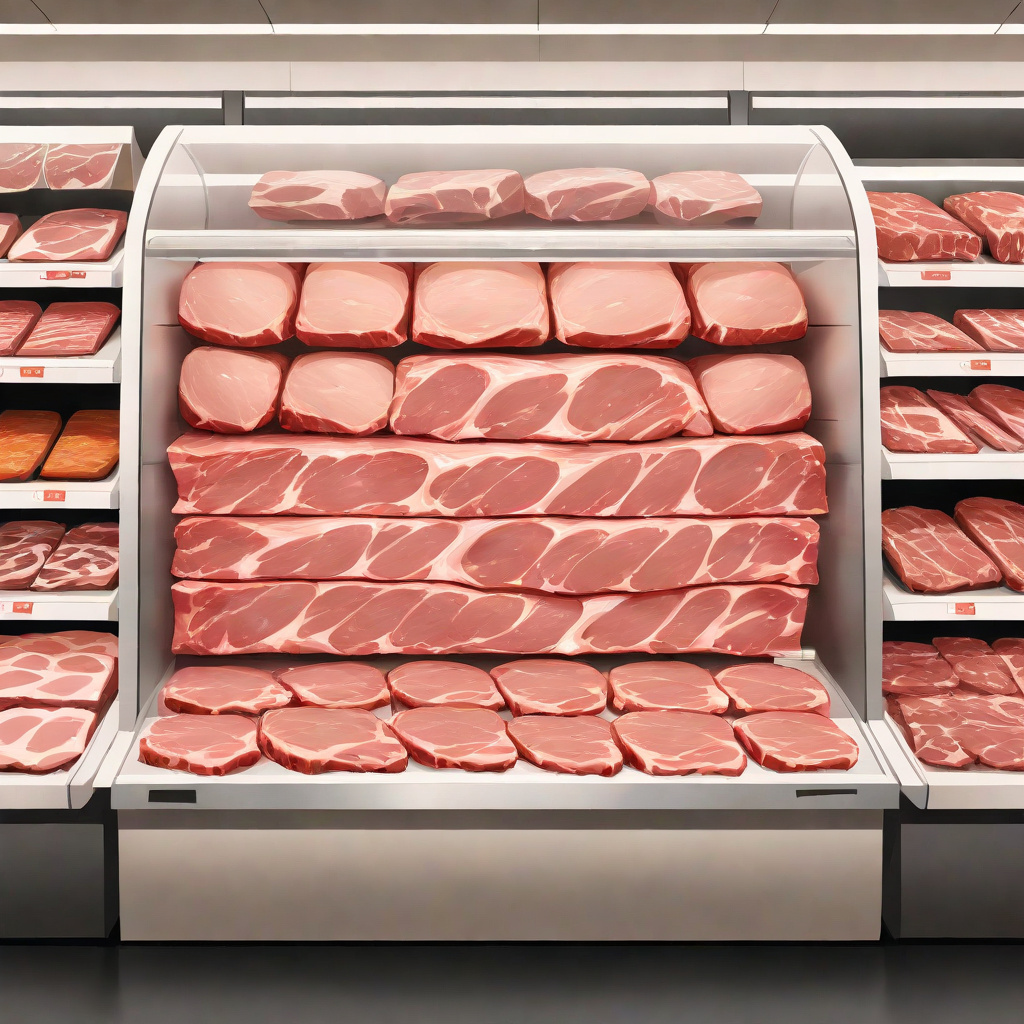
Walk down the meat aisle of your local supermarket, and you’ll likely spot something new nestled between the traditional ground beef and chicken breasts: the meat blend. This emerging trend is reshaping how consumers think about protein, offering a fusion of different meats and sometimes even plant-based ingredients in one convenient package. From beef-pork blends for juicier burgers to turkey-chicken combinations for leaner meatloaf, these blends are becoming grocery store staples for their versatility, flavor enhancement, and often, improved nutritional profiles.
Unlike single-source ground meat, blends are crafted with intention. Butchers and food scientists combine meats to balance fat content, improve texture, boost umami, or reduce cost without sacrificing quality. For home cooks, this means predictable results—a burger that stays juicy on the grill, meatballs that hold their shape, or a chili with deeper, more complex flavor. This trend isn’t just about convenience; it’s a response to growing consumer demand for variety, value, and culinary experimentation in everyday cooking.
What Exactly Is a Meat Blend?
At its core, a meat blend is a pre-mixed combination of two or more types of ground meat. The most common blends pair beef with pork, as the pork’s higher fat content (especially from shoulder cuts) keeps lean beef moist during cooking. Other popular combinations include beef and lamb for a gyro-like flavor, or chicken and turkey for an ultra-lean option. Some innovative blends go beyond animal proteins, incorporating mushrooms, lentils, or grains to extend the meat, add moisture, and introduce subtle earthy notes.
These aren’t random mixtures. Reputable producers use specific ratios and cuts to achieve consistent results. A typical “meatloaf mix” might be 50% beef, 30% pork, and 20% veal, chosen for their complementary textures and fat levels. The blending happens after grinding, ensuring even distribution. While you could create your own blend at the meat counter, the pre-packaged versions save time and guarantee the same ratio every time, removing guesswork from weeknight dinners.
The Driving Forces Behind the Trend
Several factors have converged to make meat blends a supermarket success story. First is the pursuit of better flavor and texture. Pure lean ground turkey can be dry; 100% beef chuck can shrink dramatically. Blends solve these problems inherently. Second is economic. Blending a small amount of pricier meat (like wagyu beef or heritage pork) with more affordable proteins allows consumers to experience premium flavors at a mid-range price point.
Health consciousness plays a role too. A blend of 85% lean beef and 15% finely chopped mushrooms reduces saturated fat and calories while adding fiber and umami, appealing to those seeking slightly healthier alternatives without switching entirely to plant-based options. Finally, culinary curiosity is a driver. After years of cooking with single-source ground meats, home cooks are eager for easy ways to elevate familiar dishes, and blends offer a simple, low-risk path to more interesting meals.
Popular Blends and Their Best Uses
Not all blends are created equal. Each combination has ideal applications based on its fat content, flavor profile, and binding properties.
- Beef & Pork (The Classic Blend): Often a 70/30 or 60/40 ratio. The pork (usually from the shoulder) adds fat and sweetness. Perfect for: Juicy burgers, meatballs, meatloaf, and stuffed peppers. The extra fat prevents dryness when cooked to well-done.
- Beef & Lamb (The Mediterranean Blend): Typically 80/20 beef to lamb. Lamb contributes a distinct, slightly gamey richness. Perfect for: Kebabs, Greek-style meatballs (keftedes), shepherd’s pie, and seasoned patties for pitas.
- Chicken & Turkey (The Lean Blend): A combination of ground chicken and turkey breast or thigh meat. Perfect for: Lighter meatloaf, chili, tacos, and lettuce wraps. It benefits from added moisture sources like grated vegetables or sauces.
- The “Umami” Blend (Beef & Mushrooms): Usually 70-80% beef blended with finely diced or powdered mushrooms. Perfect for: Burgers, Bolognese sauce, stuffed cabbage, and casseroles. The mushrooms retain water, keeping the cooked meat tender.
- The “Triple Blend” (Beef, Pork & Veal): The traditional meatloaf mix. Veal provides gelatin that helps bind and adds a delicate flavor. Perfect for: Meatloaf, pâtés, delicate meatballs, and fine-textured terrines.
Nutritional Considerations: Are Blends Healthier?
The health profile of a meat blend depends entirely on its components. A blend of lean chicken and turkey will be lower in saturated fat and calories than a beef-pork blend. However, many blends are designed for flavor and texture, not dietary optimization. It’s crucial to read the label. Check the fat percentage, which is often listed, and the ingredients list to see exactly what’s included.
Blends that incorporate plant-based ingredients like mushrooms, lentils, or oats can offer nutritional advantages, such as increased fiber, vitamins, and minerals, while reducing overall animal fat and cholesterol. For those monitoring sodium intake, note that some pre-seasoned or “value” blends may contain added salt or preservatives. As a rule, the most straightforward nutritional choice is an unseasoned blend of lean meats you recognize, or making your own at home where you control the ratios and cuts.
How to Cook with Meat Blends Successfully
Cooking with blends is straightforward, but a few tips ensure the best results. First, recognize that fat content dictates cooking method. High-fat blends (like beef-pork) are excellent for grilling, broiling, or pan-frying, as they can withstand high heat without drying out. Lean blends (chicken-turkey) are better suited for moist-heat methods like simmering in sauce, baking in a covered dish, or forming into patties that will be cooked in a pan with a bit of broth or oil.
Second, handle gently. Over-mixing or compacting the meat can make the final product dense and tough. Use your hands lightly to form patties or balls. Third, consider seasoning. Blends with lamb or pork may require less added fat or salty seasonings. Always do a small test cook (like a mini patty) to check flavor and seasoning before committing the whole batch. Finally, use a meat thermometer. Blends cook at different rates than single meats, and the only way to ensure both safety and ideal doneness is to check the internal temperature.
DIY Meat Blending: A Guide for Home Cooks
Creating your own blends gives you ultimate control. Start with cold meat and a cold grinder attachment or food processor blade. Partially freeze the meat chunks for 20 minutes; this keeps the fat from smearing. Choose your cuts wisely. For beef, chuck offers a good fat-to-lean ratio. For pork, shoulder (Boston butt) is ideal. For chicken, use thigh meat for moisture or combine breast and thigh.
Grind each meat separately using a medium die, then combine them in a large bowl. Use a folding motion with your hands or a spatula to mix just until incorporated—avoid stirring aggressively. A simple starter ratio is 2 parts lean meat to 1 part fattier meat (e.g., 2 lbs chuck to 1 lb pork shoulder). You can also add up to 20% by weight of finely chopped sautéed mushrooms or cooked lentils after grinding. Portion and use immediately, or freeze for up to three months.
Shopping Smart: How to Choose a Quality Blend
When selecting a pre-packaged blend, look beyond the catchy name. Turn the package over. The ingredients should list only the meats (e.g., “beef, pork”) and possibly natural preservatives like rosemary extract. Avoid blends with lengthy lists including “natural flavors,” excessive sodium, or fillers like textured vegetable protein unless that’s what you’re seeking. The fat content should be clearly stated; for general cooking, a blend with 15-20% fat is versatile.
Color is a clue. A fresh beef-pork blend should be a vibrant, cherry-red mix, not gray or brown. If buying from the service counter, ask the butcher about the source of the meats and the specific cuts used. Opt for blends that are ground in-store daily over pre-packaged ones that may have been sitting longer. Ultimately, trust your nose—fresh ground meat should have a mild, clean scent, not a sour or ammonia-like odor.
Beyond the Burger: Creative Recipe Ideas
While burgers are an obvious choice, meat blends shine in countless dishes. Try a beef-lamb blend for a deeply flavorful chili con carne. Use a chicken-turkey-mushroom blend as a filling for homemade pot stickers or dumplings. A triple blend makes an exceptional Italian-style ragù when slow-simmered with tomatoes and wine.
For a family-friendly twist, make “blended meatballs” using a beef-pork combo, bake them, and serve with a yogurt-dill sauce. Stuff a blend of seasoned ground chicken and turkey with spinach and feta into hollowed-out zucchini boats. The uniform texture and balanced fat of blends also make them ideal for meat pies, pasties, and stuffed pastas like ravioli, where moisture retention is key to a pleasing final bite.
The Future of Meat Blends
The trend is evolving beyond simple animal protein combinations. We’re seeing the rise of “hybrid” products that blend animal meat with a significant portion (30-50%) of plant proteins, targeting “flexitarians” who want to reduce but not eliminate meat consumption. There’s also growing interest in blends featuring underutilized or sustainable proteins, such as blended patties made from beef and regenerative bison, or poultry blends incorporating duck for richer flavor.
As technology advances, expect more customized blends tailored to specific dietary needs—like high-protein, low-fat blends for athletes, or blends with added collagen for joint health. The fundamental appeal, however, will remain: providing home cooks with a convenient, reliable, and flavorful protein source that takes the guesswork out of creating delicious, satisfying meals.
Culinary Science: Why Blends Create Superior Texture and Flavor
The magic of meat blends isn’t just culinary intuition—it’s grounded in food science. When different proteins are combined, their distinct compositions of myosin, actin, and connective tissue interact to create textures and moisture retention unattainable with a single source. For instance, pork shoulder contributes more saturated fat that remains solid at higher temperatures, acting like tiny internal basting pockets within a beef matrix, preventing the protein strands from squeezing out all their juices. This is why a 70/30 beef-pork burger can be cooked to medium-well and still remain succulent, where a 100% lean beef patty would become tough and dry.
Beyond fat, the varying pH levels of different meats play a crucial role. Chicken breast has a relatively high pH, which can lead to a dry, crumbly texture when cooked. Blending it with darker turkey thigh meat, which has more myoglobin and a slightly different protein structure, creates a more cohesive bind. This is especially important for applications like meatballs or sausage-style links where structural integrity is key. The enzymatic activity in certain meats, like the natural collagenase in pork, can also gently break down some tougher proteins in a lean beef blend during cooking, resulting in a more tender final product without the need for mechanical tenderizers.
Umami synergy is another scientific advantage. Beef is rich in inosinate, while mushrooms (a common plant-based blender) are packed with guanylate. When combined, these compounds create a synergistic effect, amplifying savory perception far beyond what either ingredient could achieve alone. This is why a beef-mushroom blend tastes “meatier” than plain beef. Food scientists are now mapping these interactions to create “optimized” blends, balancing not just fat percentages but specific amino acid profiles and nucleotide concentrations to target maximum flavor impact with minimal added salt or MSG.
Advanced Applications: Professional Techniques for Home Kitchens
Moving beyond basic substitution, skilled home cooks can leverage blends for specific technical challenges. One advanced technique is creating a “bound” blend for delicate farces. For a silky-smooth pâté or quenelles, start with your triple blend (beef, pork, veal) and pass it twice through the finest die of a grinder. Then, use a stand mixer with a paddle attachment to incorporate a “panade”—a paste of milk-soaked bread—on low speed. This develops the myosin proteins into a sticky, homogenous paste that will set to a firm, sliceable texture after baking, perfect for terrines.
Another pro method is the “hot grind” for superior sausage texture. Partially freeze your meat chunks, as usual, but reserve 25% of the fattier component (like pork back fat). Grind the lean meats and remaining fat through a 3/16″ die. Then, place this ground meat in the freezer while you dice the reserved back fat into 1/4″ cubes. Briefly pulse the diced fat in a food processor with your seasonings and any liquid (like wine or stock) until a coarse paste forms. Combine this paste with the semi-frozen ground meat by hand, working quickly to keep everything cold. This creates a distinct, juicy fat pocket distribution in the final cooked product, mimicking the texture of high-end charcuterie.
For grill masters, consider a “layered” blend for stuffed burgers. Instead of uniformly mixing, create two separate patties from different blends—say, a rich beef-pork patty and a leaner beef-mushroom patty—and press a filling (like blue cheese or sautéed onions) between them, sealing the edges thoroughly. The different fat render rates and moisture profiles of the two blends create a dynamic, multi-textural eating experience as you bite through the layers.
Global Inspirations: Traditional Blends from Around the World
The modern grocery store trend has deep roots in global culinary traditions. In South Africa, “boerewors” sausage is legally defined as containing at least 90% meat, but it must be a blend of beef and pork (or lamb and pork), seasoned with coriander, black pepper, nutmeg, and cloves. The specific ratio and coarse grind are essential to its characteristic snappy texture. Exploring this at home, a 60% beef chuck to 40% pork shoulder blend, coarsely ground and stuffed into casings, offers an authentic taste of this braai (barbecue) staple.
Across Southeast Asia, the foundation of many dumplings and meatballs is a finely minced blend of pork and shrimp. The pork provides fat and binding, while the shrimp adds a sweet brininess and a unique, bouncy texture due to its different muscle structure. A home-friendly version uses a 70/30 ratio of ground pork shoulder to finely chopped raw shrimp, bound with a bit of cornstarch and white pepper. Steamed or pan-fried, this blend is the secret to restaurant-quality shumai or wonton fillings.
In the Middle East, kibbeh nayeh (raw meat dish) traditionally uses a precise blend of extremely lean lamb (from the leg) and bulgur wheat. The meat is hand-chopped to a paste, not ground, and the bulgur is soaked and thoroughly mixed in. This isn’t just for extension; the bulgur’s starch and the lamb’s proteins create a smooth, spreadable consistency that holds its shape. A safe, modern adaptation for home use could involve a briefly seared blend of lamb and beef, finely chopped with soaked bulgur and spices, served as a “cooked kibbeh” salad.
Italian “polpette” (meatballs) often use a “lesser cuts” blend. Butchers might combine ground beef, veal, and pork, but also incorporate small amounts of finely chopped mortadella or prosciutto ends, regrinding everything together. This adds a layer of seasoned, cured fat that melts into the meatball during slow simmering in tomato sauce. Try adding an ounce of finely diced pancetta per pound of your standard beef-pork blend for a similar depth.
The Economics of Blending: Cost Analysis and Value Engineering
From a pure cost-per-pound perspective, blending is a form of culinary value engineering. Let’s break down a real-world example: A pound of 85/15 ground chuck might cost $5.99. A pound of ground pork shoulder is $3.99. A pre-packaged 70/30 beef-pork blend sells for $6.49. It seems the blend is more expensive than the cheaper component, but the math reveals the strategy. The blend’s price positions it as a premium product over basic pork, yet it’s cheaper than using 100% premium beef to achieve similar juiciness. The producer uses the lower-cost pork to improve the functionality (moisture) of the mid-tier beef, creating a product that performs like premium beef at a mid-tier price.
For the home cook, DIY blending unlocks even greater value. Purchasing a whole pork shoulder on sale at $1.99/lb, breaking it down, and grinding it yourself provides the fat component at a fraction of the cost of pre-ground pork. Blending it 30% by weight with $5.99/lb ground chuck creates a superior blend for approximately $4.79/lb—a significant saving over the pre-packaged $6.49 version, with complete control over cuts and freshness. This “butcher math” empowers shoppers to eat better for less.
The economics shift when incorporating premium or exotic meats. Blending 20% ground lamb ($8.99/lb) with 80% ground beef ($5.99/lb) creates a Mediterranean-style blend at a cost of about $6.39/lb. This allows the distinctive lamb flavor to elevate a dish without the sticker shock of an all-lamb recipe. Similarly, blending 10% finely chopped dry-aged beef trim (often available cheaply from a butcher’s scrap bin) into 90% fresh ground chuck can impart a profound, nutty complexity to burgers for mere pennies of added cost.
For budget-conscious and health-conscious shoppers, the “extension” blends offer the clearest economic benefit. Adding 1 cup of cooked, finely chopped lentils (costing about $0.20) to 1 pound of ground turkey ($4.99) increases the total yield by nearly 25% for just a 4% cost increase. The lentils absorb flavors and add moisture, making the lean turkey more satisfying and stretching it into an extra serving for soups, tacos, or casseroles.
Storage, Handling, and Food Safety: Beyond the Basics
Handling multi-source meat blends requires heightened food safety awareness. The primary risk is cross-contamination within the product itself. If a blend contains poultry and red meat, the safe cooking temperature is dictated by the poultry: 165°F (74°C). This means a beef-chicken blend must be cooked well-done, which could overcook the beef component if not managed carefully. The solution is to use a reverse-sear or sous-vide method: cook the blend to 155°F (68°C) and hold it at that temperature for several minutes to achieve the same pathogen reduction as a momentary 165°F, resulting in a juicier, more tender final product.
Storage timelines differ from single-meat grounds. Because blending increases surface area and mixes bacteria from different sources, its “clock” starts ticking faster. Treat a fresh store-bought or homemade blend with a 24-hour “use-by” window for raw consumption applications (like tartare-style preparations, if using ultra-fresh, trusted meat). For cooked applications, it should be used within 2 days of grinding or purchase. For freezing, the blended state can lead to faster oxidation and flavor transfer between the fats. Vacuum sealing is highly recommended over standard freezer bags. Portion tightly wrapped blends inside a second sealed container to prevent “freezer taste” from the more delicate fats (like pork or lamb) migrating.
Thawing requires extra caution. Never thaw a blend at room temperature. The varied densities and thermal conductivities of the different meats can create pockets where bacteria thrive while other areas are still frozen. The only safe methods are in the refrigerator (allow 24 hours per 2 lbs) or using the cold-water bath method (sealed in a leak-proof bag, changing water every 30 minutes). Once thawed, do not re-freeze raw blends, as the ice crystals have already damaged cell structures, releasing more fluids that foster bacterial growth upon second thawing.
When judging freshness, rely on multiple senses. Color is less reliable in a blend—a beef-pork mix may have pink and red marbling that can mask early graying. The primary indicator should be smell: a faint, clean, metallic scent is normal; any sour, sweet, or ammonia-like note means it’s spoiled. Touch is also telling. Fresh ground meat should be cold and slightly tacky, not slimy. If the blend leaves a slippery residue on your fingers or the packaging, it’s past its prime.
Troubleshooting Common Blend Cooking Problems
Even with a quality blend, things can go awry. Here’s how to diagnose and fix common issues.
Problem: The blend is too crumbly and won’t hold shape for burgers or meatballs.
Likely Cause: Too lean overall, or the proteins weren’t adequately bound. Myosin, the primary binding protein, needs both moisture and mechanical action to develop.
Solution: For immediate rescue, add a “binder” per pound of meat: 1 egg yolk, 2 tablespoons of panade (bread and milk), or 1 tablespoon of mayonnaise. Mix gently but thoroughly until the mixture becomes sticky. For future batches, ensure your blend has at least 15-20% fat, and mix the ground meats together more vigorously before forming. Alternatively, a brief “smear” technique: take a quarter of the mixture and rub it against the side of the bowl with the back of a spoon until it becomes a paste, then fold it back into the rest.
Problem: The cooked blend is greasy and shrinks excessively.
Likely Cause: Too high a proportion of very soft fat (like pork belly instead of shoulder) or cooking at too low a temperature, causing the fat to render out slowly and pool rather than basting the meat.
Solution: For a high-fat blend, use a two-stage cooking method. Start on a screaming-hot surface (grill, cast iron) to quickly sear the exterior and “seal” the patty or meatball, then finish at a moderate temperature (350°F oven) to cook through. This allows some fat to render internally without全部 leaking out. Always make a small indentation in the center of burgers to account for inevitable shrinking and create an even thickness.
Problem: The flavor is muddy or bland, not a harmonious blend.
Likely Cause: The individual flavors are canceling each other out, or seasonings weren’t adjusted for the new fat and moisture content.
Solution: Boost high-impact aromatics. Sauté your onions, garlic, or spices before mixing them into the raw blend to develop their flavors. For every pound of blend, increase salt by about 5% compared to a single-meat recipe, as the increased surface area and fat can dull seasoning perception. Add an “anchor” flavor that complements both meats—like smoked paprika for a beef-pork blend, or fresh mint for a lamb-beef blend. Always cook a tiny test portion to adjust seasoning before committing the whole batch.
Problem: Uneven cooking—some parts are dry, others are underdone.
Likely Cause: Inconsistent grind size or uneven mixing, creating denser pockets of one meat type that cook at a different rate.
Solution: Ensure all components are ground to the same size (a medium die is best for most applications). When mixing, use a folding and turning motion for at least 60 seconds to ensure homogeneity. For patties or loaves, aim for a uniform thickness. Use a meat thermometer in multiple spots, especially in the geometric center and near any seams if you’ve stuffed the blend.
Sustainability and Ethical Sourcing Considerations
The blending trend intersects with conscientious consumption in nuanced ways. On one hand, blending can be a tool for reducing food waste and utilizing the whole animal. Butchers can incorporate “trim”—perfectly good, flavorful pieces left over from cutting steaks or roasts—into ground blends. This includes tougher but flavorful cuts like beef clod or pork sirloin flap, which benefit from being ground and mixed with fattier trimmings. Seeking out blends from butchers who advertise “whole animal utilization” or “nose-to-tail” grinding supports more sustainable meat production.
Ethical sourcing becomes more complex with multiple proteins. A blend labeled “grass-fed beef and pasture-raised pork” requires verifying two separate supply chains. Look for third-party certifications on each component, or shop from a trusted local farm that raises both animals. Some producers are now creating “regenerative blends,” combining meats from farms practicing rotational grazing and soil-building techniques. While premium, these blends channel consumer dollars toward agricultural systems that actively improve environmental health.
For the climate-conscious, blending offers a middle path. Research from institutions like the World Resources Institute suggests that “blended” products (meat-plant combinations) can significantly reduce the carbon and water footprint of a meal compared to an all-animal protein dish, while being more readily accepted by consumers than fully plant-based alternatives. Choosing a blend with 30% mushrooms or lentils can reduce the meal’s greenhouse gas emissions by 20-30%, a tangible impact without a drastic dietary shift.
Finally, consider the ethics of transparency. Some “value” blends may mix meats from different countries with varying animal welfare standards. A package might say “Product of USA,” but if it contains imported lamb or pork, the label may not be required to specify. The most ethical choice is often to buy single-source, ethically raised meats and blend them yourself, or to develop a relationship with a butcher who can detail the origin of every component in their house blend. This ensures your culinary experimentation aligns with your values.
Frequently Asked Questions (FAQ)
1. Are pre-packaged meat blends safe to eat?
Yes, commercially prepared meat blends from reputable grocery stores are subject to the same USDA safety inspections and handling standards as other ground meats. Always check the sell-by date, ensure the packaging is intact and cold, and cook to the recommended safe internal temperature (160°F for beef, pork, and lamb blends; 165°F for poultry blends). As with any ground meat, practice good kitchen hygiene to prevent cross-contamination.
2. Can I substitute a meat blend in any recipe calling for ground meat?
In most cases, yes, you can substitute a blend one-for-one for ground beef, turkey, or chicken. The main considerations are fat content and flavor. A richer beef-pork blend may render more fat, so you might need to drain excess grease after browning. A lean poultry blend may require adding a tablespoon of oil or broth to the pan to prevent sticking. The flavor profile will change subtly, so consider if the new flavors complement the other ingredients in your recipe.
3. Do meat blends freeze well?
Meat blends freeze very well. For best quality, freeze them as soon as possible after purchase or preparation. Portion into quantities you typically use (e.g., 1-pound packages), wrap tightly in plastic wrap or freezer paper, and place in a sealed freezer bag, pressing out all air. Label with the date and contents. Use within 3-4 months for optimal flavor and texture. Thaw safely in the refrigerator overnight, not on the counter.
4. How does the price of a blend compare to single ground meats?
Meat blends are typically priced between premium single-ground meats (like grass-fed beef) and the most economical options. A beef-pork blend often costs less than pure ground sirloin but slightly more than basic ground chuck. Their value comes from the enhanced eating experience and consistency they provide. Blends that include plant-based extenders like mushrooms are often priced lower than all-meat counterparts, offering cost savings.
5. I have dietary restrictions. What should I look out for?
Carefully read the ingredient label. Blends may combine meats from different animals, which is important for those with specific allergies or religious dietary laws. Some blends may contain added gluten (as a binder), soy, or dairy. If you follow a halal or kosher diet, look for appropriate certification on the package, as the blending of different meats has specific guidelines. For low-sodium diets, choose unseasoned blends, as seasoned versions can be high in salt. When in doubt, consult the store’s butcher or consider making your own blend from separately purchased, certified meats.
Related posts:
 High-Protein Foods That Pack a Serious Nutritional Punch
 Vegan Pork Recipe: Plant-Based Twist on a Classic
 Alternative Meat Guide
 Exploring American Cuisine
 Delicious Ground Chicken Recipes
 Beyond Breakfast: The Plant-Based Sausage That’s Changing the Morning Game
 The Complete Guide to Buying Deli Meat, According to an Expert
 Keto Mexican Night: Cauliflower Enchiladas That Actually Taste Amazing