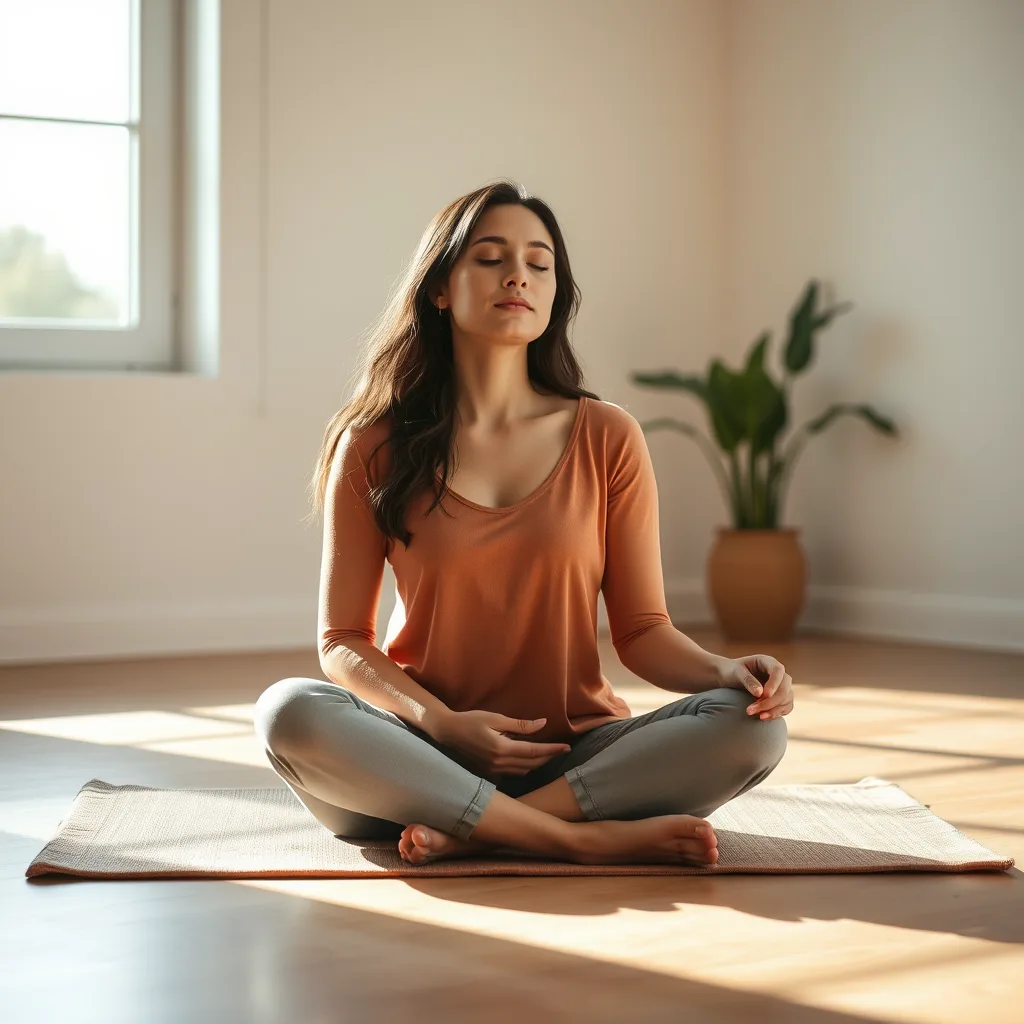
Feeling the constant churn of thoughts, a racing heartbeat, or a knot in the stomach? Anxiety can hijack your day, but meditation offers a practical, science‑backed way to restore calm. Below you’ll find a step‑by‑step guide to eight meditation techniques, how to set up a supportive environment, and tips for turning these practices into lasting habits.
Key takeaways
- Practice consistent, short sessions daily to shift your nervous system from fight-or-flight into a relaxed, parasympathetic state.
- Use breath awareness, body scans, or mantra repetition to anchor your focus and create distance from intrusive, anxious thoughts.
- Integrate micro-meditations like box breathing or mindful walks into your busy schedule for immediate stress relief.
- Anchor your new meditation habit to existing routines, such as morning coffee, to ensure long-term consistency and progress.
1. Understanding Anxiety and the Role of Meditation
Anxiety is the brain’s alarm system. When it over‑reacts, it triggers the sympathetic nervous system, releasing cortisol and adrenaline. While short bursts are useful for danger, chronic activation keeps the body in a state of fight‑or‑flight. Meditation works by gently shifting the nervous system toward the parasympathetic branch, encouraging relaxation, improving emotional regulation, and strengthening the prefrontal cortex – the part of the brain responsible for executive control.
Research from Harvard Medical School and the American Psychological Association shows that regular meditation can reduce self‑reported anxiety by up to 40 % and lower physiological markers such as heart‑rate variability. The key is consistency and choosing a technique that feels natural for you.
2. Preparing Your Space and Mindset
Before you sit, create a simple, distraction‑free zone. You don’t need a dedicated room; a corner of a bedroom or a quiet spot on a balcony works fine.
- Lighting: Dim natural light or a soft lamp reduces visual stimulation.
- Sound: Use a white‑noise app, gentle instrumental music, or simply the hum of a fan.
- Comfort: Sit on a cushion, chair, or lie down if that feels safer for your body.
- Intent: Take a moment to state a clear intention, e.g., “I am allowing my mind to settle.” This mental cue signals the brain that you are entering a focused state.
Set a timer for the desired length (start with 5–10 minutes). Knowing the session will end prevents the mind from wandering to time‑keeping concerns.
3. Breath Awareness Meditation
Breath awareness is the most accessible entry point. It anchors attention to the present moment and directly influences the autonomic nervous system.
- Sit upright with shoulders relaxed.
- Close your eyes gently.
- Take a slow inhale through the nose for a count of four, feeling the belly expand.
- Hold the breath for a count of two.
- Exhale through the mouth for a count of six, noticing the release of tension.
- Repeat the cycle, returning attention to the sensation of air entering and leaving the nostrils whenever the mind drifts.
Practical tip: If thoughts become overwhelming, label them “thinking” and return to the breath. This labeling creates a slight psychological distance, reducing emotional intensity.
4. Body Scan Meditation
A body scan systematically brings awareness to each part of the body, helping release muscular tension that often fuels anxiety.
- Lie down on a yoga mat or sit comfortably with a straight spine.
- Begin at the toes. Notice any sensations – warmth, tingling, or pressure – without judgment.
- Slowly travel upward, pausing for 3–5 seconds on each region: feet, calves, knees, thighs, pelvis, abdomen, chest, hands, arms, shoulders, neck, and finally the head.
- If you encounter discomfort, breathe into that area, imagining each exhale as a wave of relaxation.
Typical sessions last 15–20 minutes, but you can compress the scan to 5 minutes by focusing on major zones (legs, torso, arms, head).
5. Loving‑Kindness (Metta) Meditation
Metta cultivates compassionate feelings toward yourself and others, counteracting the self‑critical loop that often accompanies anxiety.
- Sit comfortably and close your eyes.
- Generate a feeling of warmth in your chest.
- Silently repeat phrases such as “May I be safe, may I be calm, may I be free from anxiety.”
- After a few minutes, expand the wish to a loved one, then a neutral person, and finally to all beings.
Actionable guidance: Write the phrases on a sticky note and place it on your desk. Reading them during a stressful moment reinforces the practice.
6. Guided Visualization for Calm
Visualization uses mental imagery to activate the brain’s relaxation pathways. Imagine a place where you feel safe – a beach, forest, or quiet room.
- Step 1: Close your eyes and take three deep breaths.
- Step 2: Picture the scene in vivid detail: colors, sounds, smells, textures.
- Step 3: Notice how your body feels in this imagined environment – perhaps lighter, more relaxed.
- Step 4: When thoughts intrude, gently guide them back to the scene without criticism.
Use a free app such as Insight Timer or a short YouTube guided meditation if you prefer a voice cue.
7. Mindful Movement: Yoga and Walking Meditation
Movement‑based meditation integrates breath, body awareness, and mindfulness, which can be especially helpful for restless anxiety.
Yoga Flow for Anxiety
- Child’s Pose – 1 minute, focusing on the rise and fall of the belly.
- Cat‑Cow Stretch – 5 rounds, synchronizing each arch and round with breath.
- Standing Forward Fold – 30 seconds, allowing the head to hang and release neck tension.
- Legs‑Up‑the‑Wall – 3 minutes, a gentle inversion that promotes parasympathetic activation.
Walking Meditation
Choose a quiet path. With each step, notice the contact of the foot with the ground, the shifting weight, and the rhythm of your breath. Count steps silently (1‑2‑3‑4) and repeat. A 10‑minute walk can reset the nervous system as effectively as a seated meditation.
8. Short Micro‑Meditations for Busy Days
When you have only a minute, micro‑meditations keep the practice alive.
- Box Breathing (4‑4‑4‑4): Inhale 4 seconds, hold 4, exhale 4, hold 4. Repeat four cycles.
- Three‑Scent Reset: Inhale the scent of a citrus essential oil, focus on the aroma for three breaths, then exhale slowly.
- Hand‑Focus Pause: Place your palms together, press gently, and notice the warmth for 30 seconds.
These techniques can be performed at a desk, in a bathroom line, or while waiting for a coffee.
9. Building a Sustainable Practice
Consistency beats intensity. Here are three evidence‑based strategies to turn meditation into a habit:
- Anchor to an Existing Routine: Meditate right after brushing your teeth or before your morning coffee. The existing cue triggers the new behavior.
- Start Small, Scale Gradually: Begin with 5 minutes, add one minute each week until you reach 20 minutes.
- Track Progress: Use a journal or a habit‑tracking app. Note the date, duration, technique, and any shift in mood. Seeing patterns reinforces motivation.
Remember that meditation is a skill, not a performance. Some days will feel “blank,” others will be vivid. Both are valid.
10. Mantra and Sound‑Based Meditation for Calming the Anxious Mind
While breath‑centered practices dominate introductory guides, repeating a word, phrase, or tone can create a different neural rhythm that quiets the default‑mode network—the brain region that fuels rumination. Mantra meditation works by giving the mind a concrete auditory anchor, reducing the bandwidth for catastrophic thoughts.
Choosing a mantra: Select a word that feels neutral yet resonant. Traditional options include “Om,” “Peace,” or a simple syllable like “Sa‑Ta‑Na.” If you prefer a secular approach, pick a phrase that encapsulates your intention, such as “I am steady.” Write the mantra on a small card and keep it beside your meditation cushion as a visual cue.
Step‑by‑step routine:
- Sit upright, shoulders relaxed, eyes half‑closed.
- Take three deep inhales, exhaling completely to release tension.
- Begin silently repeating the mantra on each exhale, allowing the sound to linger for a beat before the next repetition.
- If thoughts intrude, note them briefly (“thinking,” “worry”) and gently return to the mantra without judgment.
- After five minutes, gradually lengthen the silence between repetitions until you notice a natural pause. End the session by inhaling deeply, opening your eyes, and noting any shift in heart rate or mental clarity.
Sound meditation variations:
- Binaural beats: Use headphones to play frequencies that differ slightly between ears (e.g., 210 Hz left, 215 Hz right). The brain synthesizes a third tone that can entrain brainwaves toward the alpha (8‑12 Hz) range, a state associated with relaxed alertness.
- Crystal singing bowls: Strike a bowl gently and let the resonance fade. Align your breath with the vibration, inhaling as the sound swells and exhaling as it diminishes.
- Nature sound loops: Ocean surf, rain, or forest canopy provide a non‑intrusive auditory backdrop that can be especially soothing for people who find complete silence unsettling.
Edge cases: If you have a history of auditory hallucinations, start with low‑volume nature sounds rather than tonal drones. For those who feel self‑conscious chanting aloud, keep the mantra internal; the brain registers the vibration even when silent.
Integrating mantra or sound meditation a few times per week adds a complementary pathway to the breath‑based techniques already described, diversifying the sensory cues that your nervous system can latch onto for calm.
11. Mindful CBT Integration: Using Meditation to Enhance Cognitive Restructuring
Cognitive‑behavioral therapy (CBT) teaches you to identify distorted thoughts and replace them with balanced alternatives. When you pair CBT with mindfulness, the restructuring process becomes less reactive and more observational, allowing you to catch the thought before it spirals.
Hybrid exercise: Thought‑Labeling with Acceptance:
- Begin with a brief body‑scan (2 minutes) to ground yourself.
- Shift attention to the stream of thoughts for the next 5 minutes. Each time a worry appears, label it (“catastrophizing,” “overgeneralizing”).
- After labeling, pause and ask: “What evidence supports this thought? What evidence contradicts it?” Write the two columns in a notebook.
- Conclude by returning to the breath, noting any emotional shift.
This sequence mirrors the CBT worksheet but adds a mindfulness pause that reduces emotional intensity, making the rational analysis easier.
Practical implementation in daily life:
- Morning check‑in: Spend five minutes after waking labeling the first three thoughts that arise. Use the labeling to decide whether you’ll challenge them later or let them pass.
- Mid‑day reset: When a work email triggers anxiety, perform a 30‑second “anchor breath” (inhale for 4, exhale for 6) before opening the message. This short mindfulness break creates a buffer that reduces impulsive reactions.
- Evening reflection: After dinner, review a CBT worksheet for a recurring anxiety theme, then close with a 3‑minute gratitude meditation to reinforce positive neural pathways.
Edge cases: Clients with severe trauma may find direct thought analysis retraumatizing. In those cases, focus on “observing without judgment” for longer periods before introducing cognitive challenges. The therapist can gradually increase the cognitive load as tolerance builds.
By weaving mindfulness into the CBT framework, you create a feedback loop: meditation lowers arousal, CBT provides concrete restructuring, and the reduced arousal makes CBT more effective.
12. Leveraging Biofeedback and Wearable Tech to Optimize Your Practice
Modern wearables can translate physiological signals—heart‑rate variability (HRV), skin conductance, respiration rate—into real‑time feedback. When you see a visual representation of your nervous system calming, the brain receives an additional reward signal, reinforcing the meditation habit.
Choosing the right device:
- HRV‑focused bands (e.g., Elite HRV, Whoop) provide a numeric score that rises as parasympathetic tone increases.
- Chest‑strap monitors (e.g., Polar H10) deliver the most accurate heart‑rate data for breath‑sync exercises.
- Smartwatches (Apple Watch, Garmin) include built‑in stress‑monitoring apps that estimate sympathetic activity from heart‑rate variability and skin temperature.
Integrating feedback into a session:
- Start with a baseline reading for two minutes of normal breathing.
- Transition to a chosen meditation (e.g., box breathing). Observe the HRV trend; a gradual rise indicates successful vagal activation.
- If the metric plateaus or drops, adjust the technique: lengthen the exhale, add a body‑scan, or switch to a sound meditation.
- End the session by noting the peak HRV value and the duration it was maintained.
Case study example: Maya, a software engineer, struggled with midday spikes in cortisol. She paired a 5‑minute breath‑focus with her smartwatch’s “Stress Score.” When the score rose above 70, she triggered a micro‑meditation (4‑4‑4‑4 box breathing). Over four weeks, her average stress score dropped by 15 % and her self‑reported anxiety rating fell from 8/10 to 4/10.
Edge considerations:
- Data overload can become a new source of anxiety. Set a single metric to track (HRV is most reliable) and review trends weekly rather than after every session.
- Wearable sensors may misread during intense movement; pause recordings during yoga flows or walking meditations to avoid artifacts.
When used mindfully, biofeedback turns abstract physiological changes into concrete, visual progress, motivating continued practice.
13. Tailoring Meditation for Different Life Stages and Situations
One‑size‑fits‑all rarely works with anxiety because physiological and psychological needs shift across the lifespan. Below are three common populations and how to adapt meditation to their unique contexts.
Children and early adolescents (6‑14 years):
- Short, playful formats: Use “bubble breathing” where each exhale is imagined as a bubble floating away. Keep sessions under 5 minutes.
- Guided storytelling: Combine visualization with a simple narrative (“You are a brave explorer in a calm forest”). This leverages imagination to hold attention.
- Movement integration: Incorporate “mindful animal walks” (e.g., crawling like a cat, stomping like an elephant) to channel restless energy.
Older adults (65+ years):
- Sitting‑friendly postures: Use a sturdy chair with back support; avoid prolonged floor‑based poses.
- Sensory grounding: Emphasize tactile cues (holding a warm cup, feeling a soft blanket) to compensate for age‑related auditory or visual decline.
- Memory‑supportive scripts: Provide printed cue cards with step‑by‑step instructions to reduce reliance on working memory.
Pregnant individuals:
- Pelvic‑centered breathing: Place hands on the lower abdomen and focus on the rise and fall of the belly, which also promotes uterine blood flow.
- Gentle visualizations: Imagine a nurturing light surrounding the growing baby, fostering attachment and reducing prenatal anxiety.
- Safety check: Avoid inversions or prolonged lying on the back after the second trimester; opt for side‑lying or seated meditations.
Trauma‑survivor considerations:
- Start with grounding before meditation: 5‑4‑3‑2‑1 sensory scan to ensure the person feels safe in the present.
- Prefer body‑scan variants that focus on neutral sensations (temperature, pressure) rather than deep muscle release, which can trigger dissociation.
- Allow the option to keep eyes open and gaze softly at a fixed point.
By matching the meditation format to developmental stage, physical condition, or trauma history, you increase the likelihood that the practice will be perceived as supportive rather than stressful.
14. Overcoming Common Barriers: Strategies for Stubborn Distraction, Physical Discomfort, and Time Scarcity
Even seasoned practitioners encounter obstacles that feel insurmountable. Below are evidence‑based workarounds that keep the practice moving forward.
1. Persistent mental chatter:
- Label‑and‑let‑go 2.0: Instead of a single label, create a hierarchy—“planning,” “worry,” “rumination.” Each time the same category repeats, gently increase the exhale length by one second, turning the breath into a subtle counter‑measure.
- External anchor: Hold a smooth stone or a small piece of fabric. The tactile cue provides a secondary focus that can quiet the internal monologue.
2. Physical pain or restlessness:
- Progressive micro‑relaxation: Instead of a full body scan, spend 30 seconds on each major joint, consciously releasing tension. This shortens the session while still addressing discomfort.
- Adaptive seating: Use a meditation bench, a rolled‑up towel, or a stability ball to accommodate spinal curvature or hip tightness.
3. Time constraints:
- Stacked micro‑sessions: Break a 20‑minute goal into four 5‑minute slots spread across the day (e.g., after waking, mid‑morning, afternoon, before bed). The cumulative effect equals a single longer session.
- Trigger‑based meditation: Pair a routine activity (e.g., waiting for the kettle to boil) with a 60‑second breath focus. Over time, the habit builds without carving out dedicated time.
4. Perceived lack of progress:
- Quantitative journaling: Record a simple 1‑10 rating of calmness before and after each session. Graph the scores weekly to visualize trends that may be invisible day‑to‑day.
- Peer accountability: Join a virtual meditation circle where members share a one‑sentence reflection after each meeting. Social reinforcement combats the illusion of stagnation.
5. Emotional overwhelm during practice:
- Safety‑first pause: If anxiety spikes, shift immediately to a grounding exercise (e.g., press feet firmly into the floor, count 1‑10, then resume meditation).
- Gradual exposure: Begin with 2‑minute sessions focusing solely on the exhale, then incrementally add inhalation and body awareness as tolerance builds.
These tactics can be mixed and matched; the key is to treat each barrier as a variable to be adjusted rather than a fixed roadblock.
15. Tracking Progress and Measuring Impact: From Subjective Journals to Objective Biometrics
Without feedback, it’s easy to assume the practice isn’t working, especially when anxiety feels entrenched. A structured tracking system converts vague feelings into concrete data, motivating continued effort.
Subjective metrics:
- Daily Mood Rating: Use a 0‑10 Likert scale for anxiety, calmness, and irritability. Record three times daily (morning, midday, evening) to capture fluctuations.
- Thought Log: Write down the most vivid anxiety thought each day, then note any shift in its intensity after meditation (e.g., “Thought intensity: 8 → 5”).
- Session Reflection Prompt: “What physical sensation changed during the practice?” This encourages body awareness and reinforces the mind‑body connection.
Objective metrics:
- Heart‑Rate Variability (HRV): Measure baseline HRV each morning. After a week of consistent meditation, compare the weekly average. A 5‑10 % increase often correlates with reduced anxiety.
- Cortisol Saliva Tests: For those seeking clinical validation, collect saliva samples before and after a 4‑week meditation program. Expect a modest drop (5‑15 %) if adherence is ≥5 days/week.
- Sleep Quality: Track total sleep time and sleep efficiency via a wearable or a sleep‑tracking app. Improved parasympathetic tone typically yields deeper REM cycles.
Integrating data into a personal dashboard:
- Use a spreadsheet with columns for date, meditation technique, duration, HRV, mood scores, and notes.
- Apply conditional formatting: green for days with HRV increase, red for drops, helping you spot patterns at a glance.
- Set a monthly review reminder. During the review, ask: “Which technique yielded the highest HRV?” and adjust the weekly schedule accordingly.
Case example: Alex, a graduate student, recorded a 7‑minute mantra session each night. Over eight weeks, his average HRV rose from 45 ms to 58 ms, and his self‑rated anxiety dropped from 7/10 to 3/10. The data convinced him to extend sessions to 12 minutes, further solidifying the habit.
Combining subjective reflections with objective biomarkers creates a feedback loop that not only validates the calming effects of meditation but also guides fine‑tuning of the practice for maximal anxiety reduction.
FAQ
Q1: How often should I meditate to notice a reduction in anxiety?
Most studies suggest a minimum of 10 minutes a day, five days a week, for at least three weeks to observe measurable changes in self‑reported anxiety and physiological markers. Consistency is more important than occasional long sessions.
Q2: Can meditation replace medication or therapy?
Meditation is a complementary tool. It can enhance the effectiveness of therapy and, for some, reduce the need for higher medication doses, but it should not replace professional treatment without consulting a healthcare provider.
Q3: I get bored quickly. How can I stay engaged?
Rotate techniques every few weeks, set a clear intention, and use guided recordings when you feel stuck. Boredom often signals that the mind needs a fresh stimulus rather than a problem with the practice itself.
Q4: My mind races with catastrophic thoughts during meditation. What should I do?
Label the thoughts (“worry,” “planning”) and gently return to the anchor (breath, body sensation). If the intensity spikes, shift to a grounding technique like the 5‑4‑3‑2‑1 sensory exercise before resuming.
Q5: Is it safe to meditate while experiencing a panic attack?
Yes, but choose a calming technique such as breath awareness with a longer exhale or a body‑scan focused on the feet. If the panic escalates, seek a safe environment, practice grounding, and consider contacting a mental‑health professional.
Related posts:
 Breathing Exercise for Better Sleep
 60 Meditation Exercises and Activities to Relieve Stress & Anxiety
 HRV Score Explained
 The Breathing Techniques That Science Says Guarantee Happiness
 Guide to Starting a Daily Meditation Habit
 PHA Bodyweight Workout: Efficient Fitness Anywhere, Anytime
 Diverse Voices in Meditation
 Self Love Mantras