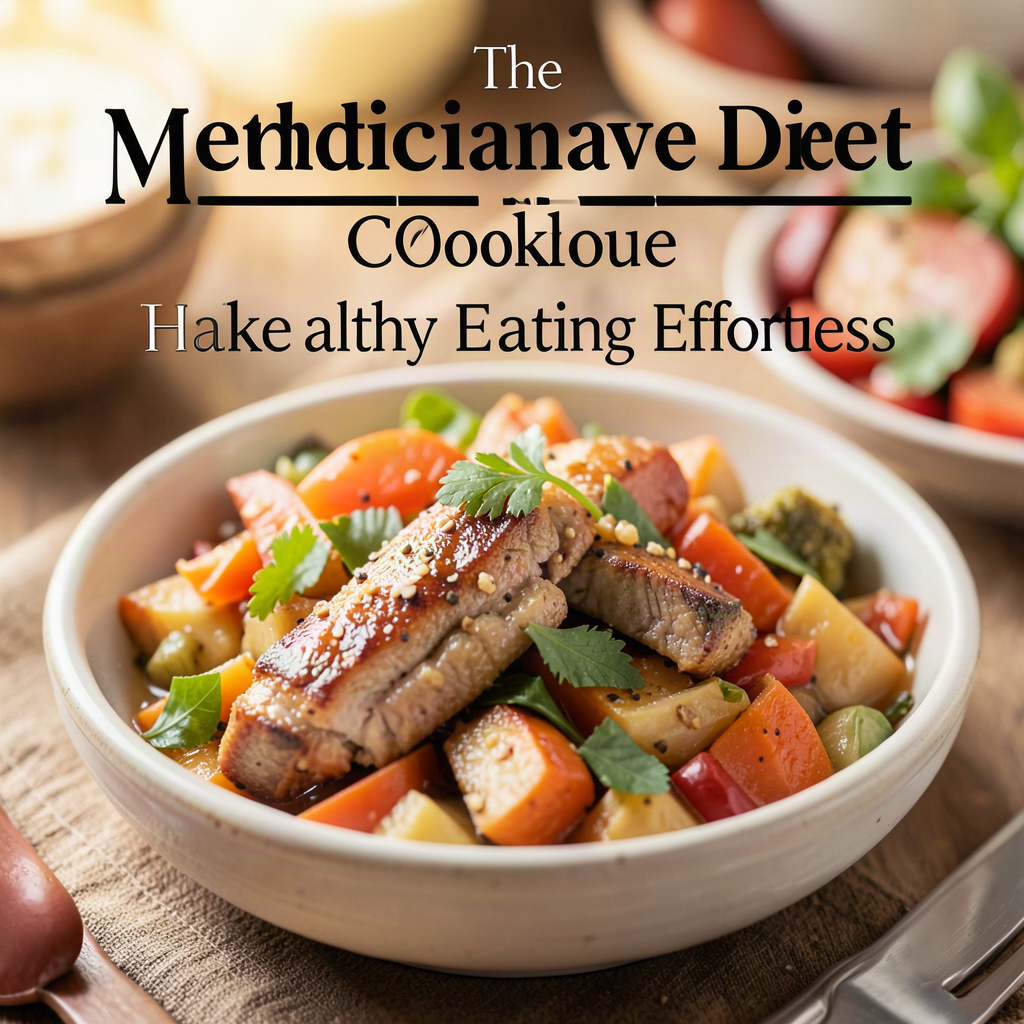
Eating well doesn’t have to feel like a constant juggling act. The Mediterranean diet, celebrated for its heart‑healthy fats, abundant vegetables, and flavorful herbs, offers a flexible framework that can be turned into a practical cookbook for everyday life. This guide walks you through the core principles, pantry staples, quick‑start recipes, and smart planning tricks that turn the Mediterranean way of eating into an effortless habit.
Key takeaways
- Stock your kitchen with extra-virgin olive oil, whole grains, canned legumes, and flavor boosters like capers and olives.
- Save time by batch-cooking core ingredients like quinoa and roasted vegetables on weekends for quick weekday meal assembly.
- Prioritize plant-based proteins, fish, and poultry while reserving red meat for occasional enjoyment to support heart health.
- Use cooking methods like steaming, grilling, and roasting to preserve nutrients and enhance the natural flavors of fresh produce.
- Align your menu with seasonal produce to ensure peak flavor, better nutrition, and a lower environmental footprint.
Understanding the Mediterranean Diet Basics
The Mediterranean diet is less a strict regimen and more a collection of eating patterns that have been refined over centuries in countries bordering the Mediterranean Sea. Its foundation rests on three pillars:
- Plant‑forward meals: vegetables, fruits, whole grains, legumes, nuts, and seeds dominate the plate.
- Healthy fats: extra‑virgin olive oil, olives, and modest amounts of nuts provide monounsaturated fats.
- Lean protein sources: fish, seafood, poultry, and dairy (primarily cheese and yogurt) appear in moderate portions, while red meat is reserved for occasional enjoyment.
Spices, herbs, and citrus add depth without relying on heavy sauces or excessive salt. The diet also encourages mindful eating, shared meals, and regular physical activity.
Stocking Your Kitchen for Success
Before you dive into recipes, set up a Mediterranean‑friendly pantry. Having the right staples on hand removes the guesswork and speeds up meal assembly.
- Oils and vinegars: extra‑virgin olive oil, red‑wine vinegar, balsamic vinegar, and sherry vinegar.
- Grains and legumes: whole‑grain couscous, bulgur, farro, brown rice, quinoa, canned chickpeas, lentils, and dried beans.
- Herbs and spices: dried oregano, thyme, rosemary, basil, smoked paprika, cumin, and a good sea salt.
- Flavor boosters: capers, sun‑dried tomatoes, kalamata olives, anchovies, and a jar of high‑quality tomato paste.
- Fresh produce: keep a rotating selection of leafy greens, tomatoes, cucumbers, bell peppers, zucchini, eggplant, citrus, and berries.
- Proteins: fresh or frozen fish (salmon, sardines, cod), chicken breasts or thighs, and a modest supply of lean beef or pork for occasional use.
- Dairy: Greek yogurt, feta cheese, and a small block of aged parmesan.
When you open the pantry, you’ll notice that most meals can be assembled with just a handful of ingredients, which is the secret to making healthy eating feel effortless.
Quick Breakfasts that Capture the Mediterranean Spirit
Morning meals set the tone for the day. The goal is to combine fiber, protein, and healthy fat in a way that fuels without a heavy calorie load.
1. Greek Yogurt Parfait with Nuts and Fruit
Ingredients: plain Greek yogurt, a drizzle of honey, a handful of mixed berries, a sprinkle of chopped walnuts, and a pinch of cinnamon. Layer the yogurt with berries, drizzle honey, and finish with nuts. This breakfast delivers probiotics, antioxidants, and omega‑3s from the walnuts.
2. Mediterranean Avocado Toast
Spread mashed avocado on whole‑grain toast, top with sliced cherry tomatoes, a few crumbled feta cubes, and a dash of oregano. Finish with a squeeze of lemon juice and a drizzle of olive oil. The combination provides healthy monounsaturated fat, fiber, and a burst of Mediterranean flavor.
3. Savory Oatmeal with Spinach and Egg
Cook steel‑cut oats in low‑sodium vegetable broth, stir in a handful of fresh spinach until wilted, and top with a poached or soft‑boiled egg. Sprinkle with black pepper and a pinch of smoked paprika. This savory twist offers a balanced mix of complex carbs and protein.
Satisfying Lunches and Light Dinners
Midday meals should be satisfying yet light enough to avoid post‑meal sluggishness. Here are three versatile dishes you can prep in under 30 minutes.
1. Chickpea‑Tuna Salad
Combine a can of drained chickpeas with a can of tuna in olive oil, diced red onion, chopped parsley, capers, and a dressing of olive oil, lemon juice, and a touch of Dijon mustard. Serve over mixed greens or as a filling for whole‑grain pita pockets. This salad packs protein, fiber, and omega‑3s.
2. One‑Pan Ratatouille with Grilled Chicken
Slice zucchini, eggplant, bell peppers, and tomatoes; toss with olive oil, minced garlic, dried thyme, and a pinch of sea salt. Spread on a baking sheet, nestle chicken thighs among the vegetables, and roast at 200°C (400°F) for 25‑30 minutes. The vegetables caramelize, while the chicken stays juicy, creating a complete meal in a single pan.
3. Quinoa Tabouleh with Grilled Shrimp
Cook quinoa and let it cool. Mix with finely chopped parsley, mint, diced cucumber, cherry tomatoes, and a dressing of olive oil, lemon zest, and lemon juice. Grill shrimp seasoned with garlic and paprika, then place on top of the tabouleh. The dish offers a refreshing balance of grain, herbs, and lean seafood.
Hearty One‑Pot Meals for Busy Weeknights
When time is limited, one‑pot dishes save both effort and cleanup. They also allow flavors to meld beautifully.
1. Mediterranean Lentil Stew
Sauté onion, carrot, and celery in olive oil until softened. Add minced garlic, a teaspoon of cumin, and a pinch of smoked paprika. Stir in rinsed brown lentils, a can of diced tomatoes, vegetable broth, and a handful of chopped kale. Simmer for 35‑40 minutes until lentils are tender. Finish with a splash of red‑wine vinegar and a drizzle of olive oil.
2. Tomato‑Basil Orzo with White Beans
Cook whole‑grain orzo in a large skillet with low‑sodium chicken broth, stirring frequently. When al dente, add canned white beans, halved cherry tomatoes, and fresh basil leaves. Season with black pepper and a pinch of sea salt. The result is a creamy, slightly tangy dish that can be served as a main or side.
3. Baked Cod with Olive‑Tomato Relish
Place cod fillets on a parchment‑lined baking sheet. Top each fillet with a mixture of chopped kalamata olives, sun‑dried tomatoes, minced garlic, and a drizzle of olive oil. Bake at 190°C (375°F) for 12‑15 minutes, or until the fish flakes easily. Serve with a side of roasted sweet potatoes or a simple arugula salad.
Snacks and Desserts without Guilt
Even the healthiest diets benefit from satisfying snacks that keep blood sugar stable and curb cravings.
- Nut‑and‑Seed Energy Balls: blend dates, almonds, pistachios, a pinch of sea salt, and a splash of orange zest in a food processor. Roll into bite‑size balls and refrigerate.
- Olive‑Tapenade Crostini: blend pitted olives, capers, a drizzle of olive oil, and a squeeze of lemon. Spread on toasted whole‑grain baguette slices.
- Greek Yogurt with Fig Compote: simmer chopped fresh figs with a splash of water and a drizzle of honey until soft. Spoon over thick Greek yogurt and garnish with toasted pine nuts.
- Roasted Chickpeas: toss canned chickpeas (drained and patted dry) with olive oil, smoked paprika, and a pinch of cayenne. Roast at 200°C (400°F) for 25 minutes, shaking the pan halfway through.
These options provide protein, fiber, and healthy fats, keeping you satisfied between meals.
Meal Planning and Prep Strategies
Consistent success with any diet hinges on planning. Here are actionable steps to integrate Mediterranean meals into your weekly routine.
- Set a Weekly Theme: Assign each day a focus, such as “Fish Friday” or “Meat‑less Monday.” This reduces decision fatigue.
- Batch‑Cook Core Ingredients: Prepare a large pot of quinoa, a batch of roasted vegetables, and a batch of grilled chicken or tofu on Sunday. Store in airtight containers for quick assembly.
- Use a Simple Spreadsheet or App: List each day’s main dish, side, and snack. Include prep time and any leftover uses. Seeing the plan visually helps you shop efficiently.
- Pre‑Portion Snacks: Divide nuts, seed balls, and roasted chickpeas into single‑serve bags. Having ready‑to‑grab portions curbs impulsive choices.
- Embrace Leftovers: Transform dinner leftovers into next‑day lunches. For example, leftover ratatouille can become a filling for whole‑grain wraps with a dollop of Greek yogurt.
By dedicating 60‑90 minutes on the weekend to prep, you’ll find weekday cooking becomes a matter of mixing and heating, not starting from scratch.
Cooking Techniques that Preserve Nutrients
How you cook can influence the nutritional profile of your meals. The Mediterranean diet thrives on methods that retain flavor and nutrients.
- Quick Sautéing: Use a hot pan with a small amount of olive oil to lightly brown vegetables. This preserves water‑soluble vitamins while adding a caramelized taste.
- Steaming: Steam broccoli, green beans, or asparagus just until tender‑crisp. Steaming locks in fiber and antioxidants without the need for added fats.
- Grilling: Grill fish, chicken, or vegetables over medium heat. The high heat creates a flavorful crust while allowing excess fat to drip away.
- Roasting: Roast root vegetables with olive oil and herbs at 200°C (400°F). The dry heat intensifies natural sugars and creates a satisfying texture.
- Slow‑Cooking: For tougher cuts of meat or legumes, a slow cooker can break down fibers without excessive oil, yielding tender, nutrient‑dense dishes.
Combine these techniques throughout the week to keep meals interesting and nutritionally optimal.
Seasonal Mediterranean Meal Planning: Harnessing Nature’s Calendar
One of the most under‑utilized strengths of the Mediterranean way of eating is its deep connection to the seasons. By aligning your menu with what’s at peak in the local market, you not only capture the brightest flavors but also reduce the environmental footprint of transport and storage. Below is a month‑by‑month framework that you can adapt to any climate zone, followed by a set of “swap‑in” strategies for when a particular ingredient is unavailable.
Spring (March–May)
As the days lengthen, tender greens such as arugula, watercress, and young spinach burst forth. Pair them with early‑season tomatoes, peas, and fresh herbs like mint and dill. A classic spring‑time bowl might consist of whole‑grain farro tossed with blanched asparagus, lemon‑zest vinaigrette, and a handful of toasted pine nuts. For protein, consider grilled sardines or a soft‑boiled egg; both cook in under ten minutes, preserving the delicate texture of the vegetables.
Summer (June–August)
Summer brings an abundance of stone fruits, cucumbers, and bell peppers. Take advantage of the natural sweetness of ripe figs, peaches, or cherries by adding them to grain salads or serving them alongside a slab of feta. A refreshing summer platter could feature chilled quinoa, diced cucumber, chopped watermelon, crumbled goat cheese, and a drizzle of aged balsamic. Finish with a sprinkling of fresh basil leaves for a fragrant pop.
Autumn (September–November)
Root vegetables and squashes dominate the autumn harvest. Roasting cubed butternut squash, carrots, and parsnips with a splash of rosemary‑infused olive oil creates a caramelized base for a hearty stew. Add canned cannellini beans and a handful of chopped kale for protein and a boost of iron. Serve the stew over a spoonful of barley for extra chewiness, and finish with a squeeze of orange juice to brighten the earthy flavors.
Winter (December–February)
Winter’s cooler temperatures call for warming, slow‑cooked dishes. Citrus fruits such as blood oranges and grapefruits retain their brightness even when incorporated into braised dishes. A winter‑time recipe might involve braising chicken thighs in a broth of low‑sodium vegetable stock, sliced leeks, and a splash of pomegranate molasses. Add a handful of black olives and a few capers for briny contrast, and serve over whole‑grain couscous.
When a specific produce item is out of season, substitute with a comparable texture or flavor profile. For example, if fresh peas are unavailable, frozen peas can be quickly blanched and used in the same way. If figs are scarce, dried figs re‑hydrated in warm water for fifteen minutes provide a similar sweetness.
By planning each week around a seasonal theme, you create a natural rhythm that reduces decision fatigue and keeps your palate excited throughout the year.
Mediterranean Cooking for Special Populations: Seniors, Athletes, and Children
The Mediterranean pattern is versatile enough to meet the nutritional demands of diverse life stages. Below we outline tailored adjustments that preserve the core philosophy while addressing the unique needs of seniors, high‑performance athletes, and growing children.
Seniors – Maintaining Muscle Mass and Bone Health
Older adults often require higher protein density and calcium to counteract sarcopenia and osteoporosis. Incorporate protein‑rich legumes such as lentils and split peas into soups, and finish each meal with a side of calcium‑fortified Greek yogurt. To enhance absorption of plant‑based iron, combine iron‑rich foods (e.g., spinach, chickpeas) with vitamin C sources like bell pepper strips or a splash of lemon juice. Soft‑cooked vegetables—steamed until tender—make chewing easier without sacrificing fiber.
Athletes – Optimizing Glycogen Replenishment and Recovery
Endurance athletes benefit from a strategic balance of complex carbohydrates and electrolytes. A pre‑event snack could be a whole‑grain pita stuffed with hummus, sliced cucumber, and a smear of tahini, providing a steady release of glucose. Post‑exercise, pair a serving of grilled octopus with a quinoa‑based salad tossed in a citrus‑herb dressing; the lean seafood supplies omega‑3s that support inflammation control, while quinoa refuels glycogen stores. For rapid rehydration, a homemade electrolyte drink made from water, a pinch of sea salt, a squeeze of orange, and a drizzle of honey works well.
Children – Encouraging Palate Development and Portion Control
Kids often resist unfamiliar textures, so disguise vegetables within familiar formats. Mini‑size whole‑grain pizza rounds topped with a thin layer of tomato‑basil sauce, shredded mozzarella, and finely diced zucchini can be a gateway to vegetable acceptance. Offer fruit‑based desserts like baked apples stuffed with raisins, cinnamon, and a dollop of ricotta. Portion sizes for children should be roughly one‑quarter of adult servings, but the plate should still feature a colorful mix of protein, grain, and vegetables to model balanced eating.
Across all groups, the guiding principle is to keep the flavor profile Mediterranean—bright herbs, modest fats, and a focus on whole foods—while adjusting macro‑ and micronutrient ratios to suit physiological demands.
Budget‑Friendly Mediterranean Shopping: Getting the Most Nutrients for Your Money
Eating Mediterranean doesn’t have to be a premium experience. By leveraging bulk purchases, strategic store navigation, and smart storage, you can stretch every dollar while still honoring the diet’s emphasis on quality ingredients.
Bulk Staples
Purchase grains such as bulgur, barley, and brown rice in 5‑kg bags; they have a long shelf life and can be portioned into freezer‑safe zip‑lock bags for easy access. Dried legumes—lentils, split peas, and chickpeas—are inexpensive when bought in bulk and can be cooked in large batches, then frozen in portion‑size containers.
Seasonal Produce and Farmers’ Markets
Visit local farmers’ markets near closing time; vendors often discount produce that is still perfectly edible but needs to be sold quickly. Choose “ugly” fruits and vegetables—slightly misshapen tomatoes or carrots—as they are typically priced lower and retain the same nutritional value.
Strategic Use of Canned Goods
Canned tomatoes, olives, and fish (e.g., sardines in olive oil) are pantry powerhouses that can be stored for months. Look for BPA‑free cans and choose options with no added salt or sugar. Rinse canned beans before use to reduce sodium content.
DIY Condiments
Instead of buying pre‑made tapenades or pesto, blend your own using a modest amount of olive oil, garlic, and a handful of fresh herbs. A basic homemade vinaigrette—three parts oil to one part vinegar, a teaspoon of mustard, and a pinch of sea salt—costs pennies per batch and adds a burst of flavor to any salad.
Freezer‑Friendly Strategies
When you encounter a sale on fresh fish or chicken, portion it into meal‑size packets, label with dates, and freeze. Similarly, blanch leafy greens like kale or Swiss chard for two minutes, shock them in ice water, dry, and freeze in zip‑lock bags. This preserves nutrients and eliminates waste.
Implementing these cost‑saving tactics enables you to enjoy a nutritionally dense Mediterranean menu without breaking the bank.
Beyond the Plate: Mediterranean‑Style Beverages, Fermented Drinks, and Wine Pairings
The Mediterranean lifestyle extends to the liquids that accompany meals. From probiotic‑rich kefir to modest wine servings, each beverage can reinforce the diet’s health benefits when chosen wisely.
Fermented Milk Alternatives
Kefir, a tangy fermented milk drink, supplies a spectrum of live cultures that support gut health. Opt for plain, low‑fat kefir and sweeten with a drizzle of honey or a handful of fresh berries if needed. For dairy‑free options, coconut‑based kefir or almond kefir provide similar probiotic loads, though they may contain fewer calcium‑rich minerals.
Herbal Infusions and Iced Teas
Traditional Mediterranean herbs—rosemary, thyme, and sage—make aromatic, caffeine‑free teas. Steep a tablespoon of fresh rosemary leaves in hot water for five minutes, then chill and serve over ice with a splash of lemon. This beverage delivers polyphenols that have been linked to reduced oxidative stress.
Moderate Wine Consumption
Red wine, especially varieties like Grenache, Pinot Noir, or Tempranillo, contains resveratrol, a polyphenol associated with cardiovascular protection. The key is moderation: one 5‑ounce glass for women and up to two for men, consumed with meals to slow alcohol absorption. Pair a robust red with grilled lamb kebabs, or choose a crisp white (e.g., Vermentino) alongside a citrus‑marinated shrimp salad.
Water with a Twist
Infusing water with slices of cucumber, orange, or a few sprigs of mint encourages higher fluid intake without added sugars. Keep a pitcher in the refrigerator and replace the fruit daily to maintain freshness.
By thoughtfully selecting beverages, you complement the nutrient profile of your meals while honoring the Mediterranean tradition of savoring food and drink together.
Sustainable Kitchen Practices: Reducing Waste While Embracing Mediterranean Traditions
Environmental stewardship is woven into the Mediterranean ethos, where respect for the land translates into mindful cooking habits. Below are actionable steps that align waste reduction with the diet’s culinary principles.
Whole‑Ingredient Utilization
When preparing vegetables, reserve stems, leaves, and peels for stock. For example, carrot tops, beet greens, and onion skins can be simmered with water, a bay leaf, and a pinch of peppercorns to create a flavorful broth that serves as a base for soups and grain cooking. Strain and store the broth in the freezer for up to three months.
Composting and Food Scraps
Establish a small countertop compost bin for fruit pits, citrus rinds, and coffee grounds. If municipal composting isn’t available, a simple bokashi system can turn organic waste into nutrient‑rich soil for a balcony herb garden.
Reusable Storage Solutions
Replace single‑use plastic wrap with glass jars, silicone lids, and beeswax wraps. These containers keep leftovers fresh and are microwave‑safe, reducing both plastic waste and the need for disposable containers.
Energy‑Efficient Cooking
Utilize the residual heat of the oven after roasting vegetables by turning off the heat and letting the food finish cooking in the warm interior. When possible, cover pots with lids to shorten boiling times, conserving gas or electricity.
Seasonal Herb Gardens
Even a windowsill tray of basil, oregano, and parsley supplies fresh herbs year‑round, decreasing reliance on packaged dried herbs that often come in non‑recyclable packaging. Harvest the leaves as needed; the plants will continue producing for months.
Integrating these practices not only aligns with the Mediterranean respect for nature but also translates into cost savings and a cleaner kitchen environment.
Troubleshooting Common Pitfalls: When the Diet Feels Stiff and How to Adapt
Adopting any new eating pattern can surface challenges—time constraints, flavor fatigue, or perceived monotony. Below we dissect frequent stumbling blocks and present flexible solutions that keep the Mediterranean approach enjoyable.
Flavor Fatigue
If the same herb or spice appears too often, rotate the flavor profile weekly. Swap rosemary for za’atar, dill for sumac, or basil for cilantro (especially in fusion dishes). Incorporate new condiment ideas such as a pomegranate‑molasses glaze for roasted vegetables or a harissa‑infused yogurt dip for grilled meats.
Time Scarcity
When a busy schedule leaves only 15 minutes for dinner, rely on pre‑made components: a jar of roasted red‑pepper puree, pre‑cooked lentils, and a bag of pre‑washed arugula. Assemble a quick bowl by mixing the puree with a splash of olive oil, adding lentils, tossing in arugula, and finishing with a squeeze of lemon. This method delivers a balanced meal in under five minutes.
Limited Kitchen Equipment
Even without a food processor, you can achieve similar results using a mortar and pestle for tapenades, or a hand‑held whisk for emulsifying dressings. A simple cast‑iron skillet can replace a grill; heat it over medium‑high, brush the surface with a thin layer of oil, and sear fish or vegetables for a charred finish.
Managing Cravings for Processed Foods
Replace a typical snack like chips with crunchy roasted chickpeas seasoned with smoked paprika and a pinch of sea salt. If a sweet craving strikes, opt for baked apple slices drizzled with a teaspoon of almond butter and a sprinkle of cinnamon.
Adapting to Dietary Restrictions
For gluten‑intolerant individuals, substitute wheat‑based couscous with millet or quinoa. Those on a low‑sodium plan can rinse canned beans thoroughly and use a homemade herb‑based dressing instead of salty store‑bought sauces. If dairy is an issue, replace feta with a crumble of marinated tofu seasoned with lemon zest and oregano.
By anticipating obstacles and preparing adaptable strategies, the Mediterranean diet becomes a resilient, lifelong framework rather than a fleeting trend.
FAQ
Q1: Do I need to eliminate all red meat to follow a Mediterranean diet?
A: Red meat is not forbidden, but it is recommended only a few times per month. Small portions of lean cuts, such as sirloin or lamb, can be enjoyed within the broader pattern of plant‑forward meals.
Q2: Can I adapt the Mediterranean diet if I am vegetarian or vegan?
A: Absolutely. Focus on legumes, nuts, seeds, whole grains, and plenty of vegetables. Replace fish with marinated tofu or tempeh, and use plant‑based oils and dairy alternatives while keeping the same flavor profile of herbs, olives, and lemon.
Q3: How much olive oil is appropriate each day?
A: A typical serving is one to two tablespoons per day, used for cooking, dressings, or drizzling over finished dishes. This amount provides monounsaturated fats without excess calories.
Q4: I have limited time for cooking. How can I still enjoy Mediterranean meals?
A: Rely on batch cooking, pre‑chopped vegetables, and pantry staples like canned beans and tomatoes. One‑pot meals, sheet‑pan roasts, and quick salads assembled from ready ingredients keep cooking time under 30 minutes on most weekdays.
Q5: Is the Mediterranean diet suitable for weight‑management goals?
A: The diet’s emphasis on whole foods, fiber, and healthy fats can support satiety and balanced blood sugar, which are helpful for weight management. However, portion control and overall calorie balance remain important, as with any eating plan.
Related posts:
 Understanding Mediterranean Cuisine
 Mediterranean Diet Recipes That Make Healthy Eating Effortless
 Fish-Free Mediterranean Diet
 Healthy Canned Foods Worth Stocking Up On
 Vegetable-Rich Dinner Ideas
 Essential Vegan Pantry Staples Every Plant-Based Kitchen Needs
 15-Minute Dairy-Free Dinner Ideas
 Kosterina’s Mediterranean Cookbook Guide