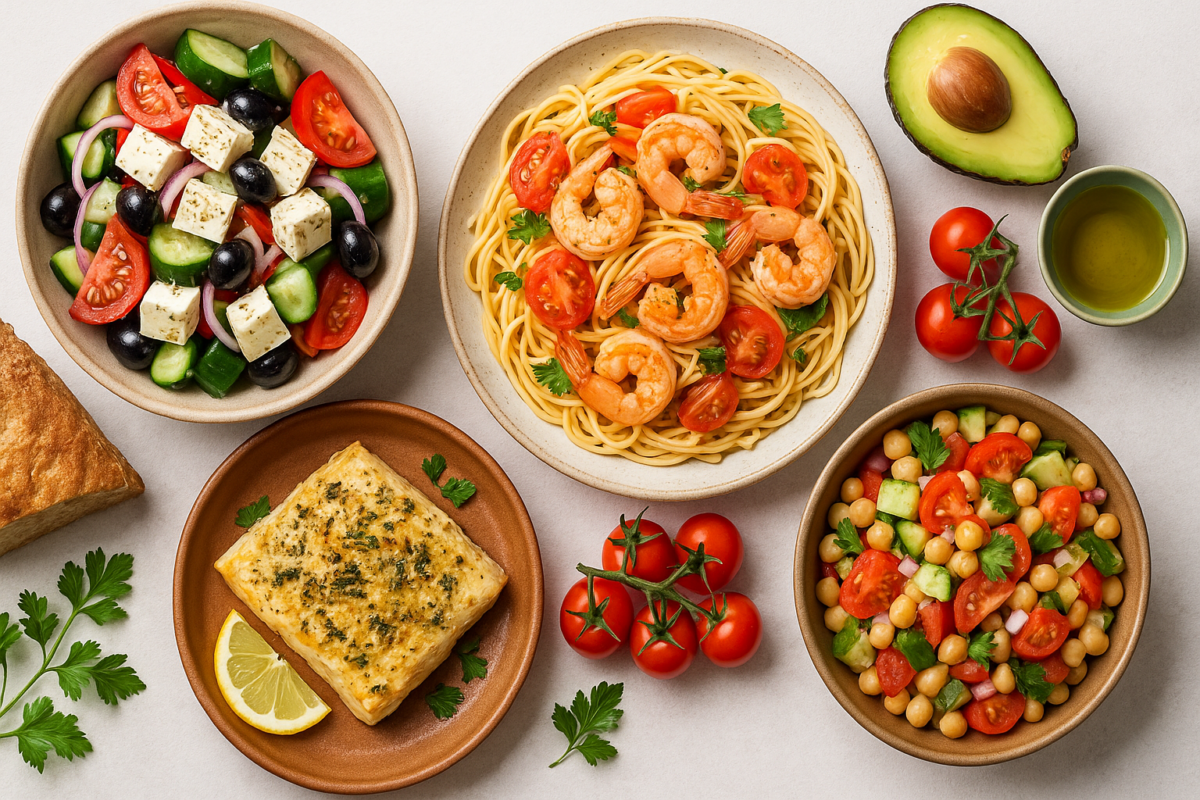
The Mediterranean diet has long been celebrated for its heart‑healthy benefits, vibrant flavors, and flexibility. Unlike restrictive diets that demand strict calorie counting or eliminated food groups, the Mediterranean approach emphasizes whole foods, moderate portions, and enjoyable eating habits. This article presents a collection of simple, delicious recipes that make healthy eating feel effortless, even on the busiest days.
Core Principles Behind the Effortless Approach
At the heart of the Mediterranean lifestyle is a pattern of eating that mirrors the culinary traditions of countries bordering the Mediterranean Sea. The core pillars include abundant plant foods, olive oil as the primary fat source, moderate consumption of fish and poultry, limited red meat, and a glass of red wine enjoyed with meals when appropriate. Dairy, primarily cheese and yogurt, appears in small amounts, while nuts and seeds provide healthy fats and protein. The emphasis on seasonal, minimally processed ingredients not only supports cardiovascular health but also reduces the time spent on grocery shopping and meal preparation. By focusing on these principles, you can create meals that are nutritionally balanced and surprisingly easy to assemble. Understanding these foundations helps you make quick decisions in the grocery store and kitchen, ensuring each plate aligns with the diet’s time‑tested guidelines.
Quick Breakfast Ideas to Jumpstart Your Day
Breakfast on the Mediterranean diet is rarely about pastries or sugary cereals. Instead, start with foods that deliver steady energy and keep you satisfied until lunch. A simple Greek‑style oatmeal uses rolled oats, water or milk, a drizzle of honey, chopped almonds, and a sprinkle of cinnamon. Serve with fresh berries for antioxidant boost. For those who prefer something savory, try a feta‑spinach omelet: whisk two eggs, add a splash of olive oil, fold in wilted spinach, crumble feta, and season with black pepper. Pair with a slice of whole‑grain toast for fiber. If time is truly limited, a handful of mixed nuts and a piece of fruit provide a portable option that still follows the diet’s emphasis on healthy fats and natural sweetness. To make mornings smoother, prepare overnight oats or a batch of baked chickpeas with spices for a crunchy alternative.
Simple Lunch Recipes for Busy Professionals
Lunch can be the most convenient meal when you adopt a Mediterranean mindset. A classic chickpea salad combines canned chickpeas (drained), diced cucumber, cherry tomatoes, red onion, and parsley. Dress with olive oil, lemon juice, garlic, and a pinch of salt. This dish requires no cooking and can be prepared in minutes. For a heartier option, try a quinoa‑black bean bowl: cook quinoa and mix with black beans, corn, diced avocado, and chopped cilantro. Add lime juice, cumin, and smoked paprika for flavor. Pair with a side of roasted vegetables for extra texture. If you have a few extra minutes, prepare a grilled chicken souvlaki bowl: marinate bite‑size chicken pieces in olive oil, lemon zest, garlic, and oregano for 15 minutes, then grill or pan‑cook. Over mixed greens, add roasted red peppers, artichoke hearts, and a light vinaigrette. These lunches are nutritious, colorful, and can be eaten at your desk without utensils. To streamline, cook a large batch of grains and legumes on the weekend and store them in portioned containers.
One‑Pot Dinners That Save Time and Clean‑up
When evenings get hectic, a one‑pot meal becomes a lifesaver. A lemon‑herb salmon with vegetables: place salmon fillets on a sheet pan, drizzle with olive oil, lemon slices, minced garlic, and chopped herbs like dill and parsley. Scatter sliced zucchini, bell peppers, and cherry tomatoes around the fish. Roast at 400°F for 20‑25 minutes until the salmon flakes easily. The result is a balanced plate with omega‑3 fatty acids, fiber, and vitamins, all while the oven does the work. Another hearty option is a lentil‑vegetable stew: sauté onion, carrot, and celery in olive oil, add rinsed red lentils, vegetable broth, tomatoes, and spices such as cumin and smoked paprika. Simmer for 30 minutes until lentils are tender. Serve with a side of whole‑grain pita for extra texture. For a plant‑based twist, try a chickpea‑spinach curry: simmer canned chickpeas with spinach, tomatoes, ginger, garlic, and curry powder until the spinach wilts. Pair with brown rice or quinoa. These dishes minimize cookware, reduce cleanup, and still deliver the Mediterranean flavor profile.
Fresh Snacks and Sprouts: Keep Cravings at Bay
Snacking does not have to derail your diet. Greek yogurt topped with a drizzle of honey and walnuts offers protein and healthy fats. Fresh fruit like apples or pears sliced and sprinkled with cinnamon provides natural sweetness. For a savory crunch, slice bell peppers and dip them in hummus made from chickpeas, tahini, lemon juice, and garlic. Another quick option is a handful of olives or a few slices of prosciutto with melon. To keep things interesting, experiment with roasted chickpeas seasoned with smoked paprika, cumin, or garlic powder. These snacks are portable, require minimal prep, and align with the Mediterranean focus on whole ingredients. Planning snack portions in advance can prevent over‑eating and keep energy levels stable between meals.
Sweet Treats That Stick to the Plan
Indulging in dessert is still possible while staying true to the diet. A baked figs‑date cheesecake uses low‑fat cream cheese, Greek yogurt, a touch of honey, and finely chopped dates and dried figs as the crust. Bake until set and top with a few fresh basil leaves for garnish. Another quick treat is orange‑honey granola: combine rolled oats, chopped almonds, a pinch of salt, and orange zest, then drizzle with honey and bake until golden. Serve with cold milk or yogurt. For a lighter option, try a lemon‑rhubarb compote using fresh rhubarb, lemon juice, and a small amount of maple syrup, served over Greek yogurt. These desserts satisfy sugar cravings without excessive refined sugars or saturated fats. Using whole‑grain flours, nuts, and natural sweeteners keeps the glycemic load lower and provides lasting satisfaction.
Meal Prep Strategies for Maximum Convenience
Effortless eating becomes sustainable when you plan ahead. Choose a weekend hour to batch‑cook staples: roast a tray of mixed vegetables, grill several chicken breasts, and cook a large pot of quinoa or brown rice. Store them in airtight containers for quick assembly. Invest in quality containers that stack well to maximize fridge space. When you have pre‑portioned ingredients ready, building a Mediterranean plate is as simple as combining protein, veggies, and a drizzle of olive oil. This method also reduces food waste and ensures you always have a healthy option on hand, even during stressful workdays. To stay organized, label containers with the date and contents. Rotate your stash regularly to keep meals fresh. Additionally, keep a small supply of canned beans, tomatoes, and olives for emergency meals that still follow the diet’s principles.
Adapting Mediterranean Recipes for Different Dietary Needs
The beauty of Mediterranean cooking lies in its natural adaptability to various dietary requirements without sacrificing flavor or nutrition. For those following a gluten-free lifestyle, simply swap traditional bread components with gluten-free alternatives. Use chickpea flour for batter coatings, rice-based pasta for pasta dishes, and quinoa or buckwheat for grain-based recipes. When making Mediterranean-style wraps, replace flour tortillas with large lettuce leaves or corn tortillas. Those avoiding dairy can still enjoy the full spectrum of flavors by substituting feta with crumbled tofu mixed with nutritional yeast, or using coconut yogurt in place of traditional Greek yogurt. For vegans, maintain the essence by replacing animal proteins with hearty legumes, tempeh, or marinated mushrooms. Even those with nut allergies can participate by using sunflower seeds instead of pine nuts or walnuts in pesto, and opting for roasted chickpeas or pumpkin seeds for crunchy toppings.
Seasonal Shopping Strategies for Cost-Effective Mediterranean Cooking
Budget-friendly Mediterranean eating doesn’t mean compromising on freshness or flavor. The key is aligning your shopping with seasonal produce cycles and buying in bulk strategically. During summer months, take advantage of abundant tomatoes, zucchini, eggplant, and stone fruits, which are at their peak flavor and lowest cost. Autumn brings an explosion of citrus fruits, squash, and leafy greens that form the foundation of hearty Mediterranean stews. Winter offers affordable root vegetables, stored apples, and preserved items like olives and sun-dried tomatoes. Spring introduces fresh herbs, asparagus, and peas that can transform simple dishes into celebratory meals. Buying dried legumes, whole grains, and nuts in bulk quantities significantly reduces per-serving costs compared to pre-packaged options. Visit local farmers markets near closing time when vendors often discount produce that won’t last the night. Consider joining a community-supported agriculture (CSA) share, which provides seasonal vegetables at wholesale prices while supporting local farming. Plan your Mediterranean menu around what’s on sale rather than predetermined recipes, allowing the produce to guide your meal planning decisions.
International Fusion: Mediterranean Meets Global Cuisines
The Mediterranean diet’s versatile flavor profile makes it an excellent foundation for culinary fusion with other global traditions. Thai-inspired Mediterranean bowls combine classic grain bases with coconut milk-based dressings, fresh herbs like cilantro and Thai basil, and proteins like grilled shrimp or tofu. Indian-Mediterranean fusion emerges through the use of garam masala in vegetable stews, pairing chickpeas with fragrant basmati rice, and incorporating mango chutney as a condiment. Mexican-Mediterranean combinations feature black beans alongside traditional Mediterranean vegetables, with cumin and chipotle adding depth to olive oil-based preparations. Middle Eastern influences naturally complement Mediterranean ingredients through the shared use of tahini, sumac, and preserved lemons, creating dishes like labneh with za’atar or lentil salads with pomegranate seeds. Korean-Mediterranean fusion introduces gochujang glazes on grilled fish, kimchi alongside traditional mezze, and sesame oil enhancing rather than replacing olive oil. These international adaptations maintain the core Mediterranean principles of whole foods, healthy fats, and balanced nutrition while introducing exciting new flavor profiles that prevent dietary monotony and keep meal planning engaging.
Advanced Meal Prep Techniques for Complex Flavor Development
Elevating your Mediterranean meal prep beyond basic batch cooking involves strategic flavor layering and timing techniques that maximize taste with minimal daily effort. Start by preparing aromatic bases such as homemade herb blends, spice mixes, and compound butters that can be portioned into ice cube trays for convenient daily additions. Create versatile marinades using lemon juice, olive oil, garlic, and herbs that can be used across multiple protein sources throughout the week. Invest time in making homemade dressings and sauces in larger quantities—these can transform simple salads and grain bowls into complex, restaurant-quality meals. Fermented elements like homemade pickled vegetables or kefir-based condiments add probiotic benefits while introducing tangy depth to basic preparations. Consider preparing components that can be combined in various ways: roasted vegetable mixes that work in salads, grain bases that pair with different proteins, and pre-cut fresh herbs that add final flourishes to completed dishes. Advanced prep also includes creating “flavor boosters” such as toasted nut and seed mixes, spiced nuts for topping, and infused oils that can be drizzled over finished meals for immediate impact.
Building a Mediterranean Pantry: Essential Staples and Their Uses
A well-stocked Mediterranean pantry serves as the foundation for effortless healthy eating, reducing reliance on processed convenience foods while ensuring you always have ingredients available for quick preparations. Beyond basic olive oil, varieties like extra virgin, flavored, and infused oils each serve specific purposes—from finishing dishes to cooking high-heat preparations. Stock an array of vinegars including balsamic, red wine, sherry, and citrus-based varieties for dressings and marinades. Canned goods should include a rotation of tomatoes (whole, crushed, and paste), various beans beyond chickpeas like cannellini and black beans, olives in different brines, and capers for adding briny complexity. Dried herbs and spices form the backbone of Mediterranean flavor—oregano, thyme, rosemary, marjoram, and basil for warmth, while paprika, cumin, and coriander add depth. Nuts and seeds provide both texture and nutrition, with pine nuts, walnuts, almonds, and various seeds offering different profiles for sprinkling, blending into sauces, or creating crusts. Consider stocking preserved items like sun-dried tomatoes, artichoke hearts, and roasted red peppers for instant flavor upgrades to simple preparations.
Mediterranean Diet Myths and Misconceptions Debunked
Several persistent misconceptions about the Mediterranean diet can lead to improper implementation or unnecessary restrictions that undermine its true benefits. The first major myth suggests the diet requires expensive imported ingredients and specialty items, when in reality it’s fundamentally based on affordable, accessible staples like seasonal vegetables, dried legumes, grains, and basic herbs. Another common misconception holds that the Mediterranean diet is purely vegetarian, when traditional Mediterranean eating includes moderate amounts of fish, poultry, and dairy products. Some believe the diet eliminates all carbohydrates, when whole grains, legumes, and fruits are essential components providing necessary energy and fiber. The notion that red wine is mandatory for health benefits ignores the fact that the diet’s advantages come from overall dietary patterns, not alcohol consumption. Additionally, many assume the Mediterranean diet requires cooking from scratch every meal, when simple preparations using quality ingredients are perfectly aligned with the philosophy. Understanding these realities allows for more authentic, sustainable, and enjoyable Mediterranean eating patterns that fit modern lifestyles while delivering genuine health benefits.
Seasonal Mediterranean Meal Planning: Adapting to Changing Produce
Spring Mediterranean cooking embraces the season’s fresh arrivals with dishes that highlight tender greens, early root vegetables, and the first tender shoots of asparagus and artichokes. Create simple pasta primavera using fresh pasta with spring vegetables like peas, fava beans, and ramps, tossed with a light lemon-olive oil sauce. Spring salads feature mixed greens, radishes, and strawberries, dressed with a honey-Dijon vinaigrette. Summer meal planning centers around abundant tomatoes, zucchini, and stone fruits, perfect for quick preparations like caprese salads with fresh mozzarella, grilled vegetable skewers, and stone fruit cobblers using local berries and peaches. Autumn brings hearty preparations with butternut squash, pomegranate, and late-harvest grapes, ideal for roasted vegetable medleys, grain bowls with winter squash, and pomegranate-glazed chicken. Winter Mediterranean eating focuses on stored vegetables like carrots, beets, and cabbage, incorporated into hearty stews, braised dishes, and fermented foods that provide both comfort and nutritional density. Each season offers opportunities to simplify meal planning by aligning with what’s naturally available and affordable, reducing both costs and preparation complexity while maximizing flavor and nutrition.
Creating Balanced Mediterranean Meals: The Plate Method in Practice
Mastering the visual art of Mediterranean plate composition transforms any meal into a nutritionally complete experience without requiring precise measurements or calculations. The foundation begins with filling half your plate with plant foods—vegetables, fruits, or legumes—which provide fiber, vitamins, minerals, and phytonutrients. One-quarter of the plate should feature protein sources, whether from fish, poultry, lean meats, eggs, or plant-based options like beans and lentils. The remaining quarter accommodates whole grains or starchy vegetables, providing sustained energy and additional fiber. Healthy fats integrate naturally through olive oil used in cooking or as a dressing, avocado slices, or nuts and seeds sprinkled on top. Final touches include fresh herbs for antioxidants and flavor, along with a moderate portion of dairy if desired—typically a small amount of cheese or a serving of yogurt. This visual method works equally well for elaborate family meals or quick individual preparations, ensuring nutritional balance while maintaining the flexibility that makes Mediterranean eating sustainable long-term.
Troubleshooting Common Mediterranean Diet Challenges
Addressing practical obstacles ensures successful long-term adherence to Mediterranean eating patterns despite busy schedules and modern food environment challenges. Time constraints become manageable through strategic preparation: pre-portioned nuts and seeds for quick snacks, pre-cut vegetables stored in water for crispness, and simple one-sheet-pan meals that require minimal active cooking time. Dining out presents opportunities rather than obstacles—Mediterranean restaurants naturally align with diet principles, while other cuisines can be navigated by focusing on vegetable-heavy preparations, requesting olive oil-based dressings, and choosing grilled over fried options. Social gatherings require mindful participation—bringing your own Mediterranean-inspired dish ensures availability of preferred options, while focusing on social connection reduces pressure to overindulge. Travel complications are solved through portable staples like nuts, dried fruit, and single-serving olive oil packets that maintain dietary integrity even when convenient processed foods seem unavoidable. Office environments can be managed by keeping healthy snacks at work, choosing Mediterranean-style lunch options from cafeterias, and preparing attractive salads that stand up to desk-dining conditions.
Tracking Progress and Staying Motivated Long-Term
Sustaining Mediterranean diet adoption requires establishing systems for monitoring benefits while maintaining flexibility that prevents the restrictive mindset that often undermines dietary changes. Simple tracking methods include noting daily vegetable intake through photography—visual documentation helps identify patterns and areas for improvement without becoming obsessive. Energy level monitoring provides immediate feedback about dietary impact, with consistent midday energy indicating proper meal balance and sustained nutrition. Physical markers like improved skin clarity, better sleep quality, and reduced digestive discomfort offer tangible evidence of positive changes that reinforce continued commitment. Social accountability can be enhanced through sharing Mediterranean-inspired meals with family and friends, cooking collaborative meals that build support networks, and participating in online communities focused on healthy eating rather than restrictive dieting. Seasonal menu rotation prevents monotony while ensuring continued exposure to diverse nutrients, and celebrating non-scale victories like increased confidence in the kitchen or reduced reliance on processed convenience foods maintains motivation beyond weight-focused outcomes. Setting realistic expectations about gradual improvements rather than dramatic transformations helps maintain perspective during inevitable adaptation periods.
Frequently Asked Questions
Q: Do I need to eat fish every day to follow the Mediterranean diet?
A: No. The Mediterranean diet recommends moderate consumption of fish, typically about two to three servings per week. You can still meet nutritional goals with poultry, legumes, nuts, and olive oil. If you prefer a plant‑based approach, beans, lentils, and tofu provide ample protein.
Q: Is red wine required for heart health benefits?
A: Red wine can be enjoyed in moderation‑generally one glass per day for women, two for men‑along with meals. If you choose not to drink, the health benefits come from the overall dietary pattern, not the wine itself.
Q: How can I make the Mediterranean diet more affordable?
A: Focus on seasonal produce, bulk beans and whole grains, and frozen vegetables, which retain nutrients and are often cheaper than fresh out of season. Cooking dried lentils or chickpeas from scratch saves money compared to canned versions. Buying whole chickens and using all parts also reduces cost.
Q: Can I follow this diet if I have dietary restrictions?
A: Yes. The Mediterranean diet is flexible. For gluten intolerance, use rice or oat flour; for dairy allergies, substitute with fortified plant milks and calcium‑rich greens. The emphasis on plant foods makes it adaptable to many restrictions. Always read labels to ensure no hidden allergens.
Q: What are some common mistakes to avoid?
A: Overreliance on processed meats, excessive use of butter instead of olive oil, and neglecting portion control can undermine the diet’s benefits. Also, using large amounts of cheese without balancing with vegetables may increase saturated fat intake. Aim for variety and moderation. Additionally, skipping breakfast or relying heavily on refined grains can disrupt steady energy levels.
Related posts:
 Pegan Diet Explained: The Paleo-Vegan Hybrid Taking Over
 Delicious Ground Chicken Recipes
 The Mediterranean Diet Cookbook That Makes Healthy Eating Effortless
 Kosterina’s Mediterranean Cookbook Guide
 The Game-Changing 50 Percent Rule That Makes Eating Vegetables Effortless
 15-Minute Dairy-Free Dinner Ideas
 Understanding Mediterranean Cuisine
 Fish-Free Mediterranean Diet