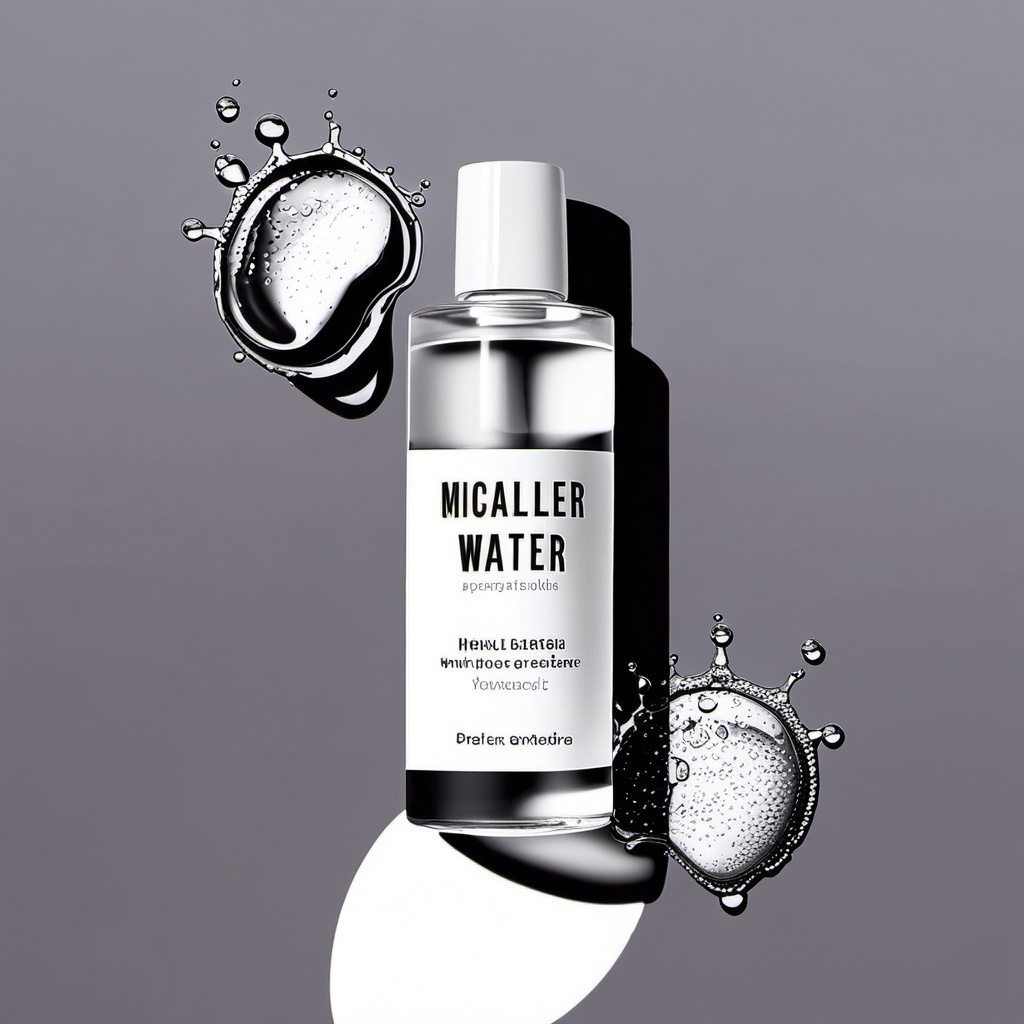
Micellar water has transitioned from a well-kept secret among French pharmacists and backstage makeup artists to a global skincare phenomenon. Once reserved for quick removals during fashion week or as a luxury import, it is now a staple on drugstore shelves and vanity tables alike. However, a significant shift is occurring in the beauty community: many are moving away from traditional foaming cleansers and harsh soaps, choosing instead to use micellar water as their primary cleanser. This shift reflects a broader trend toward minimalist skincare and barrier-protection strategies. But is this liquid solution truly capable of handling the daily buildup of pollutants, sebum, and sunscreen on its own? To answer this, we must look beyond the marketing and into the chemistry, practical application, and dermatological impact of micellar technology.
Understanding Micelles: The Science of Gentle Cleansing
To understand why micellar water works, we have to look at the microscopic level. The term “micellar” comes from micelles, which are tiny clusters of surfactant molecules suspended in soft water. A surfactant molecule is unique because it is amphiphilic, meaning it has two distinct ends: a hydrophilic (water-loving) head and a lipophilic (oil-loving) tail. In a bottle of micellar water, these molecules arrange themselves into tiny spheres. The oil-loving tails point inward, away from the water, while the water-loving heads point outward.
When you pour micellar water onto a cotton pad, the hydrophilic heads are attracted to the cotton fibers, leaving the lipophilic tails exposed. As you swipe the pad across your face, these tails act like tiny magnets, reaching out to grab onto oil-based impurities such as sebum, makeup, and environmental debris. Because the impurities are trapped inside the micelle structure, they are lifted away from the skin without the need for vigorous rubbing or the use of harsh detergents that strip the skin’s natural oils. This mechanism is fundamentally different from traditional soaps, which often use high-pH surfactants that can disrupt the skin’s acidic mantle.
Furthermore, most micellar waters are formulated with highly purified water and humectants like glycerin. This means that while the surfactants are cleaning the skin, the humectants are simultaneously drawing moisture into the upper layers of the epidermis. This dual action—cleansing while hydrating—is the primary reason why micellar water feels so different from a standard gel or foam wash, which can often leave the skin feeling tight or “squeaky clean,” a sensation that actually indicates a compromised moisture barrier.
Can Micellar Water Replace Traditional Cleansers?
The question of whether micellar water can serve as a primary cleanser depends largely on your lifestyle, environment, and skin type. For many, the answer is a definitive yes. In a traditional skincare routine, a cleanser is expected to remove three things: water-soluble debris (like sweat and dust), oil-soluble debris (like sebum and makeup), and particulate matter (like pollution). Micellar water is scientifically designed to address all three.
If you have a relatively sedentary lifestyle, work indoors, or wear minimal makeup, micellar water is more than sufficient to maintain skin hygiene. It is particularly effective for those who live in areas with “hard water.” Hard water contains high concentrations of minerals like calcium and magnesium, which can react with traditional soaps to form a film on the skin, leading to irritation and clogged pores. Because micellar water does not require rinsing with tap water, it allows users to bypass these minerals entirely, often leading to a noticeable improvement in skin texture and a reduction in redness.
However, there are caveats. If your daily life involves heavy physical activity, high-pollution urban environments, or the use of thick, water-resistant sunscreens and waterproof makeup, micellar water might require more effort to achieve a deep clean. In these cases, it isn’t that the micellar water fails, but rather that the volume of debris requires multiple passes. For the average person seeking a gentle, effective daily routine, micellar water provides a balanced approach that respects the skin’s biology while ensuring cleanliness.
The Benefits of a No-Rinse Routine
One of the most significant advantages of using micellar water as a primary cleanser is the “no-rinse” factor. While it may seem counterintuitive to leave a cleansing product on the skin, high-quality micellar waters are formulated to be leave-on products. This offers several therapeutic benefits for the skin barrier.
- Preservation of the Acid Mantle: Every time we wash our face with tap water and soap, we temporarily raise the pH of our skin. Healthy skin is slightly acidic (around pH 5.5). Frequent washing can push the pH into the alkaline range, which weakens the skin’s defense against bacteria. Micellar water is typically pH-balanced to match the skin, preventing this disruption.
- Reduced Mechanical Irritation: Traditional cleansing often involves splashing, rubbing, and towel-drying. For those with inflammatory conditions like rosacea or eczema, this physical friction can trigger flare-ups. Micellar water allows for a controlled, gentle application that minimizes physical stress on the skin.
- Enhanced Hydration: Because micellar water often contains ingredients like pro-vitamin B5, rose water, or cucumber extract, it acts as a hybrid between a cleanser and a toner. Leaving these ingredients on the skin allows them to provide prolonged soothing and hydrating effects.
For individuals with extremely sensitive skin, the absence of rinsing can be a game-changer. It eliminates the “wash-dry-tight” cycle that many face every morning and evening, replacing it with a process that feels more like a refreshing treatment than a chore.
Identifying Your Skin Type’s Needs
While micellar water is generally universal, the way you use it as a primary cleanser should be tailored to your specific skin type. Not all micellar waters are created equal, and the market now offers specialized formulas for various concerns.
Dry and Mature Skin: For those with dry skin, traditional cleansers can be the enemy. Micellar water as a primary cleanser is ideal here because it doesn’t strip the limited natural oils the skin produces. Look for formulas enriched with hyaluronic acid or glycerin. These ingredients ensure that the cleansing process adds moisture rather than taking it away.
Oily and Acne-Prone Skin: There is a common misconception that oily skin needs “aggressive” cleansing to remove grease. In reality, over-cleansing can lead to reactive seborrhea, where the skin produces even more oil to compensate for what was lost. Oily types should look for micellar waters containing zinc or salicylic acid. These formulas help regulate sebum production while still providing a gentle cleanse. However, oily types should ensure they use enough cotton pads until the last one comes away completely clean to ensure no residue is left behind.
Sensitive and Reactive Skin: If your skin turns red at the slightest touch, a minimalist micellar water with a very short ingredient list is best. Avoid formulas with heavy fragrances or essential oils. The goal for sensitive skin is to remove irritants without adding new ones. Using a high-quality, plush reusable pad can also reduce the micro-friction that sometimes occurs with cheaper, scratchier disposable cotton rounds.
Step-by-Step Guide: Using Micellar Water the Right Way
To use micellar water as your primary cleanser effectively, you must move beyond the quick “wipe and go” method. Proper technique ensures that you are actually removing debris rather than just moving it around your face. Follow these steps for a thorough, professional-level clean:
- Saturate, Don’t Dampen: The most common mistake is using too little product. The cotton pad should be fully saturated so that it glides across the skin without pulling. A dry pad causes friction; a wet pad uses the power of chemistry.
- The Press-and-Hold Method: Before wiping, press the saturated pad onto specific areas—especially the eyes, forehead, and cheeks—for about 20 to 30 seconds. This gives the micelles time to break down the bonds of oils and makeup. It “melts” the debris, making removal effortless.
- Work in Sections: Start from the center of the face and move outwards. Use one side of the pad for one half of your face, then flip it for the other. Do not forget the jawline and the neck, areas where makeup and sweat often accumulate.
- The “Clear Pad” Test: If you are using micellar water as your primary cleanser, you must continue the process until a fresh cotton pad comes away looking completely white. For a morning cleanse, this might only take one pad. For an evening cleanse after a long day, it might take three or four.
- No Need to Rinse (Usually): Unless you have hyper-sensitive skin or the product feels tacky, you do not need to rinse. Follow up immediately with your serums or moisturizers while the skin is still slightly damp to lock in the hydration from the micellar water.
Potential Drawbacks and When to Double Cleanse
Despite its versatility, micellar water is not a magic bullet for every situation. There are specific scenarios where using it as your *only* cleanser might fall short. Understanding these limitations is key to maintaining clear skin.
The primary challenge for micellar water is heavy, silicone-based products. Modern long-wear foundations and high-SPF mineral sunscreens are designed to adhere to the skin through sweat, rain, and humidity. While micellar water can break these down, it often takes a significant amount of product and time. If you find yourself scrubbing to get your foundation off, you are better off using the “Double Cleanse” method: use an oil-based balm or micellar water first to break down the makeup, followed by a gentle water-based cleanser to ensure every last trace is gone.
Another potential drawback is the residue. Some lower-quality micellar waters use surfactants that can leave a slight film on the skin. If you notice small breakouts or a “filmy” feeling after use, you should either switch to a higher-quality brand or perform a quick rinse with lukewarm water. Additionally, for those with very deep pores or severe cystic acne, the surface-level action of micellar water might not be enough to penetrate and clear out the follicular debris as effectively as a targeted medicated wash.
Choosing the Best Micellar Water for Your Face
When shopping for a micellar water to use as your primary cleanser, the ingredient list is your best friend. Because this product will be staying on your skin, you want to ensure it is packed with beneficial components and free from common irritants.
What to Look For:
- Poloxamers: These are the gentle surfactants that form the micelles. Poloxamer 184 is a common and very safe choice for eye-area use.
- Humectants: Glycerin, Butylene Glycol, or Pentylene Glycol. These keep the skin soft and hydrated.
- Soothing Agents: Allantoin, Aloe Vera, Chamomile, or Thermal Spring Water. These help calm the skin during the cleansing process.
- Vitamins: Niacinamide (Vitamin B3) for barrier support or Panthenol (Vitamin B5) for healing.
What to Avoid:
- Denatured Alcohol: Some “mattifying” micellar waters contain alcohol to provide a dry finish, but this can severely dehydrate the skin over time.
- Strong Fragrances: Synthetic perfumes are the leading cause of contact dermatitis in skincare. Since micellar water isn’t rinsed off, the fragrance stays in contact with your skin all day or night.
- Harsh Preservatives: While preservatives are necessary to prevent bacterial growth in water-based products, look for those that are known to be gentle, such as Sodium Benzoate or Phenoxyethanol, rather than older, more irritating options.
Environmental Impact and Sustainable Alternatives
One of the criticisms of a micellar-only routine is the waste generated by disposable cotton rounds. If you are using three to five pads a night, that adds up to over a thousand pads a year ending up in landfills. Fortunately, the rise of micellar water has coincided with the rise of sustainable beauty tools.
Reusable microfiber or bamboo pads are an excellent alternative. These pads are designed to be washed in a mesh bag with your regular laundry and can last for hundreds of uses. In many ways, they are actually superior to disposable cotton. Microfiber has a larger surface area and a natural “grip” that helps the micellar water lift away makeup more efficiently. Bamboo pads are often softer and less abrasive on the delicate eye area.
Furthermore, many brands are now offering micellar water in large, value-sized bottles or even refillable pouches. By choosing larger volumes and reusable applicators, you can enjoy the benefits of a micellar-primary routine without the environmental guilt. It’s a small adjustment that makes a significant difference in the long-term sustainability of your self-care habits.
Practical Tips for a Micellar-First Lifestyle
Adopting micellar water as your primary cleanser is about more than just changing a product; it’s about simplifying your lifestyle. Here are some practical ways to integrate it into your daily routine for maximum efficiency:
The Morning Refresh: You don’t need a heavy wash in the morning. Your skin has spent the night regenerating and producing beneficial oils. A quick swipe with micellar water removes any sweat or leftover nighttime products while leaving those healthy oils intact, creating a perfect, hydrated canvas for your morning vitamin C and sunscreen.
Post-Gym Recovery: Sweat left on the skin can lead to “maskne” or heat rashes. Keeping a small bottle of micellar water and a few pads in your gym bag allows you to cleanse your face immediately after a workout, rather than waiting until you get home to shower. This prevents salts and bacteria from settling into your pores.
Travel and Convenience: Micellar water is the ultimate travel companion. It eliminates the need for a sink, making it possible to cleanse your skin on a plane, in a car, or while camping. For those who struggle with a complex routine due to fatigue or mental health challenges, micellar water offers a low-effort way to maintain skin health on difficult days. It is a compassionate choice for when you simply don’t have the energy for a full sink-side ritual.
Navigating Seasonal Shifts and Environmental Stressors
While the original article touches on lifestyle, it is crucial to recognize that your skinu2019s relationship with micellar water often changes with the calendar. During the winter months, the air loses humidity, and indoor heating systems further strip moisture from the epidermis. In this climate, the barrier-preserving nature of micellar water becomes its greatest asset. Unlike traditional gel cleansers that may contain Sodium Lauryl Sulfate (SLS), micellar water provides a non-stripping alternative that prevents the “winter itch” and flakiness often associated with over-cleansing. For those living in cold climates, switching to a micellar-only routine in the morning can prevent the micro-cracks in the skin barrier that lead to sensitivity and redness.
Conversely, in the height of summer, the skin deals with “summer sludge”u2014a combination of high sebum production, sweat, and multiple layers of SPF. While micellar water remains an effective primary cleanser here, the application strategy must evolve. During humid months, the skin’s pore structure is more dilated, and debris can become more deeply lodged. This is where the “double-wipe” technique is essential. The first pass focuses on breaking the surface tension of sweat and salt, while the second pass, using a fresh pad, focuses on lifting the emulsified oils from the pores. For those who commute in high-pollution urban areas, the summer months also see an increase in particulate matter (PM2.5) adhering to the skin. Micellar water is particularly adept at neutralizing these microscopic pollutants, which are often too small to be removed by water alone but are easily trapped by the lipophilic tails of the micelle spheres.
The Intersection of Micellar Technology and the Skin Microbiome
Beyond the simple removal of dirt, we must consider the skinu2019s microbiomeu2014the delicate ecosystem of beneficial bacteria, fungi, and mites that live on our surface. Traditional high-foaming cleansers are often “indiscriminate killers”; their high pH and aggressive surfactants can decimate the beneficial flora, such as Staphylococcus epidermidis, which helps defend against pathogenic strains like Staphylococcus aureus (often linked to acne and eczema). Because micellar water functions at a physiological pH and utilizes ultra-mild surfactants like Poloxamers or Glucosides, it acts as a selective cleanser. It removes the excess lipids and debris that harmful bacteria feed on without creating a sterile, inhospitable environment for our skin’s natural defenders.
This preservation of the microbiome is why many users report a “glow” after switching to micellar water as their primary cleanser. When the microbiome is balanced, the skin’s immune response is less reactive, leading to fewer instances of random inflammation or unexplained breakouts. Furthermore, many modern micellar formulas are now incorporating prebioticsu2014such as inulin or alpha-glucan oligosaccharideu2014which specifically feed the good bacteria while the micelles perform the cleaning. This creates a symbiotic relationship where cleansing becomes a restorative act rather than a subtractive one. For individuals dealing with adult acne, this microbiome-friendly approach is often more effective than aggressive antibacterial washes, which can inadvertently cause “rebound” oiliness and further dysbiosis.
Optimizing Skin Permeability for High-Performance Actives
A frequently overlooked benefit of using micellar water as a primary cleanser is how it prepares the skin for subsequent treatment steps, such as retinoids, Vitamin C, or peptide serums. The humectants found in micellar water, particularly glycerin and various glycols, do more than just hydrate; they act as penetration enhancers. By slightly increasing the water content of the stratum corneum (the outermost layer of the skin), these ingredients make the skin more permeable. When you apply a serum immediately after a micellar cleanseu2014while the skin is still slightly “plump” from the liquidu2014the active ingredients can travel deeper and more efficiently than they would on bone-dry skin.
However, this increased permeability is a double-edged sword that requires careful management. If you are using a very high-strength prescription retinoid or a potent glycolic acid, the enhanced absorption provided by the micellar residue might lead to increased tingling or irritation. In these specific cases, it is wise to wait three to five minutes for the micellar water to fully settle and the skin’s moisture levels to stabilize before applying the active. For those with resilient skin looking to maximize the efficacy of their anti-aging routine, the “damp-skin” application made possible by micellar water is a professional-level trick that can significantly accelerate results.
Strategic Application for Post-Procedure and Compromised Barriers
There are times when the skin is in a state of “crisis”u2014following a professional chemical peel, laser resurfacing, or a severe sunburn. In these scenarios, the skin barrier is physically compromised, and the mechanical action of splashing water or the chemical stress of traditional soap can be excruciating. Dermatologists often recommend micellar water during these recovery windows because it allows for “no-touch” or “low-friction” hygiene. By using a cloud-like, high-GSM (grams per square meter) cotton round and dabbing rather than swiping, one can keep the skin clean without disrupting the delicate healing process.
In the case of post-procedure care, the choice of micellar water is paramount. One must avoid any formula containing fragrance, essential oils, or even certain botanical extracts like witch hazel, which can sting on raw skin. Instead, look for formulas centered around thermal spring water. These waters are naturally rich in selenium and silicates, which have been clinically proven to reduce inflammation and accelerate epithelial repair. By using micellar water as the primary cleanser during the 7u201310 days of post-procedure healing, patients can maintain hygiene while providing a continuous “soothing bath” for their recovering cells, often resulting in less redness and a faster return to their normal skincare routine.
Micellar Water as a Precision Tool for Makeup Artistry and Correction
While the primary focus is on total-face cleansing, micellar water is also an indispensable tool for precision correction, a technique used by professional makeup artists to achieve “clean” looks without over-cleansing the entire face. Unlike oil-based removers, which leave a greasy film that prevents new makeup from adhering, micellar water leaves a clean, “workable” surface. If you are applying a complex winged eyeliner and make a mistake, a pointed cotton swab dipped in micellar water can erase the error with surgical precision. Because it doesn’t leave an oily residue, you can reapply the liner immediately over the same spot without it smudging or sliding.
This precision also extends to “sharpening” features. Artists often use a flat brush dampened with micellar water to clean up the edges of a bold lip or to define the tail of a brow. It acts like a digital eraser for the face. Furthermore, for those who struggle with “fallout” from dark eyeshadows, a quick sweep of micellar water under the eyes after the eye makeup is finishedu2014but before the foundation is appliedu2014ensures a pristine canvas. This avoids the common mistake of trying to wipe away eyeshadow with a dry tissue, which usually just grinds the pigment into the skin and creates dark circles.
Advanced Surfactant Profiles and the Role of Chelating Agents
To truly master micellar water as a primary cleanser, one should understand the role of chelating agents often found in high-quality formulas. Ingredients like Disodium EDTA or Gluconolactone serve a purpose beyond preservation; they are designed to “grab” onto heavy metals and minerals found in tap water. Even if you aren’t rinsing with tap water, your skin likely has mineral buildup from previous showers or environmental exposure. These minerals, such as calcium and magnesium, can make the skin’s natural oils “waxy” and harder to remove, potentially leading to clogged pores and a dull complexion.
A micellar water with strong chelating properties effectively “de-mineralizes” the skin surface. This is particularly beneficial for people who travel frequently between different water-quality zones. If you notice your skin looks dull or feels “coated” after visiting a city with very hard water, a thorough micellar cleanse can strip away those mineral deposits that a standard cleanser might leave behind. Furthermore, some advanced surfactants used in micellar waters, like Capryloyl Glycine, offer secondary benefits such as protecting the skin’s acid mantle and inhibiting the growth of unwanted bacteria. When choosing a primary cleanser, looking for these “functional surfactants” ensures that the product is doing more than just moving dirt; it is actively refining the chemical environment of the skin surface.
Economic and Routine Efficiency: The Minimalism of One Multi-Tasking Liquid
From a practical standpoint, adopting micellar water as a primary cleanser is a cornerstone of “skinimalism”u2014the movement toward fewer, more effective products. For many, a single bottle of micellar water replaces three separate products: an eye makeup remover, a traditional face wash, and a hydrating toner. When performing a cost-per-use analysis, even a high-end micellar water often proves more economical than maintaining a suite of specialized cleansers. This efficiency is not just financial; it reduces “decision fatigue” in a morning routine and simplifies the physical clutter of a bathroom vanity.
Frequently Asked Questions
1. Is it really okay not to rinse micellar water off?
Yes, most micellar waters are designed as leave-on products. The surfactants used are very mild and are intended to stay on the skin without causing irritation. However, if you have extremely reactive skin or if the product feels sticky, a quick splash of water afterward won’t hurt. The goal is comfort and skin health; if your skin feels better rinsed, go ahead and rinse.
2. Can micellar water remove waterproof mascara?
Standard micellar water may struggle with heavy-duty waterproof formulas. However, many brands offer “bi-phase” micellar waters, which contain a layer of oil sitting on top of the micellar solution. When shaken, these provide the extra dissolving power needed for waterproof makeup while still maintaining the gentle, no-rinse benefits of the micellar technology.
3. Will using micellar water every day cause breakouts?
For the vast majority of people, no. In fact, because it is so gentle, it can often reduce breakouts caused by a compromised skin barrier. However, if you are not using enough product or enough pads to fully remove your makeup, the leftover residue could potentially clog pores. Always ensure the final pad is clean to prevent this.
4. Is micellar water better than makeup wipes?
Absolutely. Makeup wipes are often saturated with harsh preservatives and alcohols to keep them moist, and the physical texture of the wipe can be quite abrasive. Furthermore, wipes tend to smear makeup around rather than lifting it off. Micellar water is a much more sophisticated and gentle delivery system that respects the skin’s integrity.
5. Can I use micellar water if I have eyelash extensions?
Yes, but you must choose an oil-free formula. Many standard micellar waters are oil-free and are actually recommended for eyelash extension wearers because they can clean the eye area without dissolving the lash glue. Always check the label to ensure there are no oils or “bi-phase” components if you have extensions.
Related posts:
 Proper Order of Skincare Application
 Too Clean for Comfort: Why Being Squeaky Clean Might Be Bad for Your Skin
 Eco-Friendly Makeup Removal
 The Return of Menstrual Pads
 The Best Toners for Acne-Prone Skin That Won’t Strip Your Face
 Liquid Luxury: Professional Water Sommelier Secrets for Better Hydration
 Foundation’s Impact on Skin
 Functional Water Facts: Do Enhanced Waters Actually Work