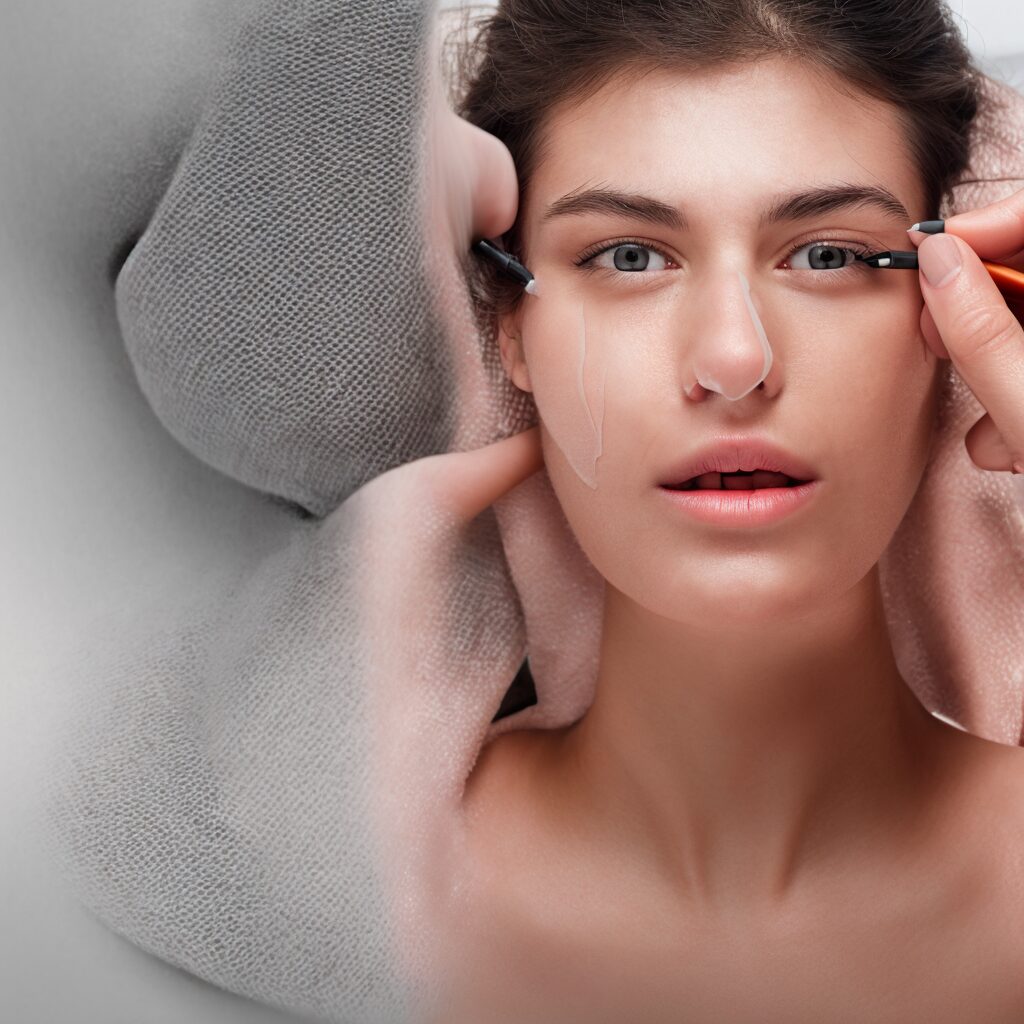
What is a Microcurrent Facial?
A microcurrent facial is a non-invasive cosmetic treatment that uses low-voltage electricity to stimulate facial muscles, similar to a ‘workout’ for your face. This treatment is designed to enhance facial contour, reduce wrinkles, and improve skin tone and texture. Microcurrent facials are often referred to as a natural facelift due to their ability to tighten and smooth the skin without the need for surgery.
How Does a Microcurrent Facial Work?
During a microcurrent facial, two handheld prongs deliver a gentle electrical stimulation to your skin and facial muscles. This low-level current mimics the body’s natural electrical currents, triggering chemical reactions at a cellular level. These reactions promote collagen and elastin production, enhance blood circulation, and aid in cellular repair and regeneration.
Benefits of Microcurrent Facials
- Non-Invasive: No needles or surgery required.
- Instant Results: Many people notice immediate improvements in their skin’s appearance.
- Long-Lasting Effects: With regular treatments, the results can be long-lasting.
- Improves Skin Health: Stimulates collagen and elastin production, resulting in healthier skin.
- Reduces Wrinkles: Helps to smooth out fine lines and wrinkles.
- Enhances Facial Contours: Firms and tones facial muscles, providing a more defined appearance.
What to Expect During a Microcurrent Facial
A typical microcurrent facial session lasts about 60 minutes. Here is what you can expect:
- Consultation: Your esthetician will discuss your skin concerns and goals.
- Preparation: Your skin will be cleansed and a conductive gel will be applied.
- Treatment: The esthetician will use handheld prongs to deliver the microcurrent to your skin.
- Aftercare: Your skin will be moisturized and protected with sunscreen.
Are Microcurrent Facials Safe?
Microcurrent facials are generally considered safe for most people. However, it is important to consult with a qualified esthetician before undergoing the treatment, especially if you have any underlying health conditions or are pregnant. Some individuals may experience mild redness or tingling sensations during or after the treatment, but these side effects are typically temporary.
The Science of Adenosine Triphosphate (ATP) Synthesis
At the core of microcurrent technology lies the stimulation of adenosine triphosphate (ATP) production. ATP is the primary energy currency of the cell, acting as the fuel that drives essential metabolic processes. As we age, our natural ATP levels decline, leading to a sluggish cellular metabolism that manifests as sagging skin and lackluster texture. Microcurrent devices utilize sub-sensory electrical impulses that align with the body’s bio-electric field, effectively jumpstarting the mitochondria—the cell’s powerhouse. By increasing ATP production by up to 500 percent, the treatment facilitates the synthesis of structural proteins, specifically collagen and elastin. This biological recharge is not merely superficial; it resets the skin’s internal clock, allowing for faster repair cycles and improved nutrient absorption, which explains why skin treated with microcurrent often appears more vibrant and ‘lit from within’ for days following the session.
Targeting Facial Musculature: The ‘Re-Education’ Mechanism
Unlike cosmetic procedures that paralyze muscles, microcurrent facials focus on muscle re-education. This process involves a technique known as ‘lengthening and shortening.’ Estheticians manipulate the device prongs to target specific origin and insertion points of facial muscles. For example, by applying the current to the orbicularis oculi (the muscle surrounding the eye), the treatment can help lift a drooping brow or reduce the appearance of crow’s feet. The electric impulses essentially ‘remind’ the muscles of their original, youthful position. Over a series of sessions, the muscle fibers adapt to this stimulation, resulting in a firming effect that is physically noticeable. This is particularly effective for the jawline and neck area, where gravity often pulls the skin downward over time, leading to the formation of jowls or a loss of definition along the mandibular line.
The Critical Role of Conductivity and Gel Selection
The efficacy of a microcurrent treatment is inextricably linked to the medium used to conduct the electricity. Because skin is naturally resistant to electrical currents, a high-quality conductive gel is non-negotiable. These gels act as a bridge, ensuring the current penetrates the dermis rather than sparking on the surface. Professionals often use water-based, ion-rich formulas that enhance the device’s performance. It is important to note that oil-based products are strictly contraindicated during the treatment, as oil is an insulator that will block the current entirely. Furthermore, advanced practitioners may utilize serums containing peptides, hyaluronic acid, or antioxidants under the conductive gel. The microcurrent acts as a delivery vehicle, pushing these active ingredients deeper into the epidermis through a process called iontophoresis, which significantly boosts the absorption rate of your favorite anti-aging topicals.
Home-Use Devices vs. Professional Grade Equipment
The rise of at-home microcurrent devices has made this technology accessible, but there are distinct differences between consumer-grade units and the heavy-duty machines found in spas. Professional units offer a much wider range of frequency, wave shapes, and intensity settings, allowing for a highly customized approach that addresses specific concerns like lymphatic drainage versus deep muscle lifting. While home devices are excellent for maintenance, they typically deliver a lower, fixed current that is safer for untrained users but less transformative in terms of structural change. A key edge case to consider is the ‘plateau effect’ with home devices; because the intensity is limited, the skin may eventually stop responding to the same level of stimulation. Using a professional-grade treatment once a month can help ‘reset’ the muscles, allowing your daily home-care routine to remain effective for longer periods.
Navigating Contraindications and Skin Sensitivities
While microcurrent is remarkably gentle, it is not a ‘one size fits all’ solution. Beyond the standard warnings regarding pacemakers and epilepsy, there are localized contraindications to consider. For instance, individuals with active acne, cystic breakouts, or open wounds should avoid direct contact with the device in those areas, as the electrical current can exacerbate inflammation or spread bacteria. Furthermore, those who have recently undergone invasive procedures like deep chemical peels, laser resurfacing, or surgical facelifts must wait for the skin to be fully healed—often 6 to 12 weeks—before introducing microcurrent. If you have dental implants or metal braces, you might experience a metallic taste in your mouth or a ‘zapping’ sensation near the teeth; this is normal and harmless, but many practitioners will adjust the intensity or technique to ensure comfort for the client.
Strategic Integration with Other Modalities
To maximize the ‘microcurrent glow,’ many estheticians layer this treatment with complementary technologies. A popular ‘cocktail’ approach involves pairing microcurrent with LED light therapy. While the microcurrent handles the structural muscle lifting, the LED light (specifically red wavelengths) stimulates the fibroblasts to produce more collagen. Another powerful combination is the pre-treatment lymphatic drainage massage. By clearing stagnant fluid from the face before applying the electrical current, the muscles are more accessible, and the resulting lift is significantly more pronounced. However, it is vital to space out aggressive treatments. Pairing microcurrent with a heavy-duty retinoid or a potent TCA peel on the same day can lead to excessive irritation. Always aim to place microcurrent on the side of ‘nourishment and stimulation’ rather than ‘exfoliation and trauma’ in your treatment calendar.
FAQ
1. How often should I get a microcurrent facial?
For optimal results, it is recommended to undergo a series of treatments initially, usually 1-2 times per week for about 6-8 weeks. After that, maintenance treatments can be done once a month.
2. Can I combine a microcurrent facial with other treatments?
Yes, microcurrent facials can be combined with other skincare treatments such as chemical peels, LED light therapy, and facials for enhanced results. Always consult with your esthetician to create a customized treatment plan.
3. Are there any side effects of microcurrent facials?
Microcurrent facials are generally safe with minimal side effects. Some individuals may experience slight redness or a tingling sensation, which usually subsides shortly after the treatment.
4. Who should avoid microcurrent facials?
Individuals with certain medical conditions such as epilepsy, heart conditions, or those who are pregnant should avoid microcurrent facials. Always consult with your healthcare provider before starting any new treatment.
5. How long do the results of a microcurrent facial last?
The results of a microcurrent facial can last several weeks, and with regular maintenance treatments, the benefits can be prolonged. Consistency is key to achieving and maintaining optimal results.
Related posts:
 Monthly Facials: The Key to Clear Skin?
 Your Complete Guide to At-Home Skincare Devices
 Carole Radziwill’s At-Home Microneedling
 How Teeth Grinding Changes Your Face
 Honest Thoughts Everyone Has During a Facial
 Collagen Pairing Perfection: The Best Foods to Maximize Your Supplement Benefits
 Can regular facials *actually* change your life? Let’s ask an expert
 Benefits of Microcurrent Treatments