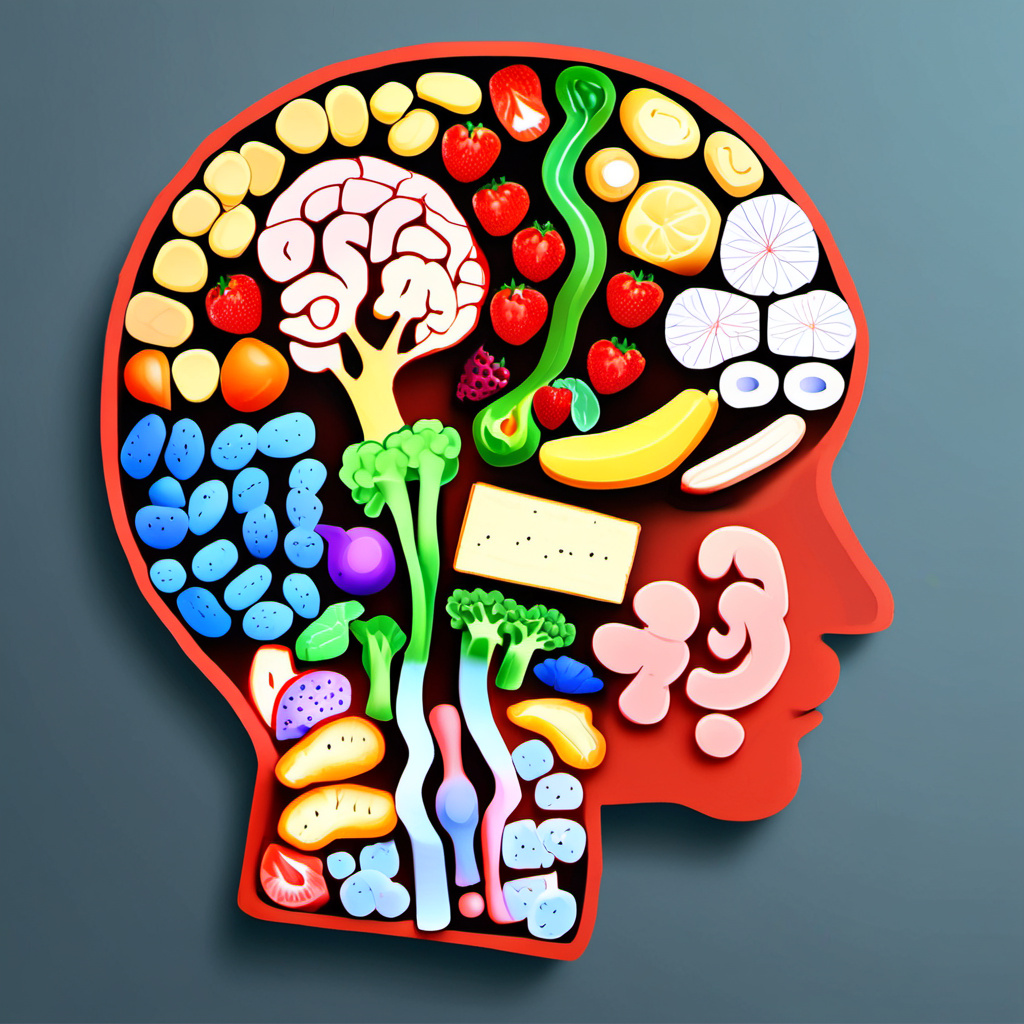
As we age, maintaining optimal brain function becomes increasingly important. Diet plays a crucial role in supporting cognitive health, and recent research highlights the effectiveness of dietary patterns specifically designed to protect the brain. One such approach is the MIND Diet, a blend of the Mediterranean and DASH (Dietary Approaches to Stop Hypertension) diets, tailored to reduce the risk of cognitive decline and Alzheimer’s disease. In this article, we explore the principles of the MIND Diet, its benefits, and practical strategies for incorporating it into daily life.
What Is the MIND Diet?
The MIND Diet, which stands for Mediterranean-DASH Intervention for Neurodegenerative Delay, draws upon the proven cardiovascular and neurological benefits of the Mediterranean and DASH diets. Developed by researchers at Rush University Medical Center, the MIND Diet focuses on food groups and nutrients scientifically linked to brain health. Its primary goal is to slow cognitive aging and reduce the risk of Alzheimer’s disease by prioritizing foods that promote brain function while limiting those that may be detrimental.
Core Principles of the MIND Diet
The MIND Diet emphasizes the consumption of specific food groups known to support brain health and minimize cognitive decline. The main principles include:
- Eat plenty of leafy green vegetables: Aim for at least six servings per week. Spinach, kale, and collard greens are particularly beneficial.
- Include other vegetables daily: Variety is key. Try carrots, peppers, broccoli, and tomatoes.
- Focus on berries: Blueberries and strawberries are highlighted for their antioxidant properties. Consume at least two servings per week.
- Choose nuts as snacks: Enjoy five servings per week of almonds, walnuts, or pecans for healthy fats and vitamin E.
- Use olive oil as your main cooking fat: Replace butter or margarine with olive oil to benefit from monounsaturated fats.
- Eat whole grains: Include three servings daily—think oats, brown rice, and whole-wheat bread.
- Consume fish and poultry regularly: Opt for fish at least once a week and chicken or turkey twice a week.
- Limit red meats, butter, cheese, pastries, sweets, and fried foods: These should be eaten sparingly.
Brain-Boosting Foods to Prioritize
Let’s look more closely at the foods that make up the core of the MIND Diet and the reasons behind their inclusion:
- Leafy greens, such as spinach and kale, are loaded with vitamin K, lutein, beta-carotene, and folate—nutrients linked to slower cognitive decline.
- Berries are rich in flavonoids and antioxidants that help protect brain cells from oxidative stress.
- Nuts provide healthy fats, antioxidants, and vitamin E, all of which support cognitive function.
- Whole grains supply steady energy and B vitamins that are essential for brain health.
- Fish, especially fatty fish like salmon and sardines, are excellent sources of omega-3 fatty acids, which are crucial for maintaining brain structure and function.
- Olive oil contains monounsaturated fats and polyphenols, both associated with lower rates of cognitive decline.
Foods to Limit for Cognitive Protection
The MIND Diet also recommends minimizing consumption of certain foods that may negatively affect brain health. These include:
- Red meats: Limit to fewer than four servings per week.
- Butter and margarine: Use less than a tablespoon daily, substituting with olive oil whenever possible.
- Cheese: Restrict to less than one serving per week.
- Pastries and sweets: Minimize intake to fewer than five servings per week.
- Fried or fast food: Enjoy no more than once a week.
The rationale for these recommendations is to reduce saturated fats, added sugars, and highly processed foods, all of which have been associated with increased risk of cognitive decline in observational studies.
Practical Tips for Following the MIND Diet
Transitioning to the MIND Diet doesn’t have to be overwhelming. Here are some practical steps to help you incorporate its principles into your routine:
- Plan your meals: Start by planning a week’s worth of meals that include daily servings of vegetables, berries, and whole grains.
- Swap smartly: Replace white bread with whole-grain options, and use olive oil instead of butter for cooking.
- Prep snacks: Keep nuts and washed berries on hand for easy, nutritious snacks.
- Add greens to everything: Incorporate spinach or kale into soups, omelets, and sandwiches.
- Choose lean proteins: Opt for fish, chicken, or turkey instead of red or processed meats.
- Cook at home more often: Homemade meals give you control over ingredients and portion sizes.
Sample One-Day MIND Diet Meal Plan
To illustrate how the MIND Diet can be put into practice, here’s a sample meal plan for a day:
- Breakfast: Oatmeal topped with fresh blueberries and a sprinkle of walnuts
- Snack: A handful of almonds
- Lunch: Spinach and quinoa salad with cherry tomatoes, peppers, grilled chicken, and an olive oil vinaigrette
- Snack: Carrot sticks and hummus
- Dinner: Baked salmon, brown rice, and steamed broccoli
- Dessert: Fresh strawberries
This sample day includes multiple servings of vegetables, whole grains, berries, nuts, lean protein, and healthy fats, all while limiting foods high in saturated fat and added sugars.
Potential Benefits of the MIND Diet
While more research is needed to fully understand the long-term effects, studies suggest that closely following the MIND Diet may help:
- Slow cognitive decline: People who adhere to the MIND Diet have shown slower rates of decline in thinking and memory skills.
- Lower risk of Alzheimer’s disease: Strict adherence to the MIND Diet has been associated with a reduced risk of developing Alzheimer’s, even for those with only moderate adherence.
- Support overall brain health: The diet’s emphasis on antioxidants, omega-3s, and vitamins may help protect against neuroinflammation and oxidative damage.
It’s important to note that the MIND Diet is not a cure for dementia or other neurological conditions, but it can be a valuable part of a holistic lifestyle approach to maintaining cognitive health.
Making the MIND Diet Work for You
Adopting the MIND Diet doesn’t mean you must overhaul your eating habits overnight. Small, gradual changes can make a significant difference. Here are some ideas to personalize the diet:
- Start with what you enjoy: If you love berries, add them to your breakfast or dessert several times a week.
- Build new habits: Try introducing one new leafy green vegetable each week.
- Get creative in the kitchen: Experiment with herbs, spices, and different cooking methods to keep meals interesting.
- Involve family and friends: Sharing meals and recipes can make healthy eating more enjoyable and sustainable.
Scientific Evidence and Research Behind the MIND Diet
The MIND Diet was formulated based on observational studies and clinical trials examining the relationship between dietary patterns and cognitive decline. One landmark study conducted at Rush University followed over 900 participants for an average of 4.5 years. The results demonstrated that those adhering most closely to the MIND Diet had a 53% lower risk of developing Alzheimer’s disease compared to those with the lowest adherence. Even moderate adherence resulted in a 35% risk reduction. Subsequent studies have reinforced these findings, revealing associations between the MIND Diet and slower rates of cognitive aging, better verbal memory, and improved executive function.
Beyond Alzheimer’s prevention, research indicates that the MIND Diet may benefit overall brain health by reducing markers of neuroinflammation and oxidative stress. Animal studies suggest that bioactive compounds in MIND Diet foods, such as flavonoids from berries and omega-3s from fish, exert protective effects on neurons, synaptic plasticity, and cerebral blood flow. Clinical trials are ongoing to determine if the MIND Diet can positively influence biomarkers such as beta-amyloid and tau proteins, which are implicated in Alzheimer’s pathology.
Despite promising data, it is important to recognize that most evidence comes from observational studies, which can identify associations but not direct causality. Randomized controlled trials are currently in progress to better establish the diet’s efficacy. Nonetheless, the robust consistency of findings across populations and methods adds credibility to the MIND Diet’s brain-protective claims.
Advanced Meal Planning and Batch Cooking Strategies
Implementing the MIND Diet successfully often hinges on consistent meal planning and efficient food preparation. Advanced strategies can help streamline adherence, especially for busy individuals or families.
- Batch Cooking: Prepare large quantities of MIND-friendly staples such as brown rice, quinoa, or lentil soup on weekends. Portion and refrigerate or freeze these items to simplify weekday meals.
- Pre-chopped Ingredients: Wash and chop greens like kale and spinach, and store them in airtight containers for use in salads, omelets, and grain bowls.
- Marinated Proteins: Marinate chicken breasts or salmon fillets in olive oil, lemon, and herbs, then bake or grill enough for several meals.
- Snack Packs: Create individual snack bags containing a mix of nuts and dried (unsweetened) berries for grab-and-go options.
- Menu Rotation: Develop a two- or four-week rotating menu of MIND Diet recipes to reduce decision fatigue and shopping time.
Batch cooking not only reduces daily prep time but also helps prevent unhealthy last-minute choices. Investing in good-quality storage containers and labeling with dates ensures food safety and variety throughout the week.
Addressing Common Challenges and Solutions
Adopting the MIND Diet may present barriers, particularly for those with restrictive schedules, culinary limitations, or financial constraints. Understanding these challenges and having actionable solutions improves long-term adherence.
- Cost Concerns: While fresh berries and fish can be expensive, frozen berries and canned (low-sodium) fish like sardines or salmon are cost-effective alternatives. Buying whole grains and nuts in bulk also reduces expenses.
- Limited Cooking Skills: Start with simple, one-pan recipes such as sheet-pan roasted vegetables and chicken. Many MIND Diet meals require minimal culinary expertise.
- Time Constraints: Use slow cookers or instant pots to prepare soups, stews, and grains with minimal hands-on time. Prep vegetables and proteins in advance for quick assembly.
- Picky Eaters: Gradually introduce new foods by mixing them with familiar favorites. For example, blend kale into fruit smoothies or stir berries into yogurt.
- Dining Out: Choose restaurants with Mediterranean or health-conscious menus. Opt for salads with olive oil dressing, grilled fish or chicken, and side dishes of steamed vegetables or whole grains.
By anticipating obstacles and proactively developing solutions, individuals can more easily integrate the MIND Diet into their lifestyle, regardless of circumstances.
Personalizing the MIND Diet for Different Life Stages
The MIND Diet’s guidelines are flexible and can be adapted for various ages and life circumstances. Tailoring the approach ensures optimal nutrition and cognitive benefits for everyone from children to older adults.
- For Children and Adolescents: Encourage participation in meal prep, offer colorful berry and vegetable snacks, and swap sugary cereals for oatmeal with fruit. Emphasize whole-grain pastas and nut butters for familiar flavors.
- For Young Adults: Focus on budget-friendly meals like grain bowls with beans, greens, and roasted vegetables. Use meal prep containers for portable lunches and snacks.
- For Pregnant Women: Prioritize folate-rich leafy greens and omega-3-rich fish (choosing low-mercury options). Limit processed foods and ensure adequate iron and calcium intake.
- For Older Adults: Consider softer-cooked vegetables for easier chewing, and focus on hydration and adequate calorie intake. Monitor for potential vitamin B12 or D deficiencies, common in this group.
Personalization ensures that the principles of the MIND Diet can be safely and enjoyably maintained across the lifespan, with appropriate modifications for individual needs and preferences.
Integrating the MIND Diet with Other Health Goals
The MIND Diet’s focus on plant-based foods, healthy fats, and lean proteins naturally aligns with other health objectives, such as weight management, improved cardiovascular health, and diabetes prevention. Here are practical ways to combine the MIND Diet with additional goals:
- For Weight Loss: Emphasize high-fiber vegetables and whole grains to promote satiety. Use portion control with nuts and olive oil, as these are calorie-dense despite their health benefits.
- For Heart Health: Increase intake of fatty fish (up to twice weekly) and unsalted nuts, while further reducing sodium by choosing fresh or frozen vegetables over canned varieties.
- For Diabetes Management: Prioritize low-glycemic whole grains (like steel-cut oats and barley) and limit even healthy sweets like dried fruit. Focus on regular, balanced meals to maintain stable blood sugar.
- For Plant-Based Diets: Replace fish and poultry with legumes, tofu, or tempeh. Use flaxseeds or walnuts for plant-based omega-3s and ensure adequate B12 through fortified foods or supplements.
Consulting a registered dietitian can help tailor the MIND Diet to unique medical or nutritional requirements, maximizing both cognitive and overall health.
Exploring Cultural Adaptations of the MIND Diet
While the MIND Diet is rooted in Mediterranean and DASH dietary traditions, its principles can be adapted to diverse cuisines, making it accessible to people worldwide. Here are examples of how various cultures can incorporate MIND-friendly choices:
- Asian Cuisine: Use bok choy, spinach, and napa cabbage for greens; prepare stir-fries with brown rice and tofu; incorporate berries into fruit salads or desserts.
- Latin American Cuisine: Highlight black beans, quinoa, and corn as whole grains; use avocado oil in place of olive oil; blend berries into smoothies or serve atop whole-grain tortillas.
- African Cuisine: Feature leafy greens like collards and amaranth; include millet and teff as whole grain options; use groundnuts (peanuts) for healthy fats.
- Middle Eastern Cuisine: Incorporate lentil stews, tabbouleh with parsley and bulgur, and grilled fish; use tahini and olive oil as healthy fat sources.
Flavorful herbs, spices, and traditional preparation methods can be used to create satisfying, brain-healthy meals that honor culinary heritage while supporting cognitive function.
Monitoring Progress and Recognizing Signs of Cognitive Improvement
Adopting the MIND Diet is an investment in long-term brain health, but it can be motivating to track progress and recognize subtle improvements. Here are ways to monitor outcomes:
- Cognitive Journaling: Keep a daily or weekly journal noting memory, focus, mental clarity, and mood. Look for improvements in recalling names, multitasking, or learning new skills.
- Nutrient Tracking: Use apps or food diaries to ensure consistent intake of key MIND Diet foods such as leafy greens, berries, and whole grains.
- Health Markers: Schedule regular checkups to monitor blood pressure, cholesterol, and blood sugar, as these are often positively influenced by the MIND Diet.
- Social and Emotional Benefits: Observe changes in social engagement, motivation, and mood stability, which often accompany better cognitive health.
Recognizing positive changes, no matter how small, can reinforce motivation and help sustain healthy habits for years to come.
Understanding Limitations and Individual Variability
While the MIND Diet offers evidence-based guidelines for cognitive health, individual responses can vary due to genetics, lifestyle, existing health conditions, and even gut microbiome composition. Some people may experience more pronounced cognitive benefits than others, and it’s crucial to maintain realistic expectations.
Potential limitations include allergies or intolerances to key foods (such as nuts or fish), difficulty accessing fresh produce in food deserts, or digestive issues with high-fiber diets. In such cases, substitutions and adjustments are necessary. For example, seeds can replace nuts, and frozen or canned vegetables (with minimal additives) can substitute for fresh. Those with chronic gastrointestinal conditions may need to gradually increase fiber intake to avoid discomfort.
Ultimately, the MIND Diet should be viewed as one component of a comprehensive brain-healthy lifestyle that also includes physical activity, intellectual stimulation, social engagement, and adequate sleep. Collaborating with health professionals ensures the diet is adapted to individual needs and maximizes its potential benefits.
Frequently Asked Questions (FAQ)
1. How does the MIND Diet differ from the Mediterranean and DASH diets?
The MIND Diet incorporates elements from both the Mediterranean and DASH diets but focuses specifically on foods linked to brain health, such as leafy greens and berries. It offers more detailed guidance on the types and frequency of foods to eat for cognitive protection.
2. Can the MIND Diet help prevent Alzheimer’s disease?
While the MIND Diet has been associated with a reduced risk of Alzheimer’s disease in observational studies, it cannot guarantee prevention. However, following the diet may contribute to overall brain health and slow cognitive decline.
3. Is the MIND Diet suitable for vegetarians or vegans?
Yes, the MIND Diet can be adapted for plant-based eaters. Legumes, tofu, and additional nuts or seeds can replace fish and poultry as protein sources, while still emphasizing vegetables, whole grains, and healthy fats.
4. Are there any risks associated with the MIND Diet?
The MIND Diet is generally considered safe and balanced. As with any diet, those with specific health conditions should consult a healthcare provider or registered dietitian before making significant changes to their eating patterns.
5. How soon can I expect to notice benefits from following the MIND Diet?
Improvements in brain health may take time and are often the result of consistent long-term habits. While some people may experience increased energy or mental clarity after a few weeks, the most significant benefits are observed over months and years of adherence.
Related posts:
 Understanding Mediterranean Cuisine
 High-Protein Foods That Pack a Serious Nutritional Punch
 Brain-Boosting Foods
 The Green Goddess Guide to Buying Leafy Perfection
 Pegan Diet Explained: The Paleo-Vegan Hybrid Taking Over
 DASH Diet’s Impact on Depression
 Mediterranean Diet Recipes That Make Healthy Eating Effortless
 Fish-Free Mediterranean Diet