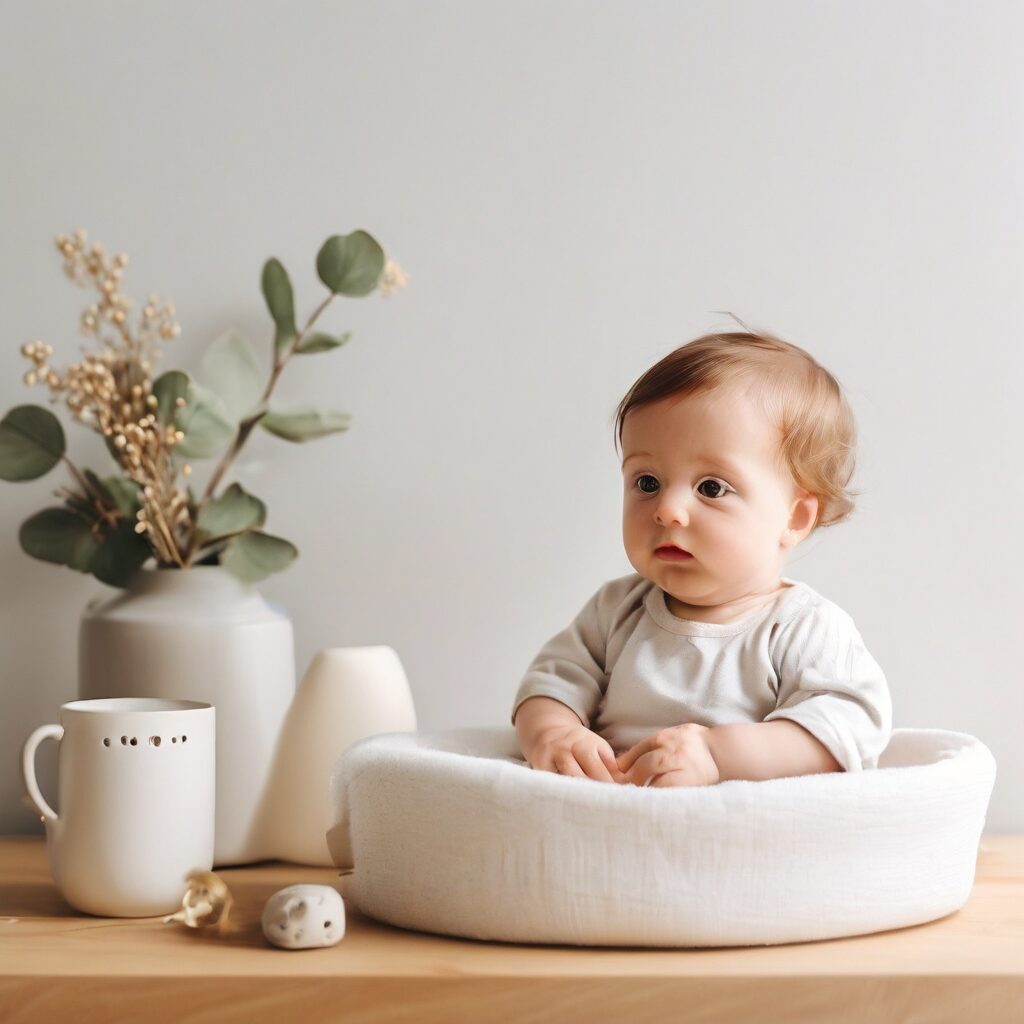
Welcoming a new baby into the world is an exciting time, but it can also be overwhelming with the sheer amount of baby products available. A minimalist baby registry can help you focus on the essentials and avoid unnecessary clutter. In this guide, we’ll walk you through the must-have items for a minimalist baby registry.
Key takeaways
- Focus on multi-purpose furniture like dressers with changing pads instead of buying dedicated nursery stations.
- Adopt a wait-and-see approach for secondary gear, like swings or bouncers, to avoid storing items your baby may dislike.
- Prioritize open-ended toys and library books over battery-operated gadgets that clutter space and overstimulate infants.
- Request service-based gifts like meal delivery, cleaning services, or college savings funds instead of physical baby products.
Why Choose a Minimalist Baby Registry?
A minimalist baby registry is not just about saving space; it’s about simplifying your life and focusing on what truly matters. By choosing only the essentials, you can reduce stress, save money, and create a more serene environment for your new baby.
Essential Items for a Minimalist Baby Registry
1. Diapers and Wipes
Diapers are a no-brainer. Whether you choose disposable or cloth, make sure you have enough to get you through the first few weeks. Don’t forget wipes, as they are essential for diaper changes and cleaning up messes.
2. Clothing
Babies grow quickly, so you don’t need a lot of clothes. Stick to the basics: onesies, sleepers, and a few hats and socks. Choose soft, comfortable fabrics that are easy to wash.
3. Feeding Supplies
Whether you plan to breastfeed or bottle-feed, you’ll need some feeding supplies. A breast pump, bottles, and a nursing pillow are useful items to add to your registry. Don’t forget burp cloths!
4. Sleeping Arrangements
A safe place for your baby to sleep is crucial. A crib or bassinet with a firm mattress and fitted sheets are essential. Consider a swaddle or sleep sack to keep your baby cozy and secure.
5. Transportation
You will need a car seat to safely transport your baby. Additionally, a stroller or baby carrier can make getting around easier. Choose products that are safe, comfortable, and easy to use.
6. Bathing and Grooming
A baby bathtub, gentle baby shampoo, and washcloths are essential for bath time. Add a soft brush and nail clippers to keep your baby well-groomed.
Additional Tips for a Minimalist Baby Registry
When creating your minimalist baby registry, keep these tips in mind:
- Choose multi-purpose items: Look for products that can serve more than one function to save space and money.
- Consider second-hand: Babies grow quickly, so many baby items are gently used. Consider borrowing or buying second-hand items.
- Focus on quality over quantity: It’s better to have a few high-quality items than a lot of lower-quality ones.
- Ask for essentials: When friends and family ask what you need, be clear about the essential items on your list.
The “Wait and See” Strategy for Secondary Gear
One of the most effective ways to maintain a minimalist baby registry is to adopt a “wait and see” philosophy for secondary gear. These are items that are frequently marketed as essentials but are highly dependent on your baby’s unique personality and your specific lifestyle. For instance, while a baby swing or an automated bouncer is often found on standard registries, not every infant enjoys the motion. By waiting until after the baby is born to see if they are particularly fussy or if they only settle with constant movement, you avoid storing a bulky, expensive piece of equipment that may never be used.
Consider the edge case of specialized soothing devices. High-tech bassinets that vibrate or expensive sound machines with dozens of settings can often be replaced by a simple, free white noise app on an old smartphone or a basic fan. Similarly, bottle warmers and wipe warmers are often cited by minimalist parents as unnecessary clutter. A baby can easily grow accustomed to room-temperature wipes and bottles, which makes outings much simpler since you won’t be tethered to a power outlet or carrying extra heating gadgets. If you find your baby is particularly sensitive to temperature, you can always use a bowl of warm water to heat a bottle—a solution that requires no extra counter space.
Another area to apply this strategy is with pacifiers and bottles. Many parents register for large sets of a single brand, only to discover their baby refuses that specific nipple shape. A minimalist approach involves skipping the bulk packs and instead having one or two different samples on hand. Once your baby indicates a preference, you can then purchase a small supply of the specific brand that works. This prevents a drawer full of silicone and plastic from ending up in a landfill.
Space-Saving Furniture and Nursery Alternatives
Traditional nursery design often revolves around a large crib, a dedicated changing table, and a massive glider. However, a minimalist registry focuses on furniture that serves multiple purposes or can be omitted entirely. For those living in smaller homes or apartments, a mini-crib or a high-quality pack-and-play can serve as the primary sleep space from birth through toddlerhood. These options have a smaller footprint and, in the case of the pack-and-play, can be folded away when not in use or taken on trips, providing a consistent sleep environment for the baby.
The changing table is perhaps the most redundant piece of baby furniture. A minimalist alternative is to use a low dresser you already own and secure a changing pad to the top. This not only saves money but also ensures the furniture remains useful long after the diaper phase is over. When the child is potty trained, you simply remove the pad, and the dresser continues to function as standard bedroom storage. For an even more stripped-back approach, some parents opt for a portable, foldable changing mat that can be used on the floor or a bed, eliminating the need for a dedicated changing station altogether.
When it comes to seating, consider if a specialized nursery glider is truly necessary. If you already have a comfortable armchair or a supportive sofa, these can often serve the same purpose for feeding and rocking. If you do choose to buy a chair, look for a design that fits naturally into your living room decor later. Avoiding “baby-specific” aesthetics ensures that your home doesn’t feel overtaken by gear and that your investments have longevity beyond the first year of the child’s life.
A Streamlined Approach to Baby Health and Safety
The health and safety aisle of a baby store is designed to trigger parental anxiety, leading many to register for 50-piece grooming kits and complex monitoring systems. A minimalist registry cuts through the noise by focusing on a few high-quality tools. For example, instead of a digital forehead thermometer, a basic rectal thermometer is often recommended by pediatricians for the most accurate readings in infants. You don’t need three different types; one reliable, medical-grade device is sufficient.
Nasal congestion is common in newborns, but you don’t necessarily need an electric nasal aspirator. A simple manual snot sucker is often more effective and significantly easier to clean and store. Pair this with a bottle of saline drops, and you have a complete respiratory kit. For grooming, skip the kits that include specialized baby hairbrushes (unless your baby is born with a full head of hair) and focus on a pair of high-quality baby nail clippers or a gentle electric nail file. The latter is an excellent example of a tool that prevents the stress of accidentally clipping tiny fingers, making it a functional minimalist choice.
Home safety gear is another area where you can wait. You do not need to baby-proof your entire house before the baby arrives. Newborns are not mobile. By waiting until your baby starts to crawl, you can better assess which cabinets actually need locks and which areas are truly hazardous. This prevents you from installing unnecessary plastic latches on every drawer in your home. Often, simply moving heavy items to higher shelves is a more minimalist and effective solution than buying a plethora of plastic safety gadgets.
The Minimalist Postpartum Recovery Kit
A minimalist baby registry isn’t just for the baby; it should also support the birthing parent’s recovery. However, this doesn’t mean you need a mountain of specialized postpartum products. Many of the essentials are provided by the hospital, and you can often replenish these supplies as needed rather than stocking up in advance. Focus on a few multi-purpose items: high-waisted, comfortable cotton underwear that can accommodate pads, a simple peri bottle (the hospital version works perfectly well), and a large, insulated water bottle to stay hydrated, especially if breastfeeding.
For skin and body care, a single high-quality balm can often serve multiple roles. A lanolin-based or nipple-safe organic balm can be used for nursing discomfort, as a lip balm, and even for dry patches on the baby’s skin. This reduces the number of tubes and jars cluttering your nightstand. If you are planning to breastfeed, instead of buying various types of nursing covers, consider using a lightweight muslin swaddle you already have on your registry. These swaddles are the ultimate minimalist tool—they function as a blanket, a burp cloth, a sunshade for the stroller, and a nursing cover.
Mental health and physical comfort are paramount, so consider adding items that facilitate rest. This might include a comfortable robe or a set of button-down pajamas that allow for easy skin-to-skin contact and nursing access. By focusing on a few versatile, high-quality items for yourself, you reduce the “clutter” of recovery and create a more peaceful environment for bonding with your newborn.
Beyond Physical Goods: Service-Based Registry Options
One of the most overlooked aspects of a minimalist registry is the inclusion of services rather than physical goods. Many modern registry platforms allow you to create “funds” for specific needs. This is a powerful way to get the support you actually need without adding a single item to your closet. A meal train fund, for example, can be used to pay for grocery delivery or healthy takeout during the first few weeks when cooking feels impossible. This is far more valuable than another set of newborn outfits.
Other service-based options include a postpartum doula fund, a cleaning service for the first month, or even a fund for professional photography. If you are planning for the long term, you can set up a 529 college savings plan and allow family members to contribute to that instead of buying toys. This shift from “stuff” to “support” is the cornerstone of a truly minimalist philosophy. It acknowledges that the most precious resource for new parents is time and energy, not gadgets.
For parents who are concerned about the environmental impact of baby gear, you can also register for a diaper service if you are using cloth diapers. This provides the convenience of disposables with the eco-friendliness of cloth, and it keeps the bulky laundry process out of your home. By prioritizing these services, you are building a community of support around your family, which is a far more durable foundation than any piece of plastic equipment.
Sustainable Play and Developmental Essentials
The toy industry is a major source of clutter, with many products designed for very narrow developmental windows. A minimalist approach to play focuses on “open-ended” toys that grow with your child. For the first few months, a baby doesn’t actually need toys; they are most interested in faces and the world around them. When you do begin to add play items to your registry, look for items like wooden blocks, silk scarves, or nesting cups. These can be used in dozens of ways as the child moves from grasping to stacking to imaginative play.
Avoid toys that require batteries or those that only perform one function (like a plastic phone that only makes one sound). These often overstimulate infants and lose their novelty quickly. Instead, a simple activity gym made of natural wood with a few hanging elements can provide enough stimulation for tummy time and early reaching. The “Rule of Three” is a helpful guideline here: try to have no more than three active toys available at any given time. You can rotate them to keep the baby’s interest high without needing a large toy box.
Books are the one area where many minimalists make an exception, but even here, you can be intentional. Focus on high-contrast black-and-white books for newborns, which aid in visual development, and a few classic board books. Utilizing your local library is the ultimate minimalist hack for children’s books—it allows you to introduce new stories every week without owning a single one. This also teaches your child early on about community resources and the value of sharing.
Climate-Specific Minimalism and Travel Gear
Your geographic location should heavily influence your minimalist registry. A parent in a snowy climate has different “essentials” than one in a tropical area. Instead of buying a full suite of seasonal gear, focus on layering. For a winter baby, a single high-quality, insulated bunting or a warm car seat cover is often better than five different jackets. For a summer baby, prioritize breathable cotton and muslin fabrics and a simple, clip-on fan for the stroller rather than specialized cooling gadgets.
When it comes to travel, the minimalist choice depends on your primary mode of transportation. If you live in a walkable city and rely on public transit, a high-quality, ergonomic baby carrier might be more essential than a bulky stroller. A carrier allows you to navigate stairs and crowded buses with ease while keeping your hands free. Conversely, if you live in a suburb where you drive everywhere, a lightweight “frame stroller” that the car seat clicks into can be a great space-saver for the first six months, after which you can transition to a single, high-quality umbrella stroller.
For those who travel frequently to visit family, consider the “duplicate” strategy. Instead of hauling a portable crib and high chair back and forth, see if a grandparent or frequent host can source these items second-hand to keep at their house. This drastically reduces the amount of gear you need to pack and manage for every trip. Minimalism on the go is about reducing the friction of movement, ensuring that you can still enjoy your pre-baby activities without feeling weighed down by an excessive amount of luggage.
FAQ
1. What are the benefits of a minimalist baby registry?
A minimalist baby registry helps simplify your life, save money, and create a clutter-free environment. It allows you to focus on essential items and avoid unnecessary purchases.
2. How many clothing items should I include in a minimalist baby registry?
Stick to the basics: about 7-10 onesies, 5-7 sleepers, a few hats, and socks. Babies grow quickly, so you don’t need a large wardrobe.
3. Can I include second-hand items in my minimalist baby registry?
Absolutely! Many baby items are gently used and can be borrowed or bought second-hand. Just make sure they meet current safety standards.
4. What should I prioritize in a minimalist baby registry?
Prioritize items that are essential for your baby’s health and safety, such as diapers, a car seat, and a safe place to sleep. Multi-purpose items are also a great choice.
5. How can I ensure that my baby registry remains minimalist?
Focus on the essentials, choose multi-purpose items, and avoid adding trendy or non-essential products. Be clear with friends and family about what you need.