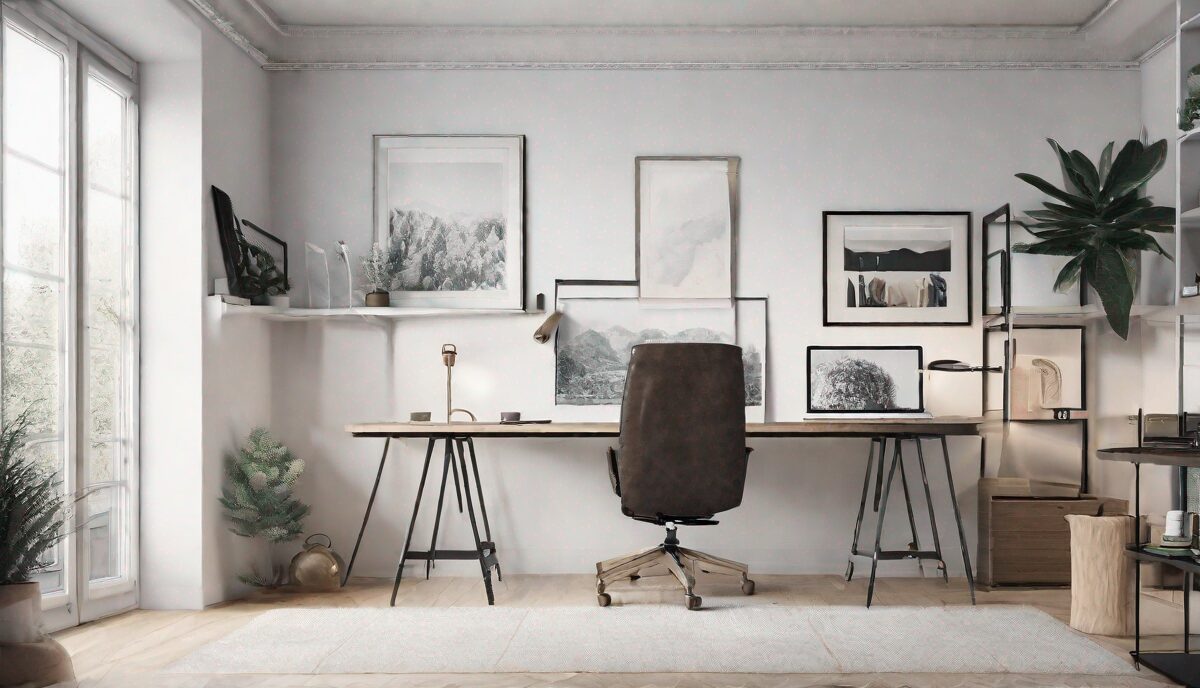
In today’s fast-paced world, many of us are working from home. Creating a minimalist home office can enhance productivity, reduce stress, and promote a clearer mind. This article will guide you on how to design a minimalist home office that is both functional and aesthetically pleasing.
Why Choose a Minimalist Home Office?
A minimalist home office focuses on simplicity and functionality. By eliminating unnecessary clutter and distractions, you can create a space that fosters concentration and efficiency. Here are a few reasons to consider a minimalist approach:
- Increased Productivity: A clean and organized space can help you stay focused on your tasks.
- Less Stress: Clutter can be overwhelming. A minimalist office reduces visual stress.
- Easy Maintenance: Fewer items mean less cleaning and organizing.
Essential Elements of a Minimalist Home Office
To achieve a minimalist home office, focus on these key elements:
- Functional Furniture: Choose pieces that serve multiple purposes, like a desk with storage.
- Neutral Colors: Stick to a simple color palette to create a calm environment.
- Quality over Quantity: Invest in high-quality items that will last longer and perform better.
- Natural Light: Maximize natural light to improve mood and productivity.
Steps to Design a Minimalist Home Office
Follow these steps to create your minimalist home office:
- Declutter: Remove any items that are not essential to your work.
- Choose the Right Furniture: Select functional and ergonomic furniture that fits your space.
- Organize: Use storage solutions to keep your workspace tidy.
- Add Personal Touches: Include a few personal items that inspire you, but don’t overdo it.
- Maintain: Regularly clean and organize your space to keep it minimalist.
Tips for Maintaining a Minimalist Home Office
Once you’ve created your minimalist home office, it’s important to maintain it. Here are some tips:
- Regular Decluttering: Set aside time each week to declutter your workspace.
- Stay Organized: Develop a system for keeping your office supplies and documents organized.
- Mindful Purchasing: Only buy items that you truly need and will use.
- Digital Minimalism: Keep your digital workspace as organized as your physical one.
Cable Management as a Design Statement
In a minimalist environment, the chaotic tangle of charging cables and peripheral cords is the greatest enemy of visual serenity. To truly achieve a minimalist aesthetic, you must move beyond simple zip ties. Consider installing under-desk cable trays that hide power strips completely from view. If your desk is positioned away from a wall, utilize floor-to-desk cable sleeves that match the color of your wall or floor to create a single, monolithic line. For a more advanced approach, use magnetic cable clips to anchor charging cables to the edge of your desk, ensuring they are accessible when needed but invisible when not in use. By eliminating the “spaghetti” effect beneath your feet, you create a sense of weightlessness that makes the room feel larger and more intentional.
The Psychology of Biophilic Minimalism
Integrating nature into a minimalist space is not about adding “decor”; it is about enhancing the biological health of your workspace. A single, well-placed plant—such as a snake plant or a zz plant—can break the rigidity of clean lines without introducing clutter. These plants thrive in low-maintenance environments and provide a necessary organic counterpoint to the synthetic textures of monitors and keyboards. When selecting a plant, choose a vessel that aligns with your neutral palette, such as a matte ceramic pot or a simple glass cylinder. The goal is to introduce a touch of life that filters the air and provides a subtle, calming focal point for your eyes to rest upon during intense periods of deep work.
Lighting Beyond the Overhead Fixture
Standard overhead lighting often creates harsh, flat shadows that make a space feel clinical rather than calm. A minimalist office requires a layered lighting approach. Start with a high-quality task lamp that features adjustable color temperatures; warm light is excellent for reading or brainstorming, while cool, blue-toned light can assist with focus during analytical tasks. Consider placing a slim-profile LED light bar behind your monitor to reduce eye strain, a technique known as bias lighting. This creates a soft halo effect against the wall, which adds depth to your workspace without requiring extra floor space for bulky lamps. By controlling the light, you control the mood of the room, allowing you to shift from an energized morning workspace to a focused, dim-lit evening zone.
Curating the Digital-Physical Interface
Minimalism is often hindered by the physical artifacts of digital work, such as external hard drives, USB hubs, and bulky docking stations. To maintain your aesthetic, look for “hidden” technology solutions. Utilize under-desk mounting brackets to attach your laptop dock or external drives to the underside of your desk, leaving the surface entirely clear. If you use a dual-monitor setup, invest in a single, heavy-duty monitor arm that clamps to the back of your desk. This clears the “footprint” of the monitor stands, effectively doubling your usable desk surface and creating an airy, unobstructed line of sight. By elevating your hardware, you remove the visual weight of the equipment, making your desk feel like a floating platform rather than a cluttered workbench.
Tactile Minimalism: Textures Over Patterns
Without patterns or vibrant colors to catch the eye, a minimalist room can sometimes feel sterile or “cold.” The secret to warming up a minimalist office is the use of varied, high-quality textures. Instead of adding decorative items, focus on the materials you interact with every day. A natural wool felt desk mat provides a soft, warm surface for your mouse and keyboard, dampening sound and adding a layer of comfort. Incorporate a chair with a breathable mesh or a high-quality fabric finish rather than cold plastic. By choosing items that feel good to the touch, you create a sensory experience that compensates for the lack of visual noise. This shift in focus from what the room looks like to how the materials feel is the hallmark of a sophisticated design.
Designing for “Flow” and Movement
A minimalist office should not be a static cage; it should be a dynamic space that encourages movement throughout the day. Consider integrating a height-adjustable standing desk, which, in its minimalist form, features a clean-lined frame and a seamless top without visible motors or wires. When you are not using the desk, ensure that your chair can be tucked completely away, leaving the floor space open. This “reset” capability is vital for psychological closure at the end of the workday. By ensuring that your furniture does not dominate the room, you allow the space to serve other functions, such as meditation or reading, when your work is finished. A truly minimalist office is one that can disappear when you are not using it.
FAQ
1. What are the benefits of a minimalist home office?
A minimalist home office can increase productivity, reduce stress, and make it easier to maintain a clean and organized workspace.
2. How do I start decluttering my home office?
Begin by removing any items that you don’t use regularly. Sort through your belongings and keep only what is necessary for your work.
3. What type of furniture is best for a minimalist home office?
Choose functional, ergonomic furniture that serves multiple purposes. Avoid bulky or overly decorative pieces.
4. How can I maintain a minimalist home office?
Regularly declutter, stay organized, and be mindful of what you bring into your space. Develop a routine for maintaining cleanliness and order.
5. Can a minimalist home office be personalized?
Yes, a minimalist home office can include personal touches. Just be selective and avoid overloading the space with personal items.
Related posts:
 Scandinavian Minimalism
 Creative Home Office Desk Ideas
 Tiny Green Therapy: How Mini Plants Are Revolutionizing the Workspace
 Desk Yoga for Back Pain Relief
 Open Concept Done Right: Design Tips for Spacious Living
 Desk Setup Game-Changer: The Perfect Phone Perch for Productivity
 Memorial Day Patio Furniture Deals
 Mood Makeover: The Office Supplies That Will Transform Your Workday Vibes