Experiences Over Possessions
Rather than accumulating more stuff, consider what really matters – the experiences and memories we share with others. Focus less on material goods and more on meaningful connections.
Quality Over Quantity
Carefully choose a few items that spark joy or serve a purpose, rather than cluttering your space. Consider donating unused items to charity.
Living Intentionally
Set aside time for self-reflection on your goals and values. Let go of societal pressures to overconsume. Discover what minimalist living means for you.
The Gift of Presence
Spend less time shopping and more time present with loved ones. Your time and attention are the most valuable gifts you can offer.
Curating a Digital Legacy: The Memory-First Approach
In our modern era, the clutter is not just physical; it is digital. Thousands of ephemeral screenshots, blurry photos, and unorganized cloud storage folders act as a weight on our mental bandwidth. To truly collect memories, you must move beyond the “hoarding” of digital files. Start by auditing your digital life: delete the duplicate photos, organize your memories into chronological albums, and move away from the habit of capturing every moment through a screen. When you stop obsessively documenting an experience, you start actually living it. Instead of storing ten thousand photos on a server, print the top five from each year and frame them. This shifts the focus from “having a record” to “having a connection” with the moments that shaped your identity.
The Architecture of Minimalist Spaces
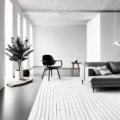
Your environment dictates your emotional state. To foster a life of memories, design your home as a gallery rather than a warehouse. Use “negative space” strategically; an empty wall or a clear tabletop invites conversation and reflection. If you have sentimental items, rotate them. Keep one meaningful artifact on display for a month, then store it safely and replace it with another. This keeps your space fresh and ensures that your possessions never become “background noise.” By treating your home as a living, breathing curation of your history, you prevent the numbing effect that comes from living among too many objects. This practice turns your living space into a tool for mindfulness rather than a collection of distractions.
Budgeting for Experiences: The Memory Fund
Financial minimalism is often misunderstood as merely “saving money.” Instead, treat it as a reallocation of resources toward high-impact experiences. Open a dedicated “Memory Fund”—a high-yield savings account where you deposit the money you would have otherwise spent on impulse purchases or unnecessary upgrades. When this fund reaches a specific milestone, use it for a shared experience: a trip, a workshop, or a weekend getaway with family. This creates a psychological feedback loop where the act of not buying things becomes a direct catalyst for creating a new, lasting memory. You aren’t depriving yourself; you are simply waiting for a better return on your investment.
Navigating Social Obligations and Gift-Giving
One of the greatest challenges to minimalism is the cultural pressure of gift-giving during holidays and birthdays. When family or friends ask for a wish list, pivot the conversation toward “consumable” or “experiential” gifts. Suggest a cooking class, concert tickets, a museum membership, or even a batch of homemade goods that will be consumed and leave no physical footprint. If you receive a physical gift that doesn’t align with your values, express deep gratitude for the gesture, not the item. If it cannot serve a purpose in your life, pass it on to someone who can truly use it. By shifting the social narrative from “things as symbols of love” to “time as the currency of love,” you make it easier for others to respect your minimalist boundaries.
The Sensory Archive: Beyond Visual Memories
We often rely too heavily on our eyes to archive our lives, but memories are deeply tied to the senses. Minimalism encourages us to deepen our engagement with the present through smell, taste, and sound. Rather than buying a new piece of decor, invest in high-quality ingredients for a meal shared with friends, or curate a playlist that will become the soundtrack for your summer. When you minimize the visual clutter, you create room for sensory richness. A room free of excess allows the smell of fresh coffee or the sound of a crackling fire to become the centerpiece of the evening. These sensory anchors are often more powerful at triggering nostalgia than any physical trinket could ever be.
Minimalism as a Tool for Personal Growth
The process of letting go is, in itself, a transformative experience. As you remove items, you will inevitably encounter “sunk cost” fallacies—the feeling that you should keep something because you spent money on it. Use these moments for self-reflection. Ask yourself: “If I were buying this today, knowing what I know now, would I choose it again?” This simple question helps you identify shifts in your personal growth. If the answer is no, the item has served its purpose as a teacher. By letting go of the object, you are also letting go of a past version of yourself that no longer serves your current, intentional life. This creates the emotional space required for new memories and new identities to emerge.
FAQ
What are the benefits of minimalist living?
Minimalism leads to more freedom, less stress, better health, financial savings, and deeper connections.
How do I get started with a minimalist lifestyle?
Start small by decluttering one area at a time. Evaluate each item’s purpose and effect on your life.
Isn’t minimalism uncomfortable and restrictive?
Minimalism is about purposeful and intentional living, not strict deprivation. Pare down to what matters most to you.
What if others don’t understand my minimalist choices?
Explain that you are focusing on joyful experiences over possessions. Assure them it’s your personal choice.
How can I enjoy life if I get rid of most of my stuff?
True enjoyment comes from meaningful moments with loved ones, not accumulating possessions. Cherish memories over things.