Creating a sanctuary that actively improves your mental state is a design philosophy championed by supermodel and wellness entrepreneur Miranda Kerr. Her approach to interior design goes beyond mere aesthetics; it is rooted in the belief that our physical environment acts as an extension of our internal state. By curating spaces that prioritize light, natural elements, and personal resonance, you can transform a house into a restorative haven. This guide explores the core principles of Kerr’s mood-boosting decor and how you can translate these luxury-inspired concepts into your own home.
Key takeaways
- Maximize natural light with sheer curtains and mirrors, then use warm-toned, layered lighting at night to support circadian rhythms.
- Incorporate biophilic elements like indoor plants and organic textures such as wood, stone, and jute to lower cortisol levels.
- Use a soft, neutral color palette and intentional negative space to reduce visual clutter and provide mental breathing room.
- Choose furniture with rounded or curvilinear edges, as these shapes are perceived by the brain as less threatening and more inviting.
- Create a screen-free mindfulness zone and use soft furnishings like rugs and heavy curtains to improve acoustic comfort and tranquility.
The Psychology of Light and Airy Spaces
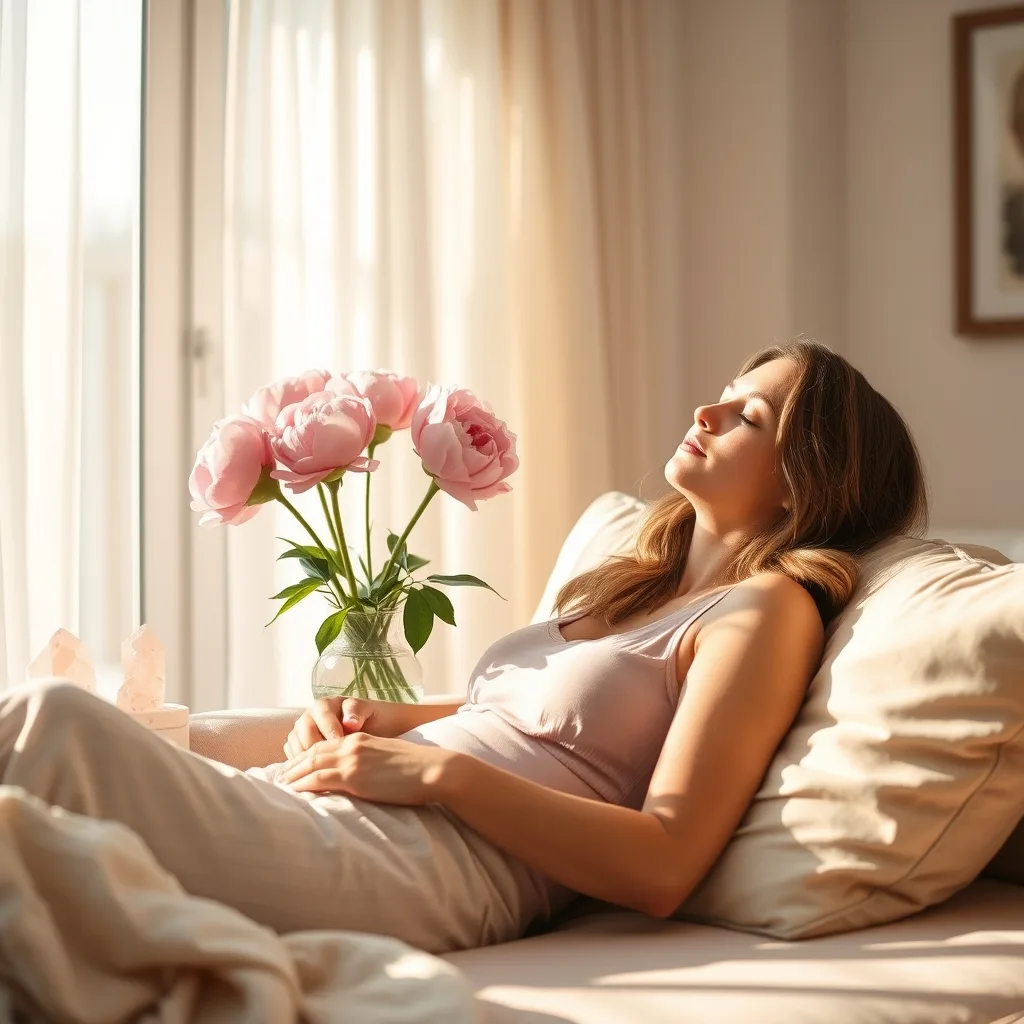
At the center of Miranda Kerr’s design aesthetic is the deliberate use of light. Natural light is a powerful mood regulator, influencing our circadian rhythms and overall energy levels. To emulate this, prioritize window treatments that allow sunlight to flood your rooms. Use sheer, lightweight fabrics like linen or voile instead of heavy, light-blocking drapes. If your home lacks abundant natural light, mirror placement becomes a strategic tool; hanging mirrors opposite windows reflects light deeper into the space, effectively brightening dark corners and making smaller rooms feel expansive and airy.
Embracing Biophilic Design Elements
Biophilic design—the practice of connecting people and nature within our built environments—is a hallmark of a calming, mood-boosting home. Kerr often incorporates indoor plants, not just as decor, but as living air purifiers and stress reducers. To bring this into your space, consider a mix of textures. Incorporate raw wood furniture, stone accents, or jute rugs to introduce organic warmth. These materials have a grounding effect, helping to lower cortisol levels and create a sense of stability. Even a small collection of succulents or a statement fiddle-leaf fig can significantly shift the energy of a room.
The Power of a Soft, Calming Color Palette
Color has a profound impact on the subconscious mind. Kerr tends to gravitate toward soft, neutral tones—creams, soft whites, blush pinks, and gentle sages. These colors are inherently soothing and provide a blank canvas that reduces visual clutter. When choosing your palette, think about how each shade makes you feel. If you prefer a more vibrant energy, consider muted earthy tones like terracotta or deep olive rather than high-contrast, neon hues. The goal is to create a harmonious flow that doesn’t overwhelm the senses, allowing your mind to rest the moment you walk through the door.
Curating Personal and Meaningful Objects
A mood-boosting home should reflect who you are. Kerr’s spaces are never sterile; they are filled with sentimental items, art, and books that tell a story. Minimalism is useful for reducing chaos, but it shouldn’t come at the cost of personality. Display items that bring you joy—a cherished photograph, a piece of art from a travel destination, or a collection of books you love. When you surround yourself with objects that have positive emotional associations, you create a “buffer” against daily stressors. Edit your shelves regularly to ensure every item adds value to your emotional well-being.
Creating Dedicated Zones for Mindfulness
In a busy life, having a specific area dedicated to calm is essential. This doesn’t require a dedicated yoga studio; it simply requires a intentional corner. Whether it is a comfortable armchair with a soft throw blanket, a small meditation cushion, or a sun-drenched nook for reading, creating a ‘transition zone’ helps you mentally switch off from work or chores. Keep these areas clear of screens and clutter. By associating a specific physical spot with peace, your brain will eventually begin to downshift into a state of relaxation as soon as you enter that space.
The Role of Sensory Atmosphere
Mood is multisensory. Beyond the visual, Kerr emphasizes the importance of scent and sound in interior design. Essential oil diffusers using lavender or sandalwood can instantly change the atmosphere of a room. Soft, ambient lighting through lamps rather than harsh overhead lights creates a cozy, evening-ready vibe. Consider the acoustics of your home as well; soft furnishings like velvet pillows, plush rugs, and heavy curtains help absorb sound, reducing noise pollution and creating a quieter, more serene auditory environment.
Maintaining Order Through Mindful Organization
Clutter is a significant contributor to anxiety. Miranda Kerr’s approach to organization is rooted in the idea that a clear space leads to a clear mind. However, this isn’t about rigid perfectionism. It is about creating systems that make your daily life easier. Use beautiful storage solutions—woven baskets, wooden boxes, or ceramic trays—to hide away the items that tend to collect on surfaces. By assigning a place for everything, you reduce the ‘decision fatigue’ that comes with searching for lost items or navigating messy spaces.
Sustainable and Conscious Living Choices
A home that feels good is also a home that aligns with your values. Choosing sustainable materials, supporting ethical brands, and opting for high-quality, long-lasting pieces contribute to a sense of peace. When you know your furniture was made with integrity, it adds a layer of satisfaction to your living environment. Invest in heirloom-quality pieces that you truly love rather than fast-decor trends. This intentional consumption not only benefits the planet but also ensures your home is filled with items that have staying power and soul.
Tactile Comfort and the Science of Texture
While visual aesthetics often take center stage in design discussions, the tactile experience is the silent anchor of a mood-boosting home. Miranda Kerr’s spaces utilize “haptic variety” to ground the nervous system. When you touch a surface, your brain registers its temperature, texture, and density, which can either signal a threat (harsh, sharp, or cold surfaces) or safety (soft, warm, or organic surfaces). To replicate this, audit your home for “surface stress.” If you have glass coffee tables or metal shelving, soften them with linen runners or felt coasters. Introduce high-pile rugs in areas where you walk barefoot to provide immediate sensory feedback that calms the body. The goal is to curate an environment where every point of contact—from the handle of a ceramic mug to the weave of a throw blanket—feels intentional and comforting. Layering textures, such as placing a sheepskin over a wooden chair, creates a subconscious feeling of being nurtured, which is essential for emotional regulation.
The Geometry of Flow and Spatial Flow
The layout of your furniture dictates how you move through your day, and by extension, how you feel. A room that forces you to navigate around sharp corners or cluttered paths creates a “micro-stressor” every time you traverse it. Kerr’s design philosophy emphasizes the “flow of energy,” which in practical terms means maintaining clear, intuitive pathways. Avoid the common mistake of pushing all furniture against the walls; this often creates a stagnant center and makes the room feel like a waiting room. Instead, pull seating arrangements toward the center to create intimate “conversation islands.” This simple shift changes the room from a transit zone to a destination. If your layout feels restricted, use rounded furniture—circular ottomans or curved sofas—to soften the geometry. These shapes are scientifically proven to be perceived as less threatening and more inviting by the human brain, contributing to a sense of ease in high-traffic living areas.
Circadian Lighting Beyond the Window
While natural light is the gold standard, modern life often requires us to be indoors during evening hours. To maintain a mood-boosting environment, you must curate an artificial lighting strategy that mimics the natural arc of the sun. Avoid “stadium lighting”—the harsh, overhead flush mounts that dominate many homes. Instead, implement a three-tier lighting plan: ambient, task, and accent. Use warm-toned bulbs (2700K to 3000K) to replicate the golden hour. Smart bulbs are particularly effective here; by programming them to shift from a crisp, cool white in the morning to a deep, sunset-amber glow in the evening, you support your body’s melatonin production. Placing lamps at varying heights—floor lamps for ambient warmth, table lamps for task work, and low-level accent lights on bookshelves—creates a “cocooning” effect that signals to the brain that the day is winding down.
The Art of Negative Space and Visual Rest
In our hyper-stimulated world, the most luxurious feature a home can offer is visual silence. This is achieved through the intentional use of negative space—the empty areas around furniture and decor. Many people fear empty walls or bare tabletops, leading to the “horror vacui” effect where every surface is filled with objects. This visual noise creates an invisible cognitive load, forcing your eyes to constantly scan and process information. To adopt Kerr’s approach, practice “curated vacancy.” Leave one wall entirely blank, or keep a sideboard completely clear save for one single, meaningful object. This space acts as a visual “pause button,” allowing your eyes to rest and your mind to settle. When you remove visual clutter, the items you *do* choose to display gain more importance, effectively highlighting the things that truly bring you joy.
Acoustic Softening for Mental Clarity
We often forget that our homes have a sound signature. Hard surfaces like tile, hardwood, and drywall reflect sound waves, creating an echoey environment that increases agitation and makes conversation feel strained. To create a sanctuary, you must treat your room’s acoustics. Softening the soundscape doesn’t require professional soundproofing; it is about managing reverberation. Heavy curtains are the most effective tool, as they absorb sound both from the window and the room interior. Adding fabric wall hangings, placing books on open shelves, and using upholstered furniture instead of leather can dramatically dampen the “noise” of a home. If you live in an urban environment, consider the use of “white noise” or “nature sound” machines tucked behind decorative plants; this creates a sonic buffer that masks erratic city sounds, helping you maintain a baseline of tranquility even when the world outside is chaotic.
The Philosophy of ‘Living Transitions’ and Ritualized Spaces
Miranda Kerr’s approach often centers on the concept of the ‘threshold’—the physical and psychological transition between the external world and your personal sanctuary. To optimize this, design your entryway not as a mere storage area for shoes and mail, but as a decompression chamber. Incorporate a small bench for sitting, a dedicated tray for keys, and a specific sensory element, such as a piece of art or a small vase of flowers. By ritualizing the act of leaving the outside world behind, you create a psychological barrier that prevents the stressors of work or transit from bleeding into your living space. This transitionary mindset can be extended to every room; use a soft, light-filtering curtain to denote the boundary between a productive home office and a restful bedroom, signaling to the brain that different behaviors and states of mind are required in each zone.
Integrating Earth-Derived Materials for Grounding
Beyond simple biophilic aesthetics, Kerr’s design incorporates materials that possess elemental history. Integrating materials like raw travertine, hand-thrown ceramics, and reclaimed wood creates a connection to the earth that is inherently stabilizing. These materials are not ‘perfect’—they contain pits, grains, and imperfections that remind us of nature’s cyclical, non-linear progression. When you introduce a stone coffee table or a jute area rug, you are inviting a tactile reminder of the physical world into your home. This grounding effect is particularly useful in high-rise apartments where residents may feel disconnected from the ground level. The goal is to choose items that feel ‘heavy’ in their presence but ‘light’ in their environmental footprint, ensuring that your home feels like an organic extension of the landscape rather than a manufactured container.
The Psychology of Curvilinear Furniture
Modern interior design often relies on rigid, linear forms, but these sharp angles can subconsciously signal danger or unease to the human brain. To foster a mood-boosting environment, prioritize furniture with soft, rounded edges. A circular dining table encourages a sense of equality and community, while a kidney-shaped sofa creates an inviting, nest-like atmosphere that is far more conducive to relaxation than a traditional boxy sofa. This is not just about aesthetics; it is about ‘neuro-aesthetics’—the study of how our brains respond to visual forms. Curvilinear shapes are processed more easily by the brain, requiring less cognitive effort to interpret, which helps maintain a state of calm. If you already own angular furniture, you can soften the impact by layering rounded decor, such as spherical lamps, circular mirrors, or organic-shaped poufs, to break up the harshness of the room’s geometry.
Managing ‘Visual Weight’ to Prevent Cognitive Overload
Visual weight is the perceived heaviness of an object based on its color, size, and texture. A large, dark-colored mahogany bookshelf carries immense visual weight, which can make a room feel oppressive, whereas a floating glass shelf or a light-toned wood unit feels airy and unobtrusive. To create a mood-boosting space, balance the visual weight throughout your home. If you have one heavy, grounding piece, such as a deep-hued armchair, ensure it is balanced by lighter elements in the rest of the room to prevent the space from feeling ‘bottom-heavy’ or claustrophobic. By carefully managing these proportions, you ensure that your eyes can move effortlessly around the room without being snagged by overly dominant or disparate elements, facilitating a smoother, more restful experience for the brain.
The Role of ‘Negative Space’ as Mental Breathing Room
In the context of Miranda Kerr’s design, negative space is not merely an absence of items; it is a deliberate design choice that allows the mind to decompress. Many homeowners feel the need to ‘fill’ every corner, but this creates a constant stream of visual stimuli that prevents true relaxation. Instead, treat your walls and surfaces as canvases where the empty space is as important as the object itself. By leaving a wall blank or a console table clear, you provide a ‘visual pause’ that resets your senses. This practice is especially critical in areas where you spend the most time, such as the living room or bedroom. The absence of clutter creates a sense of freedom and openness, allowing you to focus on the objects that truly matter, which in turn reduces the background anxiety caused by living in a visually crowded environment.
Frequently Asked Questions
How can I improve my mood at home on a tight budget? You don’t need a renovation to change your mood. Start by deep cleaning, decluttering, and rearranging your furniture to improve the flow of light. Bring in nature by propagating plants you already own or gathering natural elements like branches or stones. Swapping out cushion covers for softer fabrics or changing your lightbulbs to a ‘warm white’ temperature can make a massive difference for very little cost.
What if I live in a small apartment with limited light? In smaller, darker spaces, focus on maximizing the light you do have. Use light-colored paint, introduce reflective surfaces like mirrors or metallic accents, and keep window sills clear. Use vertical space for plants and storage to keep the floor clear, which makes the room feel larger and less chaotic.
How do I balance aesthetics with a family-friendly home? You can achieve a beautiful space while still being practical. Use washable slipcovers, durable performance fabrics for sofas, and choose rounded furniture edges for safety. Focus on ‘hidden’ storage to keep toys and gear out of sight when not in use, maintaining the serene aesthetic without sacrificing functionality.
Is scent really important for interior design? Absolutely. Scent is the sense most closely linked to memory and emotion. A signature home scent—whether through candles, diffusers, or fresh flowers—can act as a psychological trigger that signals your brain it is time to relax or be productive, depending on the scent profile you choose.
How often should I change my decor to keep it ‘fresh’? There is no set rule, but seasonal shifts are a great way to keep your home feeling balanced. In the summer, you might lean into lighter, brighter accents and fresh greenery. In the winter, you might swap in heavier textures like wool or velvet and warmer, amber-toned lighting. The key is to keep the foundation neutral and use accessories to shift the mood as your own needs evolve.