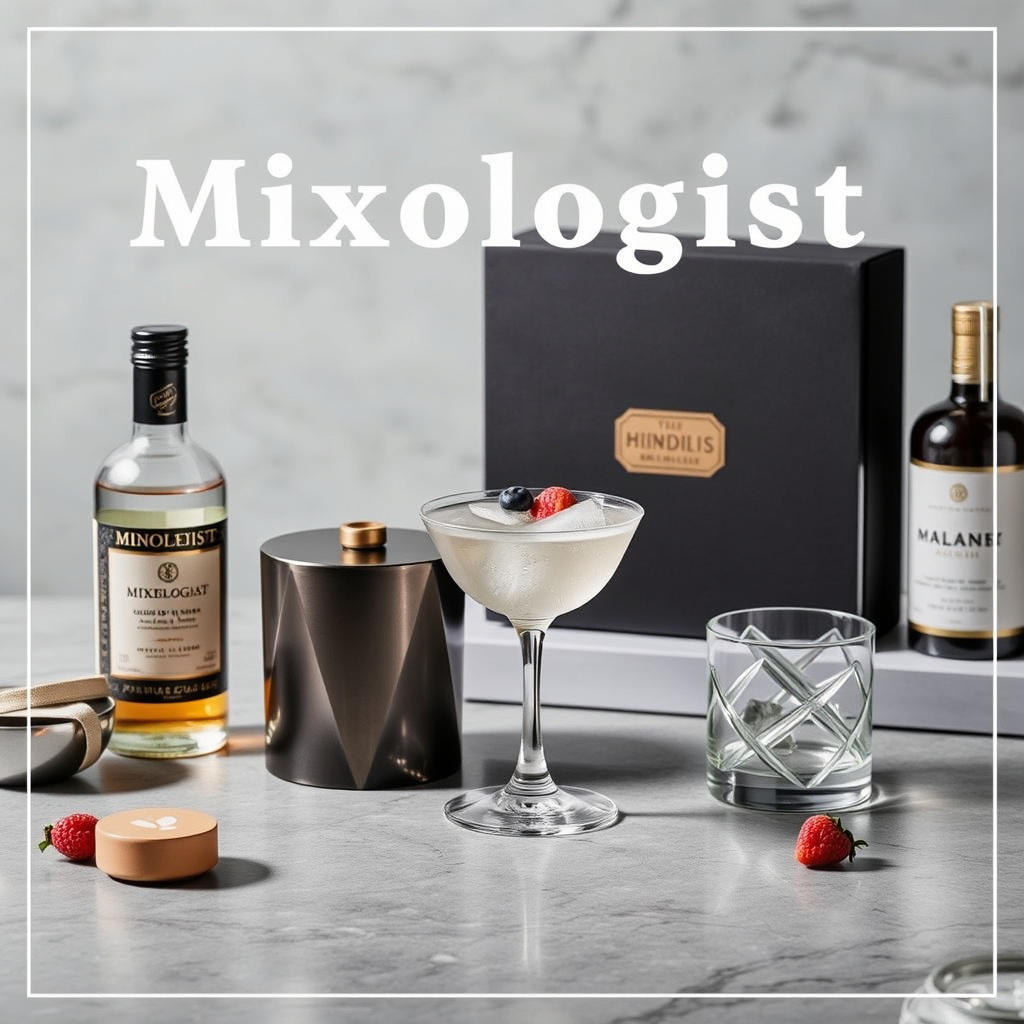
Finding the perfect present for a cocktail enthusiast can feel like mixing a complex drink — you need the right balance of practicality, novelty, and personal touch. Whether the recipient is a seasoned professional behind a bustling bar or a home hobbyist experimenting on weekends, a thoughtful gift shows you appreciate their craft. This guide breaks down the most useful, exciting, and memorable options across a range of price points, so you can choose something that truly resonates.
Key takeaways
- Build a foundational kit with a weighted Boston shaker, Hawthorne strainer, Japanese-style jigger, and a long-handled bar spoon.
- Opt for 375ml bottles of premium spirits or artisanal liqueurs to allow for flavor exploration without a full-liter commitment.
- Advanced enthusiasts may appreciate molecular tools like precision scales, culinary torches, or hydrocolloids for creating foams and gels.
- Use large-format silicone molds or clear-ice makers to produce slow-melting ice that maintains drink temperature without excessive dilution.
- Support eco-friendly mixology by gifting reusable stainless-steel picks, glass straws, and spirits from distilleries with transparent carbon-footprint data.
Essential Bar Tools Every Mixologist Loves
A solid toolkit forms the backbone of any great cocktail. Start with a weighted Boston shaker set; the two‑piece design offers a tight seal and a satisfying chill. Pair it with a fine‑mesh Hawthorne strainer that catches ice shards and herb fragments without slowing the pour. A Japanese‑style jigger with clear 0.5‑ounce and 1‑ounce markings ensures precision, while a long‑handled bar spoon with a twisted shaft makes stirring silky‑smooth. Add a sturdy muddler made of food‑grade stainless steel or dense hardwood for crushing fruit and herbs without splintering. Finally, a compact channel knife and a set of peelers let the recipient create expressive citrus twists and vegetable ribbons that elevate aroma and appearance.
Premium Spirits and Liqueurs for the Home Bar
Quality base spirits transform a good drink into a great one. Consider a small‑batch gin that showcases botanicals like juniper, coriander, and citrus peel — look for a distillery that publishes its botanical list. A well‑aged rum with notes of vanilla, caramel, and tropical fruit adds depth to tiki classics. For whiskey lovers, a single‑malt Scotch or a high‑rye bourbon provides versatility across Old Fashioneds, Manhattans, and Whiskey Sours. Don’t overlook liqueurs: a bottle of artisanal orange liqueur, a rich coffee liqueur, and a floral elderflower cordial expand the cocktail repertoire dramatically. When selecting, favor 375 ml bottles; they let the recipient explore without committing to a full liter.
Specialty Bitters, Syrups, and Garnishes
Bitters are the spice rack of the bar. A curated set of aromatic, orange, chocolate, and smoked bitters invites experimentation. Look for brands that use natural botanicals and avoid artificial coloring. Small‑batch syrups — such as ginger‑lime, hibiscus, or vanilla‑bean — add complexity without the hassle of homemade batches. Dehydrated citrus wheels, brandied cherries, and edible flowers make stunning, shelf‑stable garnishes that impress guests. Packaging these items in a reusable wooden crate or a sleek magnetic tin adds a gift‑ready presentation.
Glassware That Elevates Presentation
The right vessel changes the drinking experience. A set of double‑old‑fashioned rocks glasses with a heavy base feels substantial in hand and showcases the color of amber spirits. Nick and Nora coupes, with their elegant stem and wide bowl, are ideal for stirred cocktails served up. Highball glasses with a slight taper keep carbonation lively for fizzes and Collins drinks. For tiki fans, a pair of ceramic mugs shaped like pineapples or skulls adds theatrical flair. Choose lead‑free crystal or tempered glass for durability, and consider a personalized etching of the recipient’s initials or a favorite cocktail name.
Cocktail Books and Recipe Collections
Knowledge fuels creativity. A hardcover volume like ‘The Craft of the Cocktail’ offers history, technique, and a curated recipe library. For a modern twist, a book focused on low‑ABV or zero‑proof drinks caters to mindful drinking trends. Regional guides — such as a deep dive into Caribbean rum cocktails or Japanese highball culture ’ provide narrative context that inspires new creations. Include a set of index cards or a leather‑bound notebook for the recipient to record their own variations, tasting notes, and ingredient ratios.
Subscription Boxes and Ingredient Clubs
Monthly deliveries keep the excitement alive long after the holiday. A craft‑spirit club ships a curated 200 ml bottle of a limited‑release gin, rum, or amaro each quarter, often with tasting cards and suggested recipes. A bitters‑and‑syrup subscription rotates seasonal flavors, letting the mixologist test new profiles without bulk purchases. Some services also include bar‑tool accessories, coaster sets, or exclusive access to virtual masterclasses. Choose a plan with a flexible pause option so the gift adapts to the recipient’s schedule.
Experience Gifts: Classes and Tastings
Hands‑on learning creates lasting memories. Gift a seat in a local mixology workshop where a professional bartender teaches shaking, stirring, and flavor balancing techniques. Many distilleries offer guided tastings paired with food, revealing how terroir influences spirit character. Virtual masterclasses with renowned bartenders allow participation from anywhere, often including a shipped ingredient kit. For a truly unique experience, arrange a private cocktail dinner where the recipient designs the menu and serves guests under mentorship.
Personalized and Budget‑Friendly Options
Thoughtful gifts need not break the bank. A custom‑engraved bar key or a set of monogrammed cocktail napkins adds a personal touch for under $30. DIY infusion kits — containing dried botanicals, a glass jar, and a simple instruction card ’ let the recipient create their own flavored vodka or gin at home. A high‑quality silicone ice mold that produces large, slow‑melting spheres improves dilution control and looks impressive. Finally, a gift card to a respected local bottle shop empowers the mixologist to fill gaps in their own collection.
Advanced Techniques and Molecular Mixology Tools
Moving beyond shaking and stirring opens a world of texture, aroma, and visual drama. A rotary evaporator lets a home enthusiast distill delicate essences at low temperature, preserving volatile botanicals that would otherwise be lost to heat. Vacuum‑sealed infusion bags accelerate flavor extraction from herbs, spices, or fruit in minutes rather than hours, and they keep the liquid clear for a pristine presentation. A culinary torch provides controlled caramelization of sugar rims, smoked herbs, or even a quick flambé that adds a theatrical flourish without a full‑scale kitchen setup.
Precision scales that read to 0.01 gram are indispensable when working with hydrocolloids such as agar, xanthan, or methylcellulose. These agents enable gels, foams, and spheres that transform a classic cocktail into a multisensory experience. A handheld immersion blender with variable speed creates stable airs and emulsions, while a siphon charger (nitrogen or CO2) produces silky foams that sit atop a drink like a cloud. For those interested in spherification, a calcium lactate bath paired with sodium alginate yields caviar‑like pearls that burst with concentrated flavor on the palate.
Temperature control is another frontier. A compact immersion circulator maintains a water bath at exact degrees, allowing a mixologist to pre‑chill or gently warm a base spirit before building a cocktail. This technique is especially useful for spirit‑forward drinks where a few degrees shift the perception of sweetness and alcohol bite. A digital refractometer can measure Brix in syrups and fruit purees, ensuring consistent sweetness across batches.
Safety and cleanliness are paramount when introducing laboratory‑style gear. Food‑grade silicone tubing, stainless‑steel funnels, and dedicated glassware prevent cross‑contamination between culinary and cocktail applications. A small UV‑C sanitizer box can disinfect tools between experiments, a practical addition for anyone sharing equipment with a kitchen.
Finally, a curated recipe book focused on modernist cocktails — such as titles from the “Modernist Cuisine” series or specialized bar‑science manuals — provides structured guidance. Pair the book with a set of pre‑measured hydrocolloid packets so the recipient can start experimenting immediately without hunting for obscure ingredients.
Ice Science and Specialty Ice Equipment
Ice is the silent architect of dilution, temperature, and mouthfeel. Large format cubes (2‑inch or larger) melt slowly, delivering a gentle chill that preserves the integrity of spirit‑forward drinks. A dedicated clear‑ice maker uses directional freezing to push impurities and air bubbles to one side, yielding crystal‑clear blocks that can be cut with a serrated knife or an ice saw for custom shapes.
For highball and Collins styles, a crescent‑shaped ice mold maximizes surface area while fitting neatly into tall glasses, keeping carbonation lively longer. Sphere molds produce a single, slow‑melting orb that looks striking in a rocks glass and reduces over‑dilution during a leisurely sip. Some enthusiasts invest in a countertop nugget‑ice machine; the chewable, porous nuggets chill quickly and add a playful texture to tiki and tropical drinks.
Temperature monitoring adds precision. A probe thermometer inserted into a melting cube logs the exact moment a drink reaches its optimal dilution point, a technique borrowed from professional bar programs. Pair this with a timed pour — measured by a flow‑controlled jigger — to replicate a signature serve consistently.
Storage matters as much as production. An insulated ice bin with a tight‑fitting lid prevents sublimation and odor absorption from the freezer. Silicone ice trays with individual lids keep each cube separate, avoiding the dreaded clumped block that forces a bartender to chip away at a frozen mass.
Edge cases include flavored ice: infusing water with herbs, citrus zest, or a splash of bitters before freezing embeds subtle aromatics that release gradually. However, avoid high‑sugar or high‑acid infusions, as they depress the freezing point and produce cloudy, brittle ice. A quick rinse of the mold with distilled water before each batch eliminates mineral deposits that can cloud the final product.
Home Bar Organization, Storage, and Maintenance
A well‑ordered bar cart or cabinet turns a collection of bottles into an efficient workstation. Modular shelving with adjustable heights accommodates both tall spirit bottles and low‑profile bitters vials. Label each shelf with a chalkboard tag or a printed label maker; color‑coding by spirit category (gin, whiskey, rum, liqueur) speeds up recipe execution during a busy service.
Temperature‑controlled wine fridges set to 55 °F (13 °C) are ideal for vermouth, amaro, and other fortified wines that oxidize quickly at room temperature. A small humidity‑controlled drawer preserves fresh herbs and citrus peels for garnish prep, extending their usability from days to weeks.
Tool maintenance extends lifespan and ensures hygiene. Stainless‑steel shakers and strainers should be disassembled and soaked in a solution of warm water and a few drops of food‑grade sanitizer after each session. Wooden muddlers benefit from a light coat of food‑safe mineral oil monthly to prevent cracking. Bar spoons with twisted shafts can develop micro‑grooves; a gentle polish with a non‑abrasive cloth restores smooth stirring action.
Inventory tracking prevents duplicate purchases and highlights gaps. A simple spreadsheet or a dedicated bar‑management app can log bottle name, proof, purchase date, and remaining volume. Set a quarterly audit reminder to rotate stock, using older bottles in experimental cocktails before they degrade.
Lighting and ergonomics complete the workspace. Under‑cabinet LED strips with a high CRI (color rendering index) reveal true liquid colors, aiding visual assessment of clarity and hue. An anti‑fatigue mat beneath the prep area reduces strain during extended mixing sessions, and a pull‑out cutting board keeps citrus work contained and sanitary.
Sustainable, Zero‑Waste, and Low‑Impact Cocktail Practices
Eco‑conscious mixology starts with ingredient sourcing. Choose spirits from distilleries that publish carbon‑footprint data, use renewable energy, or participate in bottle‑return programs. Local produce — seasonal fruit, herbs, and even foraged botanicals — reduces transportation emissions and supports regional agriculture.
Citrus waste is a major by‑product. Peels can be dehydrated and ground into a powdered zest for rimming salts or incorporated into syrups. The juice‑less pulp can be fermented into a light vinegar, adding acidity to shrubs without extra citrus. Spent herb stems, often discarded, infuse beautifully into simple syrups or vodka bases, extracting flavor that would otherwise be lost.
Reusable garnish solutions replace single‑use plastic picks. Stainless‑steel cocktail picks, bamboo skewers, or edible flower petals serve the same visual purpose while eliminating waste. For straws, opt for stainless steel, glass, or compostable plant‑based options; keep a small cleaning brush handy for metal straws to maintain hygiene.
Batch‑prepping syrups and cordials in larger quantities reduces packaging. Store them in swing‑top glass bottles with rubber gaskets; the airtight seal extends shelf life and eliminates the need for disposable plastic squeeze bottles. When a batch nears its end, repurpose the remainder into a marinade, dessert drizzle, or a non‑alcoholic spritzer.
Energy‑efficient equipment matters. An induction‑compatible shaker tin heats or chills faster than traditional metal, cutting down on ice consumption. A low‑wattage under‑counter refrigerator for perishable mixers uses a fraction of the power of a full‑size unit. Finally, composting organic waste — fruit skins, herb stems, coffee grounds from coffee liqueur production — closes the loop and enriches garden soil for future garnish growth.
Non‑Alcoholic, Low‑ABV, and Mindful Drinking Kits
The rise of mindful drinking creates a demand for sophisticated zero‑proof experiences. A curated kit might include a selection of non‑alcoholic spirits — such as a botanical distillate, a smoked tea concentrate, and a fermented ginger‑beer base — each packaged in 200 ml bottles for easy experimentation.
Complement the spirits with a set of low‑ABV aperitifs (around 10‑15 % ABV) like a vermouth‑style quinquina, a bitter amaro alternative, and a floral aperitif. These allow the recipient to build classic structures — Negroni, Spritz, Manhattan — with a fraction of the alcohol while preserving complexity.
Specialized mixers round out the kit: a house‑made tonic syrup with cinchona bark, a hibiscus‑ginger shrub, and a yuzu‑kosho cordial. Provide measured pour spouts so each component can be dosed accurately, reinforcing the precision that defines great cocktails regardless of alcohol content.
Include a guidebook focused on flavor architecture for non‑alcoholic drinks — covering balance of sweet, sour, bitter, salty, and umami — plus a set of tasting cards for the recipient to note impressions of each base. A small digital refractometer helps verify sugar levels in homemade syrups, ensuring consistent dilution when served over ice.
Presentation accessories elevate the experience: a set of stemless coupe glasses with a subtle etched logo, a bamboo stirring rod, and a reusable ice mold that produces clear, slow‑melting cubes. Packaging the entire kit in a recycled‑cardboard box with a magnetic closure makes the gift feel premium while aligning with sustainable values.
Digital Tools, Apps, and Recipe Management for the Modern Mixologist
Technology streamlines creativity and consistency. A recipe‑management app that syncs across devices lets a mixologist capture a spontaneous creation on a phone, then pull it up on a tablet behind the bar. Look for features like version control, ingredient substitution alerts, and automatic cost calculation per serve.
Smart scales with Bluetooth connectivity feed weight data directly into the app, eliminating manual entry errors. Some models integrate with a cocktail‑specific database that suggests complementary ingredients based on the current flavor profile, a helpful prompt when inspiration stalls.
Inventory‑tracking software can scan barcodes on bottles, log pour volumes via a connected spout, and generate reorder lists when stock falls below a threshold. This is especially valuable for home enthusiasts who also host frequent gatherings and want to avoid last‑minute store runs.
Virtual tasting platforms enable remote collaboration. A mixologist can host a live session where participants follow a shared recipe sheet, adjust ratios in real time, and discuss sensory notes via integrated chat. Recording the session creates a personal library of technique videos for future reference.
Finally, consider a digital cocktail‑menu builder for those who entertain regularly. Drag‑and‑drop templates, automatic ABV calculation, and printable QR‑code menus let guests browse options on their phones, reducing paper waste and adding a modern touch to any home bar event.
Frequently Asked Questions
What is the most versatile tool a beginner mixologist should own?
A weighted Boston shaker set paired with a Hawthorne strainer covers the majority of shaking and straining needs, making it the single most versatile investment for a new home bartender.
How do I choose a spirit that suits someone’s taste without knowing their favorite?
Select a well‑balanced, mid‑range gin or bourbon with transparent tasting notes; these spirits work in a wide range of classic cocktails and are generally crowd‑pleasers.
Are subscription boxes worth the cost for a casual hobbyist?
If the recipient enjoys discovering new flavors and appreciates curated guidance, a quarterly box offers good value; otherwise, a one‑time curated kit may be more economical.
Can I give glassware as a gift if I don’t know the recipient’s preferred cocktail style?
A mixed set that includes a rocks glass, a coupe, and a highball covers the three main serving styles and ensures the gift is useful regardless of preference.
What budget‑friendly gift still feels premium?
A custom‑engraved bar key or a set of artisanal bitters in a decorative bottle delivers a high‑perceived value while staying under $25.
Related posts:
 Choosing the Healthiest Granola Bar
 Dry January Mocktail Guide
 DIY Herbal Bitters Recipe for Better Digestion and Flavor
 The Healthy Halloween Cocktail Recipe Everyone Will Be Making
 This Natural Self-Tanning Bar Might Replace Your Fake Tan Forever
 Big Batch Cocktails That’ll Make You the Hero of Summer Entertaining
 Crystal-Infused Cocktail Recipe That’s Pure Magic in a Glass
 Simple Vegan Ice Cream Recipe