
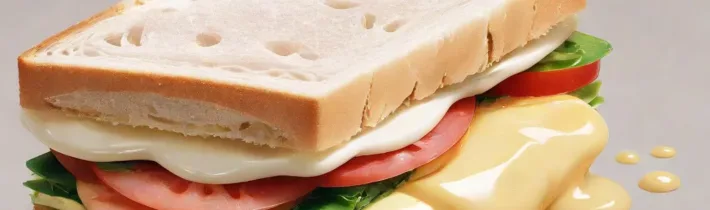
The moisture sandwich technique is a simple but powerful method for locking in hydration and protecting your skin’s moisture barrier. Whether you have dry, combination, or sensitive skin, this layering approach can help your moisturizer work more effectively and leave your complexion feeling softer and more balanced throughout the day.
What Is the Moisture Sandwich Technique?
The moisture sandwich technique involves applying products in a specific order to trap water within the skin rather than letting it evaporate. Instead of slapping on a heavy cream alone, you start with a light layer of water-based product, add an occlusive or barrier-protecting layer, then finish with a final moisturizing layer. This sandwich-like structure keeps hydration locked in place and prevents transepidermal water loss, which is the natural process of moisture escaping from the skin’s surface.
The method is particularly useful for people whose skin feels tight, flaky, or dull despite using moisturizer regularly. By understanding how each layer contributes to hydration, you can tailor the technique to your skin type and concerns.
The Three Core Layers Explained
Every effective moisture sandwich follows three basic steps:
- Humectant layer: A water-based product such as a hydrating toner, essence, or serum that draws moisture into the skin.
- Occlusive layer: A richer substance like a facial oil or heavy cream that forms a protective barrier on top of the skin to seal in hydration.
- Final moisturizer: Your regular moisturizer or a lighter cream that adds an extra boost of nourishment without disrupting the layers below.
Each layer serves a distinct purpose. The humectant pulls water into the epidermis, the occlusive locks it there, and the final moisturizer ensures the skin stays comfortable and balanced. Skipping any of these steps can reduce the overall effectiveness of the sandwich.
How to Apply the Moisture Sandwich Step by Step
Follow this routine on clean, damp skin for best results:
- Prep the skin: Begin with freshly cleansed skin. Pat it dry so that it is still slightly damp, which helps the first layer absorb more easily.
- Apply the humectant: Use a hydrating toner, essence, or hyaluronic acid serum. Apply a generous but not overwhelming amount and allow it to absorb for about one minute.
- Add the occlusive: While the skin is still damp, apply a thin layer of facial oil or a rich cream. This creates the sealing layer that locks in moisture.
- Finish with moisturizer: Apply your favorite moisturizer on top. If your skin is very dry, you can gently press the product in rather than rubbing to avoid disturbing the layers beneath.
Allow each layer to absorb before moving on, but do not wait too long between steps. The goal is to keep the skin slightly damp throughout the process so that hydration stays active rather than evaporating.
Choosing the Right Products for Your Skin Type
Not every product works equally well in a moisture sandwich, and selecting the right ingredients can make a noticeable difference:
- Dry skin: Opt for humectants such as hyaluronic acid or glycerin, rich occlusives like shea butter or squalane oil, and thick creams containing ceramides.
- Oily or combination skin: Use lightweight hydrating serums, non-comedogenic oils such as jojoba or marula, and gel-based moisturizers that won’t clog pores.
- Sensitive skin: Stick to fragrance-free humectants, soothing oils like colloidal oatmeal-infused products, and hypoallergenic moisturizers.
- Normal skin: You have flexibility, but layering a hydrating essence with a light oil and a balanced moisturizer still provides lasting comfort.
Always patch-test new products before incorporating them into your routine, especially if you have reactive or acne-prone skin.
Common Mistakes to Avoid
Even with good intentions, it is easy to sabotage the moisture sandwich. Here are the most frequent errors and how to correct them:
- Using too much product: Heavy layers can clog pores or feel uncomfortable. Start with smaller amounts and build up only if needed.
- Applying on dry skin: If the skin is completely dry, the humectant has less moisture to draw in. Keep the skin slightly damp before the first layer.
- Skipping the occlusive: Without a sealing layer, hydration escapes quickly, making the whole routine less effective.
- Rubbing vigorously: Gentle patting or pressing helps maintain the integrity of each layer without disrupting absorption.
- Inconsistent timing: Applying the sandwich once in a while will not yield lasting results. Aim to use it morning and night for consistent benefits.
When to Use the Moisture Sandwich
The moisture sandwich is especially beneficial during certain times or conditions:
- After sun exposure: Skin is often drier and more vulnerable, so extra hydration support is helpful.
- Winter months: Cold air and indoor heating strip moisture, making the sandwich a seasonal necessity.
- Following chemical exfoliation: If you use retinoids or AHAs, the sandwich can reduce irritation by reinforcing the moisture barrier.
- Before long flights: Cabin pressure and low humidity can dehydrate skin, so applying the sandwich before travel helps maintain comfort.
For oily or acne-prone skin, you can adapt the technique by using lighter oils and avoiding heavy butters. The key is matching the richness of each layer to your skin’s needs.
Real-Life Examples and Product Suggestions
Here are a few practical routines that demonstrate how to put the moisture sandwich into action:
Example 1: Dry Skin Routine
- Humectant: Hyaluronic Acid Serum with multi-molecular weight hyaluronic acid
- Occlusive: Squalane Oil or Shea Butter Cream
- Final moisturizer: Ceramide-rich Moisturizer formulated for dry skin
Example 2: Combination Skin Routine
- Humectant: Green Tea Hydrating Toner or Glycerin-based Essence
- Occlusive: Jojoba Oil applied lightly over damp skin
- Final moisturizer: Gel-Cream Moisturizer with niacinamide
Example 3: Sensitive Skin Routine
- Humectant: Colloidal Oatmeal Hydrating Serum or plain thermal water spray
- Occlusive: Sunflower Seed Oil or Oatmeal-infused Cream
- Final moisturizer: Fragrance-free Barrier Cream with panthenol
These examples are not prescriptions, but they illustrate how different textures and ingredients can be combined. Feel free to swap products based on what your skin tolerates and enjoys.
Tracking Your Results and Adjusting Over Time
Results from the moisture sandwich are usually noticeable within one to two weeks of consistent use, though some people feel improvements sooner. Pay attention to how your skin feels throughout the day, not just immediately after application. Key signs that the technique is working include reduced tightness, fewer flakes, and a more even texture.
If your skin begins to feel congested or breakouts appear, scale back on richer occlusives and focus on lighter humectants. Conversely, if your skin still feels dry despite the sandwich, consider increasing the concentration of hydrating ingredients or adding a second occlusive layer at night.
Remember that skin changes with seasons, stress levels, and environment. What works in summer may need adjustment in winter. Regular self-assessment helps you fine-tune the routine rather than following a rigid formula.
Conclusion
The moisture sandwich technique is a flexible, science-backed approach to hydration that can benefit nearly every skin type. By layering a humectant, occlusive, and final moisturizer, you create a protective environment that keeps water where your skin needs it most. With careful product selection, attention to application order, and consistency, this method can become a cornerstone of an effective skincare routine.
The Science Behind the Moisture Sandwich
The moisture sandwich technique is not merely a trending skincare ritual; it is rooted in the fundamental principles of dermatological science. To understand why this layering method works so effectively, it helps to examine the biology of the skin’s moisture regulation system and the mechanisms by which each product category interacts with the skin’s structure.
The outermost layer of the skin, known as the stratum corneum, functions as the body’s primary barrier against environmental stressors. This layer is composed of dead skin cells called corneocytes, embedded in a matrix of lipids including ceramides, cholesterol, and fatty acids. Together, these components form what is often described as the “brick and mortar” structure of the skin barrier. When this barrier is intact and well-hydrated, the skin appears plump, smooth, and resilient. When it is compromised, transepidermal water loss accelerates, leading to dryness, sensitivity, and a weakened defense against external irritants.
Humectants work by creating hydrogen bonds with water molecules. Ingredients like hyaluronic acid can hold up to 1,000 times their weight in water, pulling moisture from the deeper layers of the skin and from the ambient environment into the epidermis. However, in low-humidity environments, humectants can paradoxically draw moisture away from the skin rather than toward it, which is precisely why the occlusive layer is so critical. The occlusive forms a semi-permeable film that reduces the rate of evaporation without completely suffocating the skin, allowing the humectant to continue drawing and retaining water.
The final moisturizer layer serves a dual purpose. It replenishes lipids that may have been depleted during cleansing and provides additional emollients that smooth the skin’s surface. When all three layers work in concert, the result is a sustained hydration cycle that can last for hours rather than dissipating within minutes of application.
Understanding this science also explains why the order of application matters so much. If an occlusive is applied before a humectant, the humectant cannot effectively penetrate the barrier to draw moisture inward. Similarly, applying a heavy moisturizer first can dilute and weaken the humectant’s efficacy. The sandwich sequence ensures that each layer builds upon the previous one, creating a cumulative hydration effect that no single product can achieve alone.
The Moisture Sandwich for Specific Skin Concerns
While the basic moisture sandwich framework applies broadly, individuals dealing with specific skin conditions can benefit from targeted modifications that address their unique challenges.
For those managing acne-prone skin, the temptation to skip the occlusive layer entirely is understandable, as heavy oils and creams are often associated with breakouts. However, dermatologists increasingly recognize that compromising the moisture barrier can actually exacerbate acne. When the skin is dehydrated, it compensates by producing excess sebum, which can clog pores and trigger inflammation. In this case, the moisture sandwich should use non-comedogenic occlusives such as squalane, grapeseed oil, or lightweight silicone-based products. The humectant should focus on ingredients like niacinamide, which simultaneously hydrates and helps regulate sebum production. The final moisturizer should be a gel or lightweight lotion formulation that provides hydration without adding pore-clogging weight.
Individuals with rosacea face a different set of challenges. The compromised capillary network and heightened sensitivity characteristic of rosacea-prone skin require extraordinary care. Humectants should avoid alcohol-based toners and instead rely on soothing ingredients like aloe vera, centella asiatica, and beta-glucan. Occlusive choices should lean toward calming oils such as evening primrose oil or borage oil, which contain gamma-linolenic acid known for its anti-inflammatory properties. The final moisturizer should be fragrance-free and formulated with barrier-repairing ingredients like ceramides and madecassoside.
For those living with eczema or atopic dermatitis, the moisture sandwich can be transformative. The condition is characterized by a genetic deficiency in filaggrin, a protein essential for maintaining the skin’s natural moisturizing factor. This means that individuals with eczema lose moisture at a significantly higher rate than those with healthy skin. In this context, the humectant layer should include products containing lactic acid or urea at low concentrations, which help break down excess keratin and improve hydration penetration. The occlusive layer should be generous and rich, using products like petroleum jelly, shea butter, or thick ceramide-based creams. Applying the sandwich immediately after bathing, while the skin is still damp, is particularly effective for eczema management and is often recommended by dermatologists as part of a comprehensive treatment plan.
Aging skin presents yet another opportunity to adapt the technique. As we age, the skin’s natural production of hyaluronic acid and ceramides declines, leading to thinner skin that loses moisture more rapidly. The moisture sandwich for mature skin should incorporate humectants with higher molecular weights of hyaluronic acid, which sit on the skin’s surface and create a plumping effect, alongside lower molecular weight hyaluronic acid that penetrates deeper. Occlusive layers can include richer oils like avocado oil or argan oil, which contain vitamin E and antioxidants that support skin repair. The final moisturizer should include peptides and antioxidants to address fine lines and loss of elasticity alongside hydration.
pH Balance and Its Role in the Moisture Sandwich
One of the most overlooked aspects of the moisture sandwich technique is the pH of each product applied. The skin’s surface maintains a naturally acidic pH, typically ranging from 4.5 to 5.5, a condition known as the acid mantle. This acidic environment is essential for supporting beneficial bacteria, inhibiting pathogens, and facilitating the activity of enzymes involved in skin barrier repair.
When products with a significantly different pH are applied, they can temporarily disrupt this acid mantle. For instance, many alkaline cleansers have a pH of 9 or above, which can strip the skin of its protective lipids and leave it vulnerable. If a humectant with a neutral or alkaline pH is applied immediately after cleansing, the skin’s recovery process is delayed, and hydration may not be as effectively retained.
To optimize the moisture sandwich, each product in the sequence should ideally have a pH close to the skin’s natural range. Hydrating toners and essences are often formulated to match the skin’s pH, making them ideal first layers. Facial oils are generally pH-neutral and do not pose a significant risk of disruption. Moisturizers labeled as “pH-balanced” or “skin-friendly” are typically designed to support the acid mantle rather than compromise it.
For those who use chemical exfoliants like alpha-hydroxy acids or beta-hydroxy acids, the pH consideration becomes even more critical. These products work by lowering the skin’s surface pH to dissolve dead skin cells and unclog pores. After exfoliation, the skin’s pH is temporarily lowered, and applying the moisture sandwich can help restore the acid mantle more quickly. In fact, layering a pH-appropriate humectant and occlusive after exfoliation is one of the most effective strategies for minimizing irritation and maximizing the benefits of chemical exfoliation.
Seasonal and Climate-Based Adjustments
The effectiveness of the moisture sandwich is significantly influenced by environmental factors, and adapting the technique to seasonal changes is essential for maintaining consistent results.
During winter months, cold outdoor air combined with indoor heating creates an exceptionally dry environment. The relative humidity in heated homes can drop below 20 percent, which is far below the 40 to 60 percent range that skin thrives in. In these conditions, the moisture sandwich becomes almost indispensable. The humectant layer should be applied more generously, and the occlusive layer should be richer than in warmer months. Adding an extra occlusive layer at night, such as a thick ointment applied over the standard sandwich, can provide an additional shield against moisture loss.
In contrast, during summer months, high humidity levels mean that the ambient air already contains significant moisture. In this environment, humectants are less likely to draw water from the deeper layers of the skin, reducing the risk of the paradoxical drying effect. However, the occlusive layer should be lighter to prevent the skin from feeling sticky or overheating. Gel-based occlusives or lightweight facial oils are preferable during the summer, and the final moisturizer should be a featherlight lotion or gel-cream.
For individuals living in tropical climates, the challenge is balancing hydration with breathability. The moisture sandwich can still be used, but the emphasis should shift toward humectants that attract water from the air rather than from the skin itself, such as glycerin and honey-based products. Occlusives should be minimal, and the final moisturizer should be almost imperceptible on the skin.
In arid and desert climates, the opposite approach is necessary. The humectant should be applied to thoroughly damp skin, and the occlusive layer should be the heaviest of any climate. Some individuals in these environments find that applying a thin layer of Aquaphor or a similar ointment as the occlusive, followed by a standard moisturizer, creates an impenetrable seal that keeps hydration locked in for hours.
Traveling between climates also requires adjustment. When flying, the cabin pressure and low humidity can strip moisture from the skin at an alarming rate. Applying the moisture sandwich before boarding and reapplying the humectant layer mid-flight, after spritzing with water or a hydrating mist, can prevent the uncomfortable tightness and dullness that often accompanies air travel.
Morning Versus Night Sandwich Variations
While the fundamental mechanics of the moisture sandwich remain the same, the specific product choices and application techniques differ meaningfully between morning and nighttime routines.
The morning moisture sandwich should prioritize protection and preparation for the day ahead. After cleansing, the humectant layer can include a vitamin C serum, which not only hydrates but also provides antioxidant protection against environmental aggressors like pollution and blue light. The occlusive layer in the morning should be lighter than at night, as the skin will be exposed to environmental pollutants and sweat throughout the day. A few drops of jojoba oil or a lightweight facial oil serum works well. The final moisturizer should always be followed by sunscreen with at least SPF 30, which acts as an additional protective layer on top of the sandwich. Some formulations allow the sunscreen to serve as both the final moisturizer and sun protection, simplifying the routine while maintaining effectiveness.
The nighttime moisture sandwich is where the technique truly shines in terms of repair and restoration. During sleep, the skin enters a regenerative phase, increasing blood flow and cellular turnover. This makes it the ideal time to use richer, more nourishing products. The humectant layer can include a more concentrated serum, such as one with multiple forms of hyaluronic acid or a peptide-rich formulation. The occlusive layer can be significantly heavier, using products like shea butter, cocoa butter, or thick balm-based occlusives. The final moisturizer can also be richer, incorporating ingredients like ceramides, cholesterol, and fatty acids that actively replenish the skin’s lipid barrier during the night.
An advanced nighttime variation involves what some dermatologists call the “quadruple sandwich,” where an additional layer of hydrating serum is added between the occlusive and the final moisturizer. This is particularly beneficial for individuals recovering from harsh skin treatments, such as laser therapy or chemical peels, when the skin needs maximum support to heal.
Ingredient Deep Dives and Strategic Pairings
Understanding how specific ingredients interact within the moisture sandwich framework allows for more precise and effective customization. Certain ingredient pairings enhance each other’s benefits, while others can counteract or dilute their effects.
Hyaluronic acid is one of the most widely used humectants in modern skincare, but its effectiveness varies depending on molecular weight. Low-molecular-weight hyaluronic acid penetrates deeper into the skin, providing long-lasting hydration from within, while high-molecular-weight hyaluronic acid remains on the surface, creating a visible plumping effect. When building a moisture sandwich, using a serum that contains both forms ensures comprehensive hydration. However, it is important to note that in very dry environments, hyaluronic acid alone can pull moisture from the skin. Pairing it with a humectant like glycerin or panthenol, which draws moisture more reliably from the environment, creates a more balanced hydration strategy.
Niacinamide, also known as vitamin B3, is a versatile ingredient that bridges the gap between humectant and treatment. It improves the skin’s barrier function, reduces transepidermal water loss, and has anti-inflammatory properties. When used as the humectant layer in a moisture sandwich for oily or combination skin, niacinamide provides hydration while also helping to regulate sebum production and minimize the appearance of pores.
Frequently Asked Questions
Can I use the moisture sandwich if I have oily skin?
Yes. Choose lightweight humectants such as glycerin or aloe vera, non-comedogenic oils like jojoba or grapeseed, and gel-based moisturizers. The key is avoiding heavy butters and applying thinner layers so the skin does not feel weighed down.
Is the moisture sandwich suitable for nighttime use only?
No, you can use it both morning and night. In the morning, follow with sunscreen as the final step. At night, you can be more generous with richer occlusives since there is no sun protection concern.
How long does it take to see results?
Most people notice improved hydration and comfort within seven to fourteen days of consistent use. However, individual results vary depending on skin type, climate, and the specific products used.
Can I combine this technique with retinoids or exfoliants?
Absolutely. Many dermatologists recommend applying retinoids between layers of moisturizer to reduce irritation. Just make sure each layer absorbs before adding the next, and monitor your skin for signs of sensitivity.
What if I do not have a separate occlusive product?
You can use a thick cream or ointment as both the occlusive and final moisturizer layer. Petroleum jelly, for example, is an excellent occlusive that can be topped with a lighter moisturizer if desired.
Related posts:
 The Best Toners for Acne-Prone Skin That Won’t Strip Your Face
 Foundation’s Impact on Skin
 Gentle Cleansing Tips for Sensitive Skin Types
 The Slow Beauty Movement’s Secret Hydration Recipes
 The Key Differences Between Serums, Oils, Moisturizers, and Balms
 Your Nighttime Skincare Routine Is Missing These Game-Changing Steps
 Proper Order of Skincare Application
 Spring Awakening: The Hydrating Serums Your Winter Skin Is Craving