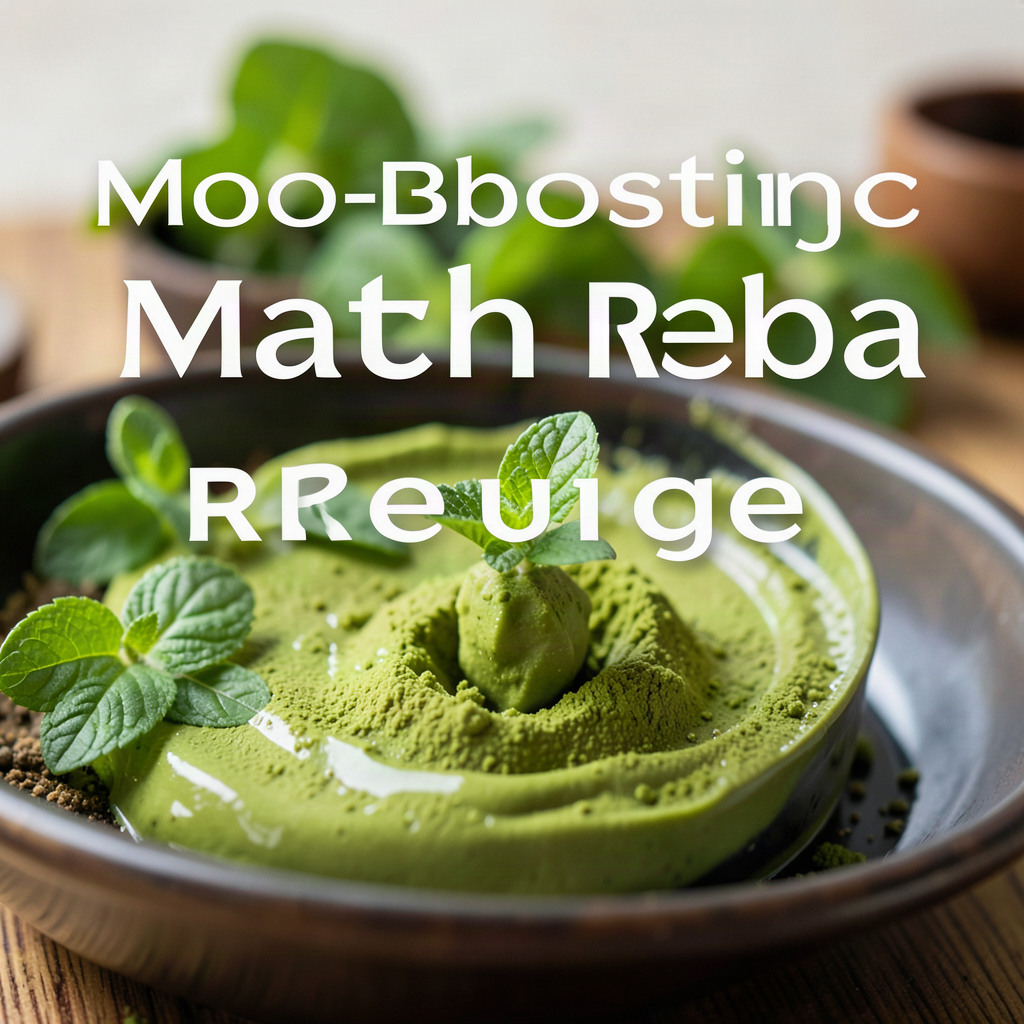
Matcha has evolved from a traditional Japanese ceremonial beverage into a global wellness staple, and for good reason. Beyond its vibrant emerald hue and distinct earthy flavor, matcha offers a unique profile of compounds that may support sustained energy and mental clarity. Unlike coffee, which often leads to a jittery spike followed by a crash, matcha provides a more balanced experience thanks to a synergistic relationship between caffeine and L-theanine. This guide explores the science behind why matcha is a powerful mood-booster and provides a fool-proof recipe to elevate your daily ritual.
The Science of Matcha and Your Mood
The secret to matcha’s mood-enhancing properties lies in its unique chemical composition. Matcha is made from shade-grown green tea leaves that are stone-ground into a fine powder, meaning you consume the entire leaf rather than just the steeped water. This provides a concentrated dose of L-theanine, an amino acid known for its ability to promote relaxation without sedation. When L-theanine is paired with the natural caffeine found in the leaf, it creates a state of “calm alertness.” Research suggests that this combination can help improve focus and cognitive performance, effectively smoothing out the physiological stress response that often accompanies high-caffeine beverages.
Selecting the Right Grade of Matcha
Not all matcha is created equal. To achieve the best flavor and maximum nutritional benefit, you must distinguish between culinary grade and ceremonial grade. Ceremonial grade matcha is derived from the youngest tea leaves, which are de-stemmed and deveined before grinding. It has a bright, vibrant green color and a delicate, naturally sweet flavor profile. Culinary grade, while suitable for baking or smoothies, can be bitter and dull in color. For a mood-boosting latte or tea, always opt for ceremonial grade to ensure a smooth, vegetal taste that doesn’t require excessive sweeteners.
The Essential Tools for a Perfect Whisk
Achieving a lump-free, frothy matcha requires the right equipment. While you can use a standard kitchen whisk, a bamboo chasen is the traditional tool designed specifically to break up the powder and aerate the tea. If you are serious about your daily ritual, investing in a chasen and a ceramic chawan (tea bowl) will significantly improve your experience. If you are on the go, a battery-operated handheld frother is an acceptable modern alternative that works well for creating a quick foam on top of your latte.
The Ultimate Mood-Boosting Matcha Latte Recipe
This recipe balances the earthy notes of high-quality matcha with a hint of natural sweetness and healthy fats to stabilize blood sugar. Ingredients: 1 teaspoon ceremonial grade matcha powder, 2 ounces hot (not boiling) water, 8 ounces of your choice of plant-based milk (oat or almond work best), 1/2 teaspoon of pure maple syrup or raw honey (optional), and a pinch of ground cinnamon or vanilla bean powder for aromatics. Instructions: Sift the matcha into your bowl to remove clumps. Add the hot water, ensuring it is around 175 degrees Fahrenheit; boiling water can burn the tea and increase bitterness. Whisk vigorously in a “W” motion until a layer of fine, jade-colored foam forms. Heat your milk separately, then pour it over the matcha. Stir gently and top with a dusting of cinnamon.
Incorporating Adaptogens for Extra Support
To take your mood-boosting ritual to the next level, consider adding a pinch of adaptogenic herbs. Adaptogens are plants and mushrooms that help the body manage physical and mental stress. Ashwagandha, for example, is well-regarded for its potential to support a balanced stress response, while lion’s mane mushroom is frequently used to support cognitive function and mental clarity. Since these powders have earthy profiles, they blend seamlessly with the grassy notes of matcha. Always start with a small “pinch” or 1/4 teaspoon to ensure the flavor remains enjoyable.
The Importance of Mindful Preparation
The act of preparing matcha can be a form of meditation in itself. In Japanese tea culture, the focus is on the present moment—the sound of the water, the texture of the powder, and the rhythmic motion of the whisk. By approaching your morning matcha as a mindful ritual rather than a quick caffeine fix, you signal to your brain that it is time to transition from a state of rest to a state of focused intention. This mental shift is just as important as the chemical compounds in the tea for improving your overall mood and daily outlook.
Customizing Your Matcha Ritual
Your matcha ritual should be as unique as you are. Some prefer their tea cold-whisked over ice during warmer months, while others find comfort in a steaming mug during the winter. You can experiment with different milk bases, such as cashew milk for a creamier texture or coconut milk for a tropical twist. If you find the flavor profile too intense, consider adding a dash of sea salt, which can help cut through the bitterness and highlight the natural sweetness of the tea. The goal is to create a beverage that you genuinely look forward to preparing and consuming every day.
Sustainability and Sourcing
When purchasing matcha, look for brands that prioritize shade-grown practices and provide transparency regarding their harvest region. High-quality matcha is typically sourced from regions like Uji or Nishio in Japan, where the climate and soil conditions are optimal for tea cultivation. By supporting companies that focus on ethical labor practices and sustainable farming, you ensure that your mood-boosting ritual is not only good for you but also respectful of the environment and the farmers who cultivate the tea. Checking for organic certification can also help you avoid pesticides and ensure a cleaner, purer cup.
Optimizing Water Temperature and Quality for Flavor Extraction
The chemistry of your matcha is heavily influenced by the water you use. While 175 degrees Fahrenheit is the standard, the mineral content of your water plays a secondary, yet critical, role. Distilled water, while pure, can often result in a flat-tasting tea because it lacks the ions necessary to fully extract the complex amino acids from the leaf. Conversely, hard tap water may contain chlorine or excess calcium, which can react with the tannins and dull the vibrant green color. For the most balanced cup, use filtered water that has been boiled and then allowed to cool for approximately three to five minutes. Testing your water temperature with a digital thermometer is a small investment that prevents the scalding of delicate leaves, which otherwise releases excessive catechins that manifest as a sharp, astringent bitterness on the back of the palate.
The Art of Sifting: Eliminating Micro-Clumps
Even the highest-grade ceremonial matcha will naturally clump due to its fine, electrostatic particle size. If you skip the sifting step, you are essentially guaranteeing a gritty mouthfeel, regardless of how vigorously you whisk. A fine-mesh stainless steel sieve is your best friend here. By pushing the powder through the mesh with a small spoon or a dedicated bamboo spatula, you aerate the powder, allowing the hot water to fully encapsulate every particle. This is the secret to achieving that signature creamy, velvet-like consistency that defines a café-quality drink. If you find your matcha still has small, stubborn lumps, it is likely the result of moisture exposure; storing your sifter and container in a dry, cool environment will keep the powder flowing freely.
Mastering the “M” and “W” Whisking Techniques
The motion you use with your chasen is not merely for show; it is a mechanical process designed to create an emulsion. If you whisk in a circular motion around the sides of the bowl, you will fail to create the necessary foam. Instead, focus on a quick, flicking motion that moves from the center of the bowl outward in a sharp “W” or “M” shape. This motion forces air into the liquid, creating a thick, mousse-like layer of micro-bubbles on the surface. For those using a bamboo whisk, ensure you soak the tips in warm water for a minute before use to soften the tines, which prevents them from snapping and increases the efficiency of the aeration process. Aim for at least 30 to 60 seconds of rapid, wrist-driven movement to achieve a dense, stable froth.
The Role of Healthy Fats in Nutrient Absorption
Matcha contains fat-soluble vitamins and antioxidants, such as EGCG (epigallocatechin gallate), which are more effectively absorbed by the body when consumed alongside a source of dietary fat. While many opt for oat or almond milk, adding a half-teaspoon of MCT oil, grass-fed ghee, or even a small dollop of coconut cream can significantly enhance the bioavailability of these mood-boosting nutrients. These healthy fats also serve to coat the stomach lining, providing a buffer that mitigates the potential for nausea in those who are sensitive to the concentrated tannins found in tea. This “fat-modified” matcha creates a more satiating drink, turning your morning ritual into a functional breakfast that supports sustained focus through the mid-morning slump.
Strategic Sweetening: Beyond Refined Sugars
If you find the vegetal profile of matcha too bold, the choice of sweetener can either complement or clash with its delicate notes. Refined white sugar often masks the nuance of the tea, whereas natural, mineral-rich sweeteners like grade-A maple syrup, coconut nectar, or a small amount of raw, unfiltered honey can add depth. For a zero-glycemic impact, monk fruit or stevia glycerite are excellent alternatives; however, be mindful that these can sometimes leave a lingering aftertaste. A pro-tip for those who prefer a savory edge is to add a tiny pinch of high-quality sea salt or a drop of vanilla extract. Salt, in particular, suppresses the perception of bitterness, allowing the natural sweetness of the high-quality matcha to shine through without the need for additional calories.
Managing Oxidation and Long-Term Freshness
Matcha is a highly perishable product that begins to oxidize the moment it is exposed to air, light, or heat. Once oxidized, the bright, vibrant green transitions to a dull, olive-brown, and the delicate L-theanine profile begins to degrade, resulting in a loss of the very mood-boosting benefits you seek. To maximize the shelf life of your powder, always purchase in small quantities that you can consume within four to six weeks. If you buy in bulk, divide the powder into smaller, airtight, light-proof containers and keep them in the freezer. When you need a serving, allow the container to reach room temperature before opening it; this prevents condensation from forming inside the jar, which would quickly ruin the texture of the remaining powder.
Navigating the Sensory Profile of Terroir
Much like fine wine or single-origin coffee, the flavor of matcha is profoundly influenced by its terroir—the soil, altitude, and climate of the region where it is grown. Matcha harvested from the Uji region in Kyoto is widely considered the gold standard due to its unique mineral-rich soil and consistent mist, which naturally shades the plants, leading to higher levels of chlorophyll and L-theanine. When you source your powder, look for regional indicators on the packaging. A tea grown in lower-altitude, flatter regions may have a more robust, slightly aggressive profile, while high-altitude, shaded crops tend to be more buttery, floral, and smooth. Developing a palette for these nuances allows you to tailor your mood-boosting ritual; if you seek a meditative, calming experience, lean toward the delicate, umami-forward profiles of Uji-grown leaves, whereas a more vigorous, high-energy morning might call for the bolder, more astringent profiles found in other Japanese prefectures like Kagoshima.
The Impact of Photoperiodism on Caffeine and Amino Acids
The mood-enhancing “calm alertness” you experience is a direct result of the plant’s biological response to light deprivation. For the final three weeks before harvest, tea bushes are covered with straw mats or black tarps, a process known as shading. This forces the plant to overproduce chlorophyll and amino acids, specifically L-theanine, to compensate for the lack of sunlight. Understanding this process demystifies why the timing of your matcha purchase matters. Freshly harvested matcha—often available in the spring—tends to be at its peak potency for these mood-regulating compounds. As the season progresses, the chemical profile changes slightly. By choosing “first flush” or spring-harvested matcha, you are essentially consuming the most concentrated form of these stress-reducing compounds, ensuring that your daily cup provides the most significant physiological support for your nervous system.
Synergistic Pairings: The Role of Botanical Additives
Beyond adaptogens, you can amplify the mood-boosting effects of matcha by incorporating specific plant-based ingredients that complement its chemical structure. For instance, a dash of organic, high-quality turmeric combined with a crack of black pepper can turn your matcha into an anti-inflammatory powerhouse. The curcumin in turmeric is known for its neuroprotective properties, which pair beautifully with the cognitive focus provided by the L-theanine in the tea. Similarly, adding a teaspoon of raw cacao powder introduces theobromine, a mild stimulant that works in tandem with caffeine to promote a gentle, sustained mood lift. These additions transform your latte from a simple beverage into a complex, functional elixir that addresses multiple pathways of well-being, from reducing oxidative stress to supporting sustained blood-brain barrier health.
The Physics of Foam: Why Micro-Bubbles Matter
The thick, creamy foam, or “froth,” atop a well-prepared bowl of matcha is not just aesthetic; it is a vital part of the sensory experience. The aeration process significantly changes the mouthfeel, making the tea feel more luxurious and coating the tongue in a way that balances out the natural astringency of the green tea leaves. These tiny bubbles act as a barrier, preventing the tea from hitting the palate all at once with a sharp, grassy punch. When you whisk correctly, you are creating a stable emulsion of water and tea particles. If your foam dissipates within seconds, it is usually a sign that the water temperature was too high—which damages the proteins responsible for stabilizing the foam—or that the whisking motion lacked the necessary speed to create a true suspension. Achieving a dense, long-lasting foam is the hallmark of a masterfully prepared cup and ensures a smoother, more palatable delivery of the tea’s active compounds.
Temperature Control: The Difference Between Extraction and Scalding
Many home enthusiasts make the mistake of using a standard electric kettle without temperature control. When water exceeds 180 degrees Fahrenheit, it begins to extract excessive tannins and catechins from the tea leaf. While these compounds are healthy, an over-extraction creates a sharp, drying sensation in the mouth that can be off-putting and increase the perception of bitterness. If you do not have a temperature-controlled kettle, a simple trick is to pour your boiling water into a room-temperature ceramic mug or bowl first; this “thermal transfer” typically drops the water temperature by 15 to 20 degrees, bringing it into the ideal 160-175 degree range. Controlling this variable is the single most effective way to ensure that your matcha remains sweet and vegetal rather than bitter and harsh, allowing you to enjoy the drink without the need for excessive sweeteners.
Frequently Asked Questions
Q: Can I drink matcha on an empty stomach? A: While many people do, some individuals find that the high concentration of tannins in green tea can cause minor stomach sensitivity. If you have a sensitive stomach, consider having a small snack like a handful of nuts alongside your matcha to buffer the experience. Q: How much caffeine is in a cup of matcha? A: A standard serving of matcha contains approximately 35 to 70 milligrams of caffeine, which is generally less than a cup of brewed coffee. Because of the L-theanine content, the energy delivery is much more stable. Q: Why does my matcha taste bitter? A: Bitterness is usually caused by three factors: using culinary grade powder, using water that is too hot, or not whisking the powder thoroughly enough. Ensure your water is around 175 degrees Fahrenheit and always sift your powder. Q: How should I store my matcha to keep it fresh? A: Matcha is light-sensitive and oxidizes easily. Always store your matcha in an airtight, opaque container away from heat and sunlight. Refrigeration is recommended to maintain its vibrant color and nutrient density for longer periods. Q: Can I use a blender instead of a whisk? A: Yes, a high-speed blender is an excellent way to prepare matcha, especially if you are making a larger batch or adding other ingredients like collagen or coconut oil. It creates a very frothy, emulsified texture that is quite enjoyable.