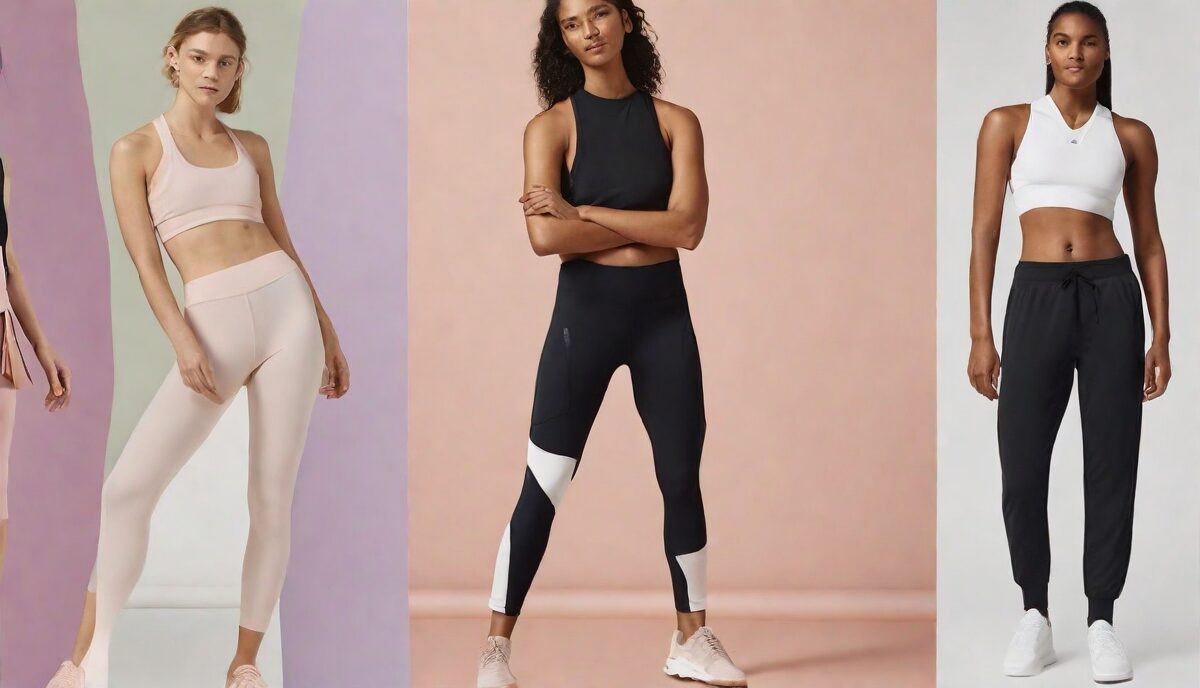
The Rise of Athleisure
Athleisure wear, comfortable clothing designed for workouts but also stylish enough for everyday wear, has exploded in popularity in recent years. More and more people are seeking garments that can transition seamlessly from the gym to running errands. The athleisure market is now estimated to be worth $155 billion globally.
Why So Many Brands Are Getting Into Athleisure
With the incredible growth of the athleisure market, it’s no wonder so many fashion brands want a piece of the pie. Athleisure allows them to expand into casualwear while capitalizing on customers’ desire for multifunctional, comfortable clothing.
7 Top Athleisure Brands
Here are seven fashion brands making high-quality, cutting edge athleisure clothing:
1. Kit and Ace
Founded by the family behind Lululemon, Kit and Ace focuses on everyday clothes made from technical fabrics with moisture wicking properties.
2. ADAY
ADAY creates versatile, minimalist athleisure wear perfect for the office, travel, and fitness. Their clothes feature advanced fabrics and thoughtful design.
3. Varley
A premium British activewear brand, Varley combines high performance with elegant designs for the gym and beyond.
4. Ultracor
Ultracor uses innovative fabric technology and scientific principles to engineer activewear that sculpts and supports your body during any activity.
5. Sweaty Betty
A pioneer in fitness fashion, Sweaty Betty makes flattering athleisure inspired by yoga, dance, and pilates.
6. Live The Process
Live The Process focuses on mindful designs, ethical manufacturing, and quality over quantity.
7. Outdoor Voices
Outdoor Voices promises to “free fitness from performance,” with an emphasis on enjoyment over exercise for exercise’s sake.
The Science of Fabric Innovation in Modern Performance Wear
To truly understand why athleisure has become a wardrobe staple, one must look at the textile engineering behind the seams. Modern athleisure is no longer just about spandex; it is about high-performance polymers and bio-based fibers that regulate body temperature. Brands are now investing heavily in moisture-management systems, such as capillary-action yarns that pull perspiration away from the skin toward the outer layer of the fabric for rapid evaporation. This is critical for the wearer who transitions from a hot yoga studio to a cool office environment, as it prevents that post-workout chill often caused by traditional cotton fabrics.
Furthermore, the integration of silver-ion technology and antimicrobial treatments has changed the game for long-wear garments. These treatments inhibit the growth of odor-causing bacteria, allowing pieces to be worn multiple times between washes—a significant factor for the eco-conscious consumer. When evaluating a new brand, look for technical specifications like four-way stretch recovery, which ensures that leggings or tops do not bag out at the knees or elbows after a long day of movement. The most sophisticated fabrics also incorporate UPF (Ultraviolet Protection Factor) ratings, effectively turning everyday loungewear into protective gear for outdoor commuters.
Designing for the Hybrid Workspace
The blurred line between the gym and the boardroom has necessitated a shift in aesthetic design language. Modern athleisure designers are moving away from neon, hyper-athletic branding in favor of muted palettes, tailored silhouettes, and matte finishes. A high-quality athleisure piece today often features hidden technical details: bonded seams instead of bulky overlock stitching to reduce friction, laser-cut hems for a clean “no-show” finish under blazers, and discreet, zippered pockets designed to hold essentials like keys or cards without creating unsightly bulges.
Consider the “desk-to-gym” transition. A well-constructed athleisure blazer or a structured, moisture-wicking polo shirt bridges the gap between professional appearance and athletic comfort. The key here is silhouette; brands are increasingly using compression-grade fabrics that provide the structure of a woven garment while maintaining the fluid movement of knitwear. When shopping, prioritize items with a “matte” rather than a “shiny” finish, as the latter often reads as strictly performance-oriented, whereas matte textures mimic traditional textiles like cotton or wool, making them easier to style with non-athletic staples like denim or leather jackets.
Sustainability and Ethical Manufacturing Practices
As the athleisure market expands, the environmental impact of synthetic fibers is coming under closer scrutiny. Many leading brands are shifting toward circular manufacturing models. This includes the use of recycled polyester (rPET) derived from post-consumer plastic bottles and fishing nets, as well as regenerative nylon options. Beyond the material, ethical manufacturing has become a non-negotiable metric for the modern consumer. Transparent supply chains, where brands can trace their fabric sourcing and factory labor conditions, are now a significant competitive advantage.
It is worth noting the rise of “solution-dyed” fabrics, a process that significantly reduces water consumption and chemical waste compared to traditional dyeing methods. When researching a brand, check for certifications like OEKO-TEX Standard 100 or Bluesign, which ensure that the textiles are free from harmful substances. By choosing brands that emphasize durability and repairability—such as those offering lifetime guarantees on stitching or zipper hardware—consumers can combat the “fast fashion” cycle that has historically plagued the athletic wear industry.
Styling Athleisure for Formal and Business Casual Settings
Mastering the “athleisure-chic” look requires a keen eye for balance and proportion. The goal is to avoid looking like you just walked out of a locker room. A successful outfit often relies on the “high-low” mix. For instance, pairing a pair of high-performance, compressive leggings with an oversized, structured wool coat and leather boots creates an immediate sense of intention. The contrast between the technical, sleek nature of the leggings and the rich, organic texture of the coat elevates the entire ensemble.
Accessories play a pivotal role in this transition. Swapping out a baseball cap for a structured wide-brim hat or replacing a gym backpack with a minimalist leather tote bag can shift an outfit from “active” to “urban.” Additionally, layering is your best friend. A lightweight, technical windbreaker worn under a blazer creates a sophisticated, multi-dimensional look that provides utility without sacrificing polish. The key rule of thumb: ensure that at least one item in your outfit is clearly non-athletic to ground the look and maintain a cohesive, intentional style aesthetic.
Navigating Sizing and Compression Levels
One of the most common pitfalls for consumers entering the athleisure market is miscalculating the necessary level of compression. Not all “stretchy” clothes are created equal. Activewear is often categorized by its compression grade: low, medium, and high. High-compression garments are designed to support muscle stability during high-intensity interval training (HIIT) or long-distance running, but they can feel restrictive and uncomfortable during a three-hour flight or a day at the desk. For everyday wear, look for medium-compression items that offer a “second-skin” feel without squeezing the body.
Furthermore, sizing in athleisure can be deceptive due to the elasticity of the fabrics. If you are between sizes, consider the intended use. If the item is meant for high-impact activities, size down to ensure the garment stays in place during movement; if it is for lounging or casual wear, sizing up or sticking to your standard size will prevent the fabric from over-stretching, which can lead to premature thinning or pilling. Always check the brand’s specific size guide, as high-performance brands often utilize different measurements than standard high-street fashion labels.
The Role of Footwear in Completing the Athleisure Aesthetic
The footwear you choose can either make or break an athleisure outfit. While the “dad shoe” trend brought chunky, performance-inspired sneakers into the mainstream, the current direction is leaning toward sleek, low-profile silhouettes that offer versatility. A minimalist white leather sneaker remains the gold standard for athleisure, as it pairs just as well with joggers as it does with tailored trousers. However, for those seeking more comfort, modern “knit” sneakers—which utilize 3D-knitting technology to create a seamless, sock-like fit—are superior for all-day wear.
When selecting footwear, consider the arch support and midsole cushioning. Many fashion-forward sneakers lack the ergonomic support required for extensive walking, which is often a component of the athleisure lifestyle. Look for brands that collaborate with orthopedic specialists or use proprietary foam technologies (like EVA or TPU) to ensure that your feet remain comfortable during long commutes. The aesthetic goal is to find a shoe that looks clean and modern but feels like a dedicated piece of sports equipment.
Caring for Technical Fabrics to Extend Lifespan
The lifespan of your athleisure investment is directly tied to your laundry habits. Heat is the enemy of synthetic technical fibers; it breaks down the elastic polymers (elastane/spandex) that give your gear its stretch and recovery. Always wash your athleisure in cold water on a gentle cycle, and skip the dryer entirely. Air-drying not only preserves the integrity of the fabric’s elasticity but also prevents the common issue of “pilling” or “fuzzing” caused by friction in the dryer drum.
FAQ
What is athleisure?
Athleisure refers to clothing designed for workouts and athletic activities that also works well for casual everyday wear.
Who started the athleisure trend?
Many credit Lululemon, known for its popular yoga pants, with ushering in the athleisure revolution that kicked off in the early 2010s.
Is athleisure just a trend?
While critics once dismissed athleisure as a passing fad, the market shows no signs of slowing down. More and more customers prefer versatile, comfortable clothing – making it more than just a trend.
Why do fashion brands create athleisure lines?
With the booming popularity of athleisure, many fashion brands want to capitalize on this growing casualwear market. Creating athletic-inspired lifestyle apparel boosts their profits.
What makes for good athleisure clothing?
Great athleisure gear incorporates attributes like moisture wicking technology, stretchiness and recovery, odor resistance, and visibility enhancing details – while maintaining enough style for everyday wear.
Related posts:
 Gyms Are Actually Banning Sexy Workout Clothes and Here’s Why
 The Athleisure Outerwear Taking Over This Fall
 Louis Vuitton’s New Designer Just Made Athleisure High Fashion
 Why Athleisure Isn’t Just a Passing Trend
 2018 Activewear Trends
 Spring Athleisure Fashion Trends
 Best-Selling Activewear Brands on Resale Sites
 Green Fashion Face-Off: H&M’s Fall Collection vs. Truly Eco-Friendly Brands