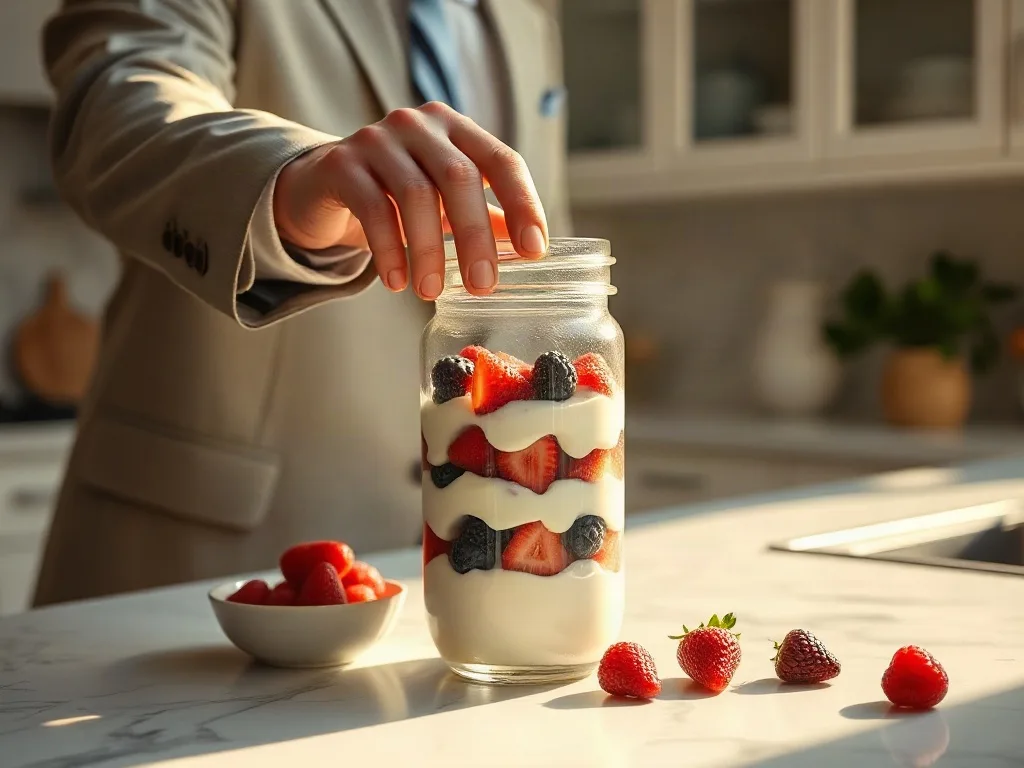
Mornings can feel like a sprint before the day even begins. Between packing lunches, checking emails, and getting everyone out the door, breakfast often becomes an afterthought or a sugary grab‑and‑go bar. The good news is that a nourishing start does not require a gourmet kitchen or an extra hour. With a little planning and a handful of versatile ingredients you can assemble satisfying meals in minutes, keep energy steady, and avoid the mid‑morning crash.
Key takeaways
- Prepare grains, roasted vegetables, and hard-boiled eggs on weekends to assemble balanced meals in under five minutes.
- Freeze pre-portioned smoothie packs or breakfast burritos for nutrient-dense meals that can be reheated or blended instantly.
- Use Greek yogurt, cottage cheese, or egg-white muffins to reach 30 grams of protein for sustained morning energy.
- Transform dinner leftovers like roasted chicken, grains, or chili into breakfast hashes to reduce daily prep time.
- Use insulated stainless-steel jars or silicone muffin cups to keep handheld breakfasts at safe temperatures during long commutes.
Why a Simple Morning Meal Matters
Research consistently shows that eating within the first hour of waking supports stable blood sugar, improves concentration, and reduces cravings later in the day. A balanced plate that includes protein, fiber, and healthy fat slows digestion, giving you a sustained fuel source. Skipping breakfast or relying on refined carbs can lead to irritability, brain fog, and overeating at lunch. By investing a few minutes each evening or weekend you set yourself up for a smoother, more productive morning.
Batch‑Cook Staples for the Week
Dedicate thirty minutes on Sunday to prepare building blocks that store well. Cook a large pot of steel‑cut oats or quinoa, roast a tray of sweet‑potato cubes, hard‑boil a dozen eggs, and portion out Greek yogurt into single‑serve containers. Store each component in airtight containers in the fridge. In the morning you simply combine a scoop of grain, a spoonful of yogurt, a handful of roasted veg, and a boiled egg for a complete plate. This mix‑and‑match approach eliminates decision fatigue and keeps variety high without extra cooking time.
Overnight Oats and Chia Puddings
Overnight oats are the ultimate set‑and‑forget breakfast. In a jar combine rolled oats, milk or a plant alternative, a pinch of salt, and a splash of vanilla. Add a tablespoon of chia seeds for extra omega‑3s and thickness. Sweeten lightly with mashed banana or a drizzle of maple syrup, then refrigerate. By morning the mixture is creamy and ready to eat. Top with fresh berries, nuts, or a spoonful of nut butter for texture and flavor. Chia pudding follows the same principle: whisk chia seeds with liquid, let sit, then layer with fruit and granola.
Freezer‑Friendly Breakfast Burritos
Prepare a batch of breakfast burritos on a weekend and freeze them individually. Scramble eggs with black beans, diced bell pepper, spinach, and a sprinkle of cheese. Spoon the mixture onto whole‑wheat tortillas, roll tightly, wrap in parchment, and place in a freezer bag. In the morning, unwrap one burrito, microwave for ninety seconds, and you have a handheld, protein‑rich meal. Customize fillings with leftover roasted vegetables, turkey sausage, or tofu scramble to keep the rotation interesting.
Quick Stovetop Egg Dishes
Eggs cook in under five minutes and adapt to any flavor profile. A simple veggie omelet uses pre‑chopped onions, mushrooms, and kale sautéed in olive oil, then folded over beaten eggs. For a faster option, make a microwave mug omelet: whisk two eggs with a splash of milk, stir in diced tomato and cheese, microwave for sixty seconds, stir, then another thirty seconds. Serve with a slice of whole‑grain toast or a side of fruit. Hard‑boiled eggs prepped ahead also work as a grab‑and‑go protein boost.
Smoothie Packs for One‑Minute Blends
Portion smoothie ingredients into freezer bags: a cup of frozen berries, a handful of spinach, half a banana, a scoop of protein powder, and a tablespoon of flaxseed. In the morning dump a bag into the blender, add liquid of choice, blend, and pour into a travel cup. This method eliminates measuring, reduces waste, and guarantees a nutrient‑dense drink. Rotate flavor bases — mango‑pineapple, cocoa‑peanut butter, or green apple‑cucumber — to keep taste buds engaged.
Toast Toppings Beyond Butter and Jam
Whole‑grain toast serves as a versatile canvas. Spread cottage cheese and top with sliced cucumber, radish, and a sprinkle of everything bagel seasoning. Or mash avocado, add a poached egg, and finish with red‑pepper flakes. Nut butter paired with sliced strawberries and a drizzle of honey offers sweet satisfaction with healthy fats. Keep a few topping combos pre‑portioned in small containers so assembly takes seconds.
Make‑Ahead Muffins and Mini Frittatas
Bake a batch of savory muffins or mini frittatas in a muffin tin. Combine eggs, diced ham, cheese, grated zucchini, and herbs. Pour into greased cups and bake at 375°F for twenty minutes. Cool, then store in the fridge for up to five days or freeze for longer. Reheat one or two in the microwave for a portable, protein‑packed breakfast. Sweet versions using oats, mashed banana, and blueberries work equally well for those who prefer a lighter start.
Putting It All Together: A Sample Weekly Plan
Monday: Overnight oats with almond butter and berries. Tuesday: Freezer burrito reheated, side of grapes. Wednesday: Greek yogurt parfait with pre‑cooked quinoa, honey, and walnuts. Thursday: Microwave mug omelet, whole‑grain toast. Friday: Smoothie pack blend, handful of almonds. Saturday: Savory muffin + fruit salad. Sunday: Chia pudding topped with mango and coconut flakes. This rotation uses the batch‑cooked staples, freezer items, and quick‑mix options so no morning requires more than five minutes of active work.
Budget‑Friendly Bulk Prep Strategies
Buying staple ingredients in larger quantities is the single most effective way to lower the per‑serving cost of breakfast without sacrificing nutrition. Start by identifying the items you use most often — rolled oats, brown rice, dried beans, frozen mixed vegetables, eggs, and plain Greek yogurt — and compare the unit price of the bulk bag versus the smaller retail package. A ten‑pound bag of oats typically costs less than half per ounce than a one‑pound canister, and a five‑dozen egg crate often beats the price of a dozen by twenty percent. When storage space is limited, consider splitting a bulk purchase with a neighbor or coworker; a shared Costco run can give each household the volume discount while keeping pantry shelves manageable.
Plan a weekly “core‑ingredient” list that repeats across multiple recipes. For example, a single pot of cooked quinoa can become the base for a savory breakfast bowl on Monday, a sweet parfait on Wednesday, and a filler for egg‑white muffins on Friday. By rotating the same grain through three distinct dishes you avoid the monotony that often drives people back to expensive convenience foods. Keep a simple spreadsheet or notebook noting the cost per batch, the number of servings yielded, and the date prepared. This habit makes it easy to spot when a particular staple is running low and to reorder before you’re forced into a last‑minute, higher‑priced purchase.
Frozen produce is a budget hero that also reduces waste. A two‑pound bag of frozen spinach, diced bell peppers, or mixed berries costs a fraction of fresh equivalents and retains most vitamins because it’s flash‑frozen at peak ripeness. Portion the frozen veg into silicone muffin cups or zip‑top bags so you can grab exactly what you need for a quick scramble or a smoothie pack without thawing an entire bag. If you have a chest freezer, allocate a dedicated “breakfast zone” where you store pre‑portioned grain packs, boiled eggs, and frozen fruit. This visual cue prevents the freezer from becoming a black hole where items disappear for months.
Edge case: limited refrigerator space in a small apartment. In that scenario, focus on shelf‑stable bulk items — canned beans, lentils, nut butters, and whole‑grain crackers — and use a countertop “dry‑goods” bin for oats, nuts, and seeds. A single shelf can hold enough dry ingredients for two weeks of breakfasts, while the fridge only needs to accommodate a dozen eggs, a tub of yogurt, and a few fresh fruit pieces. By front‑loading the pantry you keep the cold storage lean and the grocery bill low.
High‑Protein Low‑Carb Breakfast Formulas
For anyone targeting a higher protein intake while keeping carbohydrates modest — whether for muscle maintenance, blood‑sugar stability, or a ketogenic approach — the key is to build each plate around a protein anchor and then add fat and fiber for satiety. A reliable template is: 30‑35 grams protein, 15‑20 grams fat, and under 10 grams net carbs. Start with a base of three large eggs (≈18 g protein) or a cup of cottage cheese (≈28 g protein). From there, layer in a tablespoon of nut butter or a quarter avocado for healthy fat, and a handful of low‑carb vegetables such as sautéed spinach, sliced mushrooms, or roasted cauliflower rice for fiber.
Egg‑white muffins baked in a silicone muffin tray are a make‑ahead powerhouse. Whisk twelve egg whites with a cup of diced cooked chicken breast, a quarter cup of grated Parmesan, and a teaspoon of dried oregano. Pour into the cups and bake at 350 °F for fifteen minutes. Each muffin delivers roughly 12 g protein with less than 2 g net carbs. Store them in the fridge for up to five days or freeze for a month. Reheat two muffins in the microwave for thirty seconds and you have a handheld, high‑protein breakfast that travels well.
Greek yogurt can be turned into a low‑carb “protein pudding” by stirring in a scoop of unflavored whey isolate, a teaspoon of chia seeds, and a few drops of liquid stevia. The chia thickens the mixture within ten minutes, adding omega‑3s and extra fiber without raising the carb count. Top with a tablespoon of sliced almonds for crunch. This bowl hits 35 g protein, 18 g fat, and 5 g net carbs, making it a complete meal in a single container.
For plant‑based eaters, a tofu scramble provides a comparable protein profile. Press a block of extra‑firm tofu, crumble it, and sauté with turmeric, nutritional yeast, diced red pepper, and a handful of kale. Finish with a drizzle of olive oil and a side of sliced avocado. One serving yields about 22 g protein, 20 g fat, and 6 g net carbs. If soy is off‑limits, swap the tofu for a chickpea‑flour batter cooked like a thin omelet; the batter can be pre‑mixed and stored in the fridge for up to three days.
Edge case: dairy intolerance. Replace cottage cheese and Greek yogurt with unsweetened soy yogurt or a pea‑protein based yogurt alternative. Both deliver 15‑20 g protein per cup and keep the carb count low. Pair with a spoonful of hemp hearts for extra fat and a sprinkle of cinnamon for flavor without sugar.
Portable Breakfasts for Long Commutes
When the morning routine includes a thirty‑minute train ride or a hour‑long drive, the breakfast must be handheld, leak‑proof, and able to sit at room temperature for a short window without safety concerns. The most reliable format is a sealed, insulated container that keeps cold items below 40 °F and hot items above 140 °F for at least two hours. Invest in a compact, double‑walled stainless‑steel jar (12‑ounce capacity) for hot dishes and a slim, BPA‑free bento box with a silicone seal for cold assemblies.
Hot option: a breakfast “burrito bowl” that skips the tortilla. Layer a base of cauliflower rice, top with scrambled eggs mixed with black beans, diced turkey sausage, and a spoonful of salsa. Pack the salsa in a tiny separate compartment to prevent sogginess. The whole jar fits in a cup holder and can be eaten with a fork. Because the ingredients are fully cooked, the only reheating needed is a quick thirty‑second microwave burst at the office kitchen, or you can enjoy it warm straight from the insulated jar if you pre‑heat the jar with boiling water for a minute before filling.
Cold option: a mason‑jar “overnight savory oats” that uses steel‑cut oats soaked in unsweetened almond milk, a tablespoon of miso paste for umami, shredded carrots, edamame, and a soft‑boiled egg peeled and placed on top. The oats soften overnight, the miso adds depth without extra sodium, and the egg provides a protein boost. Seal the jar tightly; the egg stays safe for up to four hours at ambient temperature thanks to the acidic miso environment, but for maximum safety keep the jar in an insulated sleeve with an ice pack.
For a truly no‑utensil meal, bake a batch of mini frittata “cups” in a silicone muffin pan using a blend of eggs, diced ham, cheese, and chopped broccoli. Once cooled, wrap each cup individually in parchment and place six in a zip‑top bag. They stay fresh in the fridge for five days and freeze for three months. In the morning, grab two cups, slip them into a small insulated pouch, and eat them like a sandwich — no fork required.
Edge case: strict no‑mess policy in a shared carpool. Choose dry, crumb‑free items such as homemade protein granola bars (oats, whey, almond butter, honey, baked firm) or a packet of roasted chickpeas paired with a single‑serve cheese stick. Both are shelf‑stable for the commute and generate zero crumbs if eaten carefully. Pack a wet‑wipe in the bag for any stray residue.
Creative Uses for Leftovers at Breakfast
Turning last night’s dinner into today’s breakfast is a zero‑waste strategy that also saves precious morning minutes. The principle is simple: identify the protein, starch, and vegetable components of the leftover, then recombine them into a breakfast‑appropriate format. A roasted chicken thigh, a cup of quinoa, and a medley of roasted root vegetables become a hearty “chicken‑quinoa hash” when diced and sautéed with a splash of broth and a cracked egg on top. The egg yolk creates a natural sauce that binds the mixture without extra fat.
Leftover chili or stew can be repurposed as a filling for a quick breakfast quesadilla. Spread a thin layer of the chili on a whole‑wheat tortilla, sprinkle a modest amount of shredded cheese, fold, and press in a dry skillet for two minutes per side. The result is a handheld, protein‑rich meal that reheats the chili evenly and adds a crisp texture. If the chili is very liquid, reduce it in a saucepan for five minutes before assembling to avoid a soggy tortilla.
Cooked grains such as farro, barley, or brown rice are excellent bases for a savory breakfast bowl. Warm the grain, stir in a handful of baby kale until wilted, top with a poached egg, and finish with a drizzle of tahini‑lemon dressing. The grain provides complex carbs, the kale adds micronutrients, and the egg supplies complete protein. This bowl can be assembled in under three minutes if the grain is pre‑cooked and stored in the fridge.
Vegetable‑heavy leftovers like stir‑fried broccoli, snap peas, and bell peppers can be folded into an omelet or blended into a green smoothie with a scoop of protein powder. For the omelet, whisk three eggs, pour over the reheated veg in a non‑stick pan, and fold. For the smoothie, combine the veg with a frozen banana, a cup of unsweetened almond milk, and a scoop of vanilla whey; the fruit masks any strong vegetable flavor while the protein powder balances the macros.
Edge case: leftovers that are heavily sauced or contain delicate seafood. Cream‑based sauces can separate when reheated, and fish may become rubbery. In those cases, repurpose the protein separately — flake the fish into a cold salad with mixed greens, cherry tomatoes, and a vinaigrette — and use the sauce as a dip for raw veggie sticks. This avoids texture issues while still extracting nutritional value.
Seasonal Produce Rotations to Keep Menus Fresh
Aligning breakfast ingredients with the harvest calendar not only improves flavor and nutrient density but also reduces cost because in‑season produce is abundant and cheaper. In spring, focus on tender greens — asparagus, peas, radishes, and strawberries. A quick sauté of asparagus tips with a soft‑boiled egg and a slice of sourdough delivers a bright, mineral‑rich start. Strawberries can be macerated with a splash of balsamic vinegar and spooned over cottage cheese for a sweet‑savory contrast.
Summer brings a bounty of stone fruit, berries, tomatoes, and zucchini. Grill peach halves and serve alongside Greek yogurt drizzled with honey and toasted pistachios. Cherry tomatoes, halved and tossed with basil, olive oil, and a pinch of sea salt, make a vibrant topping for avocado toast. Zucchini can be spiralized into “zoodles,” lightly cooked, and mixed with scrambled eggs and feta for a low‑carb scramble that feels light yet satisfying.
Autumn shifts the palate toward apples, pears, pumpkin, and hearty greens like kale and Swiss chard. A warm bowl of steel‑cut oats stirred with pumpkin puree, pumpkin‑pie spice, and a dollop of almond butter becomes a comforting, fiber‑packed meal. Sautéed kale with garlic, a splash of apple cider vinegar, and a fried egg on top offers a savory, iron‑rich plate. Roasted butternut squash cubes can be prepped in bulk and added to breakfast burritos or grain bowls throughout the week.
Winter’s citrus — oranges, grapefruits, mandarins — provides vitamin C when immune support is most needed. Segment an orange and fold the pieces into a quinoa‑yogurt parfait with a sprinkle of granola. Grapefruit halves can be broiled with a touch of maple syrup for a caramelized treat that pairs well with a side of scrambled eggs. Root vegetables such as carrots, parsnips, and beets roast beautifully; toss them with olive oil and rosemary, then store for quick reheating alongside a protein of choice.
Edge case: limited access to fresh seasonal produce in a food‑desert area. Frozen seasonal blends (e.g., a “spring mix” of peas, carrots, and corn) are harvested at peak and flash‑frozen, preserving most nutrients. Canned tomatoes without added salt, canned pumpkin puree, and jarred roasted red peppers are pantry staples that mimic seasonal flavors year‑round. Keep a rotating list of three frozen or canned items per season so you always have a backup that still feels seasonal.
Time‑Saving Kitchen Gadgets and Cleanup Hacks
A few well‑chosen tools can shave ten to fifteen minutes off the morning prep without adding clutter. An immersion blender with a whisk attachment turns a bowl of cottage cheese, protein powder, and frozen berries into a smooth high‑protein pudding in thirty seconds — no need to transfer to a countertop blender and wash a bulky jar. A silicone egg‑bite mold that fits inside a standard Instant Pot lets you steam a dozen mini frittatas simultaneously; the pressure‑cook cycle takes eight minutes, and the mold pops out for easy release.
Sheet‑pan liners — either parchment paper or reusable silicone mats — eliminate the scrubbing that follows roasting vegetables or baking breakfast sausages. Line a half‑sheet pan, spread a single layer of sweet‑potato cubes, drizzle with oil, season, and roast at 425 °F for twenty minutes. When done, lift the liner, discard or rinse, and the pan is ready for the next batch. This trick also works for batch‑cooking bacon: lay strips on a rack over a lined pan, bake, and the fat drips away, leaving crisp strips and a clean pan.
A handheld milk frother doubles as a rapid emulsifier for salad dressings, sauces, and even bulletproof coffee. Whisk together olive oil, lemon juice, mustard, and a pinch of salt directly in the serving jar; the frother creates a stable vinaigrette in seconds. For bulletproof coffee, blend hot coffee, a teaspoon of MCT oil, and a pat of grass‑fed butter until creamy — no blender required. The frother’s whisk head rinses under running water in moments.
Pre‑portioning containers are the unsung heroes of cleanup. Invest in a set of stackable, BPA‑free containers with snap‑lock lids in three sizes: 4‑ounce for nut butters and sauces, 8‑ounce for grain or yogurt bases, and 16‑ounce for full meals. After each batch‑cook session, fill the containers, label with a dry‑erase marker, and stack them in the fridge. In the morning you simply grab the needed sizes, assemble, and return the empty containers to the dishwasher — no extra bowls, no measuring cups.
Edge case: a kitchen with only a single sink and no dishwasher. Adopt a “clean‑as‑you‑go” rhythm: while the oats simmer, rinse the measuring cup; while the eggs scramble, wipe the cutting board. Keep a spray bottle of diluted vinegar (one part vinegar to three parts water) and a microfiber cloth at the ready for instant surface sanitizing. This micro‑habit prevents a mountain of dishes from accumulating and keeps the workspace functional for the next day’s prep.
FAQ
Can I prepare these breakfasts if I have dietary restrictions?
Absolutely. Swap dairy milk for oat, soy, or almond milk. Use gluten‑free oats and tortillas for celiac needs. Replace eggs with tofu scramble or chickpea flour batter for vegan versions. The core concept — prep components ahead and combine quickly — works with any eating pattern.
How long do overnight oats stay fresh in the fridge?
They keep well for up to five days. The texture softens over time, so if you prefer a chewier bite eat them within three days. Stir before serving and add crunchy toppings just before eating.
What is the best way to reheat frozen burritos without making them soggy?
Remove the parchment, wrap the burrito in a damp paper towel, and microwave on high for ninety seconds. Then unwrap and crisp the exterior in a dry skillet for thirty seconds per side. This restores a pleasant texture.
Are smoothie packs nutritionally balanced?
They can be. Include a protein source (protein powder, Greek yogurt, or silken tofu), a healthy fat (nut butter, chia, or avocado), fiber (leafy greens, berries, oats), and a liquid base. Adjust portions to meet your calorie and macro goals.
How can I involve kids in the morning routine?
Let them choose a topping for toast, stir overnight oats the night before, or assemble their own yogurt parfait from pre‑portioned containers. Giving ownership reduces resistance and teaches basic food skills.
Related posts:
 High-Protein Foods That Pack a Serious Nutritional Punch
 Plant-Based Breakfast Ideas
 Are We Really Too Busy for Breakfast?
 Perfect Hard-Boiled Eggs: A Simple Guide
 Make-Ahead Vegan Savory Breakfast Jars
 The Overnight Oats Recipe That Changed Everything for the Lactose Intolerant
 High Protein Breakfast Ideas for Busy Mornings
 Is Peanut Butter Actually a Healthy Snack?