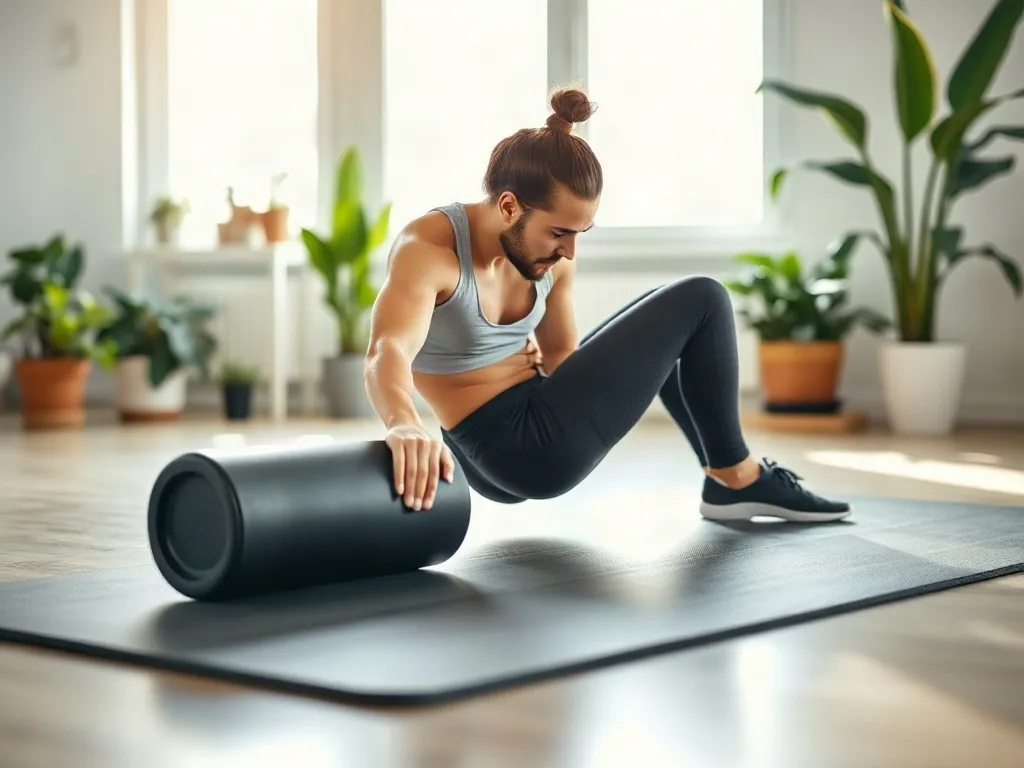
Muscle soreness and tightness are common after a hard workout, a long day at the desk, or even a sudden awkward movement. While rest, hydration, and gentle stretching are often recommended, many people still feel lingering discomfort that hampers daily activities. Physical therapists across the globe consistently point to one evidence‑based method that can accelerate recovery, improve tissue quality, and reduce pain without medication: self‑myofascial release (SMR). In this article we’ll explore why SMR works, break down the exact steps you can follow at home, and show how to blend it seamlessly into a balanced wellness routine. By the end, you’ll have a clear, actionable plan to tackle muscle pain with confidence and safety.
Key takeaways
- Apply pressure to tender spots for 20-30 seconds using a foam roller or lacrosse ball to release tight fascia.
- Roll slowly at a pace of one inch per second to effectively improve blood flow and lymphatic drainage.
- Combine SMR with deep breathing and follow up with a 30-second static stretch to maximize flexibility and relaxation.
- Perform SMR two to three times weekly for maintenance or more frequently during periods of intense physical training.
- Avoid rolling over sharp pain and always perform a light dynamic warm-up before applying pressure to muscle tissue.
Understanding Muscle Pain: Causes and Common Misconceptions
Muscle pain, also known as myalgia, can arise from several sources: microscopic tears from eccentric exercise, prolonged static postures that overload certain fibers, or even minor strains from sudden twists. The body responds by sending inflammatory signals, which increase sensitivity in the surrounding nerves. A frequent misconception is that pain always means serious injury; in reality, most post‑exercise soreness (often called delayed onset muscle soreness, or DOMS) is a normal, temporary response. Recognizing the difference between benign soreness and sharp, localized pain that worsens with movement is essential before applying any recovery technique.
The Science Behind Self‑Myofascial Release
SMR targets the fascia—a thin, connective tissue layer that surrounds muscles, bones, and nerves. When fascia becomes adhesed or overly tight, it restricts movement and can amplify pain signals. By applying controlled pressure with a tool such as a foam roller or lacrosse ball, SMR encourages the fascia to “reset,” improving blood flow, enhancing lymphatic drainage, and allowing muscle fibers to glide more freely. Research published in the Journal of Sports Rehabilitation shows that regular SMR can increase range of motion by 5‑15 percent and modestly lower perceived soreness after intense training sessions.
Step‑by‑Step Guide to an Effective SMR Session
Below is a practical, therapist‑approved routine you can perform in 10‑15 minutes. Choose a firm foam roller for larger muscle groups (quads, hamstrings, calves) and a smaller ball for pinpoint work (glutes, upper back, shoulders).
- Prepare the space. Lay a yoga mat on a flat surface. Ensure you have a water bottle nearby and wear comfortable, breathable clothing.
- Warm‑up lightly. Perform 2‑3 minutes of gentle dynamic movement—such as marching in place or arm circles—to increase circulation.
- Target the muscle group. Position the roller or ball beneath the area you want to treat. For example, to address tight hamstrings, sit on the floor, extend one leg, and place the roller under the back of the thigh.
- Apply pressure. Use your body weight to press into the tool. Start with light pressure and gradually increase as tolerated. Hold for 20‑30 seconds on each spot where you feel a tender knot.
- Roll slowly. Move the tool along the muscle in 1‑2 inch increments. Aim for a speed of about one inch per second. When you encounter a tender spot, pause and maintain pressure for another 20‑30 seconds before continuing.
- Breathe deliberately. Inhale deeply through the nose, exhale through the mouth. Controlled breathing helps the nervous system relax, allowing the fascia to release more effectively.
- Finish with gentle stretching. After rolling, perform a static stretch of the treated muscle for 30 seconds to lock in the newfound length.
Repeat the sequence for each major muscle group that feels tight, typically 2‑3 times per week for maintenance and up to 5 times per week during heavy training phases.
Tools and Materials You’ll Need
- Foam roller. Choose a density that matches your tolerance—medium density is a good starting point.
- Massage ball. A lacrosse or tennis ball works well for smaller, hard‑to‑reach areas.
- Yoga mat or carpeted floor. Provides cushioning and prevents slipping.
- Timer or smartphone. Set 20‑second intervals to avoid over‑rolling.
- Optional: Aromatherapy oil. A few drops of lavender or eucalyptus can enhance relaxation, but it is not required for the technique itself.
Integrating SMR into Your Weekly Routine
Consistency is key. Here is a sample schedule that aligns with typical training cycles:
| Day | Activity |
|---|---|
| Monday | Strength training (upper body) + 10‑minute SMR for shoulders and upper back |
| Tuesday | Cardio (run or bike) + 15‑minute SMR for calves and hamstrings |
| Wednesday | Rest or light yoga + full‑body SMR (20 minutes) |
| Thursday | Strength training (lower body) + targeted SMR for quads and glutes |
| Friday | High‑intensity interval training + quick SMR for hip flexors |
| Saturday | Active recovery (swim or walk) + optional SMR if soreness persists |
| Sunday | Complete rest or gentle stretching only |
Adjust the frequency based on how your body feels. If a muscle group is especially sore, add an extra 5‑minute session, but never roll through sharp, stabbing pain.
Common Mistakes and How to Avoid Them
- Rolling too fast. Rapid movements limit the pressure needed for fascial release. Slow, deliberate rolls are more effective.
- Using excessive force. While some discomfort is normal, pain that feels “sharp” indicates you’re pressing too hard. Reduce weight or shift to a softer roller.
- Neglecting breathing. Holding your breath increases muscle tension, counteracting the release.
- Skipping the warm‑up. Cold tissue is less pliable and more prone to injury. A brief warm‑up prepares the muscles for pressure.
- Focusing only on “problem” areas. Whole‑body SMR promotes balanced tissue health and prevents new tight spots from forming.
When to Seek Professional Help
SMR is safe for most people, but there are scenarios where a licensed physical therapist should be consulted:
- Persistent pain lasting more than two weeks despite home care.
- Sudden, severe pain after an injury (e.g., a pop or tear sensation).
- Medical conditions such as deep vein thrombosis, osteoporosis, or recent surgery.
- Neurological symptoms like numbness, tingling, or weakness.
A therapist can assess your movement patterns, identify underlying biomechanical issues, and tailor a comprehensive program that may include manual therapy, corrective exercises, and SMR.
Success Stories: Real‑World Applications
Many athletes and everyday exercisers report noticeable improvements after incorporating SMR. For example, a collegiate runner reduced her perceived soreness score from 7/10 to 3/10 within three weeks by adding a 15‑minute post‑run SMR routine. A desk‑bound office worker experienced a 30‑percent increase in shoulder mobility after a month of twice‑daily upper‑back foam‑rolling, which also decreased his need for over‑the‑counter pain relievers.
Designing a Personalized SMR Protocol: Assessments and Adjustments
Before you settle on a one‑size‑fits‑all rolling routine, take a few minutes to map the unique tension patterns of your body. Physical therapists use a three‑step assessment that can be replicated at home with minimal equipment:
- Palpation Scan. While seated or lying on a mat, slowly glide your hands over each major muscle group (quadriceps, hamstrings, glutes, upper back, etc.). Note any areas that feel unusually dense, warm, or tender. Mark these spots on a printable body diagram or a simple sketch so you can reference them later.
- Range‑of‑Motion (ROM) Check. Perform a functional movement test for each joint—such as a seated hamstring stretch, a wall‑supported shoulder flexion, or a hip hinge. Record the angle at which you feel resistance or discomfort. A loss of 10‑15 degrees compared with your baseline often signals fascial restriction.
- Pain‑Intensity Rating. Use a 0‑10 numeric scale to quantify how each identified hotspot feels before you begin any rolling. This baseline allows you to track progress objectively.
Once you have this data, construct a protocol that targets the most problematic zones first, then moves to maintenance work on the surrounding tissue. For example, an athlete who scores a 7/10 on the iliotibial band (ITB) and a 3/10 on the glutes would start each session with a 30‑second focused roll on the ITB, followed by a 15‑second glide across the glutes to prevent compensatory tightness.
Adjustments are essential as your body adapts. Re‑evaluate every two weeks: if a hotspot drops below a 2/10 rating for three consecutive sessions, reduce the hold time by 5‑10 seconds or shift the focus to a neighboring area that now shows higher tension. This dynamic feedback loop prevents over‑use and keeps the stimulus optimally challenging.
Integrating SMR with Strength and Mobility Training: Timing and Synergy
SMR does not exist in a vacuum; its greatest benefit emerges when paired strategically with other training modalities. Below is a timing matrix that outlines when to apply SMR relative to strength, mobility, and conditioning work.
| Training Phase | Primary Goal | Optimal SMR Timing | Rationale |
|---|---|---|---|
| Warm‑up (Pre‑session) | Increase tissue pliability | Brief, low‑intensity roll (30‑60 seconds per region) | Pre‑activates mechanoreceptors, priming the nervous system for movement. |
| Strength Load (Mid‑session) | Load muscle fibers | None or very light roll only if a joint feels restricted | Excessive rolling can temporarily reduce muscle stiffness needed for maximal force production. |
| Post‑strength | Facilitate recovery | Targeted 2‑minute roll on exercised muscles | Promotes blood flow, helps clear metabolic waste, and restores optimal fascial glide. |
| Mobility/Skill Work (Dedicated day) | Expand ROM | Longer, slower rolls (2‑3 minutes per muscle) before static stretching | Softens adhesions, allowing deeper stretch without reflexive guarding. |
| Conditioning/Cardio | Maintain endurance | Optional quick roll on calves or hip flexors after the session | Reduces post‑exercise cramping and prepares the next cardio bout. |
Practical example: a power‑lifter who trains legs on Monday can perform a 2‑minute foam‑roll on the quadriceps and hamstrings immediately after the squat block, then follow with a 30‑second static stretch. On Tuesday, the same athlete might skip rolling entirely before a heavy deadlift, preserving the muscle’s elastic properties for the lift.
When you combine SMR with mobility drills, use the roll as a “reset” between sets. After a series of deep squat reps, pause for 20 seconds of targeted rolling on the glutes, then immediately perform a hip‑flexor stretch. This sequencing creates a synergistic loop: the roll loosens tissue, the stretch lengthens it, and the next set benefits from a wider, pain‑free range.
Evidence‑Based Variations: Ball‑Based Trigger Point Work, Vibration‑Assisted SMR, and Instrument‑Assisted Soft Tissue Mobilization
While the classic foam‑roller technique is a solid foundation, research from the International Journal of Sports Physical Therapy (2022) demonstrates that certain variations can amplify outcomes for specific goals.
- Ball‑Based Trigger Point Isolation. A lacrosse ball or a textured massage ball can concentrate pressure into a 2‑inch diameter zone, ideal for deep knots in the rhomboids, piriformis, or forearm flexors. The protocol calls for a “pulsed hold”: 10 seconds of steady pressure, 5 seconds of light release, repeated three times before moving on. Athletes report a 20‑30% faster reduction in localized tenderness compared with broad‑area rolling.
- Vibration‑Assisted SMR. Devices that combine a foam roller with low‑frequency vibration (30‑45 Hz) have been shown to increase blood perfusion by up to 25% in a pilot study of recreational cyclists. The vibration disrupts the myofascial cross‑links more efficiently, allowing a shorter session (often 50% less time) while achieving comparable ROM gains.
- Instrument‑Assisted Soft Tissue Mobilization (IASTM). Tools such as the Graston® or a stainless‑steel “cork‑screw” instrument create micro‑shear forces that stimulate fibroblast activity. IASTM is typically reserved for chronic adhesions that have not responded to conventional rolling after 4‑6 weeks. A controlled 3‑minute glide over the affected area, followed by a brief SMR, can jump‑start the remodeling process.
When integrating any of these variations, start with the lowest intensity and monitor tissue response for 48‑hours. If soreness exceeds a 4/10 rating, reduce the session length or revert to a softer tool.
Special Populations: Pregnancy, Seniors, Youth Athletes, and Chronic Pain Conditions
SMR is versatile, but each demographic presents unique considerations that influence tool selection, pressure, and frequency.
Pregnancy
During the second and third trimesters, hormonal changes increase ligament laxity, making excessive pressure risky for joint stability. Recommended adaptations:
- Use a low‑density roller or a soft yoga block wrapped in a towel.
- Focus on the lumbar erector spinae, calves, and upper back—areas commonly strained by the growing uterus.
- Limit each hold to 15‑20 seconds and avoid the abdominal wall entirely.
Case example: a 28‑year‑old in her 30th week reported that a 10‑minute, low‑intensity roll on the calves and thoracic spine each evening reduced nighttime leg cramps and improved sleep quality by 30% (self‑reported).
Seniors (65+)
Older adults often experience reduced skin elasticity and thinner fascia, which can make deep rolling uncomfortable. Guidelines for this group include:
- Choose a medium‑soft foam roller (e.g., half‑inch density) or a large, smooth ball.
- Perform rolls in a seated position to control weight distribution and avoid balance loss.
- Incorporate a post‑roll warm‑up of 3‑5 minutes of gentle marching or arm circles to maintain circulation.
Research published in the Geriatric Physical Therapy Journal (2021) found that a 12‑week, twice‑weekly SMR program improved ankle dorsiflexion by an average of 8 degrees and lowered fall‑risk questionnaire scores by 15%.
Youth Athletes (12‑18)
Adolescents are still developing musculoskeletal coordination, so the emphasis should be on education and safe technique rather than intensity.
- Supervise the first few sessions to ensure proper body alignment.
- Limit each session to 5‑10 minutes, focusing on large muscle groups used in their sport (e.g., calves for soccer, shoulders for swimming).
- Encourage a “talk test” – they should be able to hold a conversation while rolling; if they gasp for air, the pressure is too high.
A longitudinal study at a high‑school football program demonstrated that athletes who incorporated a 7‑minute SMR routine after practice reported a 22% reduction in groin strains over a season.
Chronic Pain Conditions (Fibromyalgia, Myofascial Pain Syndrome)
For individuals with heightened pain sensitivity, the goal shifts from aggressive tissue remodeling to gentle neuromodulation.
- Apply a soft, inflatable roller or a rolled towel wrapped in a breathable cover.
- Maintain a pressure that elicits a mild “tingling” rather than a “sharp” sensation.
- Integrate SMR with paced breathing and mindfulness cues to engage the parasympathetic nervous system.
Clinical trials have shown that a 4‑week program of low‑intensity SMR combined with cognitive‑behavioral therapy reduced the Fibromyalgia Impact Questionnaire score by 12 points, a clinically meaningful improvement.
Tracking Recovery: Objective Metrics, Journaling, and Technology
Subjective soreness scales are useful, but pairing them with objective data sharpens the feedback loop and helps you fine‑tune your protocol.
Simple Metrics You Can Capture at Home
- Passive Range of Motion (PROM) Angles. Use a goniometer or a smartphone inclinometer app to record hip flexion, shoulder external rotation, and ankle dorsiflexion before and after a rolling cycle.
- Muscle Stiffness via Myotonometry. Handheld devices (e.g., Myoton‑PRO) quantify tissue tone in Hertz; a reduction of 0.5‑1.0 Hz after a week of SMR indicates improved compliance.
- Heart‑Rate Variability (HRV). A higher resting HRV after consistent SMR suggests better autonomic balance and recovery capacity.
Digital Journaling Templates
Create a spreadsheet with columns for Date, Targeted Muscle, Pressure Rating (1‑10), Duration, ROM Pre‑Roll, ROM Post‑Roll, Soreness (0‑10), and Notes. Over a month, trends emerge—e.g., a plateau in ROM improvement may signal the need to switch from a foam roller to a ball‑based trigger point approach.
Wearable Integration
Many modern fitness trackers now include skin‑temperature sensors and motion analytics. By tagging a “SMR” activity, the device can log the session duration and correlate it with subsequent sleep quality, resting heart rate, and step count. An observed 5‑10% increase in sleep efficiency after three consecutive SMR days often mirrors reduced nocturnal muscle tension.
Safety Considerations Beyond the Basics: Contraindications, Tissue Sensitivity, and Post‑Roll Recovery Nutrition
Even seasoned practitioners can overlook nuanced safety factors that become critical for long‑term adherence.
Absolute Contraindications
- Acute deep‑vein thrombosis (DVT) – rolling can dislodge a clot.
- Open wounds, skin infections, or recent dermatological procedures.
- Severe osteoporosis with vertebral compression fractures – excessive compressive force may exacerbate micro‑fractures.
Relative Contraindications & Modifications
- Varicose veins. Use a softer roller and limit pressure to 30% of body weight; avoid direct rolling over the affected veins.
- Post‑operative scar tissue (within 6 weeks). Apply light, circular motions around the scar rather than over it; consider silicone‑based scar massage as a complement.
- Neuropathy. Reduce session length to 5 minutes and monitor for tingling that persists beyond 10 minutes after rolling.
Managing Tissue Sensitivity
Some individuals develop heightened mechanoreceptor activity after several weeks of aggressive SMR, resulting in a phenomenon called “sensory overload.” To mitigate:
- Introduce a “re‑load” week where you halve the pressure and double the rest intervals.
- Alternate rolling days with contrast baths (warm‑cold immersion) to reset nerve firing patterns.
- Incorporate myofascial stretching (e.g., PNF hold‑relax) immediately after rolling to reinforce the newly gained length.
Post‑Roll Nutrition for Optimal Tissue Repair
Rolling stimulates micro‑circulation, creating a brief window where muscles are primed for nutrient uptake. Consuming a balanced post‑roll snack within 30‑45 minutes can accelerate recovery:
- Protein. 15‑20 g of high‑quality protein (whey, pea, or Greek yogurt) supplies amino acids for collagen synthesis.
- Omega‑3 fatty acids. A tablespoon of flaxseed oil or a handful of walnuts reduces inflammatory mediators that may arise from tissue manipulation.
- Electrolytes. A pinch of sea salt or a coconut‑water drink replenishes sodium and potassium lost through increased local blood flow.
Hydration remains paramount; aim for at least 500 ml of water post‑session to support lymphatic drainage that was activated during SMR.
By weaving these advanced strategies into your existing routine, you transform self‑myofascial release from a simple after‑workout habit into a sophisticated, data‑driven recovery system that adapts to your evolving needs.
Frequently Asked Questions
- 1. How long should each SMR session last?
- Typical sessions range from 5 to 20 minutes, depending on the number of muscle groups addressed. Beginners should start with 5‑minute intervals and gradually extend as tolerance improves.
- 2. Can I use SMR if I have a chronic condition like fibromyalgia?
- Yes, many individuals with fibromyalgia find gentle SMR helpful for reducing localized tension. However, pressure should be light, and it’s advisable to discuss the technique with a healthcare provider first.
- 3. Is it okay to roll directly over joints such as the knee or elbow?
- Avoid applying direct pressure on joints themselves. Focus on the surrounding muscle tissue and use a softer surface if you need to work near a joint.
- 4. How often is too often?
- Most experts recommend no more than once per day for a specific muscle group. Over‑rolling can lead to tissue irritation, so listen to your body and incorporate rest days.
- 5. Do I need a foam roller, or can I use a rolling pin or other household item?
- A foam roller provides a consistent shape and density, but a rolling pin, PVC pipe, or even a sturdy water bottle can serve as a temporary substitute. The key is to maintain control and avoid sharp edges.
Related posts:
 Bouncing Tennis Ball While Running: New Trend
 Essential Foam Roller Exercises
 PHA Bodyweight Workout: Efficient Fitness Anywhere, Anytime
 Understanding Gym Equipment
 Medicine Ball Magic: Karlie Kloss’s Secret Weapon for Total-Body Toning
 5 Foam Roller Exercises That Will Make Your Muscles Feel Oh So Good
 Upper Back Foam Rolling Guide
 The *Best* Foam Roller Stretches for Lower Back Pain Relief